ntroduction to Eye Floaters
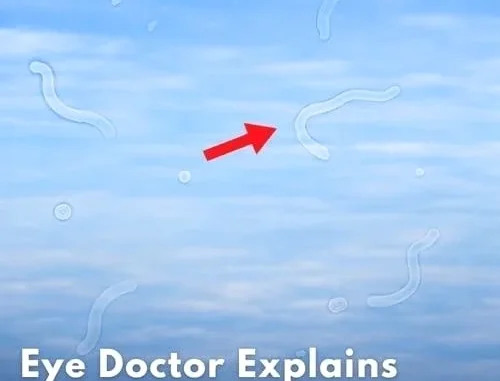
Many individuals notice small shapes or shadows drifting through their field of vision at some point in their lives. These visual phenomena, known as eye floaters, can take various forms such as dots, lines, or cobweb-like strands. Although often benign, understanding their origin, development, and potential implications is essential for maintaining eye health.
What Are Eye Floaters?
Eye floaters are tiny shadows cast on the retina by irregularities within the vitreous humor, the clear gel-like substance filling the inside of the eye. Over time, the vitreous can undergo changes, including liquefaction and the formation of microscopic clumps or strands. These imperfections interfere with the passage of light and create the sensation of floating objects in the vision.
The vitreous is attached to the retina, the light-sensitive layer at the back of the eye responsible for transmitting visual information to the brain. Floaters move with eye movements because the particles causing them shift within the vitreous gel.
Causes and Risk Factors
While floaters are commonly associated with the natural aging process, several factors can influence their presence and frequency. Key contributors include:
– Aging: The vitreous gel changes consistency with age, increasing the likelihood of floaters.
– Nearsightedness (Myopia): Individuals with myopia may experience floaters earlier or more frequently.
– Eye Surgery or Trauma: Previous surgical procedures or injuries can alter the vitreous structure.
– Eye Diseases: Certain conditions affecting the eye may contribute to floaters.
Floaters can appear at any age but tend to be more noticeable in individuals over 50. Bright backgrounds, such as a clear sky or white surfaces, often make floaters easier to see.
When Floaters Are Typically Harmless
For many people, floaters are a normal part of eye aging and do not indicate any serious issues. Stable floaters that have been present for months or years without significant changes usually fall into this category. Although they can be distracting or mildly annoying, they generally do not interfere with vision or eye health.
The brain often adapts to the presence of floaters, causing them to become less apparent over time. Most individuals continue their daily activities without requiring treatment.
Recognizing Warning Signs That Require Prompt Attention
Certain changes in floaters or accompanying visual symptoms may suggest more serious eye conditions. It is important to seek medical evaluation promptly if you experience:
– A sudden increase in the number or size of floaters
– Flashes of light in the vision
– A shadow or curtain obscuring part of the visual field
– Sudden blurred or distorted vision
– Loss of peripheral vision
These signs could indicate retinal tears or retinal detachment, conditions that necessitate urgent care to prevent permanent vision loss.
Understanding Retinal Tears and Detachment
The retina converts light into electrical signals that the brain interprets as images. Retinal tears occur when the vitreous gel tugs on the retina, causing small breaks. If fluid passes through these tears, it can separate the retina from the underlying tissue, leading to retinal detachment.
Retinal detachment often develops without pain, making visual symptoms crucial for early detection. Timely diagnosis and treatment are vital to preserving vision.
Recommended Actions When Noticing New or Changing Floaters
If you observe a sudden surge in floaters or any associated warning signs, contacting an eye specialist is essential. A comprehensive eye examination, including a detailed retinal assessment, will help determine if the floaters are benign or related to a retinal condition.
Even if the evaluation confirms a harmless cause, professional guidance can provide reassurance and help monitor any future changes.
The Importance of Regular Eye Care
Routine eye examinations play a significant role in maintaining eye health and detecting issues before symptoms worsen. As people age or if they have risk factors such as myopia or previous eye surgery, regular check-ups become increasingly important.
Maintaining a healthy lifestyle, including protecting eyes from excessive sunlight and managing chronic health conditions, supports overall visual well-being.
Conclusion
Eye floaters are a common visual experience, often linked to natural changes inside the eye. While usually harmless, sudden changes in floaters or additional visual disturbances should prompt timely consultation with an eye care professional.
Understanding the nature of floaters and recognizing when medical evaluation is necessary can help safeguard vision. Early detection of serious eye conditions like retinal tears or detachments improves the chances of successful treatment.
By staying attentive to visual changes and prioritizing regular eye health care, individuals can contribute to preserving their eyesight for the long term.
Managing Persistent Floaters: When Treatment May Be Considered
While most eye floaters do not require intervention, some individuals find persistent or numerous floaters disruptive to their quality of life. In such cases, treatment options may be discussed with an eye care professional. It is important to note that treatments are generally reserved for severe cases due to associated risks and potential complications.
Laser Vitreolysis
Laser vitreolysis is a minimally invasive procedure that uses a specialized laser to break up or vaporize floaters within the vitreous gel. The goal is to reduce the size or number of floaters, thereby improving visual clarity. This treatment is typically considered for larger, discrete floaters that are located away from the retina and optic nerve.
Although laser vitreolysis can be effective for some patients, it is not suitable for everyone, and results may vary. Potential risks include damage to the retina or lens, so careful patient selection and skilled practitioners are essential.
Vitrectomy
Vitrectomy is a surgical procedure that involves removing the vitreous gel from the eye and replacing it with a saline solution. This effectively eliminates floaters by removing the gel that contains the clumps causing shadows on the retina. Vitrectomy is usually reserved for severe cases where floaters significantly impair vision and quality of life.
While vitrectomy can provide substantial relief from floaters, it carries higher risks compared to laser treatment. These risks include cataract formation, retinal detachment, and infection. Therefore, it is generally recommended only when floaters are debilitating and other treatment options have been exhausted.
Lifestyle and Visual Strategies to Cope with Floaters
For many individuals, adapting to the presence of floaters can lessen their impact. Some strategies include:
– Adjusting lighting conditions: Avoiding bright or uniform backgrounds, such as staring directly at a clear blue sky or a white computer screen, may reduce the visibility of floaters.
– Eye movements: Rapid eye movement can sometimes shift floaters out of the central field of vision temporarily.
– Visual distractions: Focusing on other objects or engaging in tasks that require active visual attention can help divert attention away from floaters.
While these approaches do not eliminate floaters, they can improve comfort and reduce distraction.
The Role of Patient Education and Awareness
Understanding eye floaters and their implications is crucial for early detection of serious conditions like retinal tears and detachment. Patients who are aware of warning signs are more likely to seek prompt evaluation, which can be vision-saving.
Healthcare providers play an important role in educating patients, especially those at higher risk, such as individuals with high myopia or a history of eye surgery. Providing clear information about when to seek care can empower patients to take proactive steps regarding their eye health.
Emerging Research and Future Directions
Research continues to explore the mechanisms behind vitreous changes and floaters, aiming to develop safer and more effective treatments. Advances in imaging technology, such as optical coherence tomography (OCT), enhance the ability to visualize vitreous and retinal structures, leading to better diagnosis and monitoring.
Additionally, investigations into pharmacologic agents that might alter vitreous consistency or reduce floaters are underway, although no widely accepted medical treatments currently exist.
Maintaining Overall Eye Health Beyond Floaters
Eye floaters are one aspect of eye health, but comprehensive care involves attention to multiple factors. Regular eye exams can detect conditions such as glaucoma, cataracts, macular degeneration, and diabetic retinopathy, all of which may affect vision.
Protective measures include wearing sunglasses that block ultraviolet (UV) rays, maintaining a balanced diet rich in nutrients beneficial to eye health, managing systemic conditions such as diabetes and hypertension, and avoiding smoking.
By adopting a holistic approach to eye care, individuals can support long-term visual function and quality of life.
Summary and Takeaways
– Eye floaters are common and usually harmless visual phenomena caused by changes in the vitreous gel.
– Most floaters do not require treatment and become less noticeable as the brain adapts.
– Sudden changes in floaters or accompanying symptoms like flashes or vision loss warrant immediate medical evaluation.
– Treatment options exist for severe floaters but involve risks and are considered carefully.
– Patient education, regular eye exams, and healthy lifestyle choices contribute to maintaining optimal eye health.
Recognizing the normalcy of floaters while remaining vigilant for warning signs ensures timely care when needed. Staying informed and engaged with eye health professionals is a valuable strategy for preserving vision throughout life.
Living with Eye Floaters: Psychological and Practical Considerations
For many individuals, the appearance of eye floaters can cause initial concern or anxiety, especially when they are first noticed. Understanding that floaters are a common and typically benign phenomenon can help alleviate worry. However, for some people, persistent floaters may affect quality of life by causing distraction or reduced visual comfort.
Psychological Impact and Coping Strategies
The presence of floaters can sometimes lead to increased self-consciousness or visual discomfort, particularly if they interfere with activities such as reading or screen use. In such cases, it can be helpful to discuss concerns with an eye care professional who can provide reassurance and guidance.
Developing coping strategies, such as focusing on tasks that engage the brain’s visual processing or adjusting environmental factors like lighting, may reduce the perception of floaters. Support groups or counseling might also be beneficial for individuals experiencing significant distress related to visual changes.
The Role of Technology in Managing Eye Health
Advancements in ocular imaging techniques have improved clinicians’ ability to diagnose and monitor eye conditions associated with floaters. Technologies such as optical coherence tomography (OCT) provide detailed cross-sectional images of the retina and vitreous, enabling early detection of retinal tears or detachments.
Telemedicine and remote consultations have also become more prevalent, allowing patients to access eye care professionals more conveniently. While telemedicine cannot replace comprehensive in-person retinal examinations, it can serve as an initial step for evaluating symptoms and determining urgency.
Preventive Measures and Eye Safety
Although age-related changes in the vitreous cannot be fully prevented, certain measures may support overall eye health and potentially reduce the risk of complications:
– Protect Eyes from Injury: Wearing protective eyewear during activities with risk of eye trauma helps prevent vitreous changes caused by injury.
– Manage Chronic Conditions: Conditions such as diabetes and hypertension can affect eye health, so controlling these diseases is important.
– Avoid Excessive Eye Strain: Taking breaks during prolonged screen time and ensuring proper lighting may reduce visual fatigue.
– Regular Eye Check-Ups: Early identification of eye problems contributes to timely management.
Understanding the Limitations of Floaters Awareness
It is important to recognize that not all floaters are visible at all times, and their appearance can fluctuate. The brain’s natural adaptation often diminishes awareness of floaters, which can sometimes lead to underreporting of symptoms.
Because some retinal conditions may develop without obvious floaters or flashes, routine eye examinations remain crucial, especially for individuals at higher risk. This underscores the importance of professional evaluations beyond self-monitoring.
Eye Floaters Across Different Populations
While floaters are generally more common with advancing age, certain populations may experience them differently:
– Children and Young Adults: Floaters are less common but can occur due to trauma or inflammation.
– High Myopia Patients: Higher degrees of nearsightedness increase the risk of vitreous changes and retinal complications.
– Post-Surgical Patients: Individuals who have undergone cataract surgery or other ocular procedures require careful monitoring.
Tailoring eye care and patient education to these groups enhances detection and management of potential issues.
The Importance of Informed Patient-Clinician Communication
Clear communication between patients and eye care providers is essential for effective management of floaters and related conditions. Patients should feel comfortable reporting new or worsening visual symptoms promptly.
Clinicians can aid this process by providing accessible information about floaters, expected symptoms, and warning signs. Educating patients on what to observe and when to seek care empowers them to participate actively in their eye health.
Future Perspectives in Eye Floater Research
Ongoing research aims to deepen understanding of vitreous biology and the pathophysiology of floaters. Investigations into pharmacological agents that could modify the vitreous gel or dissolve floaters hold promise but remain experimental.
Emerging treatments are evaluated for safety and efficacy, with the goal of expanding options beyond current surgical and laser interventions. Patient-centered outcomes, such as quality of life and functional vision, are increasingly emphasized in research.
Summary
Eye floaters are a widespread and typically benign visual experience linked to changes within the eye’s vitreous gel. While usually harmless, they warrant attention when accompanied by sudden changes or additional visual symptoms.
Living with floaters involves understanding their nature, adopting coping strategies, and maintaining regular eye care. Advances in technology and ongoing research continue to improve diagnosis and treatment possibilities.
Maintaining open communication with eye care professionals and adopting preventive eye health measures help safeguard vision and quality of life. Staying informed and proactive about eye health is a valuable approach for all individuals.