Building a fence around a property often seems like a straightforward task, yet it can involve more nuanced considerations than many homeowners expect. Beyond simply marking boundaries, fences contribute to privacy, security, and the aesthetic appeal of a home. However, how a fence is oriented and designed can sometimes lead to confusion and disagreements among neighbors.
Local Regulations and Fence Orientation
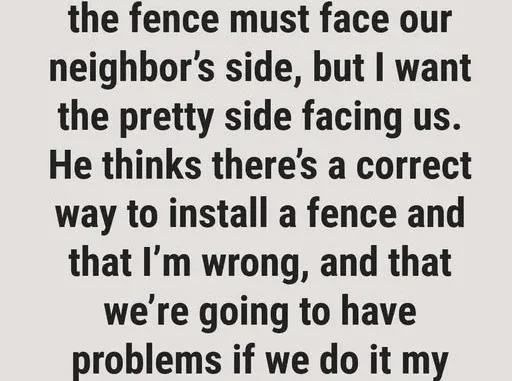
One common question that arises during fence construction is which side of the fence should face outward. Many people assume there is a universal law requiring the finished or more decorative side of a fence to face the neighboring property. In reality, regulations about fence orientation are generally determined at the local level rather than being governed by a single national standard. Municipalities, counties, homeowner associations, and neighborhood covenants often have their own rules, which can vary widely.
This means that before starting any fencing project, it is important for homeowners to research local ordinances and community guidelines. Some areas may specify that the finished side must face outward to maintain visual consistency and neighborhood aesthetics, while others leave this choice up to the property owner. Understanding these local requirements helps avoid potential fines or mandated changes after construction.
The Concept of the “Good Neighbor Fence” Design
In many communities, the idea of a “good neighbor fence” exists as a way to promote fairness and visual harmony between adjacent properties. This concept involves constructing fences with an appearance that is equally presentable from both sides. Techniques include alternating the orientation of fence boards or using designs that conceal support posts so neither side looks less finished.
While this approach is often encouraged to maintain neighborly goodwill, it is usually more of a community preference than a legally binding mandate. The goal is to balance property owners’ individual interests with the overall look and feel of the neighborhood, helping to prevent disputes related to aesthetics.
Why Fence Direction and Design Matter
Although it may seem minor, the way a fence is oriented can affect several important factors. Privacy is a key consideration, as fences often serve to shield backyards or gardens from public view. Security is another factor, with some homeowners placing emphasis on fence stability and ease of maintenance.
Support posts and structural elements are typically less attractive than finished fence boards, so many owners prefer to position them on their own side of the property. In addition, access for repairs and upkeep plays a role in determining orientation. The choices made during the planning phase can influence both the fence’s longevity and how neighbors perceive the boundary.
Property Boundaries and Ownership Responsibilities
Understanding property lines is crucial when building a fence. If a fence is fully within a single owner’s property, that individual usually has the authority to make decisions regarding its design and maintenance, provided they comply with local laws. However, fences installed directly on property lines can involve shared ownership or require agreements between neighbors.
In some jurisdictions, neighbors may be obligated to share maintenance costs or obtain mutual consent before erecting or altering a fence. Clear communication and formal agreements can help prevent misunderstandings and legal disputes. Homeowners are encouraged to verify property boundaries through surveys or official documents before construction begins.
The Importance of Open Communication
Many fence-related conflicts arise not from legal issues but from differing expectations and assumptions. One neighbor might expect the fence to have certain features or face a specific direction, while another might have a contrasting view. Without dialogue, these differences can escalate into disagreements.
Experts recommend discussing fencing plans with neighbors early in the process. Even when not legally required, this step fosters transparency and cooperation. Conversations about design, placement, and maintenance can build goodwill and reduce the likelihood of future tension.
Key Topics to Address with Neighbors
Before installing a fence, it can be helpful to talk about several important factors including:
– Fence height and how it complies with local height restrictions
– Choice of materials and colors, considering neighborhood aesthetics
– Exact placement relative to property lines
– Responsibilities for upkeep and repairs
– Access provisions for maintenance
– Privacy needs and how the fence design addresses them
– Any applicable local codes or HOA rules
Addressing these topics upfront helps align expectations and supports a smoother installation process.
Balancing Legal Rights with Neighborly Relations
While property owners generally have the right to enhance and protect their land within regulatory limits, successful community living often depends on more than just legal permissions. Courtesy, mutual respect, and willingness to compromise contribute significantly to maintaining positive neighbor relationships.
A fence can serve as a clear boundary marker without becoming a source of division. Thoughtful planning and communication can transform fencing projects into opportunities for cooperative problem-solving and neighborhood cohesion.
Conclusion: Planning Fences for Function and Harmony
The question of which side of a fence should face outward does not have a universally applicable answer. Regulations vary depending on location, and individual property situations differ. Homeowners are advised to thoroughly investigate local rules, confirm property boundaries, and engage in open dialogue with neighbors prior to construction.
Ultimately, the most successful fencing projects balance practical needs such as privacy and security with legal compliance and neighborly cooperation. A well-considered fence can enhance property value, provide peace of mind, and contribute positively to the community atmosphere.
By approaching fence installation thoughtfully, homeowners can avoid common pitfalls and build structures that serve both functional purposes and community goodwill.
Understanding Different Types of Fences and Their Impact on Neighbor Relations
Fence materials and styles play an important role in both the functional and aesthetic outcomes of a fencing project. Common fence types include wood, vinyl, metal, chain link, and composite materials, each with distinct characteristics that can influence neighborhood dynamics.
Wood fences are popular for their natural look and versatility. They can be customized in height and design but require regular maintenance such as staining or painting to prevent decay. Vinyl fences offer a low-maintenance alternative with a clean appearance but may be less customizable in style. Metal fences, including wrought iron or aluminum, provide durability and security benefits but often have a more industrial or formal look.
Chain link fences are typically less expensive and provide clear visibility, which some neighbors may appreciate for openness, while others may find them less private or attractive. Composite fences combine materials to offer durability and aesthetic appeal but can be costlier.
Selecting a fence type that suits the local environment, homeowner preferences, and neighborhood character can reduce conflicts and enhance property values. Discussing material choices with neighbors may help align expectations and foster a cooperative atmosphere.
Maintenance Considerations and Shared Responsibilities
Fence upkeep is an ongoing responsibility that can affect neighbor relations over time. Wood fences may need periodic repairs, repainting, or replacement of damaged boards, while vinyl and metal fences generally require less frequent attention.
When fences are located on or near property lines, questions often arise about who is responsible for maintenance and repairs. Some local regulations or neighborhood agreements specify shared responsibilities, while others leave it to individual property owners.
Proactive communication about maintenance plans can prevent misunderstandings. Neighbors might agree to share costs or assist with upkeep, especially when fences serve as mutual boundaries. Keeping records of maintenance activities and agreements can also be beneficial if disputes occur.
Navigating Homeowner Association (HOA) Rules and Covenants
Many residential communities have homeowner associations or neighborhood covenants that impose additional rules regarding fence construction. These may include restrictions on fence height, materials, colors, and orientation to maintain community standards.
HOA guidelines often require approval before installing or modifying fences and may enforce penalties for non-compliance. Understanding and adhering to these rules is essential to avoid fines or mandated removal.
Homeowners should review HOA documents carefully and consult association representatives during the planning stages. Engaging neighbors who are also HOA members may provide insights and support for proposed fence projects.
Legal Disputes and Resolution Strategies
Despite best efforts, fence-related conflicts sometimes escalate into legal disputes. Common issues include disagreements over property boundaries, fence placement, maintenance obligations, and adherence to local codes.
When conflicts arise, homeowners can consider mediation or alternative dispute resolution methods before pursuing litigation. Mediation involves a neutral third party helping neighbors reach mutually acceptable agreements, which can be less costly and preserve relationships.
Legal advice from qualified professionals may be necessary in complex cases involving property rights or local ordinance violations. Documentation such as property surveys, permits, and correspondence can support a homeowner’s position.
Understanding Local Permitting Processes
Many jurisdictions require permits for fence installation or significant modifications. Permit processes ensure that fences comply with safety, zoning, and aesthetic regulations.
Homeowners should contact local building departments to inquire about permit requirements, application procedures, fees, and inspection schedules. Obtaining permits before construction helps avoid penalties and ensures the fence is legally recognized.
Permit applications may require submission of plans showing fence height, materials, location relative to property lines, and compliance with setback requirements. Early engagement with permitting authorities can smooth the approval process.
Environmental and Wildlife Considerations
Fencing can impact local ecosystems and wildlife movement. In some areas, regulations or community guidelines encourage or require designs that minimize disruption to native species.
For example, fences that allow small animal passage or use wildlife-friendly materials can reduce negative ecological effects. Homeowners near protected habitats or natural areas should investigate any relevant environmental restrictions.
Additionally, sustainable fencing practices, such as using recycled materials or non-toxic finishes, contribute to environmental stewardship and community well-being.
Cultural and Regional Influences on Fence Practices
Fence styles and etiquette often reflect cultural traditions and regional characteristics. In some rural areas, fences serve primarily for livestock containment and may differ significantly from urban neighborhood fences focused on privacy and aesthetics.
Understanding local customs and historical context can inform fence design choices and neighbor interactions. For example, in certain regions, open fences or hedgerows are preferred over solid barriers to maintain community openness.
Respecting these cultural nuances promotes harmony and preserves the unique identity of neighborhoods.
Technological Innovations in Fencing
Advancements in fencing technology have introduced new options such as automated gates, integrated lighting, and security features like cameras and alarms. These enhancements can increase convenience and safety but may require additional considerations regarding neighbor privacy and local regulations.
Smart fencing solutions can be integrated with home security systems, providing remote monitoring and control. However, homeowners should ensure that such features do not infringe on neighbors’ rights or violate community guidelines.
When incorporating technology, clear communication with neighbors helps address any concerns and fosters mutual understanding.
Reader Takeaways
Fence installation is a multifaceted process that goes beyond physical construction. It involves understanding legal frameworks, property boundaries, community standards, and interpersonal dynamics.
Homeowners are encouraged to:
– Research local laws, ordinances, and HOA rules thoroughly.
– Confirm property lines with professional surveys.
– Engage in open, respectful communication with neighbors early and often.
– Consider fence design, materials, and maintenance impacts thoughtfully.
– Explore dispute resolution options before conflicts escalate.
– Stay informed about permit requirements and environmental considerations.
By approaching fence projects with knowledge and cooperation, homeowners can enhance their property while contributing positively to neighborhood relationships and community character.
Seasonal and Weather-Related Considerations for Fencing
Choosing the right time for fence installation and accounting for local weather conditions can significantly affect the durability and appearance of your fence. For example, installing a wooden fence during wet seasons may lead to premature wood rot or warping if the wood is not properly treated or if drainage is inadequate. Conversely, extremely dry or hot climates can cause wood to crack or paint to peel more quickly.
Homeowners should also consider how seasonal changes such as freezing and thawing cycles might impact fence posts and foundations. Proper installation techniques, including setting posts below the frost line and using concrete footings, help prevent shifting or leaning over time.
Discussing these factors with neighbors can also be beneficial, especially if construction activities or maintenance work might temporarily affect shared property lines or access.
Incorporating Landscaping and Natural Boundaries
Fences often work in conjunction with landscaping elements to create effective and attractive property boundaries. Incorporating hedges, shrubs, or trees alongside fences can enhance privacy, soften the visual impact of a fence, and support local biodiversity.
However, it is important to consider the growth patterns and root systems of plants near fences, as some species may cause damage to fence structures or encroach on neighboring properties. Additionally, maintenance responsibilities for shared natural boundaries should be clarified with neighbors to avoid disputes.
Using landscaping as a complement to fencing also allows for creative solutions, such as using living fences or green walls, which can provide environmental benefits and aesthetic appeal.
Understanding Insurance Implications Related to Fencing
Fences can influence homeowner insurance policies in several ways. Some insurance providers may consider the presence, type, and condition of a fence when assessing property risk, particularly concerning liability issues related to security or injury prevention.
For example, a well-maintained fence might reduce the risk of trespassing or accidental falls, potentially lowering premiums. Conversely, poorly maintained fences that pose hazards could increase liability exposure.
Homeowners should review their insurance policies and consult with their agents to understand any implications related to fence installation, maintenance, or replacement. Keeping documentation of fence condition and related communications can be useful in case of claims.
Future-Proofing Fence Choices
When planning a fence, considering future needs and potential changes in property use or neighborhood development can save time and expense. For instance, a fence that meets current privacy requirements might need to accommodate future landscaping projects, additional structures, or altered property lines.
Selecting modular or adaptable fence designs can facilitate modifications without complete replacement. Additionally, anticipating technological advancements, such as integrating smart security features, can enhance the fence’s long-term functionality.
Engaging professional designers or contractors with experience in flexible fencing solutions can help ensure your investment remains suitable as circumstances evolve.
Educational Resources and Professional Assistance
For homeowners unfamiliar with fencing regulations, design options, or installation techniques, consulting reliable educational resources and professionals is advisable. Local building departments, extension services, and community workshops often provide guidance on best practices and compliance requirements.
Hiring licensed contractors or landscape architects with knowledge of local codes and community standards can streamline the process and reduce risks of errors or disputes.
Additionally, professional surveys and legal advice may be necessary in complex property boundary situations.
By leveraging expert knowledge and educational materials, homeowners can make informed decisions that support successful fence projects.
Reader Takeaways
Fence installation involves multiple practical, legal, and interpersonal factors beyond basic construction. Considering seasonal weather impacts, integrating landscaping thoughtfully, understanding insurance considerations, and planning for future adaptability can all contribute to a fence that is both functional and harmonious with the surrounding environment.
Seeking education and professional support enhances compliance and quality, while proactive communication with neighbors remains a cornerstone of successful fence projects.
Ultimately, fences are more than physical barriers; when thoughtfully planned and maintained, they contribute positively to property value, community aesthetics, and neighborly relations.