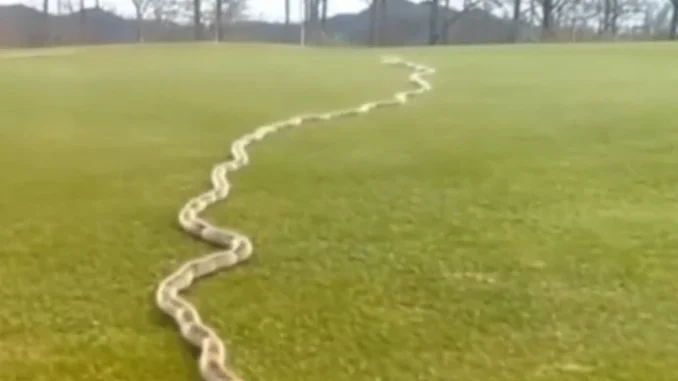
Encountering something unusual moving through your garden can be both intriguing and puzzling. Whether it’s a fleeting glimpse of a slender shape weaving through the grass or a subtle shift in the foliage, these moments often spark curiosity and caution. This article explores how to approach such sightings with care, offers insights into common garden visitors that might be mistaken for something unfamiliar, and provides practical advice on maintaining a safe and welcoming outdoor space.
Common Garden Movements: What Could They Be?
Gardens are dynamic environments teeming with life, from insects and birds to small mammals and reptiles. The diversity of shapes and movements can sometimes create illusions or cause ordinary objects to appear alive. For example, long, thin shapes moving slowly might initially look like snakes but could be anything from garden hoses to earthworms or elongated lizards.
Recognizing typical garden inhabitants helps reduce uncertainty. Lizards, for instance, often have subtle limb movements that can be overlooked, making them resemble snakes. Earthworms are common after rainfall and can move through soil and grass, sometimes catching the eye when they surface. Even plants or garden materials like ropes or hoses can shift slightly in the wind, creating the impression of motion.
Why Identification Matters
Understanding what you’re observing is important for both your safety and the wellbeing of local wildlife. Mistaking a harmless animal or object for something dangerous can cause unnecessary alarm, while overlooking a potentially hazardous animal could lead to unintended encounters.
Approaching any unidentified creature or object without caution is not advisable. Many animals, including snakes, tend to avoid humans and will not pose a threat if left undisturbed. Proper identification often requires a clear view, which might mean observing from a distance or using binoculars rather than getting too close.
Safe Observation Techniques
If you notice something moving in your yard that you cannot immediately identify, the first step is to maintain a safe distance. Avoid sudden movements or attempts to touch or capture the object. Children and pets should be kept away to prevent accidental interactions.
Observing quietly and patiently can provide clues about the nature of the movement. Watch for patterns such as the way it moves, its size, color, and any distinctive markings. Sometimes using a camera with zoom capabilities can help capture details without disturbing the subject.
When to Seek Expert Assistance
If the moving object remains in a high-traffic area or if there is concern about safety, contacting local wildlife experts or animal control services is a prudent choice. These professionals can safely assess and, if necessary, relocate animals that might pose a risk.
It is generally not recommended to attempt handling or removing unfamiliar animals yourself. Wildlife professionals have the training and equipment to manage such situations safely and humanely.
Common Garden Visitors Often Mistaken for Snakes
Several animals and objects are frequently mistaken for snakes or other unfamiliar creatures:
Legless or elongated lizards: Some species have reduced limbs and can be easily confused with snakes, especially when seen quickly or partially hidden.
Earthworms: Their slow, sinuous movement can resemble that of a small snake, particularly in moist environments.
Shifting vegetation: Long grass blades, vines, or fallen branches can move in the wind, creating illusions of movement.
Garden tools or cords: Ropes, hoses, and other materials left on the ground can appear animate when swayed by wind or water.
These examples highlight the importance of careful observation before drawing conclusions.
Garden Maintenance for Safety and Visibility
Regular upkeep can reduce the likelihood of unexpected encounters with wildlife. Keeping grass trimmed improves visibility, making it easier to spot animals early. Removing piles of debris, logs, or unused materials eliminates hiding spots for small animals.
Organizing garden tools and storing cords or hoses neatly prevents confusion caused by inanimate objects appearing alive. Clear pathways and well-maintained borders also contribute to safer movement around the yard.
Respecting Wildlife in Residential Areas
Gardens often serve as habitats or corridors for local wildlife. While some animals might be unwelcome guests due to safety concerns or property damage, many play important roles in the ecosystem.
Promoting coexistence involves recognizing the presence of wildlife and taking steps to minimize conflicts. This includes using humane deterrents, providing alternative habitats away from human activity, and educating family members about safe interactions.
Responding to Wildlife Sightings with Calm and Care
Unexpected sightings can generate a range of emotions, from fascination to fear. Maintaining a calm and measured approach helps ensure safety and reduces stress for both humans and animals.
Avoid spreading unverified information or sensationalizing encounters, as this can cause unnecessary worry in the community. Instead, share observations responsibly and seek expert input when identification or action is needed.
Enhancing Your Understanding Through Observation
Every garden encounter offers an opportunity to learn about local wildlife and the natural environment. Keeping a journal or photo log of unusual sightings can help build knowledge over time.
Engaging with local nature groups or wildlife organizations can further deepen understanding and provide access to identification resources. These connections foster a greater appreciation for biodiversity and inform responsible stewardship of outdoor spaces.
Conclusion
Unusual movements in the garden often have simple explanations, ranging from common animals to shifting plants or objects. Approaching these situations with caution, patience, and respect ensures safety and promotes harmonious coexistence with local wildlife.
By maintaining a well-kept garden, observing carefully, and seeking expert advice when necessary, gardeners can enjoy their outdoor spaces without undue concern. The natural world is full of surprises, and a thoughtful approach turns those surprises into rewarding experiences.
Understanding Seasonal Patterns of Wildlife Movement
Many garden visitors, including reptiles, amphibians, and small mammals, exhibit seasonal behaviors that influence when and how frequently they appear. For example, snakes often become more active during warmer months as they search for food, mates, or suitable basking spots. Conversely, during colder seasons, many species enter periods of dormancy or reduce their activity to conserve energy.
Being aware of these seasonal patterns can help gardeners anticipate the presence of certain animals and take appropriate precautions. For instance, regular yard inspections in spring and early summer may reveal increased wildlife activity. This knowledge allows for better planning of outdoor activities and reinforces the importance of maintaining safe practices during peak wildlife seasons.
The Role of Local Ecosystems in Garden Wildlife
Gardens are integral parts of broader local ecosystems, serving as transitional zones or habitats for a variety of species. The types of animals and plants that appear in your garden are influenced by factors such as regional climate, native vegetation, and nearby natural areas.
Understanding the ecological context can provide valuable insights into why certain creatures visit your yard. For example, proximity to woodlands, water sources, or open fields may increase the likelihood of encounters with reptiles, amphibians, or small mammals.
This perspective encourages gardeners to view their outdoor spaces as components of a larger environmental system. Such understanding promotes informed decisions regarding habitat management and wildlife interactions.
Common Misconceptions About Snakes and Their Behavior
Snakes often evoke strong reactions due to widespread myths and misunderstandings. Contrary to some beliefs, most snakes are not aggressive toward humans and will avoid confrontation whenever possible.
Many species play beneficial roles in controlling pest populations such as rodents and insects. Recognizing these positive contributions can help reduce unfounded fears and foster coexistence.
Additionally, not all snakes found in gardens are venomous. Local wildlife guides or experts can provide information on species common to your area, helping distinguish harmless snakes from those requiring caution.
How to Safely Document Wildlife Sightings
Capturing clear images or videos of unusual garden visitors can be a valuable tool for identification and education. However, safety should always come first.
Using zoom lenses or smartphone cameras with optical zoom allows for detailed observation without getting too close. Setting up motion-activated cameras or wildlife-friendly monitoring devices can also provide insights into nocturnal or elusive species.
When documenting, avoid disturbing the animal’s natural behavior or habitat. Photos taken from a respectful distance contribute to both personal knowledge and broader community awareness when shared responsibly.
The Importance of Community Engagement and Education
Sharing experiences and information about garden wildlife within local communities can enhance collective understanding and safety. Many regions have wildlife organizations, nature centers, or gardening groups that offer resources and workshops on coexistence with local fauna.
Participating in citizen science projects or reporting sightings to regional wildlife databases can also support conservation efforts and scientific research.
Educational initiatives focused on dispelling myths, teaching identification skills, and promoting safe practices benefit both residents and wildlife.
Practical Tips for Creating a Wildlife-Friendly Yet Safe Garden
Balancing wildlife presence with safety involves thoughtful garden design and maintenance. Incorporating native plants provides food and shelter for beneficial species while supporting ecosystem health.
Installing features such as rock piles or brush shelters in designated areas can offer habitats away from high-traffic zones. Regularly inspecting and securing compost heaps, woodpiles, and storage areas reduces unintentional shelter for snakes or other animals near living spaces.
Using barriers like low fencing around play areas or patios can help keep pets and children safe without excluding wildlife entirely.
Understanding Local Regulations and Wildlife Protection Laws
Many regions have laws that protect native wildlife, including snakes and other reptiles. It is important to familiarize yourself with local regulations regarding the handling, relocation, or removal of animals found on private property.
In some cases, harming or killing certain species may be illegal and can have ecological consequences. Consulting with wildlife authorities ensures that actions taken align with conservation goals and legal requirements.
Professional wildlife handlers and rehabilitators are valuable resources for managing situations involving potentially dangerous or distressed animals.
Long-Term Benefits of Observing and Respecting Garden Wildlife
Cultivating an attitude of respect and curiosity toward garden visitors enriches the experience of outdoor living. Over time, gardeners may develop deeper connections with their local environment and contribute positively to biodiversity.
This mindset encourages sustainable practices that support healthy ecosystems and reduce conflicts between humans and wildlife.
Moreover, observing and learning about garden inhabitants can inspire educational opportunities for families and communities, fostering stewardship for future generations.
Summary
Encountering unusual movements in your garden is a common and often enlightening experience. By understanding seasonal wildlife patterns, recognizing ecological contexts, and dispelling common myths, gardeners can approach such sightings with confidence and care.
Safe observation, respectful documentation, community engagement, and adherence to local laws further enhance the ability to coexist peacefully with garden visitors. Thoughtful garden management balances the needs of people and wildlife, creating outdoor spaces that are both enjoyable and ecologically vibrant.
Ultimately, patience, knowledge, and respect transform surprising moments in the yard into meaningful opportunities for learning and connection.
The Role of Technology in Monitoring Garden Wildlife
Advancements in technology have made it easier for gardeners and wildlife enthusiasts to observe and monitor animals in their outdoor spaces. Motion-activated wildlife cameras, also known as trail cameras, can be positioned discreetly around a garden to capture images or videos of nocturnal or elusive species without human presence disturbing their behavior. These devices provide valuable insight into the types of creatures frequenting the area and their activity patterns.
Smartphone applications designed for wildlife identification and reporting can assist in documenting sightings accurately. Many apps include databases of local species, helping users compare photos and descriptions to make more informed identifications. Additionally, some platforms allow users to share observations with experts or community groups, fostering collaborative learning.
While technology offers powerful tools, it remains important to use them responsibly. Ensuring that cameras or monitoring devices do not interfere with animal habitats or cause stress is essential for ethical wildlife observation.
Understanding Animal Behavior to Predict Garden Activity
Familiarity with the behaviors of common garden animals can improve the ability to anticipate their presence and respond appropriately. For example, snakes often seek sunny spots for basking during cooler parts of the day and may retreat to shaded or hidden areas when temperatures rise.
Recognizing signs such as shed skins, tracks, or feeding evidence can indicate recent or ongoing animal activity. This knowledge helps gardeners make adjustments to their maintenance routines, such as timing mowing or clearing debris to avoid disturbing wildlife.
Awareness of breeding seasons and territorial behaviors can also inform when animals might be more visible or defensive, guiding safer interactions. Such behavioral understanding enhances coexistence by aligning human activity with natural rhythms.
The Psychological Benefits of Connecting with Garden Wildlife
Engaging with the natural world through garden wildlife observation has been linked to positive mental health outcomes. Watching animals can promote relaxation, reduce stress, and increase feelings of well-being. These interactions encourage mindfulness and a sense of connection to the environment.
Educational opportunities arising from observing garden visitors can stimulate curiosity and lifelong learning for individuals and families. Children, in particular, may develop empathy toward living creatures by witnessing their behaviors firsthand.
By fostering respect and appreciation for wildlife, gardeners contribute to broader conservation values and cultivate a more harmonious relationship with nature.
Preparing for Rare or Unexpected Wildlife Encounters
While most garden wildlife poses little threat, occasional encounters with less common or potentially hazardous animals can occur depending on geographic location. Being prepared involves knowing which species are native or occasionally present in the region and understanding their typical behaviors.
Keeping emergency contact information for local wildlife agencies, animal control, or poison control centers readily available is prudent. Having a basic first aid kit and awareness of general safety measures enhances readiness.
Avoiding panic and maintaining calm during unexpected encounters helps reduce risks. Educating household members about these protocols ensures a coordinated and safe response.
Promoting Conservation Through Responsible Garden Practices
Gardens can serve as valuable habitats supporting biodiversity when managed thoughtfully. Incorporating native plants, minimizing pesticide use, and providing water sources can create welcoming environments for pollinators, birds, and small mammals.
Balancing conservation goals with safety considerations requires ongoing assessment and adaptation. Engaging with local conservation groups or extension services can provide tailored guidance.
By adopting responsible garden practices, homeowners contribute to regional ecological health while enjoying the benefits of vibrant and diverse outdoor spaces.