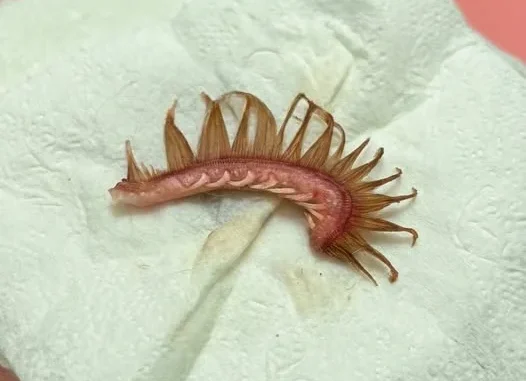
The daily walk with a dog is often seen as a routine activity—an opportunity for exercise, exploration, and bonding. Yet, these familiar outings can sometimes reveal unexpected situations that require an attentive and informed response from pet owners. Understanding what dogs might encounter outdoors, how to inspect for potential hazards after a walk, and when to seek professional care are essential components of responsible pet ownership.
Understanding the Outdoor Environment and Its Impact on Dogs
Dogs, by nature, are curious creatures that enjoy exploring their surroundings. Whether strolling through urban parks, wooded trails, or suburban backyards, they often come into contact with various natural elements. These can range from harmless leaves and twigs to more concerning items like ticks or other parasites. The diversity of materials and organisms found outdoors means that a dog’s coat can easily collect debris or encounter insects during even a brief walk.
Long-haired breeds and dogs that enjoy venturing through tall grass or dense vegetation are particularly prone to picking up burrs, seeds, or small branches. These items can cling to fur, causing discomfort or matting if not promptly removed. In addition, the presence of parasites such as ticks poses a health risk, as ticks can transmit diseases to both dogs and humans.
The Importance of Post-Walk Inspections
A simple yet effective practice for pet owners is to thoroughly check their dog’s coat after returning home from a walk. This inspection should include examining common trouble spots such as between the toes, behind the ears, under the collar, and along the belly and legs. Paying attention to any unusual objects, swelling, redness, or signs of irritation can help catch potential problems early.
When inspecting your dog, it is crucial to remain calm and gentle. Some foreign materials may be easily removed by hand or with grooming tools designed for detangling fur. However, caution is necessary when dealing with unknown objects or anything that appears embedded in the skin.
Recognizing Outdoor Hazards and Common Debris
Several types of outdoor materials and organisms can attach themselves to a dog’s fur or skin:
- Burrs and Seeds: These plant parts have natural hooks that cling tightly to fur, especially in longer coats.
- Twigs and Leaves: Small bits of vegetation may become tangled during exploration.
- Ticks: Parasites that latch onto the skin and feed on blood, potentially spreading diseases.
- Other Insects: Occasionally, insects may land on or crawl within a dog’s coat.
- Dirt and Mud: Can accumulate on paws and lower fur, sometimes hiding other materials.
While many of these are harmless and easily managed, some, like ticks, require careful removal to prevent complications.
Safe Removal Practices and When to Seek Veterinary Assistance
If you find an unfamiliar object on your dog, the first step is to assess whether it can be safely removed. Loose plant material or dirt can typically be brushed away without issue. For burrs or seeds tangled in fur, gentle combing or trimming may be necessary.
In the case of ticks, removal should be done using appropriate tools such as tick tweezers or a tick removal hook, following veterinary guidelines to ensure the entire tick is extracted without leaving mouthparts embedded in the skin. Avoid using home remedies or chemicals, as these can irritate the skin or be toxic if ingested by the dog.
If the object is firmly attached, appears to be causing pain, or you notice signs of infection such as swelling, redness, or discharge, it is advisable to consult a veterinarian. Additionally, if your dog shows behavioral changes such as excessive scratching, lethargy, or loss of appetite after a walk, professional evaluation is warranted.
The Value of Vigilance and Routine Care
Regular grooming and health checks are key components of keeping your dog comfortable and healthy. Incorporating coat inspections into your daily routine can prevent minor issues from escalating. This proactive approach allows owners to detect ticks or other parasites early, reducing the risk of disease transmission.
Moreover, paying attention to your dog’s overall behavior and well-being can provide clues about potential health concerns. Changes in activity levels, eating habits, or grooming behaviors may indicate discomfort or illness that requires attention.
Understanding the Unexpected in Everyday Walks
An ordinary walk can sometimes turn into a moment of discovery. Whether it’s spotting an unusual object on your dog’s fur or noticing an unexpected reaction, these moments highlight the importance of mindfulness and preparedness in pet care. While not every unusual finding is cause for alarm, knowing how to respond calmly and effectively ensures your pet’s safety and comfort.
In conclusion, the simple act of walking your dog offers more than just exercise—it provides an opportunity to monitor your pet’s health and environment. By conducting regular post-walk checks, recognizing common outdoor hazards, and seeking veterinary advice when necessary, you contribute to your dog’s long-term well-being. These practices underscore the responsibility and rewards of caring for a canine companion, turning routine walks into moments of attentive care and connection.
Common Signs That Indicate a Health Issue After a Walk
While many discoveries during or after a dog walk are benign, certain signs should prompt closer attention or a veterinary consultation. Owners should be aware of the following indicators that might suggest health concerns:
Persistent Scratching or Biting: If a dog repeatedly scratches or bites a particular area, it could signal irritation caused by parasites, allergens, or skin infections.
Swelling or Redness: Visible swelling or redness on the skin may indicate an allergic reaction, infection, or injury.
Unusual Lumps or Bumps: New or changing lumps on the skin warrant evaluation, especially if they appear suddenly following outdoor exposure.
Changes in Behavior: Lethargy, reluctance to move, or signs of discomfort can be subtle cues that something is wrong.
Difficulty Breathing or Excessive Panting: These symptoms require immediate veterinary attention as they could indicate serious health issues.
Understanding how to recognize these signs empowers pet owners to act promptly and safeguard their dog’s health.
Preventive Measures for Outdoor Walks
Preventing issues before they arise is an essential aspect of responsible dog ownership. Here are several preventive steps owners can take to minimize risks during outdoor activities:
Use of Protective Gear: Depending on the terrain and environment, protective clothing or booties can help shield dogs from burrs, ticks, and rough vegetation.
Tick Prevention Products: Various veterinary-recommended tick repellents and treatments are available to reduce the likelihood of tick attachment and disease transmission.
Avoiding High-Risk Areas: Steering clear of dense brush, tall grasses, or known tick-infested zones during peak seasons reduces exposure.
Regular Grooming: Keeping a dog’s coat well-maintained makes it easier to spot foreign materials and parasites.
Vaccinations and Health Checks: Routine veterinary visits ensure vaccinations are current and that the dog is in good overall health to withstand outdoor exposures.
The Role of Education and Awareness in Pet Safety
Educating oneself about common outdoor hazards and how to respond to them enhances a pet owner’s ability to maintain their dog’s wellbeing. Reliable resources include veterinary professionals, reputable pet care websites, and community pet groups. Understanding the life cycle and behavior of ticks and other parasites, for example, helps owners recognize risk periods and necessary precautions.
Moreover, awareness of local flora and fauna can prevent accidental contact with harmful plants or animals. Some plants may cause allergic reactions or skin irritation, while certain insects or wildlife may pose safety risks.
Emergency Preparedness for Unexpected Situations
Despite best efforts, unexpected situations can arise during or after a walk. Being prepared for emergencies ensures a swift and effective response:
Keep a First Aid Kit: A well-stocked pet first aid kit should be readily accessible and include items like antiseptic wipes, tweezers, bandages, and a tick removal tool.
Know the Nearest Veterinary Clinic: Having contact information for emergency veterinary services allows for quick action if needed.
Learn Basic First Aid Skills: Understanding how to perform basic first aid, including tick removal and wound cleaning, can prevent complications.
Observe and Record: Taking notes or photos of unusual findings can assist veterinary professionals in diagnosis and treatment.
The Importance of Patience and Observation
When encountering an unfamiliar object or behavior in a dog after a walk, patience and careful observation are vital. Immediate removal or intervention without proper understanding may cause more harm than good. Taking the time to assess the situation calmly helps owners make informed decisions.
In some cases, monitoring the dog over a short period may reveal whether the issue resolves on its own or if professional attention is necessary. This approach balances attentiveness with caution.
Long-Term Benefits of Attentive Pet Care
Incorporating attentive practices into daily routines not only addresses immediate concerns but also contributes to the long-term health and happiness of a dog. Regular post-walk inspections, grooming, and health monitoring strengthen the bond between owner and pet and foster a proactive approach to wellness.
By nurturing an environment where small changes are noticed and addressed, owners can prevent minor irritations from developing into serious health problems. This vigilance reflects a commitment to responsible pet stewardship.
Conclusion: Turning Routine Walks into Opportunities for Care
While dog walks are often simple and enjoyable moments, they also represent valuable opportunities for observing and maintaining a pet’s health. Recognizing potential hazards, practicing safe removal techniques, and knowing when to seek veterinary help equip owners to handle surprises effectively.
Ultimately, the attentive care demonstrated during these routine activities underscores the deep connection between humans and their canine companions. By embracing mindfulness and informed action, pet owners ensure that each walk contributes positively to their dog’s well-being and the shared experience of companionship.
Understanding Seasonal Variations and Their Effects on Outdoor Risks
The time of year can significantly influence the types of hazards dogs may encounter during walks. In warmer months, ticks and other parasites are generally more active, increasing the likelihood of attachment and potential disease transmission. Additionally, flowering plants and grasses may produce seeds and burrs that cling to fur more readily. Conversely, colder seasons might bring challenges such as ice, snow, or salt on roads and sidewalks that can irritate paws or skin.
Being aware of these seasonal factors enables owners to tailor their preventive measures accordingly. For example, increased vigilance for ticks during spring and summer or paw protection during winter can reduce risks. Adjusting walk routes and times to avoid peak parasite activity periods also contributes to safer outings.
The Psychological Benefits of Mindful Walking with Dogs
Beyond physical health considerations, routine dog walks offer psychological benefits for both pets and owners. Engaging in mindful observation of the environment during walks can enhance the bond between human and animal. Noticing subtle changes in a dog’s behavior or appearance cultivates attentiveness and empathy.
This mindful approach encourages owners to view walks not merely as exercise but as opportunities for connection and care. Such awareness can improve the overall quality of life for dogs, allowing owners to respond promptly to their pets’ needs and preferences.
The Role of Community and Professional Support
Pet ownership often benefits from community resources and professional guidance. Local dog-walking groups, training classes, and veterinary clinics can provide valuable information about common environmental hazards in a given area. Sharing experiences with fellow dog owners helps build collective knowledge about safe walking practices and effective health monitoring.
Veterinarians play a crucial role in educating owners about parasite prevention, grooming techniques, and signs of illness. Regular veterinary visits ensure dogs receive appropriate vaccinations and health screenings, complementing at-home care routines.
Ethical Considerations in Managing Outdoor Risks
Managing outdoor risks involves balancing a dog’s natural exploratory behavior with safety concerns. While it is important to prevent exposure to harmful elements, restricting a dog’s freedom excessively may impact its mental and physical well-being.
Owners are encouraged to provide safe environments that allow dogs to express natural behaviors while minimizing hazards. This includes choosing appropriate walking locations, using protective gear when necessary, and supervising interactions with unfamiliar wildlife or vegetation.
The Legacy of Responsible Pet Ownership
The attentive practices described reflect a broader legacy of responsible pet stewardship. Caring for a dog involves ongoing learning and adaptation to changing circumstances, including environmental conditions and advances in veterinary medicine.
By embracing informed and compassionate care, owners contribute to their pets’ longevity and happiness. This commitment not only benefits individual animals but also enriches the human-animal bond that has developed over millennia.
Practical Takeaways for Everyday Dog Walks
- Perform a thorough coat check after every walk, focusing on common debris-collecting areas.
- Use appropriate tools for grooming and safe removal of foreign objects.
- Maintain regular veterinary care, including parasite prevention and health assessments.
- Educate yourself on local environmental risks and seasonal variations.
- Foster mindfulness during walks to strengthen the bond with your dog and enhance observation skills.
- Prepare for emergencies with first aid knowledge and accessible supplies.
- Balance safety with allowing your dog’s natural behaviors and enjoyment.
By integrating these practices into daily routines, dog owners can transform ordinary walks into opportunities for attentive care and meaningful connection.