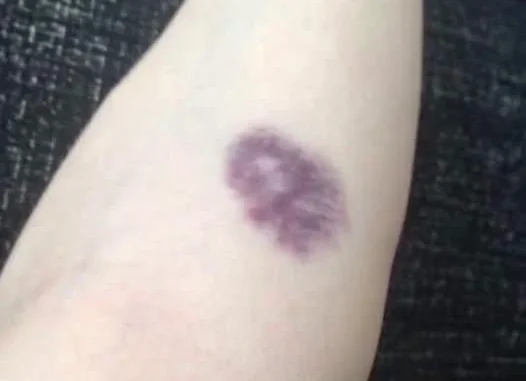
Introduction to Bruising and Its Significance
Bruising is a common occurrence experienced by many individuals throughout their lives. It typically results from minor injuries that cause blood vessels under the skin to break, leading to visible discoloration. While most bruises are harmless and heal naturally, unexplained or frequent bruising can sometimes indicate underlying health concerns that warrant professional attention. This article provides an in-depth look at the causes of bruising, how to differentiate between normal and concerning bruises, and offers guidance on when to seek medical evaluation.
What Is a Bruise?
A bruise, medically known as a contusion, forms when small blood vessels called capillaries are damaged, allowing blood to leak into surrounding tissues beneath the skin. This leakage creates the characteristic colors associated with bruises, which often evolve over time. Initially, a bruise may appear red or pink, then shift to blue or purple within a few days. As it heals, the color can change to green and finally yellow or brown before fading completely. Typically, bruises resolve within one to three weeks without intervention.
Common Causes of Bruising
Most bruises result from everyday activities and minor accidents that sometimes go unnoticed. Bumping into furniture, carrying heavy objects, engaging in sports, gardening, or performing household tasks are frequent culprits. These minor impacts may not cause immediate discomfort but can leave visible marks later. Additionally, increased bruising prevalence is observed in older adults due to natural changes in skin and blood vessels.
Age-Related Factors Influencing Bruising
Aging brings physiological changes that affect the skin and its underlying structures. Skin tends to become thinner and loses some of the protective fatty layer beneath it. Blood vessels also become more fragile. These factors make older individuals more susceptible to bruising, even from minor bumps. While this increased tendency is often considered normal, persistent or severe bruising should still be evaluated by a healthcare professional to rule out other causes.
Impact of Medications on Bruising
Certain medications can influence the body’s ability to form blood clots, increasing the likelihood of bruising. Common examples include blood thinners, aspirin, some anti-inflammatory drugs, and various prescription medications. These treatments may cause bruises to appear more frequently or to persist longer than usual. It is important never to stop or alter prescribed medication without consulting a healthcare provider. If increased bruising is noticed, discussing it with a doctor or pharmacist is advisable.
Nutritional Considerations and Bruising
Nutrition plays a vital role in maintaining healthy skin, blood vessels, and the body’s healing processes. Deficiencies in certain vitamins and minerals, such as vitamin C, vitamin K, or iron, may contribute to easier bruising. Healthcare professionals may assess nutritional status during evaluations of unexplained bruising. Emphasizing a balanced diet rich in fruits, vegetables, whole grains, lean proteins, and healthy fats supports overall wellness and tissue repair. Individuals concerned about their nutrient intake should seek personalized advice before starting supplements.
Physical Activity and Bruising
Engaging in physical exercise offers numerous health benefits but can also increase the chance of minor bruises, especially in activities involving contact or strain. Weight training, contact sports, hiking, and cycling are examples where small bruises may occur. Typically, these bruises are harmless and heal with time. To minimize injury risk, using proper technique and protective gear is recommended.
When to Consult a Healthcare Professional
While most bruises do not require medical attention, certain signs suggest the need for evaluation. These include frequent bruising without an apparent cause, unusually large bruises after minor impacts, bruises that develop without any recalled injury, and bruises that fail to improve over time. Additionally, bruising accompanied by other symptoms such as unusual bleeding, fatigue, or changes in overall health warrants prompt medical review. Healthcare providers consider the full clinical context, including medical history, medication use, and family background, to identify potential underlying conditions.
Medical Assessment of Unexplained Bruising
Evaluation typically starts with a detailed history and physical examination. Physicians may inquire about the onset, frequency, and location of bruises, recent injuries, medication use, and any family history of bleeding disorders. Depending on the findings, further investigations such as blood tests or nutritional assessments may be recommended. This comprehensive approach helps determine the cause and guides appropriate management.
Home Care for Minor Bruises
Most simple bruises heal well with basic self-care. Applying a cold compress shortly after injury can help reduce swelling and discoloration. Resting the affected area and elevating limbs when possible supports recovery. As healing progresses, normal activities can usually be resumed unless otherwise advised. The body’s natural processes gradually reabsorb the leaked blood, causing the bruise to fade.
Promoting Healthy Healing and Prevention
Supporting the body’s healing mechanisms involves maintaining a healthy lifestyle. Eating a nutrient-rich diet, staying hydrated, engaging in regular physical activity, getting sufficient sleep, and avoiding tobacco use contribute to skin and vascular health. Preventing injuries by wearing appropriate footwear, keeping living spaces free of hazards, using protective equipment during sports, and improving home lighting can reduce the risk of bruising. These measures are especially important for older adults to minimize falls and related injuries.
Understanding the Limits of Self-Diagnosis
The availability of health information online provides valuable education but cannot replace professional diagnosis. Bruising can have many causes, and similar symptoms may not always indicate the same condition. Self-assessment might overlook important aspects of medical history or other health factors. Consulting healthcare professionals ensures a thorough evaluation and appropriate care.
Recognizing Situations Requiring Emergency Care
Certain circumstances involving bruising require immediate medical attention. These include bruising after significant trauma, severe pain, rapid swelling, difficulty moving affected limbs, head injuries, or uncontrolled bleeding. Prompt evaluation in such cases is essential to address potential complications.
Listening to Your Body and Staying Informed
Our bodies continuously communicate information about our health status. While many changes are benign, others may signal the need for further investigation. Maintaining awareness without undue alarm allows individuals to respond appropriately to new or persistent symptoms. Seeking medical advice when unusual bruising occurs helps ensure timely diagnosis and management.
Conclusion
Bruising is a natural and common bodily response to minor injuries. Most bruises resolve without intervention and do not indicate serious health issues. However, unexplained, frequent, or severe bruising, especially when combined with other symptoms, should be evaluated by a healthcare professional. Maintaining healthy habits, practicing injury prevention, and consulting medical providers when needed contribute to overall skin and vascular health. Awareness and informed care support well-being and peace of mind regarding changes in the body.
Understanding Underlying Medical Conditions Associated with Bruising
While many bruises result from minor injuries, unexplained or frequent bruising can sometimes be a symptom of underlying medical conditions. These conditions may affect blood clotting, vessel integrity, or platelet function. Examples include clotting disorders such as hemophilia, platelet disorders like thrombocytopenia, vascular disorders, or systemic illnesses such as liver disease. In some cases, bruising may also be linked to certain infections or autoimmune diseases. However, it is important to remember that bruising alone is rarely sufficient to diagnose these conditions without a comprehensive medical evaluation.
The Role of Hematology in Bruising Diagnosis
Hematologists specialize in blood-related disorders and often play a key role in evaluating unexplained bruising. They may conduct specialized tests to assess clotting factors, platelet counts, and other parameters that influence bleeding and bruising tendencies. Testing may include coagulation panels, platelet function assays, and sometimes bone marrow evaluation if indicated. Collaboration between primary care providers and hematology specialists ensures thorough investigation and management when bruising suggests a complex or serious hematologic issue.
Psychosocial Factors and Bruising
While physical causes are primary considerations, psychosocial factors may also impact bruising patterns. For example, individuals experiencing domestic violence or abuse may present with unexplained bruises. Healthcare providers are trained to approach such cases sensitively, ensuring patient safety and providing appropriate support resources. Awareness of these factors highlights the importance of not only addressing physical health but also considering emotional and social well-being in the context of unexplained bruising.
Seasonal and Environmental Influences on Bruising
Environmental factors can influence skin health and susceptibility to bruising. For instance, cold weather may reduce circulation and skin elasticity, potentially making bruising more noticeable or recovery slower. Sun exposure over time can also thin the skin, increasing bruising risk. Humidity levels and hydration status affect skin resilience as well. Understanding these influences can help individuals take preventive measures such as skin moisturizing, protecting skin from extreme weather, and maintaining hydration.
The Importance of Regular Medical Checkups
Routine health examinations provide opportunities to detect subtle changes that might not be immediately apparent to individuals. During these visits, healthcare providers can evaluate bruising within the broader context of overall health, review medications, and recommend necessary screenings. For those with recurring unexplained bruises, regular monitoring can facilitate early diagnosis of potential underlying conditions and timely intervention.
Emerging Research and Future Directions in Bruising Management
Ongoing research continues to deepen understanding of bruising mechanisms and potential treatments. Advances in dermatology and hematology contribute to improved diagnostic tools and therapeutic options. For example, studies exploring the molecular basis of blood vessel fragility and clotting pathways may lead to targeted therapies. Additionally, innovations in wearable technology could aid in monitoring skin changes or injury patterns. Staying informed about these developments can empower patients and providers to optimize care strategies.
The Role of Patient Education and Advocacy
Educating patients about the causes, prevention, and management of bruising fosters proactive health behaviors. Clear communication helps individuals recognize when bruising is typical and when to seek help. Advocacy for patients experiencing frequent or unexplained bruising includes promoting access to appropriate healthcare services and supporting research funding. Empowered patients are better equipped to participate in shared decision-making and maintain their health.
Cultural Perspectives on Bruising and Health
Cultural beliefs and practices can influence perceptions of bruising and approaches to treatment. In some cultures, bruises may be viewed as signs of health or spiritual imbalance, while others may attribute them to external factors or remedies. Understanding these perspectives is important for healthcare providers to deliver culturally sensitive care and build trust with diverse patient populations.
Practical Tips for Documenting and Monitoring Bruises
Keeping a bruise diary can be helpful for individuals experiencing frequent or unexplained bruising. Recording the date, size, location, and any associated activities or symptoms provides valuable information for healthcare providers. Photographs taken under consistent lighting conditions can also aid in tracking changes over time. This documentation supports accurate assessment and may assist in identifying patterns or triggers.
Summary and Key Takeaways
Bruising is a common physical response to injury, but when bruises occur without clear cause or frequently, further evaluation is appropriate. A wide range of factors—including age, medications, nutrition, physical activity, and underlying health conditions—can influence bruising. Comprehensive medical assessment, including history, physical examination, and targeted testing, is essential to identify or rule out serious causes.
Maintaining healthy lifestyle habits and injury prevention strategies supports skin and vascular health. Patient education, cultural sensitivity, and psychosocial awareness enhance care outcomes. Advances in research promise improved understanding and management of bruising in the future.
Individuals are encouraged to remain observant of their bodies, document changes, and seek professional advice when bruising patterns deviate from the norm. This holistic approach promotes well-being, early detection of potential health issues, and peace of mind.
The Importance of Interdisciplinary Care in Bruising Management
Managing unexplained or complex bruising often benefits from an interdisciplinary approach. Collaboration among primary care physicians, hematologists, dermatologists, nutritionists, and sometimes mental health professionals ensures comprehensive evaluation and treatment. For example, while a hematologist focuses on blood disorders, a dermatologist can assess skin integrity and conditions contributing to bruising. Nutritionists provide guidance on dietary factors that support vascular health, and mental health experts can address psychosocial elements that may influence symptoms. This team-based care model helps address the multifaceted nature of bruising and improves patient outcomes.
Understanding Laboratory Testing and Its Role
Laboratory tests play a crucial role in diagnosing the causes of unexplained bruising. Common blood tests include complete blood counts to evaluate platelet levels, coagulation profiles such as prothrombin time (PT) and activated partial thromboplastin time (aPTT), and assessments of liver function. These tests help identify clotting abnormalities, platelet disorders, or systemic diseases that might contribute to bruising. It’s important for patients to understand that testing is tailored based on clinical findings and history, and not all bruising requires extensive laboratory work. Clear communication with healthcare providers about the purpose and implications of testing helps reduce anxiety and supports informed decision-making.
The Psychological Impact of Unexplained Bruising
Experiencing unexplained bruising can be distressing and sometimes lead to anxiety or fear about underlying health issues. It is normal for individuals to seek reassurance and clarity. Healthcare providers often recognize the psychological impact and strive to offer empathy, clear explanations, and support throughout the diagnostic process. When appropriate, referral to counseling or support groups can help patients cope with uncertainty and maintain emotional well-being. Understanding that both physical and psychological aspects are important contributes to holistic care.
The Role of Technology and Telemedicine
Advances in technology, including telemedicine, have expanded access to healthcare services for individuals with unexplained bruising. Virtual consultations allow patients to share images of bruises and discuss symptoms with healthcare providers remotely. This can facilitate timely evaluation, especially for those in remote areas or with mobility challenges. However, in-person visits remain essential for thorough physical examinations and certain diagnostic procedures. Patients should use telemedicine as a complementary tool and seek in-person care when recommended.
Preventing Bruising Through Lifestyle Adjustments
Beyond injury prevention, certain lifestyle modifications may reduce the frequency or severity of bruising. Maintaining skin hydration with moisturizers can improve elasticity and resilience. Avoiding excessive sun exposure protects against skin thinning. Incorporating strength and balance exercises can reduce fall risk. Additionally, reviewing medications periodically with healthcare providers ensures that any drugs contributing to bruising are managed appropriately. These proactive steps empower individuals to take an active role in their health.
Cultural Sensitivity in Clinical Evaluation
Clinicians are increasingly aware of the importance of cultural sensitivity when evaluating bruising. Different cultural backgrounds may influence how patients perceive and describe bruising, pain, or related symptoms. Some cultures have traditional remedies or beliefs about bruising that affect treatment preferences. Healthcare providers who respect and integrate cultural perspectives can build trust and improve adherence to care plans. Patients are encouraged to share their cultural views openly to facilitate collaborative care.
Summary
The evaluation and management of unexplained bruising involve multiple dimensions, including medical, psychological, social, and cultural factors. Interdisciplinary care, appropriate use of laboratory testing, and clear communication enhance diagnosis and treatment. Awareness of the psychological impact and leveraging technology like telemedicine support patient-centered care. Preventive lifestyle adjustments and cultural sensitivity further contribute to positive health outcomes. By embracing a comprehensive and compassionate approach, both patients and healthcare providers can navigate the complexities of bruising with confidence and understanding.