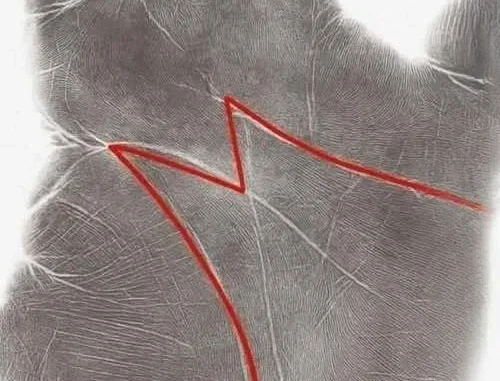
Exploring the ‘M’ Formation on the Palm: Origins, Cultural Perspectives, and Scientific Understanding
Human hands have fascinated people for centuries, not only because of their functionality but also due to the intriguing lines and patterns that decorate the palms. Among these, one particular pattern often sparks curiosity: the formation resembling the letter “M.” This pattern, created by the intersection of palm lines, has been the subject of various cultural interpretations and popular beliefs. But what is the reality behind this “M” shape? This article delves into its origins, how it is viewed across cultures, what scientific research indicates, and why such ideas remain popular.
The Anatomy of Palm Lines and the Formation of the ‘M’
The lines on our palms, known as palmar flexion creases, naturally form during fetal development. These creases allow the skin to fold and stretch as our hands move. The key lines often discussed in relation to palmistry include the heart line (near the top of the palm), the head line (running horizontally across the middle), the life line (curving around the base of the thumb), and sometimes the fate line (a vertical line that varies among individuals).
When these lines intersect or align in certain ways, they can create shapes that resemble letters or symbols, including an “M.” This pattern is not exclusive or rare; rather, it emerges due to the natural variation in how these lines develop. Some people may observe a clear “M” shape, while others might see a less distinct or absent formation. Importantly, these patterns fluctuate with hand size, skin texture, and individual genetics.
Historical and Cultural Interpretations
The practice of interpreting palm lines, commonly referred to as palmistry or chiromancy, has roots in several ancient cultures such as India, China, Egypt, and Greece. Across these traditions, the lines on the hand were thought to reveal insights about a person’s character, fate, and life journey.
Within palmistry, the presence of an “M” formed by the main lines is often linked to positive qualities. It is believed to symbolize traits like strong intuition, leadership capabilities, determination, observation skills, and practical thinking. In some systems, this pattern is also thought to indicate good fortune or an inner resilience that helps individuals navigate challenges.
However, it is crucial to acknowledge that these interpretations are symbolic and culturally derived rather than empirically verified. They form part of a belief system that has evolved over centuries and often serve as tools for storytelling, reflection, or personal insight.
Scientific Perspective on Palm Lines
From a scientific standpoint, palm lines do not carry inherent meanings related to personality or destiny. Research in dermatoglyphics, the study of skin patterns including fingerprints and palm lines, explains that these creases develop due to genetics and the movement of the fetus in the womb.
These lines serve functional purposes, providing flexibility and grip to the hands. Variations in line patterns are normal and influenced by numerous factors, such as genetic inheritance and environmental conditions during development.
No scientific evidence supports the idea that specific shapes formed by palm lines, including the “M,” can predict an individual’s personal traits, intelligence, or future success. Instead, personal development and achievements are understood to result from a complex interplay of genetics, environment, education, and individual choices.
Why the ‘M’ Shape Captivates People
Despite the lack of scientific backing, the notion of the “M” on the palm continues to captivate many. Several psychological and social factors contribute to this enduring interest.
Firstly, humans have a natural tendency to seek patterns and assign meaning to them, a phenomenon known as pareidolia. Seeing familiar shapes like letters in random patterns feels purposeful and engaging.
Secondly, positive interpretations of the “M” offer an appealing narrative. Associating this shape with leadership or success provides a sense of encouragement or identity affirmation.
Thirdly, cultural traditions and the popularization of palmistry through media reinforce these beliefs. Social media platforms often amplify simplified or catchy summaries of such ideas, making them accessible and widely shared.
Finally, the “M” shape serves as a conversational point and a personal curiosity, offering a harmless way for individuals to reflect on qualities they value or aspire to.
Practical Considerations and Personal Reflection
While the “M” shape on the palm does not predict one’s future or personality, it can still be meaningful as a symbolic prompt. Viewing it through a lens of curiosity rather than certainty allows individuals to engage with their hands in an exploratory manner.
It can also serve as a reminder of how cultural narratives shape our understanding of identity and fate. Recognizing this can foster media literacy and critical thinking, helping people appreciate traditions without overestimating their literal significance.
Furthermore, focusing on tangible factors such as education, habits, environment, and relationships can be more effective for personal growth than relying on symbolic interpretations of physical traits.
The Role of Palmistry in Modern Times
In contemporary society, palmistry exists mainly as a cultural or recreational practice rather than a scientific discipline. Many people enjoy it as a form of entertainment, self-reflection, or connection to cultural heritage.
Practitioners often emphasize that palm readings should not replace professional advice or personal responsibility. Instead, they encourage users to view such readings as tools for insight rather than absolute predictions.
Conclusion: Balancing Curiosity with Critical Understanding
The “M” shape on the palm is a naturally occurring pattern that has inspired a range of cultural meanings and popular beliefs. While these interpretations enrich cultural traditions and personal storytelling, they are not supported by scientific research as predictors of personality or destiny.
Understanding the origins and nature of palm lines highlights the fascinating complexity of human anatomy and development. It also invites reflection on how meaning is constructed and shared in society.
Ultimately, the story of one’s life is shaped by choices, experiences, and effort rather than the lines on one’s hand. Appreciating palm patterns as a curiosity rather than a determinant encourages a balanced perspective that values both cultural heritage and scientific insight.
Understanding the Psychological Appeal of Palmistry and the ‘M’ Shape
Beyond the cultural and scientific explanations, it is valuable to consider the psychological factors that make palmistry and symbols like the “M” shape appealing to individuals. Humans have a deep-seated desire to understand themselves and their place in the world. Symbolic systems such as palmistry offer a structured way to explore identity and future possibilities, providing comfort and a sense of control in an uncertain world.
One psychological phenomenon at play is confirmation bias, where people tend to notice and remember information that confirms their existing beliefs or desires. For example, if someone believes that the “M” shape signifies leadership, they may pay more attention to instances where they demonstrate leadership qualities, reinforcing their belief. This selective perception can make symbolic interpretations feel personally meaningful even without objective evidence.
Additionally, palmistry can function as a form of narrative therapy, where individuals create stories about their lives and personalities that help them make sense of experiences and set goals. The “M” shape, therefore, can serve as a catalyst for reflection and self-awareness rather than a literal prediction.
The Influence of Media and Popular Culture
In recent decades, the rise of social media and digital content platforms has played a significant role in popularizing ideas about palmistry and the “M” shape. Viral videos, memes, and posts often present simplified interpretations that are easy to share and remember. This can lead to widespread acceptance of unverified claims, especially among younger audiences seeking quick insights about themselves.
Media literacy becomes crucial in this context. Consumers of digital content should be encouraged to critically evaluate the sources and evidence behind such claims. Awareness of how algorithms promote engaging content—sometimes regardless of accuracy—can help individuals maintain a balanced perspective.
Moreover, the entertainment value of palmistry content should not be underestimated. Many people engage with these topics for fun or social interaction rather than serious belief. Recognizing this distinction helps prevent misunderstandings and promotes respectful dialogue about cultural practices.
Palmistry in Different Cultural Contexts
While the article touched on some traditional origins of palmistry, it is worth exploring how different cultures uniquely interpret palm lines and the “M” shape.
In Indian culture, palmistry, or Hast Rekha Shastra, has been practiced for centuries as part of broader astrological and spiritual systems. The “M” shape may be linked to auspiciousness and spiritual insight in this context.
Chinese palmistry integrates Taoist philosophy and traditional medicine, interpreting lines in relation to energy flows and health. The significance of patterns such as the “M” can vary based on individual readings and other features of the hand.
In Western traditions, palmistry experienced revivals during the Renaissance and the 19th-century occult movements, often blending with psychic and mystical beliefs. Here, the “M” might be associated with destiny or personal power.
These diverse approaches illustrate how the same physical pattern can carry different meanings depending on cultural frameworks, emphasizing the importance of context when considering such interpretations.
Dermatoglyphics: The Scientific Study of Palm Patterns
Dermatoglyphics is the scientific field dedicated to the study of patterns of ridges on the fingers, palms, toes, and soles. Unlike palmistry, dermatoglyphics focuses on the biological and genetic aspects of these patterns.
Researchers have found that dermatoglyphic patterns are unique to each individual and can be used in forensic identification. They also provide insights into developmental biology and can indicate certain genetic disorders when abnormal patterns appear.
However, while dermatoglyphics is a rigorous scientific discipline, it does not support the idea that palm lines predict personality traits or life outcomes. Instead, it underscores the uniqueness of human skin patterns as a product of genetics and prenatal development.
Using Palmistry as a Tool for Self-Exploration
For those interested in palmistry and the “M” shape, the practice can be approached as a tool for self-exploration rather than prediction. Engaging with palmistry symbolically allows individuals to consider personal qualities they value or wish to cultivate.
For example, noticing an “M” shape and reflecting on its traditional associations with leadership and intuition might inspire someone to develop these traits consciously. This approach transforms palmistry from a deterministic belief to a motivational framework.
It is important, however, to maintain critical awareness and avoid letting symbolic interpretations override evidence-based decisions or personal responsibility.
Educational Perspectives: Teaching Critical Thinking Through Palmistry
Educators and parents can use popular topics like the “M” shape on the palm as gateways to teaching critical thinking and scientific literacy. By examining the history, cultural significance, and scientific facts surrounding palm lines, learners can practice evaluating claims, distinguishing between evidence and belief, and understanding the value of cultural narratives.
Such discussions encourage curiosity while fostering skepticism, helping individuals navigate a world full of information and misinformation.
Encouraging Positive Personal Development Beyond Physical Traits
Ultimately, the fascination with the “M” shape highlights a broader human interest in identity and potential. While physical traits like palm lines do not determine destiny, focusing on actionable factors—such as developing skills, nurturing relationships, and creating supportive environments—offers a more empowering path.
Building resilience, cultivating emotional intelligence, and pursuing education are examples of areas where individuals have meaningful agency. Recognizing this can help shift attention from symbolic interpretations toward practical growth.
Final Reflections
The “M” shape on the palm serves as a compelling example of how humans interpret natural phenomena through cultural, psychological, and symbolic lenses. While it holds no scientific predictive power, its presence in cultural traditions and popular imagination underscores the human desire to find meaning and identity.
By appreciating the “M” shape as a natural anatomical feature enriched by cultural storytelling, individuals can enjoy the curiosity it inspires without conflating it with determinism. Embracing both scientific understanding and cultural heritage allows for a balanced appreciation of this intriguing pattern on the hand.
The Impact of Confirmation Bias in Palmistry Beliefs
An important psychological concept that contributes to the persistence of beliefs about the “M” shape on the palm is confirmation bias. This cognitive bias leads individuals to favor information or interpretations that align with their existing beliefs or desires, while disregarding contradictory evidence. In the context of palmistry, when someone believes that having an “M” on their palm signifies leadership or success, they are more likely to notice and remember instances where they exhibit these qualities. This selective attention reinforces their belief, making it feel personally meaningful despite the lack of scientific basis. Understanding confirmation bias can help readers approach such claims more critically and recognize the role of subjective interpretation in shaping personal narratives.
The Role of Symbolism and Storytelling in Personal Identity
Symbols like the “M” on the palm function as tools for storytelling and self-expression. Throughout history, humans have used symbols to convey complex ideas, values, and identities. The interpretation of palm lines is one example of this broader cultural phenomenon. Engaging with these symbols can provide individuals with a framework to reflect on their strengths, aspirations, and life experiences. When approached thoughtfully, the “M” shape can inspire introspection about qualities such as intuition, determination, and leadership. This symbolic engagement fosters a constructive dialogue with oneself, offering potential motivational benefits without relying on deterministic beliefs.
Critical Media Consumption and Evaluating Online Claims
In the digital age, information about palmistry and the “M” shape often circulates rapidly through social media platforms and viral content. While this accessibility can increase awareness of cultural practices, it also presents challenges related to misinformation and oversimplification. Consumers of such content should practice critical media literacy by questioning the sources, seeking scientific perspectives, and distinguishing between entertainment and factual information. Recognizing that viral claims are designed to capture attention rather than provide nuanced understanding helps maintain a balanced view. Educational efforts that promote skepticism and evidence-based reasoning are essential to empower individuals in navigating the vast array of information available online.
Cultural Diversity in Palmistry Practices
Palmistry is not a monolithic tradition but varies widely across cultures, each bringing unique interpretations and emphases. For instance, Indian palmistry integrates astrological concepts and spiritual insights, often linking palm lines to karmic patterns and life purpose. Chinese palmistry considers the flow of Qi (energy) and its effect on health and destiny. Western palmistry, influenced by Renaissance occultism and modern psychic practices, tends to focus on psychological traits and future predictions. This cultural diversity underscores that meanings attributed to patterns like the “M” are context-dependent and shaped by historical and philosophical backgrounds. Appreciating this multiplicity enriches our understanding of palmistry as a cultural artifact rather than a universal truth.
Using Palmistry as a Reflective Practice
For those intrigued by palmistry, approaching it as a reflective and creative practice rather than a predictive science can be beneficial. Examining the lines on one’s palm and considering traditional interpretations can prompt self-questioning about personal goals, values, and challenges. Such reflection may encourage individuals to identify qualities they wish to develop or recognize strengths they possess. This mindful engagement transforms palmistry into a form of guided introspection that supports personal growth. Importantly, this approach respects the symbolic nature of the practice while avoiding reliance on it for critical life decisions.
Encouraging Scientific Curiosity Through Dermatoglyphics
The scientific study of palm patterns, dermatoglyphics, offers a fascinating entry point into genetics, embryology, and forensic science. Educators and enthusiasts can use the intrigue surrounding palm lines to spark curiosity about human biology and development. Understanding how these patterns form during fetal growth and their genetic determinants provides a grounded perspective that complements cultural knowledge. Additionally, learning about the uniqueness and permanence of dermatoglyphic patterns highlights the complexity and individuality of human beings. This scientific curiosity can coexist with cultural appreciation, fostering a holistic view of humanity.
Final Takeaways for Readers
The fascination with the “M” shape on the palm reflects broader human desires for meaning, identity, and connection. While it does not serve as a scientific indicator of personality or destiny, the symbol holds cultural and psychological significance. Readers are encouraged to balance curiosity with critical thinking, appreciating palmistry as a cultural tradition and a tool for reflection rather than a source of absolute truth. Emphasizing personal agency, evidence-based decision-making, and lifelong learning offers a more empowering path toward self-understanding and success.