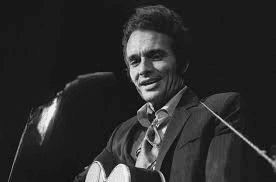
The late 1960s in America were marked by intense social and political shifts, with debates surrounding war, civil rights, and cultural identity shaping public discourse. Amidst this backdrop, country music artist Merle Haggard released a song that would become emblematic of a particular viewpoint and inspire ongoing discussion: “Okie from Muskogee.” This track not only attained commercial success but also became a cultural touchstone, reflecting the complexities of American life during a turbulent period.
Merle Haggard’s path to becoming a celebrated figure in country music was shaped by his early life experiences. Born in California to a family with roots in Oklahoma, Haggard faced numerous hardships growing up, including encounters with the legal system. These formative years influenced his songwriting, which often conveyed themes of authenticity, struggle, and resilience. By the time he released “Okie from Muskogee” in 1969, Haggard was already recognized for his storytelling ability and connection with everyday American experiences.
“Okie from Muskogee” presents a narrative from the perspective of a resident of Muskogee, Oklahoma, emphasizing traditional values such as patriotism, community pride, and conservative social norms. The song contrasts these values with elements of the countercultural movements gaining prominence at the time, such as opposition to the Vietnam War and changing lifestyle choices. This juxtaposition resonated with many listeners who identified with or were curious about the perspectives of those who preferred stability and conventional ways of life.
Upon its release, the song quickly rose to prominence on country music charts and received widespread radio play. Its straightforward lyrics and memorable melody attracted a diverse audience, including those who appreciated its portrayal of small-town American life. The track became one of Haggard’s signature songs, solidifying his position as a key voice in country music during a period when the genre was evolving alongside societal changes.
One notable aspect of “Okie from Muskogee” is the variety of interpretations it has inspired. Some audiences have viewed the song as a sincere endorsement of traditional American values, while others have suggested that it contains ironic or satirical elements. Merle Haggard himself acknowledged that listeners often bring their own perspectives to the song, which has contributed to its enduring relevance and complexity.
The song also provided a platform for voices that were less frequently represented in mainstream media during the era. In a time when many popular songs focused on protest and cultural revolution, “Okie from Muskogee” highlighted a viewpoint rooted in local identity and continuity. This perspective offered recognition to individuals who felt disconnected from the prevailing social movements and fostered a sense of community among those listeners.
In the decades following its release, “Okie from Muskogee” has been recognized as an important cultural artifact. Scholars, music critics, and fans continue to discuss its role in reflecting and shaping public attitudes during the late 1960s. The song remains a staple of classic country music collections and serves as a historical snapshot of American society grappling with change.
Beyond its initial success, the song’s lasting impact lies in its ability to encapsulate a moment in history while inviting ongoing reflection. It demonstrates how music can function as a medium for expressing diverse viewpoints and stimulating dialogue across generations. “Okie from Muskogee” stands as an example of how a single song can transcend entertainment to become part of a broader conversation about identity, values, and cultural evolution.
In conclusion, Merle Haggard’s “Okie from Muskogee” is more than a popular country tune; it is a significant piece of American cultural history. Its narrative, reception, and interpretations offer insight into the complexities of societal change and the role of music in representing varied experiences. As listeners continue to engage with the song, it remains a testament to the enduring power of artistic expression to capture and influence the spirit of an era.
Contextualizing Okie from Muskogee Within the 1960s Cultural Landscape
To fully appreciate the impact of “Okie from Muskogee,” it is important to understand the broader cultural and political environment of the late 1960s America. This era was characterized by a deep generational divide, with younger people often embracing countercultural ideals such as opposition to the Vietnam War, experimentation with new lifestyles, and civil rights activism. Meanwhile, many older and more traditional Americans felt alienated by these changes and sought to reaffirm values they believed were foundational to American society. “Okie from Muskogee” emerged as a musical reflection of this divide, giving voice to those who favored conventional social norms and a sense of rootedness in local community traditions.
Merle Haggard’s Role as a Storyteller and Cultural Commentator
Merle Haggard was known not only for his musical talent but also for his ability to tell stories that resonated with a wide audience. His personal history, including his time in prison and his working-class background, lent authenticity to his music. Haggard’s songwriting often explored themes such as hardship, redemption, and pride in everyday life. This approach helped him connect with listeners who saw their own experiences reflected in his songs. “Okie from Muskogee” exemplifies this style by presenting a clear narrative voice that speaks to a specific community perspective, while leaving room for listeners to interpret its meaning based on their own experiences.
The Song’s Reception Among Different Audiences
The reception of “Okie from Muskogee” varied considerably across different demographic groups and geographic regions. In rural areas and among conservative audiences, the song was often embraced as a celebration of traditional values and a rebuttal to the counterculture. In contrast, some younger listeners and supporters of the social movements of the time viewed the song as critical or dismissive of their ideals. This divergence in interpretation contributed to the song’s role as a topic of discussion and debate. Its ability to provoke varied responses reflects the complexity of public attitudes during a period of rapid social change.
Influence on Subsequent Country Music and Popular Culture
“Okie from Muskogee” has had a lasting influence on country music and popular culture beyond its initial success. It helped pave the way for songs that addressed social and political themes within the genre, demonstrating that country music could engage with contemporary issues while maintaining its traditional roots. The song’s legacy can be seen in the work of later artists who explored themes of identity, community, and cultural change. Additionally, “Okie from Muskogee” has been referenced and covered by numerous musicians, further cementing its place in the canon of influential American songs.
Merle Haggard’s Reflections on the Song Over Time
Over the years, Merle Haggard offered various reflections on “Okie from Muskogee,” sometimes highlighting its humorous or ironic elements, and at other times acknowledging the sincere sentiments it expressed. This nuanced approach underscores the complexity of the song’s message and its reception. Haggard’s evolving commentary on the song illustrates how artistic works can take on new meanings over time, shaped by both the creator’s perspective and the audience’s interpretation.
Media Literacy and Understanding Cultural Artifacts
Engaging with songs like “Okie from Muskogee” benefits from a media literacy perspective, which encourages listeners to consider the historical context, intended audience, and multiple interpretations of cultural artifacts. Recognizing that music can serve as both entertainment and social commentary allows for a deeper appreciation of its role in shaping and reflecting societal values. This approach can foster thoughtful discussion about how art interacts with politics, identity, and cultural change.
Lessons for Contemporary Audiences
For modern listeners, “Okie from Muskogee” offers an opportunity to reflect on the complexities of American identity and the ways in which music can capture diverse viewpoints. The song’s enduring relevance highlights the importance of listening to different perspectives and understanding the historical circumstances that influence cultural expressions. It also serves as a reminder that artistic works may carry multiple layers of meaning, which can evolve alongside societal changes.
Conclusion: The Continuing Conversation
More than fifty years after its release, “Okie from Muskogee” remains a significant piece of American musical and cultural history. Its ability to encapsulate a particular moment while inviting ongoing interpretation exemplifies the power of music to engage with social issues across generations. As listeners continue to explore and debate the song’s meaning, it stands as a testament to the enduring role of country music in reflecting and shaping the American experience.
The Role of Regional Identity in Okie from Muskogee
One key aspect that contributed to the song’s resonance is its emphasis on regional identity. Muskogee, Oklahoma, serves as more than just a geographic reference; it symbolizes a way of life tied to Midwestern and Southern traditions. This regional focus allowed listeners from similar backgrounds to find representation in popular music, which at the time often centered on urban or youth culture narratives. The pride expressed in the song for small-town values and community cohesion highlighted the importance of place in shaping cultural perspectives. This focus on locality has continued to influence country music, where regional pride remains a common theme.
Understanding the Song’s Musical Composition and Style
Aside from its lyrical content, “Okie from Muskogee” is notable for its straightforward musical arrangement. The song features a traditional country instrumentation with a steady rhythm, simple chord progressions, and a clear vocal delivery by Haggard. This musical style reinforced the song’s themes by eschewing elaborate production in favor of an authentic, accessible sound. The approachability of the music helped the song reach a broad audience, including those who might not typically engage with more experimental or complex musical genres. This simplicity in composition aligns with the song’s message of valuing straightforwardness and tradition.
The Impact on Merle Haggard’s Career Trajectory
The success of “Okie from Muskogee” marked a pivotal moment in Merle Haggard’s career. It elevated him from a respected country artist to a cultural icon whose work was discussed beyond music circles. The song’s popularity opened doors for Haggard to explore various themes in his subsequent works, including social commentary on working-class life, patriotism, and personal redemption. It also positioned him as a spokesperson, willingly or not, for a segment of American society that valued conservative ideals during a time of upheaval. The song’s legacy contributed to Haggard’s enduring reputation as one of country music’s most influential figures.
Examining the Song’s Place in the Broader Genre of Protest and Counter-Protest Music
While “Okie from Muskogee” is often discussed in relation to protest music of the 1960s, it occupies a unique place as a form of counter-protest. Many songs from the era expressed dissent against government policies, social norms, and cultural expectations. In contrast, Haggard’s track can be seen as a response to or critique of those dissenting voices, emphasizing a return to traditional values and order. This dynamic illustrates the complex interplay between different musical expressions during times of societal change. The song’s existence alongside protest anthems underscores music’s role as a medium for diverse and sometimes conflicting viewpoints.
The Song’s Influence on Public Perception of Country Music
“Okie from Muskogee” also played a role in shaping perceptions of country music as a genre. Prior to the late 1960s, country was often stereotyped as purely entertainment for rural or Southern audiences. Haggard’s song, with its broad cultural commentary, demonstrated that country music could engage with national issues and contribute to political and social discourse. This helped pave the way for the genre’s expansion in the following decades, both in terms of audience reach and thematic diversity. The song’s crossover appeal facilitated greater recognition of country music’s artistic and cultural significance.
Contemporary Reflections on the Song’s Legacy
In recent years, listeners and scholars have revisited “Okie from Muskogee” with new perspectives. Some analyze it through the lens of cultural studies, exploring how it reflects identity politics and media representation. Others consider it in discussions about nostalgia and the ways societies look back on periods of perceived stability amid change. The song’s layered meanings continue to offer fertile ground for analysis, highlighting how cultural artifacts evolve in significance over time. This ongoing engagement ensures that “Okie from Muskogee” remains relevant and thought-provoking.
The Role of Media and Popular Culture in Shaping the Song’s Narrative
Media coverage and popular culture references have contributed significantly to how “Okie from Muskogee” is understood and remembered. Television appearances, interviews with Merle Haggard, and portrayals in films and documentaries have all influenced public interpretation. At times, media narratives have emphasized certain aspects, such as the song’s patriotic tone or its ironic elements, shaping collective memory. Understanding this media mediation is crucial for appreciating the song’s multifaceted legacy and the ways in which cultural products are framed and reframed by external forces.
Encouraging Critical Engagement with Historical Songs
For readers and listeners today, engaging critically with songs like “Okie from Muskogee” involves recognizing the historical context and being open to multiple interpretations. Such engagement promotes media literacy by encouraging questions about authorship, intent, audience reception, and cultural impact. It also fosters empathy by allowing individuals to consider viewpoints different from their own. In educational settings, the song can serve as a case study for examining how art interacts with social issues and how cultural dialogue evolves.
Conclusion: Embracing Complexity in Musical Heritage
The enduring conversation around “Okie from Muskogee” exemplifies the richness and complexity inherent in musical heritage. Rather than viewing the song through a singular lens, embracing its multiple dimensions allows for a deeper appreciation of its role in American culture. As society continues to change, revisiting such works provides valuable insights into the past and encourages ongoing dialogue about identity, values, and community. Merle Haggard’s song remains a powerful example of how music can both reflect and shape the cultural landscape across generations.