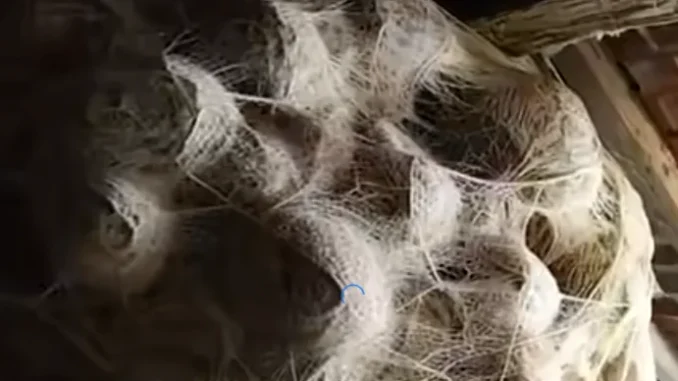
Insect activity around homes is a common sight during warmer months, but sometimes what appears to be a minor nuisance can indicate a more serious issue. Hidden hornet colonies, particularly those established in attic spaces, can grow extensively without immediate detection. Understanding how these colonies develop, recognizing early warning signs, and knowing the proper steps for removal can help homeowners protect their property and wellbeing.
Understanding Hornet Behavior and Nesting Habits
Hornets are social insects that build nests for their colonies using chewed wood fibers mixed with saliva, creating a papery substance. These nests can vary in size from small to remarkably large structures, often found in sheltered locations such as tree branches, wall cavities, and notably, attics. Attics provide an ideal environment for hornets due to their protection from the elements, limited disturbance, and access points through small openings near the roofline.
Because hornets tend to be more active during warm seasons, their colonies can expand rapidly over several months. A single hornet entering or leaving a home may be the first visible sign of a nest inside the structure. However, by the time these insects are noticed outside, the colony may already be well-established and substantial in size.
Signs of a Hidden Hornet Colony
Homeowners may overlook early indicators of hornet activity, attributing the presence of a few insects to normal outdoor life. However, there are several signs that can suggest the presence of a hidden nest:
- Increased insect activity near certain parts of the house, particularly around the roofline, vents, or eaves.
- Repetitive flight paths of hornets entering and exiting the same location.
- Buzzing or rustling sounds coming from walls, ceilings, or the attic, especially during the day.
- Visible nests attached to roof undersides, attic beams, or within accessible crawl spaces.
- Unusual concentrations of hornets around vents or other small openings.
While these signs do not always confirm the presence of a large nest, they warrant further observation or consultation with a pest control professional.
The Risks of Ignoring Hornet Colonies
Hornets can be defensive and aggressive, particularly when their nest is threatened. A large colony hidden within an attic poses several risks:
- Potential stings to occupants, especially if hornets gain access to living spaces.
- Structural damage due to nest size and material accumulation.
- Interference with insulation or ventilation systems.
Ignoring these risks can lead to more complex and hazardous situations over time. Early detection and intervention are key to minimizing these concerns.
The Importance of Professional Inspection and Removal
Attempting to remove a hornet nest without proper training and equipment is dangerous. Professional pest control specialists have the knowledge, protective gear, and tools required to safely assess and remove nests. During an inspection, they look for entry points, nest size, and activity levels to determine the best removal strategy.
Removal often involves carefully sealing access points, applying appropriate insecticides during low-activity periods, and physically removing nest materials. Safety protocols protect both the homeowner and the pest control personnel, reducing the risk of stings and other complications.
Environmental Factors Influencing Hornet Populations
Certain weather conditions can contribute to the growth and longevity of hornet colonies. Mild winters and extended warm seasons allow colonies to survive longer and expand. Changes in local ecosystems, urban development, and availability of nesting sites also impact hornet behavior and population density.
These factors contribute to occasional reports of larger than usual nests, making it important for homeowners to remain vigilant, especially in regions where such conditions prevail.
Routine Home Inspections: A Preventative Approach
Regular inspections of less accessible areas such as attics, crawl spaces, and roof structures can help identify pest issues before they become severe. Homeowners should consider seasonal checks, particularly during spring and summer months when insect activity peaks.
During inspections, look for signs of nesting, structural damage, or unusual insect activity. If any concerns arise, contacting a pest control professional promptly can prevent escalation.
Practical Tips for Homeowners
- Seal cracks, gaps, and openings around the roof, vents, and eaves to limit insect access.
- Maintain vegetation away from the house to reduce potential nesting sites.
- Monitor for buzzing sounds or increased insect presence near the home.
- Avoid disturbing suspected nests to prevent aggressive behavior.
- Schedule routine professional inspections as part of home maintenance.
Concluding Thoughts
Hidden hornet colonies can present challenges that are easy to overlook until they become significant. Awareness of hornet behavior, early warning signs, and the value of professional intervention are crucial for ensuring home safety. By adopting preventative measures and responding promptly to potential infestations, homeowners can manage risks effectively and maintain a secure living environment.
This knowledge not only helps in handling hornet-related issues but also fosters a proactive approach to overall home maintenance and pest management.
Long-Term Prevention Strategies for Homeowners
Beyond immediate removal and inspection, long-term prevention plays a critical role in managing hornet activity around homes. Homeowners can implement several structural and environmental modifications to reduce the likelihood of future infestations. These strategies include regularly maintaining the exterior of the home to repair or replace damaged siding, roofing, or trim where insects might gain entry. Installing fine mesh screens on vents and other openings can also help prevent hornets and other insects from accessing interior spaces such as attics and crawl spaces.
Landscaping adjustments can support prevention efforts by minimizing dense vegetation or wood piles close to the home, which can serve as alternative nesting sites. Regular trimming of trees and shrubs near the roofline reduces shelter opportunities for hornets and other pests. Additionally, maintaining proper drainage around the foundation helps avoid moisture accumulation, which can attract various insects.
Understanding the Life Cycle of Hornets
A deeper understanding of hornet biology and life cycle can further inform homeowners about the timing and nature of infestations. Hornet colonies typically begin in the spring when a queen emerges from hibernation and starts a new nest. The colony grows throughout the summer months, reaching its peak population by late summer or early fall. As temperatures drop, the colony declines, and the queen and fertilized females enter hibernation to restart the cycle the following year.
This seasonal pattern means that early spring is a critical period for monitoring homes for new nest construction. Early detection during this phase can prevent the development of large colonies that pose greater risks. Being aware of these cycles allows homeowners and pest professionals to time inspections and interventions effectively.
The Role of Professional Pest Control Certification and Training
Professional pest control specialists undergo extensive training to handle stinging insect infestations safely and effectively. Certification programs often require knowledge of insect biology, safe pesticide use, and integrated pest management (IPM) principles. IPM emphasizes minimizing chemical use by combining biological, physical, and cultural methods to manage pests sustainably.
Understanding the qualifications and certifications of pest control providers can help homeowners select reputable professionals. Many regions require licensing and continuing education to ensure that operators stay current with evolving best practices and safety standards. Engaging certified professionals not only improves the likelihood of successful removal but also reduces environmental and health risks associated with improper treatments.
Community and Neighborhood Considerations
Hornet colonies are not isolated to single homes; they can affect neighborhoods and communities, especially when environmental conditions favor large populations. Community awareness and coordinated pest management efforts can be beneficial. Sharing information about sightings and outbreaks can prompt timely collective responses.
Local governments or homeowner associations may provide resources, guidelines, or professional services for managing stinging insect populations. Participating in community education programs about pest prevention and identification can empower residents to act early and prevent widespread issues.
Myths and Misconceptions About Hornets
Several myths surround hornets and their behavior, which can influence how homeowners respond to infestations. For example, some believe that all hornets are aggressive or that they will attack unprovoked. In reality, hornets generally avoid human contact unless their nest is threatened. Understanding their natural behavior can help reduce unnecessary fear and prevent dangerous encounters.
Another common misconception is that nests can be removed easily with household sprays or DIY methods. Such approaches often fail to eliminate the entire colony or may provoke the insects, increasing the risk of stings. Professional removal is the safest and most effective approach.
Media Literacy: Evaluating Information About Pest Control
When researching hornet infestations and pest control options, homeowners are encouraged to approach information critically. Media sources vary in accuracy and may sometimes exaggerate risks or present unverified treatments. Consulting reputable sources such as university extension programs, professional pest management associations, and government agencies can provide reliable guidance.
Being aware of sensationalized headlines or anecdotal reports helps homeowners make informed decisions based on evidence rather than fear. Engaging directly with licensed pest control experts for personalized assessments is also advisable.
The Broader Impact of Hornet Populations on Ecosystems
Hornets, like other wasps, play a role in local ecosystems as predators of other insects, contributing to natural pest control. While their presence near homes can be problematic, they are part of the biodiversity that supports ecological balance. Understanding this role can foster a balanced perspective that recognizes the need for control in human-occupied spaces while appreciating their place in nature.
In some cases, hornet populations can be indicators of environmental changes, such as shifts in climate or habitat availability. Monitoring these trends can provide insights into broader ecological health.
Final Takeaways for Homeowners
- Stay observant: Small changes in insect activity around the home can signal hidden issues.
- Prioritize safety: Never attempt to remove large nests without professional help.
- Maintain your home: Regular inspections and repairs reduce access points for pests.
- Seek expert advice: Certified pest control specialists offer knowledge and tools beyond DIY capabilities.
- Embrace prevention: Structural maintenance and landscaping are effective long-term deterrents.
- Educate yourself: Accurate information supports informed decisions and reduces unnecessary alarm.
By integrating these considerations into home care routines, homeowners can effectively manage hornet risks while maintaining a safe and comfortable living environment.
Understanding the Psychological Impact of Hornet Infestations
Discovering a large hornet colony within the home can be a stressful and unsettling experience for many homeowners. Beyond the physical risks posed by stings and property damage, the presence of such an infestation can cause anxiety, fear, and a sense of vulnerability. Recognizing these feelings is important, as they can affect decision-making and overall well-being.
Homeowners are encouraged to seek support from family, friends, or professional counselors if the experience leads to significant distress. Additionally, engaging with knowledgeable pest control professionals can provide reassurance through clear communication about the removal process and safety measures. Taking proactive steps towards resolution often helps reduce anxiety and restores confidence in home safety.
The Importance of Documentation and Reporting
When dealing with pest infestations like hornet colonies, maintaining thorough documentation can be beneficial. Homeowners should record observations such as dates of increased insect activity, photographs of visible nests or entry points, and any communications with pest control services. This information can assist professionals in assessing the situation accurately and tracking the effectiveness of treatments.
In some cases, particularly within multi-unit dwellings or neighborhoods, reporting infestations to property managers or local authorities may be necessary. Coordinated efforts can help prevent the spread of colonies and protect the wider community. Understanding local regulations and guidelines regarding pest control ensures that interventions comply with safety and environmental standards.
Educational Resources and Community Programs
Many regions offer educational programs aimed at increasing public awareness about common pests, including hornets. These resources often include workshops, informational brochures, and online materials provided by extension services, environmental agencies, or pest management associations.
Participating in such programs can equip homeowners with practical knowledge about identifying pests, understanding their behaviors, and implementing preventive measures. Community initiatives may also facilitate access to professional inspection services or coordinated pest control efforts, which can be especially helpful in areas prone to infestations.
The Role of Technology in Pest Detection and Management
Advancements in technology have introduced new tools to assist homeowners and professionals in detecting and managing pest infestations. Thermal imaging cameras, for example, can help locate nests hidden within walls or attics by detecting temperature variations caused by insect activity.
Additionally, smartphone applications and smart home devices are being developed to monitor environmental conditions that influence pest behavior, such as humidity and temperature. These innovations contribute to early detection and timely intervention, potentially reducing the scale of infestations.
While technology can enhance pest management efforts, it should complement rather than replace expert assessment and treatment.
Environmental Stewardship and Sustainable Pest Management
Effective hornet control balances the need to protect human health and property with environmental considerations. Integrated Pest Management (IPM) practices emphasize using the least harmful methods first, such as habitat modification and exclusion techniques, before resorting to chemical treatments.
Homeowners can promote environmental stewardship by selecting pest control providers who follow sustainable practices and by supporting local biodiversity initiatives. Understanding the ecological role of hornets and wasps as natural predators helps foster respect for their place in the environment, encouraging management approaches that minimize unnecessary harm.
Career Opportunities in Pest Control and Entomology
For individuals interested in addressing challenges like hornet infestations professionally, careers in pest control and entomology offer diverse opportunities. Pest control technicians specialize in identifying, managing, and preventing pest problems using a combination of technical skills and customer service.
Entomologists study insect biology and behavior, contributing to research that informs safer and more effective pest management strategies. Both fields require ongoing education and certification to stay current with evolving technologies and regulations.
These professions play a vital role in public health, agriculture, and environmental conservation, making them rewarding career paths for those passionate about science and community well-being.
Summary and Final Recommendations
Dealing with hidden hornet colonies requires a comprehensive approach that combines awareness, timely action, professional expertise, and preventive maintenance. Homeowners should stay attentive to subtle signs of infestation and seek qualified assistance promptly to ensure safety.
Maintaining open communication with pest control professionals, documenting observations, and participating in educational programs can empower homeowners to manage risks effectively. Embracing sustainable practices and leveraging technological tools further enhance the ability to protect homes while respecting ecological balance.
Ultimately, fostering knowledge and preparedness transforms a potentially alarming situation into an opportunity for learning and proactive home stewardship.