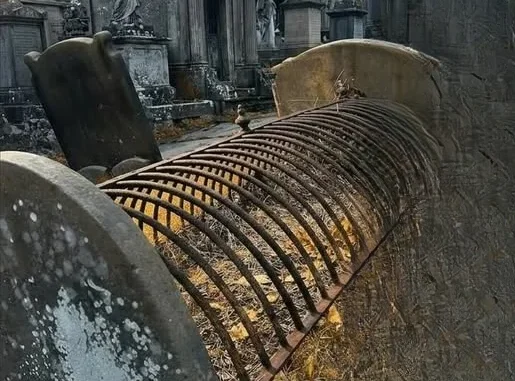
Historic cemeteries often hold more than just gravestones and monuments; they can reveal intriguing stories about past customs and societal concerns. Among the more unusual features found in some older burial grounds are iron structures placed over graves. These heavy metal frameworks, sometimes resembling cages, are not relics of superstition but rather practical devices called mortsafes. Understanding their origin and function provides insight into a distinctive era when communities faced challenges balancing medical progress and respect for the deceased.
The period spanning the late 18th to early 19th centuries saw significant advancements in medical education. Anatomy became a foundational subject, requiring medical students to study human bodies firsthand. However, strict laws limited the lawful acquisition of cadavers, causing a shortage of bodies available for scientific research and teaching. This scarcity led to illicit activities, including grave robbery, where recently interred bodies were stolen from cemeteries and sold to medical institutions.
Such practices deeply disturbed families and communities, as the sanctity of burial sites was violated. In response to these concerns, various protective measures were developed. One of the most effective was the mortsafe, a robust iron cage or framework installed over a grave soon after burial. These structures were designed to deter body snatchers by making exhumation physically challenging and time-consuming.
Mortsafes typically consisted of heavy iron bars and plates, sometimes secured with locks, making removal nearly impossible without specialized tools or significant effort. Importantly, these protections were generally temporary, remaining in place only during the period when graves were most vulnerable—usually the first few weeks or months after burial. Once the risk of disturbance diminished, the mortsafe could be removed, allowing families to maintain the grave’s appearance.
Communities often collaborated to manage the cost and availability of mortsafes. Some towns maintained shared stocks of these devices, renting them out to families as needed. This communal approach reflected the widespread concern about grave security and the collective value placed on protecting the deceased. In addition to physical barriers, some areas implemented watch systems where volunteers or hired guards patrolled cemeteries at night to prevent unauthorized access.
Today, mortsafes appear as curious artifacts that can easily be misunderstood. Their cage-like appearance sometimes leads visitors to mistakenly assume they were intended to imprison the dead or prevent spirits from escaping. In reality, they served a protective function, symbolizing the care families and communities invested in preserving the dignity of those buried.
The eventual decline of mortsafes corresponded with changes in laws and medical practices. As governments introduced regulations that allowed medical institutions to obtain bodies through legal means—such as unclaimed corpses or donated bodies—the demand for illicitly sourced cadavers decreased. This progress in legal frameworks, combined with evolving ethical standards, reduced the need for physical grave protections.
Many mortsafes were dismantled or repurposed over time, but some remain in cemeteries as historical reminders. For historians and visitors alike, these iron protectors offer a tangible connection to a time when balancing scientific advancement and respect for human remains presented complex challenges.
The story of mortsafes highlights broader themes about societal values. They exemplify how communities responded to fears surrounding death and the afterlife with practical solutions rooted in cooperation and respect. Rather than symbols of fear or superstition, mortsafes represent a thoughtful intersection of grief, protection, and the pursuit of knowledge.
In reflecting on these iron grave protectors, modern audiences gain an appreciation for the ways in which past societies navigated difficult issues. The presence of mortsafes in historic cemeteries encourages respectful curiosity and serves as a reminder that even seemingly unusual artifacts can have meaningful origins tied to human dignity and communal care.
Understanding the context behind mortsafes enriches our experience of historic sites and deepens our awareness of the evolving relationship between science, law, and cultural traditions surrounding death. These iron structures stand as enduring symbols of a unique chapter in history, illustrating how communities sought to reconcile progress with reverence for those who had passed on.
The Role of Legal and Ethical Reforms in Ending Grave Robbing
The decline of grave robbing and the consequent obsolescence of mortsafes were closely linked to significant legal and ethical reforms in the medical and educational fields. As public awareness grew about the ethical implications of body procurement, governments and professional institutions began to implement laws regulating the use of human remains for anatomical study. These measures included the establishment of legal channels for obtaining cadavers, such as unclaimed bodies from hospitals or prisons and voluntary donations. By formalizing the supply of bodies for medical education, authorities reduced the financial incentive for illegal activities like body snatching. This transition not only protected the dignity of the deceased but also helped align medical research practices with emerging standards of ethics and public accountability.
The Historical Context of Mortsafes in Different Regions
While mortsafes are most commonly associated with cemeteries in the United Kingdom, similar protective practices and devices appeared in various parts of Europe and North America during the same period. The widespread nature of grave robbing reflected a broader challenge faced by societies undergoing rapid scientific and industrial development. In some areas, local customs and legal frameworks influenced the design and use of grave protections. For example, some communities favored stone vaults or watchtowers, while others relied on community-organized patrols or guard services. Understanding these regional differences offers insight into how cultural attitudes toward death, property rights, and medical progress shaped burial practices.
The Craftsmanship and Design of Mortsafes
Mortsafes were not only functional but also demonstrated skilled metalworking craftsmanship. Blacksmiths and ironworkers constructed these devices with careful attention to durability and security. Designs varied from simple iron grids to elaborate cages with intricate locking mechanisms. In some cases, decorative elements were incorporated, reflecting the family’s status or regional artistic traditions. The quality and complexity of a mortsafe could also indicate the resources available to a family or community. Today, these surviving structures provide valuable examples of historical metalwork and industrial techniques, contributing to our understanding of period craftsmanship.
Mortsafes as Educational and Cultural Artifacts
Beyond their original purpose, mortsafes now serve as important educational tools. Museums, historical societies, and cemetery tours often include mortsafes in their narratives to illustrate the intersection of science, law, and social values in history. They encourage discussions about how societies address ethical dilemmas, the evolution of medical education, and the importance of respecting cultural heritage. Additionally, these artifacts remind us of the human stories behind historical developments, including grief, fear, and community resilience. By engaging with mortsafes, contemporary audiences can gain a deeper appreciation for the complexities of past societies.
Preservation Challenges and Conservation Efforts
Preserving mortsafes presents unique challenges due to their exposure to the elements and their location in outdoor cemetery environments. Iron is susceptible to corrosion, and many mortsafes have suffered damage or deterioration over time. Conservation efforts require collaboration among historians, conservationists, local authorities, and community groups to ensure these artifacts are stabilized and maintained. In some cases, mortsafes have been carefully restored or relocated to museum settings to protect them from further decay. These preservation activities underscore the value placed on maintaining tangible links to history and the ongoing commitment to honoring past communities.
Modern Perceptions and Misinterpretations
Despite their historical significance, mortsafes can sometimes be misunderstood by modern visitors to cemeteries. Their cage-like appearance may evoke associations with imprisonment or supernatural beliefs, leading to myths or folklore that do not align with historical facts. Educating the public about the true purpose of mortsafes helps dispel misconceptions and fosters respectful engagement with cemetery heritage. Interpretive signage, guided tours, and educational materials play an important role in contextualizing these structures and highlighting their place within broader historical narratives.
Legacy and Influence on Contemporary Burial Practices
While mortsafes themselves are no longer in use, their legacy can be seen in contemporary approaches to cemetery security and the handling of human remains. Modern burial practices continue to balance respect for the deceased with concerns about protection and ethical considerations. Advances in forensic science, legal frameworks, and technology have transformed how societies manage and honor their dead. Lessons learned from the era of mortsafes contribute to ongoing discussions about consent, cultural sensitivity, and the intersection of tradition and innovation in funerary customs.
Reader Takeaways: Appreciating History Through Everyday Artifacts
The story of mortsafes invites readers to reflect on how everyday objects can carry deep historical and cultural meanings. These iron structures are more than just physical barriers; they are symbols of human responses to complex social challenges. By learning about mortsafes, individuals can develop a greater appreciation for the ways in which past communities navigated issues of grief, science, legality, and respect. This perspective encourages thoughtful exploration of historical sites and a recognition that artifacts, no matter how unusual, often have rich stories that connect us to our shared human experience.
The Social Impact of Grave Robbing and Community Responses
The phenomenon of grave robbing not only challenged legal and medical institutions but also had profound social repercussions within affected communities. The violation of graves was perceived as a desecration that disturbed social norms surrounding death and mourning. Families experienced heightened anxiety and grief compounded by the fear that their loved ones’ remains might be disturbed. This social unrest sometimes galvanized communities to take collective action beyond installing mortsafes, including advocating for legislative changes and promoting public awareness campaigns. Understanding these community dynamics offers valuable insight into how societal values regarding death and respect for the deceased influenced both grassroots and institutional responses.
The Intersection of Science, Ethics, and Public Perception
The historical context of mortsafes highlights the complex relationship between scientific progress and ethical considerations. Medical advancements during the 18th and 19th centuries depended heavily on anatomical study, yet the methods for acquiring bodies raised moral questions and public concerns. This tension between the pursuit of knowledge and the respect for individual rights and cultural beliefs remains relevant today in various biomedical fields. The mortsafe era exemplifies how public perception can impact scientific practices and how ethical frameworks evolve in tandem with technological and educational needs. Reflecting on this history encourages contemporary discourse about responsible scientific inquiry and community engagement.
Comparative Analysis of Protective Measures in Burial Practices
Beyond mortsafes, various cultures and societies have developed unique methods for protecting graves and honoring the dead. For instance, in some regions, graves were covered with heavy stones or enclosed within mausoleums to prevent disturbance. In other traditions, sacred rituals or symbolic markers served to deter tampering through spiritual or cultural significance. Examining these diverse practices alongside mortsafes provides a broader understanding of how different societies address similar concerns about grave security, cultural identity, and remembrance. This comparative perspective enriches our appreciation of burial customs as reflections of community values and historical context.
The Role of Cemeteries as Cultural Heritage Sites
Historic cemeteries containing mortsafes contribute significantly to cultural heritage, serving as open-air museums that preserve tangible links to the past. These sites offer educational opportunities for visitors to engage with history, art, architecture, and social customs. The presence of mortsafes adds another layer of interpretive value, illustrating specific historical challenges and community responses. Preservation and interpretation of cemeteries require balancing respect for the deceased, conservation of artifacts, and accessibility for public education. Recognizing cemeteries as multifaceted heritage sites fosters broader support for their protection and integration into cultural tourism and local history initiatives.
Technological Advances Influencing Modern Burial Security
While mortsafes represent a historical approach to grave protection, modern technology has introduced new methods to safeguard burial sites. Contemporary cemeteries may employ surveillance cameras, motion detectors, and improved fencing to prevent unauthorized access. In some cases, digital records and mapping technologies enhance the management and security of graves. These advances reflect an ongoing commitment to respecting the deceased while adapting to new challenges posed by urban development and changing societal needs. Understanding this technological evolution contextualizes mortsafes as an early step in the continuum of burial site protection.
Ethical Considerations in Handling Human Remains Today
The legacy of mortsafes also prompts reflection on current ethical standards in managing human remains. Modern regulations emphasize consent, cultural sensitivity, and transparent processes for body donation and burial practices. Ethical frameworks now guide institutions in balancing scientific research with respect for individuals and communities. These considerations are informed by historical experiences, including the controversies surrounding body procurement that led to the use of mortsafes. By acknowledging this history, contemporary practitioners and policymakers can continue to develop respectful and equitable approaches to handling human remains.
Inspiration for Artistic and Literary Works
Mortsafes have occasionally inspired creative interpretations in art, literature, and popular culture, serving as symbols of protection, mortality, and historical intrigue. Writers and artists may use these structures metaphorically to explore themes of confinement, loss, or the tension between life and death. While such interpretations can enrich cultural narratives, it is important to distinguish artistic license from historical fact. Appreciating mortsafes within their accurate historical context ensures that creative works contribute meaningfully to public understanding rather than perpetuating misconceptions.
Encouraging Responsible Tourism and Cemetery Exploration
As interest in historic cemeteries grows, promoting responsible tourism is essential to preserving sites with mortsafes and other heritage features. Visitors should be encouraged to respect the sanctity of burial grounds, avoid disturbing artifacts, and adhere to local guidelines. Educational programs and interpretive materials can enhance visitor experiences by providing context and fostering appreciation for the cultural significance of these sites. Responsible engagement helps protect cemeteries for future generations and supports the communities that maintain them.
Final Reflections on the Significance of Mortsafes
The existence of mortsafes in historic cemeteries offers a unique window into past societal challenges at the crossroads of science, law, and cultural values. These iron structures embody collective efforts to protect the dignity of the deceased amidst rapid medical advancements and social change. By studying mortsafes and their broader implications, we gain a deeper understanding of how communities navigate complex ethical and practical issues related to death and remembrance. This awareness enriches our connection to history and underscores the enduring importance of balancing progress with respect for human dignity.