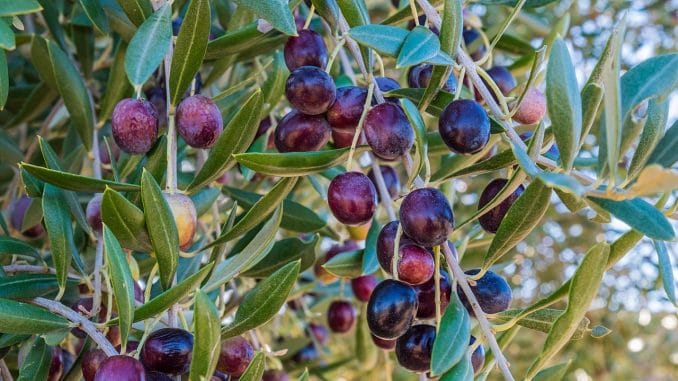
I grew up watching my grandmother pour olive oil on almost everything. Bread, salad, soup, even the occasional spoonful straight from the bottle when her stomach was bothering her. At the time it seemed like an old habit. Years later, science has caught up to what people around the Mediterranean have practiced for generations.
Olive oil is one of the most studied foods in the world, and a fresh wave of research from 2026 has added something new to the conversation: the kind of olive oil you buy might matter more than how much of it you use.
Here is what the evidence really shows, written for normal people who just want to know if it is worth the money.
What Counts as Real Olive Oil
Walk into any supermarket and you will see four or five different bottles, all claiming to be olive oil. They are not the same product.
Extra virgin olive oil is the one you want. It is pressed from fresh olives using nothing but mechanical force. No heat, no solvents, no shortcuts. That is why it keeps its polyphenols, its peppery flavor, and almost all of the compounds responsible for the health effects.
Virgin olive oil is similar but slightly lower in quality. Then you get into the refined stuff, often sold as “pure” or “light” olive oil. These have been chemically processed and blended, which strips out most of what makes olive oil special in the first place. “Light” does not mean fewer calories. It means lighter in flavor and color, which is another way of saying lighter on the good stuff.
If a recipe or article you are reading mentions a benefit of olive oil, assume it is talking about extra virgin. The refined version mostly behaves like any other neutral cooking oil.
The Heart Connection
This is the benefit with the most evidence behind it, by a wide margin.
A long-running study out of Harvard followed more than 90,000 Americans for 28 years. The people who used even half a tablespoon of olive oil per day had a noticeably lower risk of dying from heart disease compared with those who barely touched it.
The reasons are well understood at this point. Olive oil lowers LDL cholesterol, the kind that builds up in your arteries. It raises HDL cholesterol, the kind that helps clear it out. It softens blood pressure, calms inflammation in the lining of blood vessels, and keeps arteries more flexible.
A 2025 review of dozens of clinical trials landed on a practical number: around 20 to 30 grams a day, which works out to about a tablespoon and a half to two tablespoons. That seems to be the sweet spot for cardiovascular benefit, especially if the oil is rich in polyphenols.
The Brain Story Got Interesting in 2026
For years the brain benefits of olive oil were considered probable but not proven. That changed earlier this year.
Researchers at a university in Spain published a study in the journal Microbiome that followed 656 older adults for two years. Some were eating virgin olive oil regularly. Others were eating refined olive oil. The results split cleanly along that line.
The virgin olive oil group showed improvements in cognitive function and a healthier, more diverse gut bacteria population. The refined olive oil group did not. In fact, their gut diversity declined over time.
The researchers traced part of the effect back to a specific gut bacterium called Adlercreutzia, which seemed to do roughly half the work of the cognitive benefit. This is the first time anyone has connected the dots between olive oil, gut bacteria, and brain health in a single human study.
It also fits with earlier Harvard research showing that people who consumed at least half a tablespoon of olive oil per day had a 28 percent lower risk of dying from dementia.
The lesson is straightforward. If you are buying olive oil with your brain in mind, the cheap refined stuff is not going to do the job.
A Natural Anti-Inflammatory
Chronic inflammation is the slow burn behind most of the diseases that kill people in modern countries. Heart disease, diabetes, certain cancers, arthritis, even some forms of dementia trace back to it.
Extra virgin olive oil contains a compound called oleocanthal. If you have ever tasted a really fresh, high-quality olive oil and felt a peppery sting in the back of your throat, you have tasted oleocanthal. That sting is the compound at work. Studies have shown it behaves in the body somewhat like ibuprofen, although in much smaller doses and without the side effects.
Regular consumption has been shown to lower C-reactive protein and several other markers doctors use to measure inflammation. It is one of the simplest dietary tools available for keeping inflammation in check.
Loaded With Antioxidants
A good bottle of extra virgin olive oil contains more than twenty different polyphenols. Two of them deserve a mention by name.
Hydroxytyrosol is one of the strongest natural antioxidants ever measured in food. Oleuropein helps protect cholesterol from oxidation and supports healthy blood pressure.
Antioxidants do unglamorous but important work. They neutralize free radicals, the unstable molecules that damage cells and speed up aging. You will not feel them working, but over years and decades, this kind of background protection adds up.
What About Cancer?
The evidence here is suggestive rather than conclusive. Observational studies, including the Harvard 28-year project, found that high olive oil consumers had around 17 percent lower cancer mortality than people who rarely used it.
That does not prove olive oil prevents cancer. People who eat a lot of olive oil also tend to eat more vegetables, less processed food, and live a slightly different lifestyle overall. But given what we know about inflammation, oxidative stress, and how cancers develop, it would be surprising if olive oil did nothing.
Blood Sugar and Diabetes
If you have prediabetes or just want to keep your blood sugar steady, olive oil deserves a place at the table. Studies have shown it smooths out the spike that follows a meal, improves insulin sensitivity, and reduces the long-term risk of developing type 2 diabetes.
This is one reason the Mediterranean diet performs so well in diabetes research. The fat is doing real work, not just adding flavor.
Will Olive Oil Make You Gain Weight?
This worry comes up constantly. The answer is no, as long as you are using it sensibly.
Yes, a tablespoon contains about 120 calories. But people who follow Mediterranean-style diets tend to manage their weight better, not worse, than people on low-fat diets. The fat keeps you full longer and seems to reduce the cravings that drive snacking.
The trick is to use olive oil instead of butter, margarine, or refined seed oils, not on top of them. One or two tablespoons a day is a good target for most people.
Skin, Hair, and the Old Beauty Tricks
My grandmother used to rub olive oil into her hands every winter. The Greeks and Italians have been using it as a skin treatment for thousands of years. It turns out there is something to it.
Olive oil is rich in vitamin E and the same antioxidants that benefit your heart. Applied to the skin, it softens dryness and may slow some visible signs of aging. It works on hair too, particularly the ends. None of this is going to replace a serious skincare routine, but as a kitchen-cabinet beauty staple, it earns its keep.
How Much Should You Actually Use
Here is what the research lands on:
The minimum useful amount appears to be about half a tablespoon a day. Below that, the effects are hard to detect. The sweet spot for most people is one to two tablespoons. Athletes or people on Mediterranean-style diets sometimes use three or four tablespoons without trouble.
Use it on salads, drizzle it over cooked vegetables, dip your bread in it, and cook with it. Daily consistency matters far more than any single big serving.
Buying Olive Oil Without Getting Ripped Off
The olive oil market has a fraud problem. A lot of what is sold as extra virgin is either old, blended with cheaper oils, or quietly refined. A few things to look for:
The label should say extra virgin, not just “olive oil” or “pure.” A dark glass bottle is a good sign because light damages the oil. Look for a harvest date, not just a “best by” date. Fresher is better, ideally within 18 months. The country and specific region of origin should be clear. Certifications like DOP, PDO, or COOC signal that someone checked the bottle.
A fresh, well-made extra virgin will taste a little grassy, a little bitter, and finish with a peppery bite at the back of the throat. If it tastes flat and greasy, you bought the wrong bottle.
Can You Cook With It?
You can, despite the persistent myth that extra virgin is too delicate for the stove. Recent research has actually shown it is one of the more stable cooking oils, because its antioxidant content protects it from breaking down at moderate heat.
Sautéing, roasting, baking, and light frying are all fine. For very high heat searing or deep frying, some people prefer a more neutral oil and save their good bottle for finishing dishes. That is a reasonable approach, but it is not strictly necessary.
Any Reasons to Be Careful?
Olive oil is one of the safest foods in your kitchen, but a few honest caveats.
The calories are real, so do not pour it with abandon if you are watching your weight. Quality varies enormously, and a bad bottle delivers almost none of the benefits. Olive oil works best as part of a broader pattern of eating that includes vegetables, legumes, fish, and whole grains. Adding a spoonful to an otherwise poor diet will not rescue it.
The Bottom Line
The case for extra virgin olive oil keeps getting stronger. Heart, brain, blood sugar, inflammation, possibly cancer, possibly longevity. Few foods have this much evidence behind them.
If you are going to take one thing from all of this, make it this: buy a real extra virgin olive oil, keep it in a cool dark cupboard, and use a couple of tablespoons a day. The newer research suggests that doing this consistently for years adds up to something meaningful, especially for your brain as you get older.
It is a small change, and it is delicious. That is probably why people have stuck with it for five thousand years.
A Few Common Questions
Is extra virgin really worth the extra money? Yes. Refined olive oil simply does not produce the same effects in studies. If your budget is tight, buy a smaller bottle of the real thing and use it as a finishing oil.
Should I drink olive oil straight? Some people swear by a morning spoonful. It will not hurt, but it is not necessary. Cooking with it and drizzling it on food works just as well.
How long does a bottle last after opening? A few months once opened, ideally. Keep it sealed and away from heat and light.
Is olive oil safe for children? Yes. It is one of the healthier fats you can give a child.
What about pregnancy? Generally encouraged. Many Mediterranean countries treat olive oil as a daily staple throughout pregnancy.