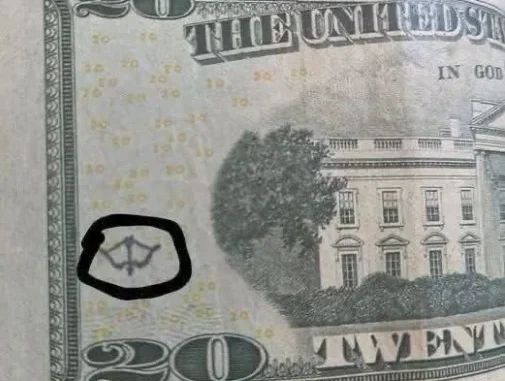
Currency is an everyday object that millions of people handle without much thought beyond its monetary value. While most recognize the prominent features such as portraits, serial numbers, and denominations, many smaller design elements and markings often go unnoticed. Yet, some of these marks carry fascinating stories that trace back to ancient trade customs and historic verification methods.
Understanding why certain marks appear on currency requires an appreciation of the practical and cultural contexts in which money has been used. Before modern banking and sophisticated anti-counterfeiting technology, merchants and traders developed their own ways to establish trust and authenticate currency. These practices sometimes involved adding specific symbols or stamps directly onto coins or paper bills.
One notable example is the use of “chop marks,” which originated centuries ago in Asian trade networks. When merchants received foreign coins, they needed a method to confirm that the coins were genuine and met acceptable standards of weight and purity. To do this, they would visually inspect the coins and then imprint their own small stamp or mark onto the surface. This not only served as a verification of authenticity but also functioned as a public record that the coin had passed through trusted hands.
As coins circulated through multiple traders, they could accumulate several chop marks. Each mark represented an endorsement from a different merchant, effectively creating a layered history of the coin’s acceptance in commerce. This practice was especially valuable in regions where many different currencies and coin types were in use, and where counterfeiting was a significant concern.
With the gradual introduction and spread of paper currency, some of these verification customs adapted to new forms of money. In certain markets, businesses or banks would apply small ink stamps or seals to banknotes after authenticating them. This visual confirmation helped facilitate smoother transactions by reassuring recipients that the note had already been accepted and was trustworthy.
Today, most modern currencies incorporate advanced security features such as watermarks, holograms, and microprinting, reducing the need for such manual verification marks. However, some traditional practices persist in specific regions or among collectors who appreciate the historical significance of these markings.
From the perspective of everyday users, these additional marks typically do not affect the face value of a banknote or coin. However, heavily marked or damaged currency may sometimes be rejected by financial institutions due to concerns about authenticity or usability. For collectors and historians, though, these marks add layers of interest by providing clues about the currency’s journey, the networks of trade it passed through, and the cultures it touched.
Examining these symbols offers a unique window into economic history, illustrating how trust and verification have always been central to commerce. Before electronic transactions and centralized banking, establishing the legitimacy of money relied on mutual recognition and reputation, often communicated through these small but meaningful marks.
In essence, what might appear as a random stamp or symbol on a piece of currency is actually a testament to centuries of human ingenuity in maintaining reliable trade systems. By paying closer attention to these details, one can appreciate the rich heritage embedded in everyday money — a tangible connection to the complex history of economic exchange.
The next time you handle a banknote or an old coin, consider looking beyond the obvious features. You may find yourself holding a subtle piece of history, marked by generations of traders and merchants who contributed to the global economy in their own unique ways.
The Role of Counterfeit Detection in the Development of Currency Markings
The history of currency markings is closely intertwined with the persistent challenge of counterfeiting. As societies evolved and economies expanded, the incentive to produce fake currency grew, prompting innovations aimed at distinguishing genuine money from forgeries. Early merchants and bankers relied on physical marks and stamps to certify authenticity, which acted as a safeguard for both sellers and buyers in trade. These manual verification methods complemented other emerging techniques such as unique coin designs and intricate paper patterns.
In many ways, these markings represent an early form of anti-counterfeiting technology. By leaving a recognizable stamp or seal, merchants effectively created a chain of custody that could be traced back through various points of transaction. This established a form of accountability and trustworthiness that was essential in markets where official oversight was limited or absent. Understanding this historical context highlights how important security and verification have been in maintaining the value and integrity of currency throughout time.
Cultural Variations in Currency Markings
Currency markings vary widely across different cultures and regions, reflecting local traditions, economic practices, and historical circumstances. For example, in East Asia, chop marks were prevalent on silver coins and later on banknotes, serving as merchant endorsements. In Europe, coins often bore marks from mints and rulers, but additional private stamps were less common due to more centralized currency control. In some African and Middle Eastern contexts, stamps or handwritten notes on currency have been used to indicate tax payments, fees, or other official validations.
These cultural differences underscore the diverse ways in which societies have approached the challenges of currency authentication and trust-building. They also provide valuable insights into the economic interactions between regions, as currency often circulated beyond its place of origin, acquiring new marks and histories along the way. Collectors and historians find these variations particularly fascinating because they reveal connections between people and places that might otherwise be overlooked.
The Evolution of Security Features in Modern Currency
Modern currency design incorporates a wide array of security features that have largely superseded traditional marks and stamps. These include watermarks, security threads, holograms, microprinting, color-shifting inks, and polymer substrates. Each of these elements is engineered to be difficult to replicate and easy to verify, helping to deter counterfeiters effectively.
Despite these advances, the legacy of manual markings remains relevant in some contexts. For instance, some regions still use stamps or marks on currency as part of specific financial or ceremonial practices. Additionally, collectors often seek out notes with unusual or rare markings as they can add historical and monetary value. This coexistence of old and new verification methods illustrates how currency continues to evolve while retaining traces of its past.
Implications for Collectors and Historians
For numismatists—the specialists who study and collect currency—unusual marks and symbols can significantly enhance the interest and worth of a banknote or coin. Each mark can provide clues about the currency’s provenance, the trade routes it traveled, and the economic conditions of its time. In some cases, chop marks or other endorsements indicate that a piece of currency was widely accepted across borders, adding to its historical importance.
However, collectors must exercise caution, as not all markings increase value. Some stamps or writings might be considered damage or defacement, reducing a piece’s desirability. Understanding the origin and significance of these marks is therefore crucial for accurate appraisal. Museums and archives often collaborate with numismatists to preserve and interpret currency artifacts, helping to contextualize their stories within broader historical narratives.
Currency as a Reflection of Economic and Social Change
Beyond their practical functions, currency markings also serve as reflections of broader economic and social changes. For example, during times of political upheaval, currency might bear overprints or stamps indicating new regimes or temporary validity. In wartime, markings might signal emergency issues or occupation currency. These signs provide historians with tangible evidence of how societies adapted to changing circumstances.
Moreover, the presence and style of currency marks can reveal much about trade practices, such as the prevalence of barter versus monetized exchange, the integration of local markets into global networks, and the level of trust required for transactions. By studying these small details, economists and historians gain a richer understanding of the complexities of past economies.
How to Identify and Interpret Marks on Currency
For those interested in exploring the markings found on currency, there are several approaches to identification and interpretation. First, consulting specialized reference books and catalogs can provide information about common symbols, stamps, and their meanings. Many numismatic societies and online forums also offer resources and expert guidance.
Examining the context is equally important. Consider the country of origin, the historical period, and the typical circulation patterns of the currency. Comparing notes or coins with and without markings can help determine whether a mark is an official security feature, a merchant’s stamp, or damage.
Preserving Currency with Marks
If you come across currency with unusual stamps or symbols that appear to be historic or significant, it is advisable to handle it carefully. Proper storage—such as using acid-free holders or protective sleeves—helps prevent further deterioration. Avoid cleaning or altering the currency, as this can reduce its historical and monetary value.
For valuable or rare pieces, consulting a professional numismatist or appraiser can provide insights into the best preservation methods and potential worth. Museums and educational institutions also offer resources for those interested in contributing to currency preservation efforts.
Conclusion: Appreciating Currency Beyond Its Face Value
The marks and symbols found on currency offer a fascinating glimpse into the evolution of trade, authentication, and economic history. Far from being mere blemishes or curiosities, these details represent centuries of human effort to build trust and facilitate commerce across cultures and continents.
By learning about and appreciating these hidden features, we enrich our understanding of money not just as a medium of exchange, but as a living record of human interaction and ingenuity. Next time you handle a banknote or coin, take a moment to observe any unusual marks—it might be an invitation to explore a deeper story about the global economy and the people who shaped it.
The Influence of Technology on Currency Markings
With the advent of digital technology and electronic payment systems, the landscape of currency authentication and markings has transformed dramatically. While physical currency remains essential in many parts of the world, the role of manual markings has diminished as digital verification methods have become more prevalent. Technologies such as blockchain, digital signatures, and instant transaction records offer new ways to establish trust and combat counterfeiting without relying on physical stamps or marks.
However, this shift also highlights the continued importance of understanding physical currency from a historical and cultural perspective. As societies move towards cashless economies, the tangible evidence of past verification methods—like chop marks and merchant stamps—serves as a reminder of the evolving nature of money and trust. For educators and historians, these physical markings provide valuable teaching tools that illustrate the progression from tangible to digital financial systems.
The Role of Currency Markings in Forensic and Legal Contexts
Beyond their economic and historical significance, currency markings sometimes play a role in forensic investigations and legal proceedings. Law enforcement agencies may analyze unusual stamps, serial numbers, or alterations on banknotes to trace the origin of counterfeit bills or to track money laundering activities. Certain markings might indicate that currency has passed through specific regions or has been involved in illicit transactions.
In some jurisdictions, currency bearing unauthorized marks might be subject to legal scrutiny or confiscation, especially if the markings are intended to deface or alter the note’s appearance unlawfully. Understanding the nature and legitimacy of currency marks can therefore be important not only for collectors but also for professionals in finance, law enforcement, and regulatory fields.
Educational Opportunities and Public Awareness
Promoting awareness about the history and significance of currency markings can enrich public knowledge about money and economics. Museums, financial institutions, and educational programs can incorporate exhibits and materials that showcase the variety of markings found on currency and explain their meanings.
Such educational initiatives help demystify currency and encourage critical thinking about the role of money in society. They also foster appreciation for the craftsmanship and security measures involved in currency production. By engaging with these topics, individuals develop greater media literacy and financial awareness, which are valuable skills in navigating the modern economy.
Preservation Challenges and Ethical Considerations
Preserving currency with historical markings presents certain challenges. Environmental factors like humidity, light exposure, and handling can degrade paper and ink over time. Collectors and institutions must balance the desire to display and study such items with the need to protect them from damage.
Ethical considerations also arise when dealing with currency that bears markings related to sensitive historical periods or controversial events. For example, overprints from occupation currencies or propaganda stamps may carry complex legacies. Presenting these artifacts thoughtfully requires context and sensitivity to diverse perspectives.
Future Directions in Currency Design and Markings
As global economies continue to evolve, the design and security features of currency are likely to advance further. Innovations such as biometric authentication, embedded microchips, and augmented reality elements could redefine how currency authenticity is verified.
Despite these technological strides, the human element—reflected in historical and cultural markings—remains an integral part of currency’s story. Understanding past practices enriches our perspective on future developments, reminding us that money is not only a tool but also a cultural artifact shaped by human experience.
Reader Takeaways
Exploring the marks and symbols on currency reveals a multifaceted narrative of economic innovation, cultural exchange, and technological progress. By recognizing these features, readers gain insight into how trust has been built and maintained across centuries and societies.
Whether as collectors, historians, or everyday users, individuals can appreciate currency as more than just a medium of exchange. It is a living document that connects us to the past and informs how we might approach the future of money. Observing and learning about currency markings encourages a deeper engagement with the financial world and highlights the ongoing dialogue between tradition and innovation.