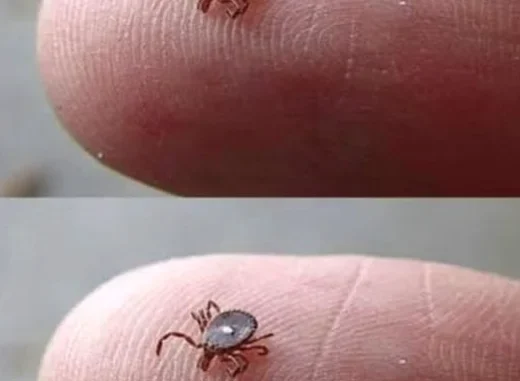
Introduction to Ticks and Outdoor Safety
Spending time outdoors offers numerous benefits, from physical exercise to mental relaxation. However, outdoor environments such as forests, grassy fields, and gardens can harbor tiny arachnids known as ticks. These small creatures are capable of attaching to human skin and feeding on blood, sometimes transmitting infections in the process. While not every tick bite leads to serious health issues, understanding how to manage tick encounters is crucial for minimizing potential complications.
Identifying Ticks and Understanding Their Behavior
Ticks are small, spider-like parasites that thrive in areas with dense vegetation, leaf litter, and tall grasses. They often wait on the tips of plants, ready to latch onto passing humans or animals. Identification can be challenging due to their size, which ranges from a pinhead to a sesame seed depending on their life stage. Recognizing common tick species in your region can help assess potential risks, as some species are more likely to carry infectious agents than others.
Proper Tick Removal Techniques
If you find a tick attached to your skin, the priority is to remove it promptly and correctly to reduce the chance of infection. Use fine-tipped tweezers to grasp the tick as close to the skin’s surface as possible, avoiding squeezing the tick’s body. Gently pull upward with steady, even pressure until the tick releases. Avoid twisting or jerking motions, which can cause the tick’s mouthparts to remain embedded.
Once removed, cleanse the bite site thoroughly with soap and water, followed by an antiseptic if available. Wash your hands afterward to prevent spreading any potential pathogens. If removal is incomplete or you experience difficulty, seek guidance from a healthcare professional rather than attempting invasive methods.
Common Misconceptions About Tick Removal
Several traditional or home remedies for tick removal, such as applying petroleum jelly, nail polish, or heat, are not recommended. These approaches may irritate the tick, prompting it to release harmful substances into the skin or delay removal. Adhering to evidence-based techniques ensures safer outcomes and reduces health risks.
Monitoring Your Health After a Tick Bite
Following a tick bite, it is important to observe your health over the subsequent days and weeks. Symptoms to watch for include fever, headaches, muscle or joint pain, fatigue, and skin changes near the bite area such as redness or rash. Some tick-borne illnesses, including Lyme disease, can present with an expanding rash that sometimes resembles a bull’s-eye pattern. However, absence of rash does not exclude infection.
If you develop any concerning symptoms or notice changes around the bite site, consult a healthcare provider promptly. Early evaluation can facilitate timely diagnosis and treatment if needed.
When to Seek Medical Evaluation
Medical attention is advisable if you are unable to remove the tick fully, if the tick was attached for an extended period, or if systemic symptoms develop. Healthcare professionals can assess risk based on factors such as geographic location, tick species, and clinical presentation. They may recommend diagnostic testing or preventive therapies tailored to your situation.
Keeping the Tick for Identification
In some instances, saving the removed tick in a sealed container can assist healthcare providers with identification, which may inform risk assessment. However, testing the tick itself does not conclusively determine whether transmission of infection has occurred. Clinical evaluation remains the cornerstone of management decisions.
Overview of Tick-Borne Diseases
Ticks can transmit a variety of infectious agents, with Lyme disease being among the most recognized. Caused by bacteria from the Borrelia genus, Lyme disease symptoms include flu-like signs and characteristic skin rashes. Other tick-borne illnesses include ehrlichiosis, anaplasmosis, and babesiosis, each with distinct clinical features and geographical distributions.
Alpha-Gal Syndrome: An Allergic Reaction Linked to Ticks
An emerging condition associated with certain tick bites is Alpha-Gal Syndrome, an allergy to a sugar molecule found in red meat. Individuals with this syndrome may experience delayed allergic reactions after consuming mammalian meat products. Symptoms range from mild skin reactions to severe anaphylaxis. Awareness and medical consultation are important for managing this condition if suspected.
Preventing Tick Bites During Outdoor Activities
Taking precautionary steps when engaging in outdoor activities can greatly reduce tick exposure. Wearing long sleeves and pants, preferably light-colored to spot ticks more easily, is advisable. Tucking pant legs into socks and applying EPA-registered insect repellents containing DEET or permethrin-treated clothing can provide added protection.
Staying on established trails and avoiding brushing against tall vegetation further minimizes contact with ticks. After outdoor exposure, conduct a thorough body check, paying special attention to warm, moist areas such as the armpits, groin, scalp, and behind the ears.
Protecting Pets and Managing Outdoor Gear
Pets can act as carriers for ticks, bringing them into the home environment. Regularly inspect dogs and cats for ticks, especially after spending time outdoors. Veterinarians can recommend effective tick prevention products suited to your pet’s needs.
Additionally, examine clothing, shoes, and outdoor equipment for ticks before entering living spaces. Washing clothes in hot water and drying them on high heat can eliminate ticks that might be clinging to fabrics.
Summary and Practical Tips
Ticks are a natural part of many outdoor environments, and while they can pose health risks, informed actions can mitigate these dangers. Prompt and proper removal, vigilant health monitoring, and preventive measures are key components of tick bite management. Maintaining awareness and practicing safe outdoor habits enables you to enjoy nature with greater confidence and security.
Frequently Asked Questions
Should I worry immediately after finding a tick on my skin?
Most tick bites do not result in serious illness. The priority is proper removal and monitoring for symptoms over time.
How quickly should I remove a tick?
Remove it as soon as you discover it to reduce the risk of infection.
What if the tick’s mouthparts remain embedded?
Avoid digging into the skin; clean the area and consult a healthcare provider if irritation or symptoms develop.
Do all ticks carry diseases?
No. Disease transmission depends on tick species, geographic location, and duration of attachment.
When should I seek testing or treatment?
Based on tick type, exposure risk, and symptoms, a healthcare professional can advise appropriate next steps.
By staying informed and prepared, you can effectively manage tick encounters and maintain your health while enjoying outdoor activities.
Understanding Tick Life Cycles and Their Impact on Human Risk
Ticks undergo several life stages: egg, larva, nymph, and adult. Each stage requires a blood meal from a host to progress to the next stage. Nymphs and adult female ticks are primarily responsible for feeding on humans and transmitting diseases. Because nymphs are very small—often less than 2 millimeters—they can be difficult to detect, increasing the chance of prolonged attachment. Awareness of tick life cycles can help individuals anticipate periods of higher risk, which often align with warmer months when ticks are most active.
Geographical Variations in Tick Species and Associated Diseases
Different regions host different tick species, each with varying capacities to carry and transmit pathogens. For example, the blacklegged tick (Ixodes scapularis), commonly found in the northeastern and upper midwestern United States, is a known vector for Lyme disease. Conversely, the Lone Star tick (Amblyomma americanum), prevalent in the southeastern and south-central US, has been associated with Alpha-Gal Syndrome and ehrlichiosis. Understanding local tick species and their disease risks can guide preventive measures and healthcare decisions.
The Role of Climate and Environmental Changes
Climate change and modifications to land use can influence tick populations and the spread of tick-borne diseases. Warmer temperatures may extend tick activity seasons and expand their geographical range. Changes in wildlife populations, such as deer and rodents that serve as tick hosts, also affect tick abundance. Public health monitoring and research continue to assess how these factors impact tick-related risks to humans, emphasizing the importance of ongoing vigilance and adaptive prevention strategies.
Innovations in Tick Bite Prevention and Detection
Advancements in repellent formulations and clothing treatments have improved options for tick bite prevention. Permethrin-treated garments offer long-lasting protection when applied according to guidelines. Additionally, emerging technologies such as tick detection apps and wearable devices aim to assist individuals in identifying and managing tick exposure promptly. While these tools can be helpful complements, they should be used alongside established protective behaviors.
Psychological and Social Considerations After a Tick Bite
Experiencing a tick bite can cause anxiety or concern about potential illness. It is important to approach the situation with factual information and to seek professional advice when needed. Support from healthcare providers and access to reliable resources can alleviate worries and promote appropriate management. Public education efforts contribute to reducing stigma and misinformation related to tick-borne diseases.
The Importance of Community and Public Health Initiatives
Communities and public health organizations play a vital role in tick bite prevention. Efforts may include public awareness campaigns, environmental management to reduce tick habitats, and surveillance programs to track tick populations and disease incidence. Collaboration between healthcare providers, researchers, and policymakers helps develop and disseminate best practices for tick bite prevention and treatment.
Guidance for Travelers Regarding Tick Exposure
Travelers visiting regions with known tick populations should prepare accordingly. This includes researching local tick species and disease risks, packing appropriate protective clothing and repellents, and performing thorough tick checks after outdoor activities. Awareness of regional healthcare resources is also beneficial in case of tick bites or symptoms during or after travel.
Integrating Tick Bite Management into Outdoor Recreation Culture
Promoting tick awareness as part of outdoor recreational safety encourages responsible enjoyment of nature. Educational materials tailored for hikers, campers, hunters, and gardeners can foster habits that reduce tick encounters. Incorporating tick bite prevention into outdoor safety briefings and guides helps normalize these practices and enhances overall health outcomes.
Long-Term Health Monitoring After Tick Bites
Some tick-borne illnesses may have delayed or prolonged symptoms requiring ongoing medical follow-up. Individuals with a history of tick bites should maintain communication with healthcare providers, especially if new or persistent symptoms arise. Documenting tick bites and any related health issues can aid in diagnosis and management.
Summary and Takeaways for Readers
Ticks are a natural part of many ecosystems, and encountering them is often unavoidable during outdoor activities. Comprehensive knowledge about tick behavior, removal techniques, symptom monitoring, and prevention strategies empowers individuals to reduce risks effectively. Combining personal vigilance with community and public health efforts creates a supportive environment for managing tick-borne disease threats while enjoying the benefits of the outdoors safely.
The Role of Wildlife in Tick Ecology
Ticks rely on various wildlife species as hosts throughout their life cycle. Animals such as deer, rodents, birds, and other mammals provide the blood meals ticks need to develop and reproduce. Changes in wildlife populations can influence tick abundance and the prevalence of tick-borne pathogens. For instance, high deer populations may support larger tick populations, indirectly increasing human exposure risks. Understanding these ecological relationships is important for developing comprehensive tick management strategies that consider both environmental and human health factors.
Community-Based Tick Control Programs
Some communities implement integrated tick control programs that combine habitat modification, public education, and targeted pesticide applications to reduce tick populations in public spaces. These programs may involve clearing leaf litter and brush, managing deer populations, and treating areas with acaricides to disrupt tick life cycles. While such approaches can help lower tick densities, they require careful planning to balance effectiveness with environmental considerations. Community engagement and awareness are essential components to ensure successful and sustainable tick management efforts.
The Importance of Accurate Information and Resources
With the abundance of information available online, it is crucial to seek out reliable and scientifically grounded sources when learning about ticks and tick-borne diseases. Misinformation can lead to unnecessary fear or inappropriate actions. Trusted resources include public health agencies, medical institutions, and peer-reviewed scientific literature. Consulting healthcare professionals for personalized advice remains the best approach when managing tick bites or related health concerns.
Tick Surveillance and Research
Ongoing surveillance efforts help track changes in tick populations and the incidence of tick-borne diseases. Researchers study tick biology, pathogen transmission, and environmental factors to improve prevention and treatment methods. Innovations in diagnostic testing and vaccine development are active areas of research aiming to reduce the burden of tick-borne illnesses. Supporting and staying informed about these scientific advances contributes to public health preparedness.
Practical Tips for Safe Outdoor Recreation
Incorporating tick awareness into outdoor planning can enhance safety and enjoyment. Before heading outdoors, consider packing a tick removal kit with fine-tipped tweezers, antiseptic wipes, and a container if you choose to save a tick. Wearing appropriate clothing and applying repellents as directed adds layers of protection. After outdoor activities, performing thorough body checks, showering, and laundering clothes help remove any unattached ticks. Teaching children about ticks and involving them in preventive practices can foster lifelong habits that reduce risks.
Balancing Outdoor Enjoyment with Tick Awareness
While ticks represent a health consideration, they should not deter people from enjoying outdoor activities. The benefits of spending time in nature for physical and mental well-being are well documented. By adopting informed and proactive behaviors, individuals can minimize tick encounters and respond effectively if bites occur. Promoting a balanced perspective encourages both safety and appreciation of the outdoors.
Summary
Ticks are complex organisms integrated into natural ecosystems. Their interactions with wildlife, environment, and humans create dynamic challenges for public health. Through community efforts, scientific research, accurate information, and personal vigilance, it is possible to reduce the impact of tick-borne diseases. Maintaining awareness and preparedness empowers individuals to coexist safely with these small but significant creatures while continuing to enjoy the many benefits of outdoor life.