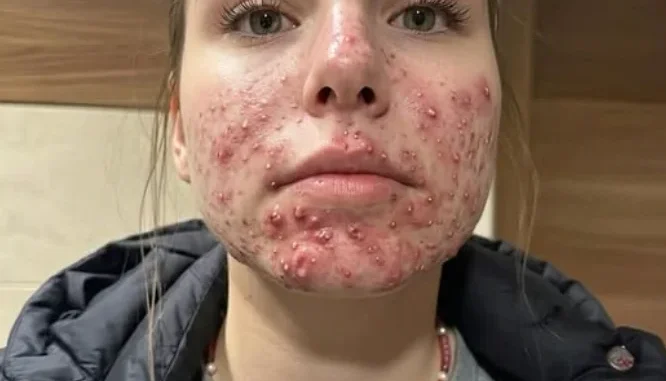
Acne is often thought of as a concern primarily affecting teenagers, but many adults continue to experience breakouts well into their 30s, 40s, and beyond. A particularly stubborn and common area for adult acne is the chin and jawline. Unlike teenage acne, adult chin acne can be persistent and sometimes puzzling, often not responding to typical over-the-counter treatments or changes in skincare routines. Understanding the diverse factors that contribute to this condition can empower individuals to adopt more effective strategies and seek professional guidance if needed.
Causes of Adult Chin Acne
Adult chin acne results from a combination of factors that may vary from person to person. Hormonal fluctuations play a significant role, especially in the lower face area. Androgens, a group of hormones including testosterone, influence the activity of sebaceous glands, which produce sebum—a natural oil intended to protect and moisturize the skin. When these hormones fluctuate, sebaceous glands can produce excess oil, which, combined with dead skin cells, can lead to clogged pores and acne formation.
For women, hormonal changes may occur during menstrual cycles, pregnancy, menopause, or when starting or stopping hormonal contraceptives. Conditions such as polycystic ovary syndrome (PCOS) can also contribute to persistent acne. Men may experience hormonal shifts as they age, which can similarly impact skin oiliness and acne.
Beyond hormones, stress is another notable contributor. Elevated stress levels lead to increased production of cortisol and other stress hormones, which can exacerbate inflammation and oil production in the skin. While stress alone may not cause acne, it can worsen existing breakouts, making management more challenging.
Lifestyle and Skincare Habits
Dietary choices have been studied for their impact on acne, though individual responses vary widely. Diets high in refined carbohydrates and sugars, such as sweets, white bread, and sugary beverages, may exacerbate acne in some people. Dairy consumption has also been linked to acne in certain studies, but this connection is not consistent across all individuals. Maintaining a balanced diet rich in whole foods, vegetables, fruits, and lean proteins supports overall skin health.
Skincare routines can also influence chin acne, sometimes unintentionally. Over-washing the face or using harsh cleansers can strip the skin of its natural oils, leading to irritation and compensatory oil production. Excessive exfoliation or combining multiple acne treatments simultaneously may increase dryness and inflammation, further aggravating the skin. A gentle approach using mild cleansers, moisturizers formulated for acne-prone skin, and introducing active ingredients gradually is generally recommended.
Haircare products can affect the skin around the chin and jawline, especially if they contain pore-clogging ingredients and come into contact with the skin. Residues from shampoos, conditioners, or styling products may contribute to clogged pores. Keeping hair away from the face and rinsing the skin after washing hair can reduce this risk.
Everyday contact with objects such as phone screens, pillowcases, and hands can transfer oils, dirt, and bacteria to the chin area. Regularly cleaning these items, changing pillowcases frequently, and avoiding resting the chin on hands may minimize this type of irritation.
Recognizing When to Seek Medical Advice
While occasional acne is common, persistent, severe, or painful chin acne may warrant evaluation by a healthcare professional or dermatologist. Some skin conditions can mimic acne, and hormonal disorders might require medical attention. A dermatologist can provide accurate diagnosis and recommend appropriate treatments, which may include prescription medications or hormonal therapies.
Effective Ingredients for Managing Chin Acne
Several topical agents have demonstrated effectiveness in treating acne:
- Salicylic Acid: A beta-hydroxy acid that exfoliates inside the pores, helping to clear blockages.
- Benzoyl Peroxide: An antibacterial agent that reduces acne-causing bacteria and inflammation.
- Topical Retinoids (such as adapalene): Promote skin cell turnover, preventing clogged pores.
- Non-comedogenic Moisturizers: Help maintain skin barrier health without contributing to pore blockage.
It is important to introduce these treatments gradually and monitor skin response to avoid excessive dryness or irritation.
Consistency and Patience in Skin Care
Patience is key when managing adult acne. Most treatments take several weeks to show noticeable results. Frequent changes in products can hinder progress and make it difficult to identify effective treatments. Developing a simple, consistent routine tailored to individual skin type and concerns is often the best approach.
Sample routines might include gentle cleansing twice daily, applying a targeted acne treatment in the evening, moisturizing regularly, and using sunscreen during the day. Avoiding unnecessary product layering and scrubbing can reduce irritation.
Final Thoughts
Chin acne in adults can be a complex condition influenced by hormonal, environmental, and lifestyle factors. Understanding the potential triggers and adopting a balanced skincare routine can improve skin health over time. When acne is persistent or severe, consulting a dermatologist can provide personalized care and recommendations. By combining informed self-care with professional guidance, individuals can better manage adult chin acne and promote clearer, healthier skin.
The Role of Environmental Factors in Chin Acne
Environmental influences can subtly but significantly impact skin health and contribute to persistent chin acne. Exposure to pollution, varying humidity levels, and climate changes can affect the skin’s barrier function and oil production. For example, air pollution contains particulate matter and chemicals that can settle on the skin, potentially leading to inflammation and clogged pores. In humid climates, excess moisture combined with sweat may exacerbate acne by creating a breeding ground for bacteria. Conversely, dry and cold environments can impair the skin barrier, causing irritation and increased sensitivity. Incorporating gentle cleansing routines and protective skincare can help mitigate environmental effects.
Understanding Skin Microbiome and Its Impact
Recent research has highlighted the importance of the skin microbiome—the community of microorganisms living on the skin’s surface—in maintaining skin health. Disruption in this delicate balance, such as an overgrowth of acne-associated bacteria like Cutibacterium acnes, may contribute to breakouts. While the microbiome varies among individuals, maintaining a balanced environment through appropriate skincare, avoiding excessive antiseptic products, and ensuring skin hydration can support microbial health. Although the science is still evolving, this perspective encourages a holistic approach to acne management that respects the skin’s natural ecosystem.
The Psychological Impact of Persistent Chin Acne
Living with chronic acne, particularly in visible areas like the chin and jawline, can affect emotional well-being and self-esteem. Adults with persistent acne may experience feelings of embarrassment, frustration, or social anxiety. Recognizing the psychological dimension is important for comprehensive care. Support from healthcare professionals, including dermatologists and mental health providers, can be beneficial. Strategies such as stress management, counseling, and support groups may help individuals cope with the emotional challenges associated with acne.
The Influence of Sleep and Circadian Rhythms on Skin Health
Sleep quality and circadian rhythms play a notable role in skin repair and immune function. Disrupted or insufficient sleep can impair the skin’s ability to recover from daily stressors and may exacerbate inflammatory conditions, including acne. Adequate sleep supports hormone regulation, including cortisol levels, which can influence acne severity. Establishing consistent sleep routines and prioritizing rest may contribute to improved skin condition alongside other treatments.
The Importance of Avoiding Manual Manipulation of Acne
A common behavior that can worsen chin acne is frequent touching, picking, or squeezing of pimples. This manual manipulation can introduce bacteria, increase inflammation, and lead to scarring or hyperpigmentation. Mindfulness about hand-to-face contact and resisting the urge to pick at blemishes is an important preventive measure. For individuals struggling with this habit, techniques such as keeping nails trimmed, using spot treatments, or consulting a dermatologist for professional extraction may be helpful.
Role of Makeup and Cosmetic Products
Makeup and cosmetic products, especially those applied near the chin and jawline, can influence acne development depending on their formulation and usage. Products that are comedogenic or contain irritating ingredients may clog pores or provoke skin sensitivity. Choosing non-comedogenic, fragrance-free, and hypoallergenic formulations can reduce this risk. Additionally, thorough removal of makeup at the end of the day is critical to prevent residue buildup that can contribute to breakouts.
Hormonal Therapies and Medical Treatments for Adult Chin Acne
For individuals whose chin acne is strongly influenced by hormonal factors, medical interventions may be considered under a healthcare provider’s supervision. Hormonal therapies, such as oral contraceptives or anti-androgen medications like spironolactone, can help regulate hormone levels that impact sebum production. These treatments are typically prescribed after thorough evaluation and are not suitable for everyone. Other options include prescription topical agents or oral antibiotics for controlling inflammation and bacterial growth. The choice of therapy depends on acne severity, underlying causes, and patient preferences.
The Role of Professional Dermatological Procedures
In addition to topical and systemic treatments, dermatological procedures can assist in managing persistent chin acne and improving skin texture. These may include chemical peels, laser therapies, light-based treatments, and microneedling. Such procedures are performed by trained professionals and may be used alone or in combination with medications. They can help reduce inflammation, unclog pores, and promote skin regeneration. Patients considering these options should discuss potential benefits, risks, and costs with their dermatologist.
Long-Term Skin Care and Scar Prevention
Managing adult chin acne effectively also involves strategies to prevent long-term skin damage, such as scarring and post-inflammatory hyperpigmentation. Early and consistent treatment of active acne is essential to minimize these risks. Using sunscreens daily protects healing skin from ultraviolet damage, which can worsen pigmentation and scar appearance. Additionally, gentle skincare practices that avoid irritation support the skin’s recovery process. In cases of existing scars, dermatologists can offer treatments like laser resurfacing, fillers, or topical agents to improve skin appearance.
Empowering Individuals Through Education and Realistic Expectations
Understanding adult chin acne as a multifactorial condition can empower individuals to make informed decisions about their skin care and lifestyle. It is important to recognize that there is no quick fix, and managing acne often requires time, patience, and a tailored approach. Reliable information from healthcare professionals and reputable sources can help avoid misinformation and unrealistic expectations often encountered online. Patients are encouraged to communicate openly with their dermatologists, ask questions, and participate actively in their treatment plans for optimal outcomes.
Summary Takeaways for Managing Persistent Chin Acne
- Recognize that adult chin acne is influenced by multiple factors including hormones, stress, environment, and habits.
- Adopt a gentle, consistent skincare routine tailored to your skin type.
- Monitor dietary patterns but avoid drastic eliminations without professional guidance.
- Minimize contact between the chin and potentially irritating surfaces or objects.
- Avoid picking or squeezing pimples to reduce inflammation and scarring.
- Consider professional evaluation for persistent or severe cases to explore medical and procedural treatments.
- Support overall well-being through stress management, adequate sleep, and psychological care if needed.
- Maintain realistic expectations and understand that improvement may take weeks to months.
By combining these strategies, individuals can better navigate the challenges of persistent chin acne and work toward healthier, clearer skin.
The Importance of Hydration for Skin Health
Proper hydration is a foundational aspect of maintaining healthy skin, including managing acne-prone areas like the chin. Drinking adequate water supports skin elasticity, aids in the removal of toxins, and helps maintain the skin’s moisture barrier. While hydration alone will not cure acne, dehydrated skin can become more sensitive and prone to irritation, potentially exacerbating existing breakouts. It is beneficial to complement topical treatments with consistent hydration and to use moisturizers that help lock in moisture without clogging pores.
Understanding the Role of Sunscreen in Acne Management
Sun protection is often overlooked in acne care but is critically important. Exposure to ultraviolet (UV) rays can worsen inflammation, increase redness, and contribute to post-inflammatory hyperpigmentation—dark spots that remain after pimples heal. Using a broad-spectrum sunscreen formulated for acne-prone skin helps protect the skin without adding excess oil or causing breakouts. Physical blockers containing zinc oxide or titanium dioxide are often well tolerated. Regular sunscreen use supports overall skin health and aids in the recovery process.
Exploring the Impact of Smoking and Alcohol on Skin
Lifestyle factors such as smoking and alcohol consumption can negatively affect skin health. Smoking introduces toxins that impair circulation and oxygen delivery to the skin, which may slow healing and increase inflammation. Alcohol can dehydrate the body and skin, potentially aggravating acne for some individuals. While these factors do not directly cause acne, minimizing smoking and moderating alcohol intake can contribute positively to skin condition and overall wellness.
The Role of Exercise and Sweat Management
Regular physical activity benefits skin health by improving circulation and reducing stress. However, sweat left on the skin for prolonged periods can irritate pores and contribute to acne. It is advisable to cleanse the skin gently after exercise to remove sweat, dirt, and bacteria without over-drying. Wearing breathable fabrics and avoiding tight clothing around the jawline can also reduce irritation in the chin area.
Navigating Acne Treatment During Pregnancy and Breastfeeding
Pregnancy and breastfeeding present unique considerations for acne management due to safety concerns with certain medications and treatments. Many common topical and oral acne treatments are contraindicated during these periods. Expectant or nursing mothers should consult healthcare providers to identify safe options, which may include gentle skincare routines and non-pharmacological measures. Understanding these limitations helps in setting realistic expectations and maintaining skin health safely.
Understanding the Variability of Acne Among Different Skin Types and Ethnicities
Acne can manifest differently depending on skin type and ethnicity. For example, individuals with darker skin tones may be more prone to post-inflammatory hyperpigmentation, where acne lesions leave dark marks. Those with sensitive skin may experience increased irritation from certain acne treatments. Tailoring skincare and treatment plans to individual skin characteristics is essential for effectiveness and minimizing adverse effects. Dermatologists with experience in diverse skin types can provide personalized guidance.
Encouraging Mindful Use of Social Media and Online Information
The abundance of acne-related information on social media and online platforms can be overwhelming and sometimes misleading. While these sources may offer support and shared experiences, it is important to approach advice critically. Not all remedies are evidence-based, and some may cause harm or delay effective treatment. Consulting qualified healthcare professionals and relying on reputable sources ensures safe and appropriate care. Educating oneself on media literacy helps in making informed decisions about acne management.
Summary
In addition to the widely recognized factors affecting adult chin acne, attention to hydration, sun protection, lifestyle habits, and individualized care based on skin type further supports effective management. Understanding the limitations and safety considerations during specific life stages, alongside critical evaluation of information sources, empowers individuals in their skincare journey. Integrating these elements fosters a comprehensive and sustainable approach to achieving clearer, healthier skin.