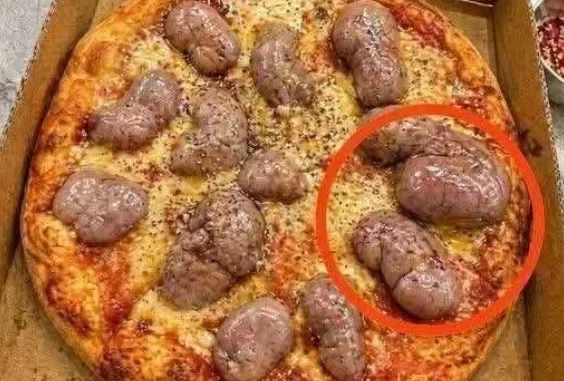
The allure of a freshly baked pizza lies in its combination of crispy crust, savory sauce, melted cheese, and flavorful toppings. For many, ordering pizza is a convenient and comforting dining choice after a busy day. Yet, sometimes the visual appearance of the pizza can spark curiosity, especially when small bubbles appear on the surface of the melted cheese. These bubbles, varying in size and color, can lead to questions about the pizza’s quality and safety. This article explores the reasons behind these bubbles, the science of baking pizza, and practical guidance on enjoying pizza safely.
The Science Behind Pizza Cheese Bubbles
When pizza cheese is introduced to the intense heat of an oven, a complex process unfolds. The cheese contains moisture, fats, and proteins, which respond differently to heat. As the temperature rises, moisture within the cheese starts to evaporate, creating steam. Simultaneously, air pockets trapped within the dough and toppings expand due to the heat. The interaction of steam and expanding air beneath the cheese can cause raised, bubble-like formations on the pizza’s surface.
These bubbles are often glossy and can range from pale to golden brown, depending on how long the pizza has been baked and the temperature it was cooked at. The bubbles are not indicative of spoilage but rather an expected physical reaction during baking.
Role of Cheese Composition and Distribution
Different cheeses respond uniquely to heat due to variations in moisture content, fat levels, and protein structures. Mozzarella, the most commonly used cheese on pizza, is prized for its melting properties and stretchiness. However, the moisture content in mozzarella can vary between fresh and low-moisture varieties, which influences how much steam is released during cooking.
Additionally, the way cheese is applied—whether evenly spread or in thicker clusters—affects bubble formation. Thicker areas are more prone to trapping steam and air, leading to more pronounced bubbles. Understanding these characteristics helps explain why two pizzas from the same pizzeria may look different upon arrival.
Influence of Oven Temperature and Baking Time
Professional pizza ovens often operate at temperatures exceeding 700°F (370°C), significantly higher than typical home ovens. This rapid, high-heat environment causes quick moisture evaporation and air expansion, resulting in distinct bubbles on the cheese surface. In contrast, pizzas baked at lower temperatures for longer periods may develop fewer or smaller bubbles.
The degree of browning around these bubbles is also related to heat exposure. Maillard reactions and caramelization contribute to the development of golden or darker brown spots, which many pizza enthusiasts appreciate for the added flavor and texture contrast.
Impact of Dough and Toppings on Bubble Formation
While cheese bubbles often draw attention, the pizza dough and toppings also play important roles. Dough contains air pockets formed during fermentation, and when heated, these pockets expand, influencing the overall texture and rise of the crust. Moisture released from toppings such as vegetables can add steam beneath the cheese layer, further contributing to bubble formation.
Variations in dough thickness and recipe can affect how heat penetrates the pizza and how moisture moves through the ingredients. Thin-crust pizzas may develop smaller, more uniform bubbles, whereas thicker crusts might encourage larger, less frequent bubbles.
Assessing Food Safety When Bubbles Appear
It is natural to question whether bubbles on pizza cheese indicate spoilage or quality issues. Generally, smooth, golden bubbles are a normal part of the baking process and do not imply the pizza is unsafe to eat. However, food safety should never be judged solely on appearance.
Consumers should inspect the pizza for other signs such as unusual odors, visible mold, or discoloration. Additionally, proper storage and handling are crucial. Pizza should ideally be consumed shortly after baking or refrigerated within two hours to minimize bacterial growth. When stored above 90°F (32°C), refrigeration should occur within one hour.
If pizza has been left out longer than recommended or shows signs of deterioration, it is safer to discard it regardless of the presence or absence of bubbles.
Variations in Bubble Color and Texture
Not all cheese bubbles look the same. Some remain light and glossy, while others develop a toasted appearance with a slightly crisp texture. This difference arises from how the cheese surface interacts with heat and oxygen during baking.
The darker, browned bubbles often have intensified flavors due to the Maillard reaction, which enhances savory notes. For many pizza lovers, these bubbles add an enjoyable textural contrast. However, excessively burnt or charred spots are a sign of overcooking and may negatively impact taste.
Practical Tips for Enjoying Pizza with Cheese Bubbles
Understanding the origin of cheese bubbles can enhance appreciation for the pizza-making process. Here are some tips for consumers:
- Observe the pizza’s overall condition, including smell and visual cues, before eating.
- Recognize that bubbles are a common and harmless feature of baked cheese.
- Store leftover pizza properly by refrigerating within recommended times and reheating thoroughly.
- When ordering pizza, note that variations in oven type and cooking methods can affect appearance.
By keeping these points in mind, one can enjoy pizza confidently and recognize that some visual differences are simply part of the culinary craft.
The Broader Context of Baking and Food Preparation
Bubbles on pizza cheese illustrate the broader principles of cooking physics and chemistry. Heat causes changes in ingredient structure, moisture transitions to steam, and gases expand, all contributing to the textures and appearances we associate with baked foods.
Pizza serves as an excellent example because it combines multiple ingredient types—dough, cheese, sauce, and toppings—each reacting differently under heat. This dynamic interplay creates the final product’s unique characteristics.
For those interested in food science, recognizing these processes can deepen the appreciation of everyday meals and culinary techniques.
Frequently Asked Questions
Are cheese bubbles on pizza a sign of poor quality?
No, bubbles are a common result of heat and moisture interaction during baking and do not necessarily indicate poor quality.
Can the type of cheese affect bubble formation?
Yes, cheeses with higher moisture content tend to produce more steam, which can lead to more prominent bubbles.
Is it safe to eat pizza with browned bubbles on the cheese?
Generally, yes. Browning is a natural reaction to heat and often enhances flavor, provided there are no other signs of spoilage.
Why do some pizzas have more bubbles than others?
Differences in cheese type, dough thickness, toppings, and oven temperature all influence bubble formation.
Should I be concerned if my pizza cheese bubbles are large or numerous?
Large or numerous bubbles are usually normal but should be evaluated along with other freshness indicators such as smell and appearance.
Final Thoughts
The bubbles seen on pizza cheese after baking represent a fascinating intersection of food science and culinary art. Far from being a flaw, these bubbles are typical indicators of how heat, moisture, and air interact during cooking. By understanding the factors that contribute to bubble formation, consumers can better appreciate the pizza they enjoy and make informed decisions about food safety. Proper storage and sensory evaluation remain essential for ensuring a safe and satisfying pizza experience. Ultimately, these small details reveal the complexity behind a seemingly simple and beloved dish.
Exploring the Historical Context of Pizza Baking Techniques
The phenomenon of bubbles on pizza cheese is not just a modern curiosity but is linked to centuries of pizza-making evolution. Traditional Neapolitan pizza, cooked in wood-fired ovens reaching temperatures around 900°F (482°C), often exhibits prominent bubbles in the crust and toppings. These ovens create intense heat that rapidly cooks the pizza, encouraging steam and air expansion beneath the cheese and dough. Understanding these historical baking methods provides insight into why certain textures and appearances, including cheese bubbles, are valued as markers of authentic pizza.
Moreover, regional differences in pizza styles influence bubble formation. For example, New York-style pizzas, baked at lower temperatures and often with thinner crusts, may show fewer or smaller cheese bubbles compared to their Neapolitan counterparts. This reflects how cultural preferences and available technology shape the sensory qualities of pizza.
The Role of Ingredient Quality and Preparation
While oven temperature and cheese type are significant, the quality and preparation of ingredients also play crucial roles in bubble development. High-quality, fresh mozzarella with balanced moisture content tends to melt evenly and produce predictable bubbling patterns. Conversely, lower-quality cheeses or those subjected to excessive processing might behave unpredictably when heated.
Additionally, how ingredients are prepared before assembly affects moisture release. For instance, vegetables like mushrooms or tomatoes contain high water content; if not properly drained or pre-cooked, they can introduce excess moisture, increasing steam formation under the cheese. Similarly, the dough’s hydration level—how much water it contains—affects how much steam is generated during baking.
Understanding these factors can help both home cooks and professional pizzaiolos optimize their recipes to achieve desired textures and appearances, including the characteristic cheese bubbles.
Modern Innovations and Their Impact on Bubble Formation
Advancements in pizza-making technology and ingredients have introduced new variables into the bubble formation equation. For example, the use of gas or electric ovens with precise temperature controls allows for consistent baking conditions, potentially reducing variability in bubble size and distribution.
Furthermore, some artisanal and commercial pizzas incorporate cheese blends or alternative cheeses, each with unique melting behaviors. Cheeses like provolone, fontina, or vegan alternatives may produce different bubbling effects due to their distinct moisture and fat compositions.
These innovations expand the diversity of pizza experiences but also require an understanding that bubble characteristics may differ from traditional mozzarella-based pizzas. This highlights the importance of consumer education about what to expect visually and texturally from various pizza styles.
Media Literacy: Interpreting Food Images and Expectations
In the age of social media and food photography, consumers often form expectations based on images that may or may not represent typical pizza appearances. Photos showing perfectly smooth cheese surfaces without bubbles might set unrealistic standards, leading some to question the quality of pizzas that display natural bubbling.
It is essential for consumers to recognize that food presentation can be influenced by many factors, including lighting, photography techniques, and selective editing. Bubbles on pizza cheese are a natural and common occurrence and can indicate a well-cooked pizza rather than a flawed one.
Developing media literacy around food images helps consumers make informed choices and reduces unnecessary concerns stemming from visual differences.
Careers and Expertise in Pizza Making
Professional pizzaiolos develop a nuanced understanding of how dough, cheese, toppings, and oven conditions interact. Their expertise allows them to manipulate factors such as dough fermentation time, cheese selection, and oven temperature to achieve desired results, including the strategic formation or minimization of cheese bubbles.
For those interested in culinary careers, studying these interactions provides valuable knowledge in food science and artisanal techniques. Mastery in pizza making combines practical skills with an appreciation of the underlying chemistry and physics, exemplified by phenomena such as cheese bubbling.
Legacy and Cultural Significance of Pizza Characteristics
The textures and appearances of pizza, including cheese bubbles, carry cultural significance. In many pizza-loving societies, certain bubble patterns are associated with authenticity, quality, and traditional craftsmanship. For example, the blistered cheese bubbles on a Neapolitan pizza are often celebrated as a hallmark of genuine preparation.
These sensory markers contribute to the cultural identity of pizza and influence consumer expectations. Appreciating the legacy behind such characteristics enriches the dining experience and fosters respect for culinary traditions.
Practical Takeaways for Consumers
- Recognize that bubbles on pizza cheese are typically a normal and harmless part of baking.
- Consider the type of pizza, ingredients, and cooking methods when evaluating appearance.
- Prioritize food safety by assessing smell, storage history, and visible signs of spoilage rather than relying solely on visual features like bubbling.
- Embrace the diversity of pizza appearances as reflections of different styles and preparation methods.
- Understand that personal preferences vary; some may enjoy bubbly, browned cheese, while others prefer smooth surfaces.
By integrating scientific understanding, cultural context, and practical safety considerations, consumers can enjoy pizza with greater confidence and appreciation for its complexities.