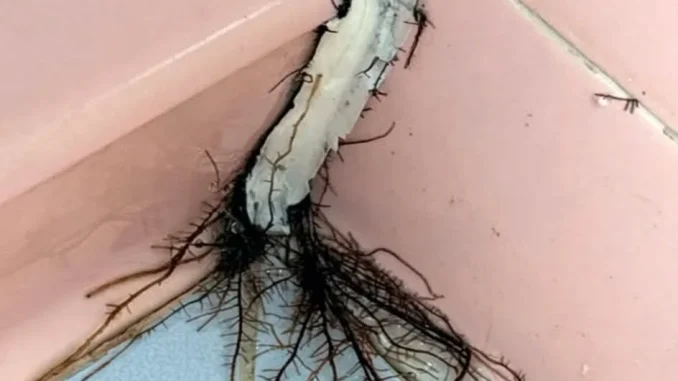
In many homes, the boundary between the built environment and nature is clear-cut—walls, floors, and ceilings separate living spaces from the outside world. Yet, sometimes this boundary blurs in unexpected ways. One such occurrence is when plant roots find their way indoors, penetrating cracks in tiles and floors, driven by moisture beneath the surface. This article delves into the causes, implications, and practical considerations surrounding this subtle yet intriguing form of nature’s persistence.
Understanding Plant Roots in Indoor Spaces
Roots are the subterranean lifelines of plants, responsible for anchoring and absorbing water and nutrients from the soil. Typically, roots remain underground or within planters, but under certain conditions, they can extend into cracks and crevices in man-made structures. When indoor areas maintain high moisture levels, such as bathrooms or basements, they can become surprisingly attractive to roots seeking water.
Moisture as a Key Factor
Moisture is an essential element for root growth. In homes, areas like bathrooms, kitchens, or spaces with plumbing can provide consistent dampness. Even minor leaks or condensation can create microenvironments conducive to root invasion. Over time, roots can exploit tiny, often microscopic, cracks in tile grout, concrete, or flooring materials, gradually expanding and making their presence known.
Identifying Root Intrusion
Detecting roots beneath tiles or flooring can be challenging. Initially, the signs may present as unusual patterns resembling mold, cobwebs, or fine fibers. However, closer inspection often reveals that these are organic roots, distinguishable by their fine, thread-like structure and sometimes deliberate patterning. Unlike typical mold, roots have a structural purpose and can cause physical damage over time.
Implications for Homeowners
While roots entering indoor spaces do not necessarily indicate severe damage immediately, they signal a breach in the home’s protective barriers. Over time, root growth can exacerbate cracks, loosen tiles, or damage plumbing systems. Moreover, the presence of roots indoors reminds us of the persistent interaction between our built environment and the natural world, highlighting areas where moisture control and maintenance are critical.
Preventative Measures and Maintenance
To mitigate root intrusion, homeowners should focus on controlling moisture levels and maintaining the integrity of flooring and wall materials. Regular inspections for leaks, proper ventilation, and timely repairs of grout or sealants can discourage root growth. Landscaping choices near the foundation can also influence root behavior; planting trees or shrubs with aggressive root systems too close to the house may increase the risk.
Addressing Existing Root Growth
If roots are discovered beneath tiles or flooring, professional assessment is advisable. Specialists can determine the extent of root penetration and recommend appropriate remediation, which may include removing affected materials, repairing cracks, or treating the underlying soil. Early intervention can prevent more extensive damage and costly repairs.
Broader Reflections on Nature and the Built Environment
The phenomenon of roots growing indoors serves as a reminder of nature’s resilience and adaptability. Regardless of human efforts to create sealed, controlled living spaces, natural forces continue to interact with and influence our environments. Understanding these interactions can foster better design, maintenance, and appreciation for the dynamic relationship between homes and their surrounding ecosystems.
Conclusion
Plant roots invading indoor spaces may initially surprise or unsettle homeowners, but they represent a natural process driven by moisture and opportunity. Recognizing the signs, understanding the causes, and taking proactive steps can help maintain the integrity of homes while respecting the persistent presence of nature. By balancing vigilance and care, homeowners can preserve their living environments and coexist harmoniously with the natural world just beyond their walls.
The Role of Building Materials in Root Intrusion
The susceptibility of a home to root intrusion is often linked to the types of materials used in its construction. Porous materials such as concrete, natural stone, and certain types of grout can absorb moisture, creating a favorable environment for roots to thrive. Conversely, non-porous materials like ceramic tiles or well-sealed surfaces can provide resistance, though cracks or imperfections in these materials can still serve as entry points. Understanding the properties of building materials can help homeowners and builders make informed decisions to reduce the risk of root infiltration.
Impact of Root Intrusion on Indoor Air Quality
While the physical presence of roots inside a home primarily raises concerns about structural integrity, it can also affect indoor air quality. Roots can harbor mold spores or fungi, especially in damp environments, which may release allergens or irritants into the air. Although root growth itself is not directly harmful, the associated moisture and microbial activity can contribute to indoor air quality issues. Homeowners noticing unusual odors or increased humidity should consider the possibility of hidden root or moisture problems and seek professional evaluation.
Environmental and Ecological Considerations
Root intrusion indoors highlights the broader ecological interactions between human habitats and natural ecosystems. Trees and plants near homes play vital roles in providing shade, improving air quality, and supporting biodiversity. However, their root systems can extend far beyond the visible canopy, sometimes conflicting with built structures. Balancing ecological benefits with structural concerns requires thoughtful landscaping and urban planning. Selecting native plant species with less aggressive root systems and maintaining a buffer zone between large plants and foundations can help harmonize these interests.
Technological Advances in Detection and Repair
Modern technology offers new tools for detecting and managing root intrusion. Ground-penetrating radar (GPR) and infrared thermography can identify moisture and root presence beneath floors without invasive procedures. These diagnostic methods allow for early intervention, reducing repair costs and damage extent. Additionally, advances in sealants and waterproofing materials provide better protection against moisture ingress, limiting opportunities for root penetration. Homeowners and professionals can leverage these innovations to enhance maintenance strategies.
The Psychological Impact of Discovering Roots Indoors
Finding roots growing inside a home can evoke a range of emotional responses, from curiosity and fascination to discomfort and unease. This reaction stems partly from the unexpected merging of natural and domestic spaces, challenging perceptions of control and cleanliness. Acknowledging these feelings is important for homeowners, as it may influence decisions about remediation and future maintenance. Education about the natural causes and manageable nature of root intrusion can alleviate anxiety and foster a proactive approach.
Case Studies: Root Intrusion in Different Climates and Home Types
Root intrusion is not limited to a specific geographic region; it can occur in various climates and building styles. For example, homes in humid, temperate areas with abundant vegetation may experience more frequent root issues due to persistent moisture. In contrast, arid regions might see root intrusion primarily near irrigated landscapes or plumbing leaks. Additionally, older homes with aging materials may be more vulnerable compared to newer constructions with advanced waterproofing. Studying diverse case examples helps build a comprehensive understanding of root intrusion dynamics.
Recommendations for Homebuyers and Real Estate Professionals
Awareness of root intrusion risks can be valuable during property transactions. Homebuyers should consider inspections that include moisture and structural assessments, especially in areas prone to high humidity or extensive vegetation. Real estate professionals can educate clients about preventive measures and potential signs of root problems. Incorporating such considerations into property evaluations promotes informed decisions and long-term satisfaction.
Long-Term Maintenance Strategies
Sustaining a home free from root-related damage requires ongoing attention. Regularly monitoring moisture levels, inspecting grout and seals, and maintaining landscaping are key components of a long-term maintenance plan. Employing professional services periodically can catch early signs of intrusion before they escalate. Integrating moisture management systems, such as dehumidifiers or improved drainage, further supports a root-resistant environment.
Educational Outreach and Community Awareness
Communities can benefit from educational programs that raise awareness about the interplay between homes and natural surroundings. Workshops, informational materials, and collaboration with environmental experts can empower residents to manage root intrusion effectively. Such outreach fosters community resilience, promotes sustainable landscaping, and enhances overall quality of life.
Future Research and Innovations
Ongoing research into plant biology, material science, and building engineering continues to shed light on root intrusion mechanisms and prevention. Innovations such as bioengineered barriers, root-inhibiting soil treatments, and smart home sensors for moisture detection hold promise for reducing the incidence and impact of roots indoors. Supporting interdisciplinary research and technology development can lead to more effective solutions in the coming years.
Summary and Final Thoughts
The gradual encroachment of plant roots into indoor spaces is a testament to nature’s persistence and the complexity of human-environment interactions. While it poses challenges to home integrity and comfort, understanding the phenomenon empowers homeowners to respond thoughtfully. Through informed material choices, vigilant maintenance, technological aids, and ecological mindfulness, it is possible to balance the benefits of natural surroundings with the safety and stability of our living spaces. Embracing this balance enriches our relationship with the environment and fosters homes that coexist harmoniously with the living world beyond their walls.
Legal and Insurance Considerations Regarding Root Intrusion
Homeowners facing root intrusion issues should also consider the legal and insurance implications. Some homeowner insurance policies may cover damage caused by root growth, especially if it leads to structural damage or plumbing issues. However, coverage varies widely, and root intrusion is often considered a maintenance issue rather than sudden damage. It is advisable to review insurance policies carefully and consult with providers to understand coverage limits and exclusions. Additionally, local building codes or homeowner association rules may contain guidelines about landscaping practices or structural maintenance that affect root management. Staying informed about these legal and insurance aspects can help homeowners avoid unexpected expenses and liabilities.
The Role of Professional Landscaping in Preventing Root Intrusion
Engaging professional landscapers can be a proactive step in preventing root problems. Experts can assess the types of plants near a home and recommend species with less aggressive root systems. They can also advise on proper planting distances from foundations and install root barriers where necessary. Root barriers, usually made of plastic or metal sheets, physically block roots from growing into sensitive areas. Properly designed landscaping not only reduces root intrusion risks but also enhances the aesthetic and environmental value of the property. Homeowners should seek professionals with experience in integrating ecological sensitivity with structural protection.
Root Intrusion in Historical and Heritage Buildings
Older or heritage buildings face unique challenges with root intrusion due to their construction methods and materials. Many historic structures use materials like lime mortar or unreinforced stonework that are more vulnerable to moisture and root penetration. Preservation efforts must balance protecting these buildings from root damage while maintaining their architectural integrity. Specialized conservation techniques may include careful removal of roots, repairing cracks with compatible materials, and managing surrounding vegetation sensitively. Collaboration between preservationists, arborists, and structural engineers is often necessary to address root intrusion without compromising historical value.
Psychological and Cultural Perspectives on Nature Invading Indoor Spaces
The experience of discovering natural elements like roots inside a home can evoke varied psychological and cultural responses. In some cultures, such occurrences might be interpreted symbolically, associating roots with growth, connection, or even spiritual presence. Conversely, in other contexts, they may be seen as a sign of neglect or decay. Understanding these perspectives can help homeowners contextualize their feelings and choose responses aligned with their values. From a psychological standpoint, acknowledging discomfort and seeking information can reduce anxiety and promote constructive action.
Educational Resources and Further Reading
For those interested in learning more about root biology, home maintenance, and environmental landscaping, numerous resources are available. Extension services from universities often provide practical guides on plant root management and home moisture control. Environmental organizations may offer insights into sustainable landscaping and native plant selection. Additionally, architectural and engineering publications discuss advances in building materials and moisture barriers. Engaging with these educational materials can empower homeowners, builders, and landscapers to make informed decisions that balance home protection with ecological awareness.
The Impact of Climate Change on Root Intrusion Dynamics
Emerging research suggests that climate change may influence root growth patterns and moisture conditions, potentially impacting the frequency and severity of root intrusion in homes. Changes in precipitation patterns, increased humidity, and temperature fluctuations can alter soil moisture levels and plant behavior. In some regions, more intense rainfall might lead to greater soil saturation, encouraging root expansion toward moisture sources such as building foundations. Conversely, drought conditions might cause roots to seek water more aggressively. Understanding these evolving dynamics underscores the importance of adaptable home maintenance strategies and resilient landscaping practices.
Technological Integration for Ongoing Monitoring
The integration of smart home technology offers promising avenues for early detection and management of root intrusion. Sensors that monitor moisture levels, structural movement, or humidity can provide real-time data to homeowners and maintenance professionals. Coupled with mobile applications, these systems can alert users to potential issues before visible damage occurs. Such proactive monitoring supports timely interventions, reducing repair costs and preserving home integrity. As technology advances, the accessibility and affordability of these monitoring tools are expected to improve, making them valuable components of comprehensive home care.
Summary
Addressing plant root intrusion in indoor spaces requires a multifaceted approach that includes legal awareness, professional landscaping, historical preservation considerations, psychological understanding, and education. As environmental and technological factors evolve, so too must strategies for managing the delicate interface between nature and our built environments. Homeowners equipped with knowledge, resources, and technology can effectively mitigate risks while appreciating the natural processes that continue to shape their living spaces.