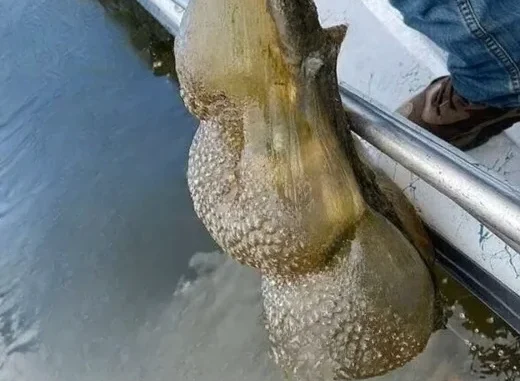
Freshwater ecosystems often contain a variety of organisms that remain unseen or unrecognized by casual observers. Recently, visitors to McGee Creek Reservoir in Atoka County, Oklahoma, noticed unusual jelly-like clusters attached to submerged tree branches. These gelatinous formations sparked curiosity and speculation among boaters and nature enthusiasts. Upon closer scientific examination, these blobs were identified as colonies of bryozoans, tiny aquatic animals that have thrived in freshwater environments for hundreds of millions of years.
Understanding Bryozoans: Tiny Architects of Freshwater Habitats
Bryozoans are small, colonial animals made up of numerous individual units called zooids. Each zooid is a tiny organism that functions as part of a larger colony. These colonies attach themselves to various submerged surfaces such as rocks, aquatic plants, and tree branches. The gelatinous, often translucent appearance of the colony comes from a soft outer layer that protects the delicate zooids inside.
The size and color of bryozoan colonies can vary significantly depending on species and environmental conditions. Some may appear as small wisps, while others form conspicuous clusters that can be easily seen underwater. Despite their unusual appearance, bryozoans are a natural and widespread component of freshwater ecosystems across North America.
Feeding Mechanisms and Ecological Contributions
One of the most intriguing aspects of bryozoans is their method of feeding. Each zooid possesses a structure known as a lophophore—a crown of fine, hair-like tentacles surrounding the mouth. These tentacles filter microscopic particles such as algae, bacteria, and organic debris from the surrounding water.
By filtering water in this way, bryozoans contribute to the processing of organic matter and help maintain the balance of aquatic ecosystems. While they are not a substitute for natural water purification processes, their filter-feeding behavior supports a healthy freshwater environment. Additionally, bryozoan colonies provide microhabitats that offer shelter and surfaces for other small aquatic organisms, enriching biodiversity beneath the water’s surface.
Safety and Human Interaction
For those who encounter these jelly-like masses during recreational activities, it is reassuring to know that bryozoans are harmless to humans. They do not possess stingers or toxins and do not pose any direct threat to swimmers or boaters. Nonetheless, standard water safety practices—such as avoiding ingestion of untreated water and washing hands after contact with aquatic materials—are always recommended.
It is also advisable to avoid transferring aquatic plants or animals between different water bodies to prevent the accidental spread of non-native species. Observing bryozoan colonies without disturbing them is the best approach to appreciating these creatures.
Environmental Factors Influencing Bryozoan Growth
Bryozoan colonies require suitable surfaces for attachment, and submerged tree branches in McGee Creek Reservoir provided such habitats. Factors like water temperature, nutrient availability, and seasonal changes influence their growth patterns. Colonies often become more prominent during warmer months but can vary depending on local conditions.
The presence of bryozoans is generally an indicator of a functioning ecosystem, although it should not be used as a sole measure of water quality. Their growth reflects the complexity and richness of life in freshwater habitats.
Survival Strategies Across Geological Time
Bryozoans have existed for an extraordinary length of time, with fossil records dating back approximately 470 million years to the Ordovician Period. This longevity is partly due to their unique survival mechanisms.
Freshwater bryozoans produce dormant structures known as statoblasts—resilient capsules that enable them to withstand adverse conditions such as freezing temperatures or drought. When favorable conditions return, these statoblasts can develop into new colonies, ensuring the persistence of bryozoan populations across seasons and environmental fluctuations.
Ecological Significance and Research Opportunities
The role of bryozoans extends beyond simple filter feeding. Their colonies influence interactions among microorganisms, aquatic plants, and invertebrates, contributing to the overall health and stability of freshwater ecosystems. Scientists study bryozoans to gain insights into ecological dynamics, water quality, and biodiversity.
However, interpreting their presence requires a comprehensive understanding of various environmental factors, including chemical composition, oxygen levels, and habitat integrity. Bryozoans are one piece of a complex ecological puzzle.
Guidelines for Observing Unfamiliar Aquatic Organisms
If you encounter unusual jelly-like growths in lakes or reservoirs, consider the following steps to enhance your understanding:
- Observe carefully from a safe distance, noting color, shape, and attachment points.
- Take photographs from multiple angles to assist with identification.
- Refrain from handling or disturbing the organism unnecessarily.
- Consult local wildlife authorities, natural resource departments, or university extension services for expert identification.
These practices help protect aquatic ecosystems while fostering public awareness and appreciation of freshwater biodiversity.
A Glimpse into the Hidden Life of Lakes
The discovery of bryozoan colonies in Oklahoma’s McGee Creek Reservoir highlights the richness and complexity of freshwater environments. While their appearance may initially evoke curiosity or concern, understanding these ancient, harmless animals reveals their important ecological role.
By filtering microscopic particles, providing habitat structure, and enduring environmental changes through sophisticated survival strategies, bryozoans exemplify the resilience and interconnectedness of aquatic life. Their presence invites us to look closer beneath the water’s surface and appreciate the diverse organisms that sustain freshwater ecosystems.
Next time you notice an unfamiliar formation in a lake or pond, remember that it could be a fascinating example of nature’s ingenuity rather than a cause for alarm. Exploring and learning about these organisms enriches our connection to the natural world and encourages responsible stewardship of our aquatic resources.
Bryozoans in the Broader Context of Aquatic Biodiversity
While bryozoans might not be as widely recognized as fish or aquatic plants, their presence is integral to the biodiversity and functioning of freshwater ecosystems. They coexist with a variety of other aquatic invertebrates such as freshwater sponges, mollusks, and insect larvae, each playing distinct roles. This complex web of interactions ensures ecosystem stability and resilience. For instance, bryozoans may compete with other filter feeders for food resources, or they might serve as a food source for certain invertebrates and small fish, thus contributing to the aquatic food chain.
Understanding the diversity within bryozoans themselves also sheds light on freshwater biodiversity. Different species have adapted to specific environmental conditions, ranging from slow-moving streams to large reservoirs. This adaptability underscores the importance of maintaining diverse and healthy aquatic habitats to support such specialized life forms.
The Role of Citizen Science in Monitoring Freshwater Organisms
Discoveries like the bryozoan colonies in McGee Creek Reservoir highlight the valuable role that citizen scientists and recreational lake users play in monitoring freshwater ecosystems. Observant visitors who take note of unusual organisms can provide early warnings of ecological changes, invasive species, or new occurrences of native species.
Many wildlife agencies and environmental organizations encourage the public to report sightings of aquatic life through apps or online platforms. These contributions help scientists track species distribution and assess environmental health over time. Engaging with local natural resource departments or university programs can empower communities to participate actively in conservation efforts.
By documenting and sharing observations, citizens not only contribute to scientific knowledge but also foster a deeper appreciation for the natural environment.
Implications for Freshwater Management and Conservation
The presence of bryozoans, while harmless, offers insights for freshwater management. For example, their sensitivity to pollution and environmental disturbance can make them useful bioindicators under certain conditions. Changes in bryozoan populations may signal shifts in water quality, habitat structure, or nutrient availability.
However, managers must use comprehensive approaches that include multiple biological and chemical indicators to accurately assess ecosystem health. Factors such as invasive species, habitat fragmentation, and climate change also affect freshwater environments and require coordinated management strategies.
Conservation efforts aimed at protecting the natural features of lakes and reservoirs, including maintaining submerged woody debris and aquatic vegetation, support the habitats bryozoans and other organisms depend on. Public education about the importance of aquatic biodiversity can also promote responsible recreational practices that minimize human impact.
Educational Opportunities and Encouraging Curiosity
The discovery of bryozoan colonies provides an excellent educational opportunity for schools, nature centers, and environmental programs. Exploring such organisms encourages curiosity about aquatic life and fosters scientific literacy.
Hands-on activities like observing pond samples, identifying various freshwater species, or participating in guided nature walks can deepen understanding and respect for local ecosystems. Teaching about the ancient lineage and survival strategies of bryozoans also connects learners with evolutionary biology and ecological concepts.
Moreover, discussing the importance of preserving natural habitats helps cultivate stewardship values among young people and community members.
Broader Evolutionary Significance of Bryozoans
From an evolutionary perspective, bryozoans are part of a larger superphylum called Lophotrochozoa, which includes diverse animals such as mollusks and annelid worms. Their long fossil record provides valuable information about the development of early multicellular life and the evolution of colonial living.
Studying bryozoan fossils helps paleontologists understand changes in marine and freshwater environments over geological time scales. The persistence of bryozoans through multiple mass extinction events demonstrates their adaptability and evolutionary success.
This deep-time perspective enriches our appreciation of contemporary freshwater ecosystems as dynamic systems shaped by millions of years of biological history.
Practical Advice for Recreational Users and Naturalists
For those enjoying freshwater lakes and reservoirs, encountering unfamiliar organisms like bryozoan colonies can be an intriguing experience. To safely and responsibly engage with these environments, consider the following practical tips:
- Maintain a respectful distance to avoid disturbing wildlife and their habitats.
- Use waterproof cameras or smartphones to capture images rather than removing specimens.
- Familiarize yourself with local aquatic species through field guides or online resources to enhance identification skills.
- Participate in local environmental workshops or citizen science projects to learn more and contribute to conservation.
By adopting these practices, recreational users can help protect freshwater ecosystems while enriching their own outdoor experiences.
Conclusion: Embracing the Complexity of Freshwater Life
The jelly-like bryozoan colonies spotted in Oklahoma’s McGee Creek Reservoir serve as a reminder that freshwater environments harbor a rich and often overlooked diversity of life. Far from being strange anomalies, these ancient animals illustrate the complexity and resilience of aquatic ecosystems.
Recognizing and appreciating such organisms encourages a broader perspective on environmental stewardship. It fosters informed curiosity, supports scientific inquiry, and promotes the sustainable enjoyment of natural resources.
As we continue to explore and study freshwater habitats, embracing the unknown with openness and respect will lead to greater knowledge and a stronger connection to the natural world.
Potential Challenges Facing Bryozoan Populations
Despite their resilience and long evolutionary history, bryozoan populations face several challenges in modern freshwater environments. Human activities such as pollution, habitat alteration, and the introduction of invasive species can impact their habitats and food sources. For example, increased nutrient runoff from agricultural areas can lead to algal blooms, which may temporarily increase food availability but ultimately degrade water quality and reduce oxygen levels, negatively affecting bryozoans and other aquatic life.
Construction, dredging, and water level management in reservoirs and lakes can disturb the submerged surfaces bryozoans depend on for attachment. Removing woody debris or altering aquatic vegetation reduces available habitat, which can limit colony establishment and growth. Additionally, climate change introduces new stressors by altering temperature regimes and precipitation patterns, potentially disrupting seasonal cycles that bryozoans rely on for reproduction and survival.
Understanding these pressures is essential for developing conservation strategies that support not only bryozoans but entire freshwater ecosystems. Maintaining natural shoreline vegetation, minimizing pollutant inputs, and preserving submerged structures can help protect the integrity of bryozoan habitats.
Contributions to Scientific Research and Monitoring Programs
Bryozoans also offer valuable opportunities for scientific research and environmental monitoring. Their sensitivity to environmental changes makes them useful bioindicators in ecological studies. Researchers can assess bryozoan community composition and abundance to detect shifts in water quality or habitat conditions over time.
Moreover, bryozoans’ fossil record provides paleobiologists with insights into historical climate and environmental dynamics. Studying both modern and fossil bryozoans enhances understanding of ecological resilience and adaptation mechanisms across geological epochs.
In recent years, advances in molecular biology have allowed scientists to explore the genetic diversity within bryozoan populations, shedding light on their evolutionary relationships and responses to environmental stressors. These findings contribute to broader knowledge about biodiversity and species conservation in freshwater ecosystems.
Educational and Outreach Initiatives
Given their intriguing biology and ecological significance, bryozoans can serve as engaging subjects in environmental education and outreach. Incorporating bryozoan studies into school curricula or community science programs can inspire interest in aquatic biology and conservation.
Hands-on activities such as collecting pond water samples, observing colonies under microscopes, and identifying local freshwater species can foster scientific curiosity and environmental stewardship among students and the general public. Educational materials highlighting bryozoans’ ancient lineage and survival strategies help connect learners to evolutionary concepts and the importance of biodiversity.
Community events focused on lake health and biodiversity can also include information about bryozoans, promoting awareness of the diversity of life that supports ecosystem functioning. Such efforts encourage responsible behavior by recreational users and support for conservation initiatives.
Technological Tools Supporting Identification and Engagement
Modern technology offers valuable tools for identifying and learning about bryozoans and other freshwater organisms. Smartphone applications equipped with image recognition capabilities enable users to upload photos and receive preliminary identifications, facilitating citizen science participation.
Online databases maintained by universities and wildlife agencies provide resources such as species descriptions, distribution maps, and ecological information. These platforms support both amateur naturalists and professional researchers by consolidating knowledge and encouraging data sharing.
Social media and digital forums create spaces for enthusiasts to discuss observations, exchange information, and collaborate on conservation efforts. By leveraging technology, communities can deepen their connection to freshwater ecosystems and contribute meaningfully to scientific understanding.
Final Reflections on Appreciating Freshwater Biodiversity
The discovery of jelly-like bryozoan colonies in Oklahoma’s McGee Creek Reservoir exemplifies the richness hidden beneath the surface of freshwater habitats. Such findings remind us that ecosystems are composed of myriad interacting species, each with unique adaptations and histories.
Acknowledging the presence and roles of less conspicuous organisms like bryozoans broadens our appreciation of biodiversity and ecosystem complexity. This perspective supports holistic environmental management and nurtures a sense of wonder and responsibility toward the natural world.
As we continue to explore and protect freshwater environments, embracing both the familiar and the enigmatic inhabitants will enrich our knowledge and inspire sustainable stewardship for generations to come.