Exploring Local Lakes: More Than Just Water and Wildlife
Village lakes often serve as peaceful retreats where residents enjoy nature’s tranquility. These bodies of water, whether naturally formed or artificially created, provide habitats for various forms of wildlife, contributing to local biodiversity. Occasionally, a closer look reveals fascinating natural processes that might initially seem puzzling but hold important ecological significance.
The Curious Case of Gelatinous Clusters
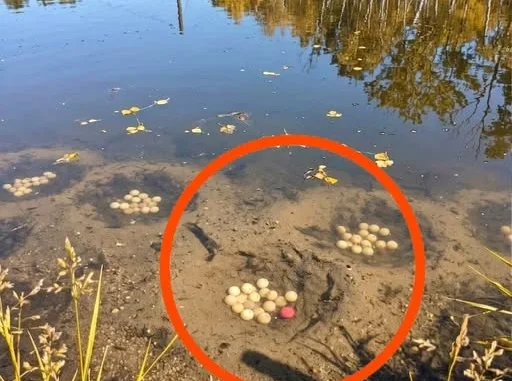
During a routine visit to a village lake, one might notice unusual, pale, translucent clusters scattered across the shallow water. At first glance, these formations may resemble mysterious eggs or foreign objects resting beneath the surface. Their somewhat organized grouping and appearance can prompt questions about their origin and purpose.
Upon closer inspection, these clusters are often identified as amphibian egg masses. Unlike the familiar hard-shelled eggs of birds or reptiles, amphibian eggs are enveloped in a jelly-like substance that protects the developing embryos within. These gelatinous masses float or remain anchored in calm waters, serving as nurseries for future generations of frogs, toads, or salamanders.
Understanding Amphibian Reproduction
Amphibians typically lay their eggs in water to ensure the embryos remain hydrated and protected. The jelly coating surrounding the eggs acts as a barrier against environmental threats such as dehydration, temperature fluctuations, and some predators. Additionally, this coating facilitates oxygen exchange, which is vital for the embryos’ development.
The size, shape, and arrangement of these egg masses can vary depending on the species. Some species lay eggs in large clusters, while others produce long strings or smaller groups. Observing these differences can be an engaging challenge for nature enthusiasts and biologists alike.
Ecological Significance of Amphibians
Amphibians play a crucial role in maintaining balanced ecosystems. They often serve as both predators and prey, controlling insect populations while providing sustenance for birds, fish, and mammals. Their permeable skin makes them sensitive to environmental changes, which is why their presence and reproductive success can serve as indicators of ecosystem health.
The appearance of egg masses in a local lake can thus signal that the water quality and surrounding habitat are supportive of wildlife. This is particularly encouraging in areas where natural wetlands have diminished, and artificial lakes have become vital refuges for native species.
Artificial Lakes as Wildlife Habitats
Artificial or man-made lakes are frequently created for recreational, agricultural, or aesthetic purposes. Over time, these water bodies can develop complex ecosystems as plants, animals, and microorganisms colonize the area. Frogs and toads often take advantage of such environments for breeding, especially when natural wetlands are scarce.
This natural colonization process highlights nature’s resilience and adaptability. Even constructed environments can evolve into valuable habitats, supporting biodiversity and offering opportunities for environmental education and observation.
The Value of Observation and Patience
Discovering amphibian egg masses requires a keen eye and a willingness to look beyond the surface. Initial impressions of unfamiliar natural phenomena can lead to curiosity or even concern. However, careful observation, research, and understanding reveal the beauty and complexity of life cycles that often go unnoticed.
By paying attention to these details, individuals can deepen their appreciation for local wildlife and contribute to conservation awareness. Such experiences encourage responsible stewardship of natural and artificial environments alike.
The Cycle of Life Beneath the Water
Each egg mass represents the start of a new generation. Within the protective jelly, tiny embryos develop into tadpoles, eventually transforming into adult amphibians. This process is a fundamental component of aquatic and terrestrial ecosystems, supporting food webs and contributing to biodiversity.
Witnessing these stages in local lakes connects observers to the broader rhythms of nature, reminding us that even familiar places hold remarkable stories of growth, adaptation, and survival.
Conclusion: Embracing Nature’s Subtle Wonders
The discovery of gelatinous egg masses in a village lake is a doorway into understanding amphibian life cycles and the ecological roles these creatures fulfill. What might initially appear mysterious is, in reality, a natural and essential part of the environment.
Such observations underscore the importance of maintaining healthy habitats—both natural and artificial—to support wildlife. They also invite us to engage with our surroundings thoughtfully, fostering curiosity and respect for the delicate balance of life that thrives just beneath the water’s surface.
By embracing patience and inquiry, we can transform everyday outdoor experiences into meaningful connections with the natural world, enriching our knowledge and appreciation of the ecosystems that sustain us all.
Amphibian Conservation Challenges and Efforts
Despite their ecological importance, amphibians worldwide face numerous threats that have led to alarming declines in many species. Habitat loss due to urbanization, agriculture, and pollution disrupts breeding sites and reduces suitable living areas. Additionally, climate change alters temperature and precipitation patterns, affecting amphibian reproductive cycles and survival rates.
Emerging infectious diseases, such as chytridiomycosis caused by the chytrid fungus, have devastated amphibian populations in various regions. This disease interferes with the skin function of amphibians, which is critical for respiration and hydration. Conservationists and researchers are actively studying these threats to develop strategies aimed at mitigating impacts and preserving amphibian biodiversity.
Community involvement plays a vital role in amphibian conservation. Local residents can contribute by protecting wetland habitats, reducing the use of harmful chemicals near water bodies, and participating in citizen science projects that monitor amphibian populations. Education about the ecological significance of amphibians fosters appreciation and motivates stewardship of natural areas, including village lakes.
Understanding the Role of Environmental Indicators
Amphibians are often referred to as bioindicators because their health and abundance reflect the overall condition of their environment. Their permeable skin makes them highly sensitive to pollutants, changes in water quality, and habitat alterations. Scientists use amphibian populations to assess the impacts of environmental stressors and to monitor ecosystem health over time.
For example, a sudden decline in frog or toad numbers in a lake may signal contamination or habitat degradation that could eventually affect other species, including humans. Conversely, thriving amphibian populations can indicate a well-balanced, relatively undisturbed ecosystem. This information is valuable for environmental management and conservation planning.
Linking Local Observations to Global Biodiversity
While the gelatinous egg masses in a village lake may seem like a small, localized phenomenon, they connect to broader themes in global biodiversity and ecosystem services. Amphibians contribute to pest control by consuming insects that might otherwise harm crops or spread diseases. Their presence supports the food web by providing nourishment to predators such as birds and fish.
Preserving amphibian diversity is essential for maintaining resilient ecosystems capable of adapting to environmental changes. Each species has unique adaptations and ecological roles that contribute to the overall functioning of natural habitats. Protecting amphibians aligns with global conservation goals aimed at sustaining biodiversity and ensuring the health of natural resources.
The Intersection of Science, Education, and Recreation
Village lakes and similar environments offer opportunities for informal science education and nature-based recreation. Observing amphibian egg masses can inspire curiosity and encourage learning about biology, ecology, and environmental science. Schools and community groups may organize guided nature walks or citizen science initiatives that engage participants in monitoring local wildlife.
These activities promote environmental literacy and strengthen community connections to natural areas. Furthermore, they highlight the importance of preserving accessible green spaces that support both human well-being and wildlife. Responsible recreational use of village lakes helps balance enjoyment with conservation objectives.
Technological Advances in Amphibian Research
Modern technologies have enhanced the study of amphibians and their habitats. Techniques such as environmental DNA (eDNA) sampling allow researchers to detect the presence of species by analyzing water samples for genetic material shed by animals. This non-invasive method is particularly useful for monitoring elusive or endangered amphibians without disturbing their environment.
Remote sensing and geographic information systems (GIS) enable scientists to map habitats, track changes over time, and identify critical areas for protection. These tools support data-driven conservation strategies and help prioritize actions in regions where amphibian populations are most vulnerable.
Public Access to Reliable Information
In an age of abundant information, it is important to seek reliable and scientifically accurate sources when learning about natural phenomena. Misinterpretations or sensationalized accounts can lead to misunderstandings about wildlife and ecosystems. Trusted resources include academic publications, government environmental agencies, reputable conservation organizations, and educational institutions.
Engaging with credible information empowers individuals to make informed decisions and participate effectively in conservation efforts. It also fosters respect for the complexity of natural systems and encourages thoughtful interactions with the environment.
Encouraging Long-Term Engagement with Nature
Experiences like discovering amphibian egg masses can spark a lifelong interest in nature and conservation. Continued engagement might involve volunteering with local environmental groups, pursuing further education in biology or ecology, or simply making regular visits to natural areas to observe seasonal changes.
Building a personal connection to the environment enhances awareness of ecological challenges and motivates proactive stewardship. It also contributes to mental and physical well-being by promoting outdoor activity and mindfulness.
Final Thoughts: The Subtle Wonders That Enrich Our Lives
The seemingly simple sight of gelatinous egg masses in a village lake opens a window onto intricate natural processes and the delicate balance sustaining life. By appreciating these subtle wonders, we cultivate a deeper understanding of the environment and our place within it.
Recognizing the value of amphibians and their habitats encourages us to protect the spaces where nature quietly unfolds its cycles. These efforts ensure that future generations can continue to experience the richness and diversity of life that often goes unnoticed but is vital to the health of our planet.
Citizen Science and Community Monitoring
Citizen science has become an increasingly valuable tool in environmental monitoring and conservation efforts. Engaging local communities in observing and recording amphibian populations, including the presence of egg masses, allows for the collection of important data over large geographic areas and extended timeframes. Such efforts can help detect trends in population health, breeding success, and distribution changes that might otherwise go unnoticed by professional researchers alone.
Community members can participate by learning simple identification techniques, reporting sightings through apps or online platforms, and collaborating with local conservation organizations. This participatory approach not only enhances scientific understanding but also fosters a sense of ownership and responsibility toward protecting local ecosystems.
Educational Opportunities for All Ages
The observation of amphibian egg masses offers a practical and accessible way to introduce concepts of biology, ecology, and environmental stewardship to learners of all ages. Schools, nature centers, and youth groups can incorporate field trips to local lakes as part of their curricula or extracurricular activities, providing hands-on experiences that complement classroom learning.
These encounters encourage critical thinking and inquiry as participants ask questions about life cycles, habitat requirements, and ecological interactions. Moreover, such experiences can nurture empathy for living organisms and highlight the importance of conservation efforts.
Challenges in Urban and Suburban Environments
As urban and suburban development expands, natural habitats including wetlands and ponds often face fragmentation or destruction. This poses challenges for amphibian populations that rely on aquatic environments for reproduction. Artificial lakes and ponds in residential or recreational areas can serve as important refuges, but they also face risks such as pollution, invasive species, and human disturbance.
Managing these habitats requires careful planning and maintenance to balance human use with ecological integrity. Measures such as limiting the use of pesticides, maintaining native vegetation buffers, and controlling runoff can improve water quality and habitat suitability for amphibians and other wildlife.
The Role of Policy and Legislation
Environmental policies and legislation play a critical role in protecting amphibian habitats and supporting biodiversity. Regulations that safeguard wetlands, restrict harmful pollutants, and promote habitat restoration contribute to healthier ecosystems. In some regions, specific protections are in place for threatened or endangered amphibian species.
Advocacy and informed public participation in policy development can influence decisions that affect local natural resources. Staying informed about relevant laws and supporting conservation initiatives can amplify efforts to preserve amphibian populations and their habitats.
Amphibians in Cultural and Scientific Contexts
Amphibians have long held significance in various cultures, symbolizing transformation, fertility, and renewal. Their unique life cycles and ecological roles continue to inspire scientific research across disciplines including developmental biology, ecology, and environmental science.
Studying amphibians has contributed to advances in understanding developmental processes, disease dynamics, and environmental impacts. Their sensitivity to environmental changes makes them valuable models for assessing ecosystem health and the effects of pollutants.
Encouraging Responsible Interaction with Wildlife
While observing amphibian egg masses and other wildlife can be rewarding, it is important to interact responsibly to minimize disturbance. Avoiding direct contact with egg masses, refraining from moving or collecting specimens, and respecting wildlife habitats help ensure that natural processes proceed undisturbed.
Educational resources and signage near lakes and wetlands can guide visitors on best practices for wildlife observation. Promoting ethical behavior supports conservation goals and maintains opportunities for future generations to experience these natural phenomena.
Summary Takeaways for Nature Enthusiasts
- Observing amphibian egg masses reveals important ecological processes and the continuity of life.
- Artificial lakes can become vital habitats supporting diverse species when managed properly.
- Amphibians serve as bioindicators, reflecting environmental quality and ecosystem health.
- Conservation challenges require community involvement, scientific research, and supportive policies.
- Citizen science and education enhance awareness and stewardship of local natural areas.
- Responsible wildlife observation respects habitats and contributes to long-term conservation success.
By embracing curiosity, patience, and care, individuals can deepen their connection to the natural world, transforming simple lake visits into meaningful encounters with the subtle wonders of life.