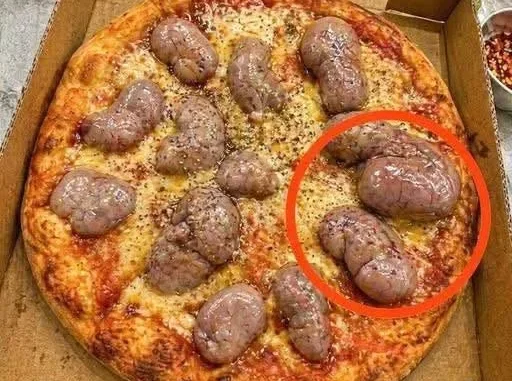
Pizza is a beloved dish worldwide, celebrated for its blend of crispy crust, savory sauce, and melted cheese. Yet, anyone who has baked or ordered a pizza may have noticed something curious on the surface: glossy, rounded bubbles or blisters appearing on the cheese or crust. At first glance, these formations might seem unusual or even concerning, prompting questions about freshness or quality. However, these bubbles are actually a natural and expected part of the baking process, rooted in the science of heat, moisture, and dough chemistry.
The formation of air bubbles on pizza involves several factors, including the dough’s yeast activity, moisture content, and the intense heat of the oven. When pizza dough is prepared, yeast ferments sugars in the flour, producing carbon dioxide gas. This gas becomes trapped within the dough matrix, causing it to rise and develop a light, airy texture. During baking, the trapped gas expands further due to rising temperatures, creating pockets of air that can appear as bubbles beneath the crust or within the cheese layer.
Cheese, especially varieties like mozzarella, also plays a role in bubble formation. Mozzarella contains moisture and fat, both of which respond to heat by melting and releasing steam. The steam can become trapped between the cheese and dough or within layers of cheese, leading to the distinctive blisters or domes seen on the pizza surface. These blisters are glossy and smooth, often giving the pizza an artisanal and inviting appearance. Far from being a defect, they are a sign of proper melting and heat distribution.
Understanding the physics behind these bubbles can enhance appreciation for the complexity of pizza baking. The oven’s temperature, often reaching upwards of 700 degrees Fahrenheit in wood-fired pizzas, drives rapid expansion of gases and moisture vapor. This extreme heat also causes the Maillard reaction, a chemical process that browns the crust and cheese, adding flavor and texture. The bubbles form as part of this dynamic environment, contributing to the pizza’s overall sensory experience.
For home cooks and enthusiasts, encountering these bubbles can be a learning opportunity rather than a cause for concern. Variations in dough hydration, fermentation time, and oven temperature will influence how pronounced the bubbles become. Some pizzerias intentionally encourage bubble formation by using high-hydration doughs and specialized baking techniques to create a light, airy crust with a slightly charred, blistered appearance.
From a culinary perspective, these bubbles contribute to the pizza’s texture by providing pockets of air that contrast with the chewy dough and creamy cheese. When bitten into, they can add a slight crispness and a burst of steam, enhancing the eating experience. Recognizing this helps demystify the appearance of unconventional pizza surfaces and highlights the artistry and science behind what might initially seem like imperfections.
Media and popular culture often showcase perfectly uniform pizzas, but real-life baking results are more varied and interesting. The presence of bubbles and blisters is a hallmark of hand-tossed, freshly baked pizzas rather than mass-produced frozen varieties. This distinction can help consumers set expectations and appreciate the craft behind traditional pizza making.
In conclusion, the air bubbles and cheese blisters seen on pizza are natural manifestations of baking physics rather than defects. They result from the interaction of yeast fermentation, moisture evaporation, and high oven temperatures, contributing to pizza’s unique texture and flavor profile. By understanding these phenomena, pizza lovers can enjoy their slices with greater insight and appreciation for the science and skill involved in creating this iconic dish.
The Role of Dough Hydration and Fermentation in Bubble Formation
Dough hydration refers to the ratio of water to flour in the pizza dough recipe, and it significantly influences the texture and behavior of the crust during baking. Higher hydration doughs contain more water, which can create a more extensible and airy dough. When baked, the additional moisture converts to steam, which expands and contributes to the formation of larger air pockets or bubbles in the crust. This steam pressure, combined with the expanding carbon dioxide from yeast fermentation, causes the dough to puff up and develop those characteristic blisters and bubbles.
Fermentation time and temperature also play critical roles. Longer fermentation allows yeast to produce more gas and break down complex carbohydrates, enhancing flavor and dough elasticity. Cold fermentation, often done in a refrigerator over 24 to 72 hours, slows down yeast activity but improves gluten development and flavor complexity. These factors result in a dough that traps gas more effectively, leading to more pronounced bubbles during baking.
Artisan pizzerias often tailor hydration levels and fermentation schedules to optimize bubble formation and crust texture, creating pizzas that are both visually appealing and delicious. Home bakers can experiment with hydration percentages—commonly between 60% to 75%—to find a balance that suits their oven and personal preferences.
Impact of Oven Types and Baking Techniques on Bubble Characteristics
The type of oven and baking method directly affect how bubbles and blisters form on pizza. Traditional wood-fired ovens can reach temperatures exceeding 700°F (370°C), which causes rapid steam generation and gas expansion. This intense heat leads to a quick rise in the dough surface, producing large, irregular bubbles with charred spots known as "leopard spotting." The radiant heat from wood-fired ovens also contributes to a distinctive flavor and crust texture.
In contrast, conventional home ovens typically max out around 500°F (260°C). While lower in temperature, home ovens can still produce bubbles if the dough is properly prepared and baked on a preheated pizza stone or steel, which simulates the intense bottom heat of a pizza oven. Using techniques like broiling for the last minute can also help develop bubbles and blisters on the cheese surface.
Some commercial pizzerias use conveyor ovens or deck ovens with controlled humidity and airflow to optimize bubble formation and crust consistency. These ovens provide steady heat and moisture conditions, allowing for predictable results. Understanding how different ovens influence bubble development can help pizza makers adjust their recipes and techniques accordingly.
Cultural Variations in Pizza Bubble Aesthetics
Different pizza traditions around the world exhibit varying attitudes toward bubbles and blisters on the crust and cheese. For example, Neapolitan pizza, originating from Naples, Italy, is renowned for its puffy, airy crust with large, charred bubbles. This style emphasizes a light, soft interior with a slightly crisp exterior, showcasing the natural bubbling effect of high-hydration dough baked in wood-fired ovens.
In contrast, New York-style pizza features a thinner, chewier crust with fewer and smaller bubbles, reflecting a dough recipe with lower hydration and longer fermentation. Chicago deep-dish pizzas are thick and dense, with minimal bubbling on the surface due to their unique layering of ingredients and lower baking temperatures.
These cultural differences highlight how bubble formation is not only a scientific process but also an element shaped by regional preferences, available ingredients, and traditional baking methods. Appreciating these distinctions enriches one’s understanding of pizza as both a culinary art and a cultural expression.
Health and Safety Considerations
While bubbles and blisters on pizza are generally harmless and a natural part of baking, it is important to distinguish them from signs of spoilage or contamination. Glossy, well-formed bubbles that appear soon after baking are safe and desirable. However, discoloration such as green or black mold spots, unpleasant odors, or excessively greasy surfaces may indicate spoilage or poor storage.
Proper dough handling, including maintaining clean preparation areas and using fresh ingredients, helps ensure the safety and quality of pizza. Additionally, baking pizza to the appropriate internal temperature—typically around 200°F (93°C)—ensures that any harmful bacteria are destroyed. Consumers should always rely on sensory cues and food safety guidelines to assess pizza quality.
The Science of Cheese Melting and Its Influence on Bubble Formation
Cheese melting behavior greatly affects the appearance and texture of pizza bubbles. Mozzarella, the most common pizza cheese, has a high moisture content and unique protein structure that allows it to melt evenly and stretch. When heated, the water within the cheese turns to steam, which can become trapped under the surface, causing blisters.
Other cheeses with lower moisture content, such as aged provolone or Parmesan, melt differently and may not produce the same bubbly effect. Combining different cheeses can create varied textures and appearances on pizza surfaces.
Moreover, the fat content in cheese influences how it browns and bubbles. Higher-fat cheeses tend to brown more quickly and develop more pronounced blisters. Understanding these properties allows pizza makers to select cheeses that align with their desired bubble aesthetics and flavor profiles.
Tips for Home Bakers to Encourage Beautiful Bubbles on Pizza
For those looking to recreate bubble-rich pizzas at home, several practical tips can help:
- Use a high-hydration dough recipe (around 70%) to increase moisture for steam generation.
- Allow sufficient fermentation time, including cold fermentation for flavor and gluten development.
- Preheat a pizza stone or steel in the oven at the highest temperature for at least 45 minutes to simulate intense bottom heat.
- Stretch the dough gently without deflating gas pockets to preserve bubbles.
- Use fresh, high-moisture mozzarella cheese and distribute it evenly.
- Bake on the lowest rack to encourage crust bubbling and rotate the pizza halfway through for even cooking.
- Consider finishing with a quick broil to enhance cheese blistering.
These techniques, combined with patience and experimentation, can help home bakers achieve professional-looking bubbles and a satisfying texture.
The Legacy and Popularity of Bubble-Rich Pizzas in Culinary Culture
Bubbly, blistered pizzas have become emblematic of artisanal and authentic pizza making, celebrated by chefs and food enthusiasts worldwide. This aesthetic symbolizes a connection to traditional baking methods and high-quality ingredients.
Pizza festivals, competitions, and food media often highlight the visual appeal of bubbly pizzas, influencing consumer expectations and trends. As pizza continues to evolve globally, the appreciation of its physical characteristics—including bubbles and blisters—remains a testament to the blend of science, skill, and artistry that defines this beloved dish.
Understanding and appreciating the natural phenomena behind pizza bubbles not only enhances enjoyment but also preserves the cultural heritage and innovation within pizza making.
Environmental Factors Affecting Pizza Bubble Development
Beyond dough composition and oven type, environmental conditions such as humidity and altitude can subtly influence bubble formation on pizza. High ambient humidity can affect dough hydration levels, potentially making the crust softer and altering how steam escapes during baking. Conversely, low humidity may dry out the surface more quickly, affecting bubble size and crust texture.
Altitude also plays a role due to changes in atmospheric pressure. At higher elevations, lower air pressure causes gases to expand more rapidly, which can lead to larger bubbles forming in the dough. However, the reduced boiling point of water at altitude means moisture evaporates faster, which can impact dough elasticity and baking time. Adjusting hydration and fermentation accordingly can help maintain consistent bubble characteristics regardless of environment.
The Role of Ingredients Beyond Dough and Cheese
While dough and cheese are primary contributors to bubble formation, other ingredients can influence the process and final appearance. For example, the type of flour used affects gluten development, which in turn impacts dough elasticity and gas retention. Stronger flours with higher protein content typically support better bubble structure.
Oil content in dough can also affect texture and bubble formation by lubricating gluten strands and influencing moisture retention. Similarly, sugar additions can accelerate yeast fermentation, increasing gas production and potentially encouraging more pronounced bubbles.
Toppings placed on the pizza may also affect bubble visibility. Heavy or dense toppings can weigh down the dough and cheese, reducing bubble size or preventing their formation in covered areas. Conversely, lighter toppings allow bubbles to develop more freely.
Technological Advances in Pizza Baking
Modern technology has introduced new tools and methods that impact bubble formation and pizza quality. Innovations such as infrared ovens, programmable deck ovens, and automated dough mixers provide greater control over temperature, humidity, and dough consistency. These advances enable pizzerias to fine-tune conditions that optimize bubble development while ensuring consistent results.
Additionally, some artisanal producers experiment with alternative fermentation methods, including sourdough starters, which influence gas production and dough characteristics differently from commercial yeast. These methods can produce distinct bubble patterns and flavor profiles, contributing to the diversity of pizza styles available today.
Educational and Professional Perspectives on Pizza Bubble Science
Understanding the science behind pizza bubbles is increasingly integrated into culinary education and professional training. Many culinary schools and pizza academies include modules on dough chemistry, heat transfer, and fermentation dynamics, emphasizing the importance of bubble formation in product quality.
For professional pizza chefs, mastering bubble control is part of their craft. It involves balancing variables such as ingredient ratios, fermentation time, oven temperature, and baking duration. This expertise contributes to both the aesthetic appeal and sensory qualities of the final product.
Such knowledge also benefits food scientists and product developers working to innovate frozen or pre-made pizzas, aiming to replicate the artisanal bubble characteristics that consumers appreciate.
Consumer Awareness and Media Representation
As consumers become more informed about food science, the presence of bubbles and blisters on pizza is increasingly recognized as a positive sign of authenticity and quality. Food media, cooking shows, and online content often highlight these features as indicators of skilled baking and traditional techniques.
However, media portrayals sometimes idealize pizza appearance, leading to misunderstandings about natural variations. Educating consumers about the scientific causes of bubbles helps set realistic expectations and reduces unwarranted concerns about appearance.
This media literacy encourages appreciation for the diversity of pizza styles and the complex interplay of factors that create each unique pie.
Sustainability Considerations Related to Pizza Production
Sustainability in pizza production encompasses ingredient sourcing, energy use in baking, and waste management. Choices in flour type, cheese production methods, and fuel sources for ovens can influence environmental impact.
For example, wood-fired ovens, while producing distinctive bubbles and flavors, rely on renewable biomass but require responsible sourcing to minimize deforestation. Electric or gas ovens may offer energy efficiency benefits but differ in heat characteristics affecting bubble formation.
Sustainable ingredient sourcing, such as organic flour and locally produced cheese, supports environmental and community health. Home bakers and pizzerias alike are increasingly mindful of these factors, balancing quality and tradition with ecological responsibility.
Reader Takeaways
Recognizing the natural and scientific origins of pizza bubbles enriches the eating experience by connecting sensory enjoyment with an understanding of the baking process. Readers can apply this knowledge in their own kitchens by experimenting with dough hydration, fermentation, and baking techniques to achieve desired bubble effects.
Furthermore, awareness of cultural variations and environmental influences fosters greater appreciation for the diversity of pizza worldwide. Ultimately, the humble bubble on a pizza surface serves as a reminder of the intricate interplay between science, tradition, and creativity in culinary arts.