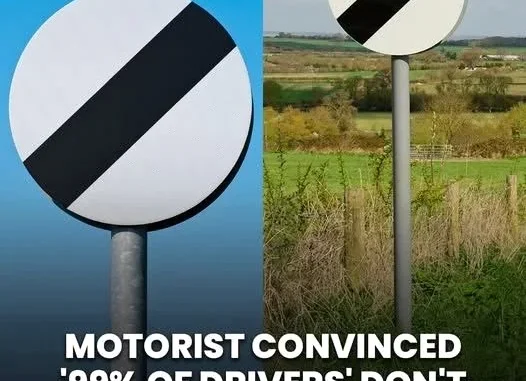
Road signs play a crucial role in guiding drivers, ensuring safety, and maintaining order on the roads. Among these signs, the national speed limit sign is particularly significant, yet it is often misunderstood or misinterpreted by drivers. This article aims to clarify the purpose of the national speed limit sign, explain how it functions within traffic law, and highlight the importance of adhering to appropriate speed limits for different vehicles and road types.
The national speed limit sign is typically depicted as a white circular sign with a single thick black diagonal stripe running from the top right to the bottom left. Unlike other speed limit signs that display a specific numerical limit, this sign indicates that the default speed limits prescribed by law now apply. Essentially, it removes any previously posted speed restrictions and signals drivers to follow the national speed limits relevant to their vehicle category and the road they are traveling on.
For passenger cars, the national speed limit generally means a maximum of 60 miles per hour on single carriageway roads and 70 miles per hour on dual carriageways and motorways. However, these limits are not universal. Different vehicle types, such as vans, trucks, or vehicles towing trailers, have lower maximum speeds under the national speed limit regulations. This differentiation is designed to account for the varying handling characteristics and safety considerations of different vehicles.
Despite its clear legal definition, the national speed limit sign is frequently misunderstood by some drivers. Online discussions and social media comments sometimes depict it as a license to drive at the highest speed possible, or as a suggestion to drive significantly faster than the posted limits on other roads. Terms like “full throttle,” “minimum 80,” or “countryside mode” reflect a casual attitude toward speed that can be dangerous. Such misconceptions can lead to risky driving behaviors, increasing the likelihood of accidents and fatalities.
It is important to emphasize that the national speed limit sign does not grant unlimited speed or permission to drive recklessly. Instead, it assumes that drivers already understand the legal speed limits and are capable of making informed decisions based on road conditions, traffic, and weather. Drivers must consider factors such as visibility, road surface, traffic density, and vehicle performance when choosing an appropriate speed, even if the national speed limit allows for higher speeds.
Understanding the context in which the national speed limit sign appears can also improve driver awareness. The sign typically appears when leaving an area with a lower speed limit, such as a town or village, signaling that the default speed limits now apply. It serves as a reminder to drivers that they must adjust their speed accordingly and remain vigilant about the rules of the road.
From a broader perspective, speed limits and their signage are part of a comprehensive road safety strategy. Authorities set speed limits based on extensive research into traffic patterns, accident statistics, and road design. The national speed limit reflects a balance between efficient travel and safety considerations. Adherence to these limits, combined with responsible driving behavior, contributes significantly to reducing road accidents and saving lives.
In conclusion, the national speed limit sign is a vital component of traffic regulation that communicates the default legal speed limits. Proper understanding and respect for this sign are essential for safe driving. Drivers should avoid interpreting it as an invitation to exceed safe speeds and instead use it as guidance to adjust their speed appropriately. By doing so, they help create safer roads for themselves and others.
Practical tips for drivers include always being aware of the type of road and vehicle-specific limits, adjusting speed according to weather and traffic conditions, and staying updated on local traffic laws. A well-informed driver is better equipped to respond to changing road environments, reducing risk and promoting safety for all road users.
Historical Development of the National Speed Limit Sign
The national speed limit sign, as it is recognized today, has evolved over many decades in response to changing transportation needs and safety priorities. Early road signage was minimal and often inconsistent, leading to confusion among drivers. As vehicle speeds increased and road networks expanded in the mid-20th century, authorities saw the need for standardized signage to promote safer driving habits.
The introduction of the national speed limit sign was part of broader efforts to unify traffic regulations across regions. Its design—a simple white circle with a black diagonal stripe—was chosen for its clarity and ease of recognition. Over time, the sign has become a universal symbol within certain countries, signaling to drivers that the default speed limit applies beyond the previous restrictions.
Understanding Vehicle-Specific Speed Restrictions
While the national speed limit sign sets general maximum speeds, it is important to recognize that different vehicles have distinct legal limits. Heavy goods vehicles (HGVs), buses, motorcycles, and vehicles towing trailers often have lower speed thresholds to account for their size, weight, and handling capabilities. This differentiation helps reduce accidents caused by inappropriate speeds for a given vehicle type.
For example, large commercial trucks may be restricted to 50 or 60 mph even when the national speed limit for cars is higher. These rules are informed by studies of stopping distances, vehicle stability, and road wear. Drivers should be familiar with the specific speed limits that apply to their vehicle category and ensure compliance regardless of the general national speed limit sign.
The Role of Road Type and Environment in Applying Speed Limits
Speed limits are not arbitrary figures; they are carefully calibrated to fit the characteristics of the road and its surrounding environment. Single carriageways, dual carriageways, and motorways each have different default limits due to factors like lane width, visibility, and traffic flow.
Furthermore, environmental considerations such as proximity to residential areas, presence of pedestrians, road curvature, and weather conditions also influence appropriate driving speeds. The national speed limit sign indicates the maximum legal speed but does not override the need for drivers to adjust speed for safety. For instance, wet or icy roads require slower speeds even if the sign permits higher limits.
Legal Implications of Speed Limit Compliance
Failing to adhere to the speed limits indicated by the national speed limit sign can have serious legal consequences. Speeding violations may result in fines, penalty points on a driver’s license, or even disqualification from driving in severe cases. Enforcement is typically carried out through speed cameras, police patrols, and automated monitoring systems.
Importantly, courts consider not only whether a driver exceeded the posted limit but also whether the speed was safe under prevailing conditions. Drivers who cause accidents while driving over the national speed limit may face additional charges related to reckless or dangerous driving.
Public Perception and Media Influence on Speeding Attitudes
Public attitudes toward speed limits are shaped by a variety of factors including media portrayals, cultural norms, and personal experiences. In some cases, media coverage may inadvertently glamorize speeding or depict it as a harmless thrill, influencing driver behavior.
Awareness campaigns by safety organizations aim to counteract these perceptions by providing factual information on the risks associated with speeding. Understanding how media and social discourse impact driver attitudes can help policymakers design more effective education and enforcement strategies.
Technological Advances Supporting Speed Limit Adherence
Modern vehicle technology increasingly assists drivers in maintaining appropriate speeds. Features such as adaptive cruise control, speed limit recognition systems, and driver alerts provide real-time feedback and automatic adjustments to help comply with legal limits.
These technologies contribute to reducing human error and enhancing road safety, although they do not replace the need for attentive and responsible driving. Continued innovation in vehicle systems and infrastructure integration holds promise for further improvements in speed management.
Legacy and Future Directions in Speed Limit Signage
The national speed limit sign has played a significant role in standardizing speed regulations and improving road safety over the years. As transportation evolves with emerging trends like autonomous vehicles and smart infrastructure, the way speed limits are communicated and enforced may also change.
Future developments might include dynamic speed limits that adjust in real time based on traffic and environmental conditions, displayed through digital signage or in-vehicle systems. These advancements aim to optimize traffic flow while maintaining safety standards.
Key Takeaways for Drivers
- Always recognize the national speed limit sign as an indication to follow the default legal speed limits for your specific vehicle and road type.
- Understand that the sign does not grant permission to drive at maximum speed regardless of conditions; adjust speed based on weather, traffic, and road environment.
- Be aware of vehicle-specific speed restrictions and comply accordingly to ensure safety and legal compliance.
- Remember that speed limits are established based on extensive research and are critical to reducing accidents and fatalities.
- Utilize modern vehicle technologies that assist with speed management but maintain full attention and control while driving.
- Stay informed about local traffic laws and any changes to speed limit regulations in the areas where you drive.
By embracing a comprehensive understanding of the national speed limit sign and its context, drivers can contribute to safer roads and a more responsible driving culture.
International Variations in National Speed Limit Signage
While the white circle with a diagonal black stripe is widely recognized in certain countries, notably the United Kingdom, as the national speed limit sign, speed limit signage varies internationally. Different countries employ distinct symbols, colors, and numeric displays to communicate speed regulations. For instance, many European countries use circular signs with a red border enclosing a number indicating the maximum speed, rather than a symbolic representation of the national limit. Understanding these differences is important for international drivers to avoid confusion and ensure compliance with local laws. Road safety organizations often provide guidance for tourists and foreign drivers about navigating speed limits in unfamiliar jurisdictions.
The Importance of Driver Education on Speed Limit Interpretation
Comprehensive driver education plays a crucial role in ensuring that drivers correctly interpret speed limit signs, including the national speed limit sign. Driver training programs typically cover the meanings of various road signs and the rationale behind speed regulations. However, ongoing public education and refresher courses are valuable, especially as road environments and regulations evolve. Clear communication from licensing authorities, combined with accessible informational resources, helps reduce misunderstandings that can lead to unsafe driving behaviors. Encouraging responsible attitudes toward speed limits through education supports safer roads for all users.
Environmental Impact of Speed Limit Compliance
Adhering to speed limits, including national speed limits, also contributes to environmental sustainability. Driving at appropriate speeds can improve fuel efficiency and reduce vehicle emissions. Excessive speeding often leads to higher fuel consumption and increased pollutants, which negatively affect air quality and contribute to climate change. By respecting speed limits, drivers not only enhance safety but also support broader environmental goals. Some regions incorporate this perspective into their traffic management policies, promoting speed limit compliance as part of a comprehensive approach to reducing transportation-related environmental impacts.
The Role of Community and Local Authorities in Speed Management
Local authorities and community groups often play a proactive role in managing speed limits to suit specific areas. While the national speed limit provides a baseline, local speed restrictions may be implemented in sensitive areas such as school zones, residential neighborhoods, or accident-prone stretches of road. Community input can influence these decisions, reflecting local concerns and priorities. Collaboration between authorities and residents helps tailor speed management strategies to real-world conditions, enhancing safety and quality of life.
Challenges in Enforcement and Public Compliance
Enforcing speed limits, including those indicated by the national speed limit sign, presents ongoing challenges. Limited resources, technological constraints, and varying driver attitudes can affect the effectiveness of enforcement efforts. Additionally, some drivers may deliberately disregard speed limits due to perceived low risk of detection or cultural attitudes toward speeding. Addressing these challenges requires a multifaceted approach combining enforcement, education, engineering, and community engagement. Transparent communication about enforcement practices and consequences can also deter speeding and encourage compliance.
Impact of Speed Limits on Traffic Flow and Congestion
Speed limits influence not only safety but also traffic flow and congestion patterns. Appropriately set speed limits can facilitate smooth traffic movement, reducing stop-and-go conditions and bottlenecks. Conversely, inconsistent or poorly enforced speed limits may contribute to erratic driving behaviors that disrupt flow and increase the risk of collisions. Traffic engineers consider these dynamics when establishing speed limits and signage placements. Understanding the relationship between speed regulation and traffic efficiency helps balance mobility needs with safety objectives.
Future Research and Policy Development
Ongoing research into driver behavior, vehicle technology, and road safety continues to inform speed limit policies. Data analytics, simulations, and field studies provide insights into how drivers respond to speed limit signs and the consequences of various speed regimes. Policymakers use this evidence to refine regulations, improve signage, and develop complementary measures such as traffic calming or automated enforcement. As mobility trends evolve, including the rise of electric and autonomous vehicles, continuous evaluation and adaptation of speed limit frameworks will remain essential.
Key Takeaways for Drivers (Additional)
- Recognize that speed limit signs and regulations may differ when driving internationally; familiarize yourself with local rules before traveling.
- Seek out updated driver education resources to stay informed about speed limit meanings and safe driving practices.
- Consider the environmental benefits of adhering to speed limits as part of responsible driving.
- Engage with community initiatives and local authorities that promote safe and context-appropriate speed management.
- Support enforcement efforts by understanding their role in maintaining road safety and complying with legal requirements.
- Appreciate the influence of speed limits on traffic flow and contribute to smoother journeys by driving considerately.
- Stay informed about emerging research and policy changes that may affect speed limit regulations and road safety strategies.
By broadening their awareness of the various facets related to speed limit signage and compliance, drivers contribute not only to their own safety but also to the efficiency, sustainability, and well-being of the wider road-using community.