The way we sleep plays a crucial role in our overall health and daily well-being. While many people focus on the duration of sleep, the position in which we sleep is also an important factor that can influence various bodily functions. Among the popular sleeping postures, side sleeping is widely preferred for its comfort and potential health benefits. However, whether sleeping on the right side or the left side is better for the body remains a subject of interest and discussion.
This article delves into how right-side sleeping impacts the body, highlighting potential benefits and challenges. It also provides insights into sleep support, tips for enhancing comfort, and a balanced view of sleep positions in relation to health.
The Role of Sleep Position in Health
Sleep is not merely a period of rest; it is a time when the body continues essential processes such as digestion, circulation, muscle repair, and respiratory regulation. The position in which you sleep can influence these functions by affecting spinal alignment, joint pressure, breathing patterns, and digestive comfort.
Side sleeping is often recommended for its ability to reduce snoring and maintain spinal alignment when supported properly. However, the right and left sides impact the body differently due to the anatomical layout of internal organs and physiological processes.
How Right-Side Sleeping Influences the Body
Many individuals find sleeping on their right side comfortable and natural. For most, this position is safe and does not cause health issues. However, some specific effects may arise, particularly related to digestion and pressure on certain body parts.
Digestive Considerations and Acid Reflux
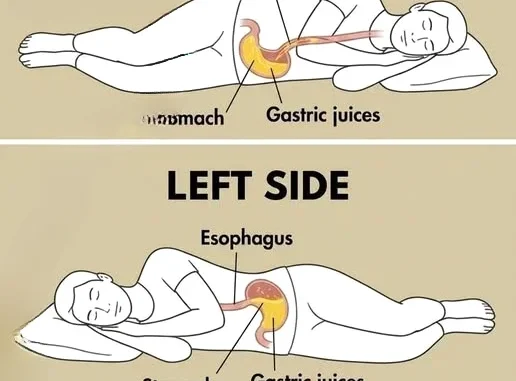
One of the frequently discussed concerns about right-side sleeping relates to acid reflux or gastroesophageal reflux symptoms. The stomach produces acid to aid digestion, and when lying down, gravity’s role in keeping stomach contents in place is reduced. Some studies indicate that lying on the right side could potentially allow stomach acid to flow more readily into the esophagus in susceptible individuals, which may exacerbate symptoms like heartburn, chest discomfort, or a bitter taste.
For those experiencing gastroesophageal reflux disease (GERD), healthcare providers sometimes suggest sleeping on the left side as a strategy to alleviate symptoms. This is because the anatomical position of the stomach and esophagus may limit acid movement when lying on the left.
Pressure Points and Musculoskeletal Comfort
Extended periods of sleeping on the right side can place pressure on the right shoulder, hip, arm, and neck muscles. This pressure may lead to temporary stiffness or discomfort, especially if the mattress or pillow does not provide adequate support. Individuals with pre-existing joint or shoulder issues might find these effects more noticeable.
Optimizing mattress firmness and using supportive pillows can help distribute body weight more evenly and reduce pressure on vulnerable areas.
Impact on Circulation and Special Considerations
Sleep position can influence blood flow and circulation. For example, pregnant individuals are often advised to sleep on the left side to enhance blood flow between the heart, uterus, and kidneys. While right-side sleeping is not inherently harmful during pregnancy, alternating sides may support better circulation and comfort.
Similarly, people with certain cardiovascular conditions might receive personalized recommendations from their healthcare providers regarding optimal sleep positions.
Breathing, Snoring, and Respiratory Health
Side sleeping generally promotes better airflow compared to sleeping on the back, which can reduce snoring and improve breathing patterns. However, the effect of sleeping on the right versus left side varies among individuals, influenced by factors like nasal congestion, sleep apnea, body anatomy, and mattress support.
Those experiencing chronic snoring or breathing interruptions during sleep should consult a medical professional for assessment and guidance.
Comparing Right-Side and Left-Side Sleeping
Left-side sleeping has gained attention for potential benefits such as reduced acid reflux symptoms, improved digestion comfort, and enhanced circulation during pregnancy. However, it is essential to recognize that no one position is universally ideal.
Choosing a sleep position should depend on personal comfort, specific health considerations, and proper sleep support rather than rigid rules. Both sides can offer benefits and drawbacks depending on the individual’s unique circumstances.
The Importance of Sleep Environment and Support
Regardless of whether you prefer the right or left side, the quality of your mattress and pillows significantly impacts sleep comfort and spinal alignment. Pillows that maintain the neck in a neutral position and mattresses that support body contours help minimize pressure points and improve restfulness.
Many experts recommend placing a pillow between the knees when side sleeping to align the hips and reduce strain on the lower back. Regularly replacing worn-out sleep surfaces can also contribute to better sleep quality.
Tips for Enhancing Comfort While Sleeping on the Side
To maximize comfort and reduce potential issues when sleeping on either side, consider the following strategies:
- Select a pillow that supports your neck without tilting your head excessively.
- Avoid remaining in the same position throughout the entire night; gentle position shifts can alleviate pressure buildup.
- Maintain a sleep-friendly environment by keeping the room at a comfortable temperature, limiting screen exposure before bedtime, and following a consistent sleep schedule.
- Monitor any persistent discomfort, acid reflux symptoms, numbness, or breathing difficulties, and seek medical advice if these occur regularly.
Sleep Position in the Context of Overall Health
While sleep position can influence certain symptoms and comfort levels, it represents just one aspect of overall sleep quality and health. Other critical factors include the total duration of sleep, stress levels, nutrition, physical activity, hydration, and management of existing medical conditions.
Adopting healthy sleep hygiene and lifestyle habits often contributes more significantly to well-being than focusing solely on the position in which you sleep.
A Balanced Approach to Sleep Position
The abundance of information online sometimes exaggerates the risks or benefits of specific sleep positions. It is important to approach these claims with a nuanced understanding that the body adapts to various postures, and individual preferences and health needs vary widely.
For most people without underlying health concerns, sleeping on the right side is generally safe and comfortable. Those with acid reflux, pregnancy-related discomfort, or certain medical conditions may find benefits in adjusting their sleep position under professional guidance.
Ultimately, the goal is to establish a sleeping posture that fosters restful, uninterrupted sleep, supports physical comfort, and aligns with your health profile.
Conclusion
Sleeping on the right side can influence digestion, circulation, breathing, and musculoskeletal comfort, but it is not inherently harmful for most individuals. Being aware of how your body reacts to this position and making adjustments as needed can improve sleep quality and overall wellness.
Remember, the quality of your sleep depends not only on position but also on creating an environment and routine that support restorative rest. Prioritizing comfort, support, and healthy habits will help you wake up refreshed and ready for the day ahead.
Understanding the Role of Sleep Technology in Monitoring Sleep Positions
Advancements in sleep technology have made it easier for individuals and healthcare providers to monitor sleep patterns, including sleep positions. Devices such as wearable sleep trackers, smart mattresses, and bed sensors can collect data on how often a person sleeps on their right side versus other positions. This information can be valuable for identifying patterns related to discomfort, snoring, or other symptoms that correlate with specific postures.
While these technologies do not replace professional medical advice, they offer useful insights that can guide adjustments to sleep habits. For example, if data shows frequent right-side sleeping accompanied by disturbed sleep or increased acid reflux symptoms, individuals may experiment with different positions or consult healthcare providers for personalized recommendations.
The Importance of Individualized Sleep Assessments
Sleep is highly individual, and what benefits one person may not suit another. Factors such as age, body weight, pre-existing health conditions, and lifestyle influence how sleep positions affect overall comfort and health. Therefore, individualized sleep assessments conducted by sleep specialists or healthcare professionals can be instrumental in optimizing sleep posture.
During these assessments, professionals may evaluate breathing patterns, spinal alignment, and symptom triggers related to sleep position. This personalized approach helps tailor recommendations that consider the nuances of each person’s health profile and sleeping environment.
Potential Long-Term Effects of Consistent Sleep Positions
While short-term effects of sleeping on the right side have been explored, less is known about the long-term impacts of consistently favoring one side. Prolonged pressure on one side of the body may contribute to musculoskeletal imbalances, such as muscle tightness or joint strain. Over time, this could potentially influence posture during waking hours.
To mitigate such risks, experts often suggest varying sleep positions throughout the night or incorporating targeted stretching and strengthening exercises during the day. Maintaining overall physical activity and body awareness supports musculoskeletal health, complementing good sleep hygiene.
Cultural and Historical Perspectives on Sleep Positions
Sleep positions have varied across cultures and historical periods, influenced by factors such as bedding styles, cultural beliefs, and health traditions. For example, some cultures emphasize sleeping on the left side for spiritual or health reasons, while others do not prioritize specific positions.
Understanding these perspectives can provide context for contemporary discussions about sleep postures. It also reminds us that preferences and recommendations evolve with scientific knowledge and cultural shifts, highlighting the importance of personalized and evidence-based approaches.
Sleep Position and Mental Health
Emerging research suggests that sleep quality and position may have subtle effects on mental health. Poor sleep is linked to increased stress, anxiety, and mood disorders. While the position itself is not a direct cause of mental health issues, discomfort or disrupted breathing during sleep—potentially related to posture—can impair restorative rest.
Ensuring a comfortable sleep position that promotes uninterrupted sleep may contribute positively to mental well-being. Individuals experiencing sleep-related distress or mood changes should consider comprehensive sleep evaluations as part of their overall mental health care.
Environmental Factors Influencing Sleep Comfort
Aside from position and support, environmental factors play a critical role in sleep quality. Noise levels, lighting, room temperature, and air quality can all impact how restful sleep is, regardless of which side a person sleeps on.
Creating a sleep environment that minimizes disturbances and supports physiological needs enhances the benefits of a good sleeping position. For example, maintaining a cool, dark, and quiet bedroom can facilitate deeper sleep cycles and reduce awakenings that might otherwise cause position shifts related to discomfort.
Educating the Public on Balanced Sleep Information
Given the prevalence of misinformation about sleep positions on the internet and social media, promoting media literacy is important. Individuals should be encouraged to critically evaluate sources and seek information from reputable medical and scientific organizations.
Balanced education helps people make informed decisions about their sleep habits and avoid unnecessary anxiety about their chosen sleeping position. Healthcare providers can play a key role by offering clear, evidence-based guidance tailored to individual needs.
Future Directions in Sleep Research
Ongoing research continues to explore the complex interactions between sleep position, physiology, and health outcomes. Future studies may provide deeper insights into how different positions influence chronic conditions, recovery from injury, and overall longevity.
Innovations in non-invasive monitoring and personalized medicine are expected to enhance our ability to recommend optimal sleep strategies. Staying informed about new findings can empower individuals to adapt their habits in ways that promote long-term health and comfort.
Reader Takeaways
- No single sleep position is universally ideal; comfort and individual health conditions should guide choices.
- Right-side sleeping is generally safe for most people but may exacerbate symptoms like acid reflux in susceptible individuals.
- Proper mattress and pillow support are essential to minimize pressure-related discomfort and maintain spinal alignment.
- Monitoring symptoms and consulting healthcare professionals can help address sleep-related issues effectively.
- Environmental factors and overall sleep hygiene significantly influence sleep quality alongside position.
- Critical evaluation of sleep information sources aids in making balanced, informed decisions.
By integrating these considerations, readers can approach their sleep habits thoughtfully, optimizing rest and supporting overall well-being.
The Role of Sleep Position in Pain Management
For individuals managing chronic pain conditions, sleep position can be an important factor in alleviating or exacerbating discomfort. Right-side sleeping may be beneficial for some types of pain, such as lower back pain, when combined with proper support like pillows placed between the knees to maintain spinal alignment. Conversely, for others, prolonged pressure on the right side might worsen pain in areas like the shoulder or hip. It is often recommended that those with chronic pain experiment with different positions and use ergonomic supports to find the most comfortable arrangement. Consultation with healthcare professionals, such as physical therapists or pain specialists, can provide personalized guidance tailored to individual needs.
Sleep Position and Neurological Health
Emerging research is exploring potential links between sleep posture and neurological health, including cognitive function and neurodegenerative diseases. While definitive conclusions have yet to be drawn, some studies suggest that sleep quality, influenced by position, might affect brain clearance processes that occur during sleep. For example, uninterrupted deep sleep phases are important for brain health, and discomfort or breathing disruptions related to sleep position could impact these restorative stages. Maintaining a sleep posture that supports comfort and breathing may indirectly contribute to neurological well-being, though more research is needed in this area.
The Impact of Weight and Body Composition on Sleep Position Comfort
Body weight and composition can influence how comfortable certain sleep positions feel. For individuals with higher body mass, side sleeping, including on the right side, may reduce pressure on the back and improve breathing compared to back sleeping. However, increased pressure on joints and soft tissues on the right side may also occur. Adjusting mattress firmness and using supportive bedding can help distribute weight more evenly. Additionally, weight loss and physical conditioning may enhance sleep comfort overall, highlighting the interconnectedness of lifestyle factors and sleep quality.
Sleep Position During Recovery from Injury or Surgery
Sleep posture may require adjustment during recovery from certain injuries or surgical procedures. For example, after shoulder surgery on the right side, sleeping on the left side or back might be recommended to avoid pressure and promote healing. Similarly, abdominal surgeries might necessitate specific positions to reduce strain. Patients should follow medical advice tailored to their recovery plan and use appropriate supports to maintain comfort and safety during sleep.
Encouraging Mindful Sleep Practices
Beyond position, cultivating mindfulness about sleep habits can enhance restfulness. Being aware of how different positions affect your comfort and symptoms can empower self-management. Journaling about sleep experiences or using sleep tracking tools may help identify patterns that inform adjustments. Additionally, relaxation techniques before bedtime, such as deep breathing or gentle stretching, can prepare the body for restorative sleep regardless of position.
Summary
Sleep position is one component of a multifaceted approach to achieving quality rest. Considering factors such as pain management, neurological health, body composition, injury recovery, and mindful practices can further optimize the benefits of sleep. As research evolves, integrating evidence-based strategies with personal experience remains the most effective way to support sleep health.
Readers are encouraged to observe how their body responds to different sleep positions, seek professional advice when needed, and maintain a holistic perspective on sleep wellness.