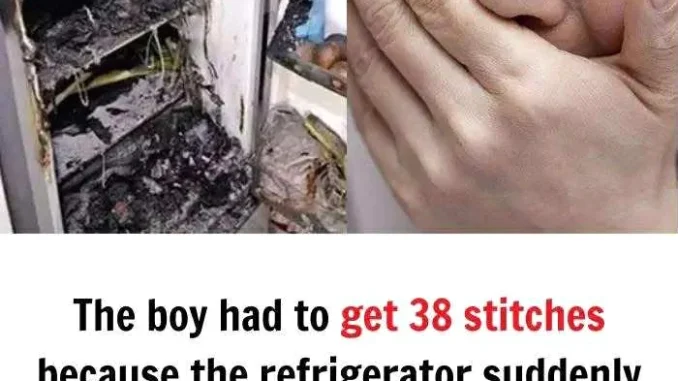
The convenience of quickly chilling a beverage by placing it in the freezer is a common practice in many households. However, this seemingly harmless habit can sometimes lead to unexpected and serious consequences. Understanding the science behind why certain items, especially carbonated drinks, should not be frozen is important for maintaining safety in the home.
Freezing Carbonated Beverages: What Happens Inside?
Carbonated beverages contain dissolved carbon dioxide gas under pressure, which creates the familiar fizz when opened. When such a drink is placed in a freezer, the liquid begins to cool and eventually freezes. As the liquid freezes, it expands in volume—water expands about 9% when it turns to ice. This expansion increases the pressure inside the sealed container.
Because the container is tightly sealed, the build-up of pressure can cause it to deform or even rupture. This can result in the can or bottle bursting, sometimes violently, sending shards of metal or glass outward and posing a significant risk of injury.
Common Injuries and Risks
Incidents involving exploding cans in freezers have led to various injuries ranging from minor cuts to more severe lacerations. Medical professionals have observed an increase in such injuries, especially among children who may not be aware of the risks involved. These accidents can cause permanent scars and require medical attention, including stitches.
Other Items to Avoid Freezing
Besides carbonated drinks, other items such as sealed alcohol bottles can also present risks when frozen. Alcohol has a lower freezing point than water, but when frozen in tightly sealed containers, pressure can still build up. Dry ice, often used for cooling purposes, must be handled with care and stored in ventilated containers to prevent gas buildup and potential rupture.
Safe Practices for Cooling Drinks
To minimize the risk of accidents, it is advisable to avoid putting carbonated beverages and sealed alcohol containers in the freezer. Instead, use a refrigerator to cool drinks gradually. For quicker chilling, ice buckets or ice baths can be effective and safe alternatives.
Educating Children and Household Members
Teaching children about the potential dangers of placing certain items in the freezer is essential. Simple instructions and supervision can prevent experimentation that might lead to accidents. Encouraging safe habits around kitchen appliances contributes to a safer home environment.
Emergency Preparedness and Response
In the event of an explosion or injury involving frozen containers, it is important to act promptly. Clean up any broken container pieces carefully to avoid further harm, and seek medical attention if injuries occur. Being prepared with basic first aid knowledge can make a significant difference in managing such incidents.
Conclusion: Preventing Freezer-Related Injuries
While freezing beverages or other items might seem convenient, the risks associated with it, particularly with carbonated drinks, should not be underestimated. Awareness of these dangers, combined with simple preventive measures, can protect individuals and families from avoidable injuries. By adopting safe cooling methods and educating household members, especially children, the likelihood of freezer-related accidents can be greatly reduced.
Understanding the science and risks behind freezing certain items allows for informed decisions that enhance safety. The small effort to change habits around freezer use can prevent serious incidents and contribute to a safer kitchen environment for everyone.
The Role of Packaging Materials in Freezer Safety
Packaging materials significantly influence the safety of storing beverages and other liquids in the freezer. Cans made of thin metal are especially vulnerable to pressure changes caused by freezing liquids inside them. Glass bottles, while often sturdier, pose their own risks; if the liquid inside expands during freezing, glass can shatter, sending dangerous shards outward. Plastic bottles tend to be more flexible but are not immune to ruptures or leaks when liquids expand upon freezing. Understanding the characteristics of different packaging can help consumers make safer choices about what to store in the freezer.
How Temperature Variations Affect Freezer Safety
Temperature fluctuations within the freezer can exacerbate risks. Freezers that do not maintain consistent temperatures may cause liquids to partially freeze and thaw repeatedly, increasing pressure changes inside sealed containers. These cycles can weaken the packaging over time, making containers more susceptible to bursting. Regularly checking and maintaining freezer temperatures within recommended ranges can reduce these risks.
The Chemistry Behind Carbonation and Pressure Build-Up
Carbonation involves dissolving carbon dioxide (CO₂) gas in liquid under pressure. When the beverage is sealed, the gas remains dissolved, giving the drink its characteristic bubbles upon opening. Cooling the beverage in a freezer causes the liquid to freeze and expand, but the gas also responds to temperature changes. As the temperature drops, the solubility of CO₂ increases initially, but once freezing begins, gas can separate and increase pressure inside the container. This interplay between liquid expansion and gas behavior is a key factor leading to container failure.
Understanding Dry Ice Handling and Storage
Dry ice, solid carbon dioxide, sublimates directly from solid to gas at temperatures above -78.5°C (-109.3°F). Improper storage of dry ice in airtight containers can cause dangerous pressure build-up as the gas has no escape route. To safely use dry ice for cooling, it should be stored in well-ventilated containers that allow gas to dissipate. Additionally, it is important to handle dry ice with insulated gloves to prevent frostbite and to ensure adequate ventilation in areas where dry ice is used to avoid carbon dioxide buildup in the air.
Safe Alternatives to Freezing for Rapid Cooling
For those seeking faster cooling methods without freezing risks, several alternatives exist. Ice buckets or ice baths filled with water and ice provide rapid chilling while avoiding pressure buildup. Specialized beverage chillers and cooling sleeves use conductive materials to cool drinks safely without freezing them. Additionally, some refrigerators offer quick-chill compartments designed to cool beverages faster without the dangers associated with freezing.
The Importance of Labeling and Household Communication
Clear labeling of items stored in freezers can prevent accidental freezing of unsuitable products. For example, marking containers with instructions or warnings about freezing suitability helps all household members make informed decisions. Open communication about freezer safety practices encourages consistent adherence to safe storage rules, reducing the likelihood of hazardous incidents.
Cultural and Regional Practices Affecting Freezer Use
Freezer use and practices vary worldwide based on cultural habits, climate, and available appliances. In some regions, freezers are less common or used differently, which can influence awareness of freezing risks. Understanding these regional differences can help tailor safety messages to diverse audiences, ensuring that information about freezing hazards reaches and resonates with varied populations.
The Role of Manufacturers and Regulatory Standards
Beverage and packaging manufacturers play a role in minimizing freezer-related risks by designing containers that can better withstand pressure changes or include clear usage instructions. Regulatory bodies may set standards for packaging safety, including guidelines for pressure resistance and labeling. Consumers can benefit from supporting products that adhere to high safety standards and from staying informed about manufacturer recommendations.
Media Literacy and Evaluating Safety Claims
When encountering safety information related to freezing beverages or other household practices, critical evaluation of sources is important. Reliable information typically comes from recognized health authorities, scientific research, or expert consensus. Being cautious of sensationalized stories or unverified claims helps individuals make well-informed decisions about household safety.
Long-Term Implications of Freezer-Related Injuries
Injuries caused by exploding containers in freezers can have lasting physical and psychological effects. Physical scars or disabilities may impact quality of life, while traumatic experiences can affect emotional well-being. Understanding these potential long-term outcomes highlights the importance of preventive measures and reinforces that attention to freezer safety is an investment in overall family health.
Career Insights: Professionals Addressing Freezer Safety
Healthcare providers, especially emergency room physicians and nurses, often treat injuries related to freezer accidents and can offer valuable perspectives on prevention. Packaging engineers focus on designing safer containers to mitigate risks associated with freezing. Public health educators work to spread awareness about safe household practices. Recognizing the roles of these professionals contextualizes the multidisciplinary effort required to enhance freezer safety.
Final Takeaways for Readers
Freezer safety extends beyond mere convenience and involves understanding the physical and chemical principles behind freezing liquids and gases. Awareness of the risks associated with freezing carbonated beverages, sealed alcohol containers, and dry ice can prevent serious accidents. By adopting safer cooling methods, educating household members, maintaining appliances properly, and critically evaluating safety information, individuals can create a safer home environment. Small changes in daily habits around freezer use can have a significant positive impact on household safety and well-being.
Understanding the Impact of Freezing on Different Beverage Types
Not all beverages react the same way when frozen. For instance, beverages with higher sugar content, such as sodas and sweetened juices, may have lower freezing points due to the dissolved sugars, which can slightly alter the timing and nature of ice formation inside the container. Conversely, beverages like pure water or lightly flavored drinks freeze at temperatures closer to 0°C (32°F). Alcoholic beverages vary widely in their freezing points depending on their alcohol concentration; higher alcohol content lowers the freezing point, which means these drinks might not freeze solid but can still experience pressure buildup if sealed tightly. Understanding these differences can help consumers better assess the risks associated with freezing specific beverages.
The Science of Pressure and Material Fatigue in Repeated Freezing Cycles
Repeated cycles of freezing and thawing can weaken the integrity of beverage containers over time. Each cycle causes expansion and contraction of the liquid and gases inside, which can stress the packaging material. Metal cans may become brittle or develop microfractures, while plastic bottles can degrade, increasing the likelihood of leaks or bursts. This material fatigue is often less apparent than a single catastrophic event but poses ongoing safety risks. Regularly inspecting containers and avoiding repeatedly freezing and thawing the same beverage can help reduce these risks.
Environmental Considerations of Freezing Practices
Freezing beverages unnecessarily can also have environmental implications. Energy consumption increases with frequent or prolonged use of freezers, contributing to higher household electricity use and associated carbon emissions. Additionally, wasted beverages due to freezer-related container failures or spoilage can contribute to food waste. Adopting energy-efficient cooling methods not only promotes safety but also supports broader environmental sustainability goals.
The Role of Consumer Education in Preventing Freezer-Related Accidents
Public awareness campaigns and educational programs can play a vital role in reducing incidents related to freezer misuse. Clear messaging about the dangers of freezing carbonated and sealed beverages, combined with practical advice for safe cooling alternatives, empowers consumers to make safer choices. Schools, community centers, and healthcare providers can be effective venues for disseminating this information. Consumer education also involves encouraging critical evaluation of product labels and manufacturer instructions.
First Aid and Immediate Response to Freezer-Related Injuries
In case of injuries from exploding containers, timely and appropriate first aid can mitigate damage. For cuts and lacerations, cleaning the wound thoroughly and applying pressure to stop bleeding are immediate priorities. Seeking professional medical care is essential for injuries requiring stitches or when there is a risk of infection. It is also important to handle broken glass or metal shards with care to avoid additional injuries during cleanup. Having a well-stocked first aid kit and basic knowledge of wound care can improve outcomes in such incidents.
Developments in Packaging Technology for Freezer Safety
Advancements in packaging technology aim to enhance the safety of beverages intended for refrigeration or freezing. Innovations include flexible packaging materials that can accommodate expansion, pressure-relief valves, and reinforced containers designed to withstand internal pressure changes. Some manufacturers are exploring smart packaging with built-in indicators to alert consumers if a product has been frozen or compromised. Staying informed about these developments can help consumers select safer products.
Regulatory Frameworks and Standards Addressing Freezing Hazards
Various regulatory agencies set guidelines to ensure the safety of consumer products, including those related to freezer storage. These regulations may cover packaging strength, labeling requirements, and consumer warnings. Compliance with such standards helps reduce the risk of accidents and protects public health. Consumers can benefit from understanding and supporting regulatory measures that prioritize safety in product design and marketing.
Integrating Freezer Safety into Broader Household Risk Management
Freezer safety should be considered as part of a comprehensive approach to household risk management. This includes safe appliance use, proper food storage, and awareness of potential hazards related to kitchen equipment. Developing household rules about freezer use, maintaining appliances regularly, and encouraging open communication about safety practices can collectively reduce the likelihood of accidents. Risk management also involves preparedness for emergencies, including having emergency contact information readily accessible.
Psychological and Social Aspects of Freezer-Related Injuries
Experiencing or witnessing an accident involving an exploding container can have psychological effects such as anxiety or fear related to kitchen activities. Socially, such incidents may influence family dynamics and routines around food and beverage preparation. Providing emotional support and, if needed, professional counseling can help affected individuals cope with these impacts. Encouraging a culture of safety rather than blame fosters a positive environment for learning and prevention.
Encouraging Innovation in Safe Cooling Solutions
There is growing interest in developing innovative products and technologies that offer safe and efficient cooling options without the risks associated with freezing sealed containers. Examples include rapid cooling devices utilizing thermoelectric cooling, reusable cooling packs designed to surround beverages, and smart refrigeration systems that optimize cooling speed. Supporting research and consumer adoption of such solutions contributes to enhanced safety and convenience.
Final Reflections on Freezer Safety Awareness
Maintaining freezer safety involves a combination of scientific understanding, practical habits, consumer education, and technological innovation. Recognizing the hidden dangers of freezing certain beverages and materials underscores the importance of cautious and informed freezer use. By integrating knowledge from multiple disciplines and promoting community awareness, households can reduce the risk of injury and create safer living environments. Ultimately, attention to freezer safety is a proactive step toward protecting both physical health and overall well-being.