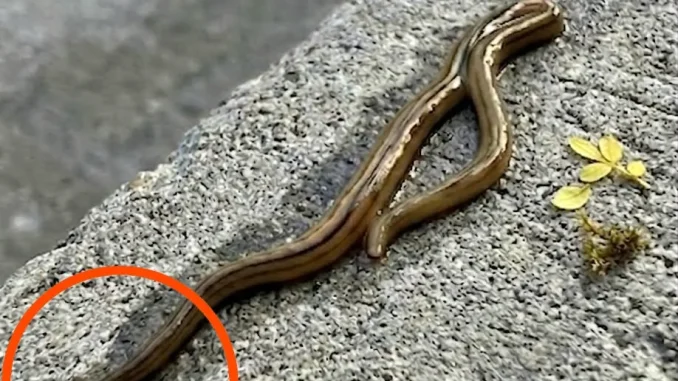
Introduction to Hammerhead Worms
In recent years, the presence of hammerhead worms has garnered attention among ecologists and gardeners alike. These terrestrial flatworms, often unnoticed due to their elusive behavior and nocturnal habits, play a significant role in soil ecosystems, albeit a disruptive one. Recognizable by their distinctive broad, hammer-shaped head, these worms are not native to many regions where they have been found, earning them the classification of invasive species.
Physical Characteristics and Movement
Hammerhead worms possess a smooth, elongated body, typically ranging from several centimeters to over a foot in length depending on the species and environmental conditions. Their movement is facilitated by a combination of cilia—tiny hair-like structures covering their ventral surface—and a layer of mucus that reduces friction. This allows them to glide silently over various surfaces, from moist soil to leaf litter. The mucus also aids in moisture retention, which is vital for their survival since these flatworms are sensitive to desiccation.
Ecological Role and Impact
While earthworms are often celebrated for their beneficial role in aerating soil and enhancing nutrient cycling, hammerhead worms pose a threat to these valuable invertebrates. As predators, hammerhead worms feed primarily on earthworms and other small soil organisms, using a protrusible pharynx to engulf their prey. By reducing earthworm populations, they indirectly affect soil structure and fertility, potentially disrupting plant growth and the broader ecosystem.
Invasive Distribution and Spread
Originally native to tropical and subtropical regions, hammerhead worms have been reported in various parts of the world, including parts of North America, Europe, and Asia. Their spread is often facilitated by human activities, such as the movement of soil, potted plants, and gardening materials. Once introduced into a new environment, their ability to regenerate from small body fragments enables them to establish populations quickly, making management challenging.
Safety Considerations and Handling
An important aspect of hammerhead worm biology is the presence of toxins in their tissues, which serve as a defense mechanism against predators. These toxins can cause irritation if handled directly, and there are reports advising against touching these worms with bare hands. Moreover, attempts to kill them by crushing can inadvertently aid their reproduction since fragments can regenerate into new individuals. Proper handling involves using gloves and careful removal techniques to minimize spread.
Observing the Hidden Biodiversity Around Us
The discovery of hammerhead worms in local environments highlights how much remains to be learned about the small, often overlooked creatures living in our immediate surroundings. These organisms contribute to the intricate balance of ecosystems, and their presence or absence can have cascading effects on soil health and biodiversity. Increased awareness and scientific study are essential for understanding their roles and managing invasive populations responsibly.
Management Strategies and Research
Current approaches to managing hammerhead worm populations focus on prevention, early detection, and physical removal. Researchers are investigating potential biological controls and environmental factors that may limit their spread. Public education campaigns encourage gardeners and horticulturists to inspect plants and soil materials carefully before transport. Continued research is vital to develop effective, environmentally sound solutions.
Conclusion
Hammerhead worms serve as a reminder of the complexity and interconnectedness of soil ecosystems. Although small and often hidden, their impact on earthworm populations and soil health is significant. By expanding our knowledge and adopting cautious practices, we can better protect our local environments from invasive species and preserve the vital functions of soil ecosystems for future generations.
Interactions with Other Soil Organisms
The presence of hammerhead worms in soil ecosystems influences a range of organisms beyond just earthworms. Soil is a complex habitat hosting numerous species such as nematodes, arthropods, fungi, and bacteria, all contributing to nutrient cycling and plant health. Hammerhead worms, as predators, may impact populations of smaller invertebrates, potentially altering the microbial balance indirectly. Understanding these interactions requires detailed ecological studies, as shifts in soil biodiversity can affect decomposition rates, nutrient availability, and overall soil fertility.
Role in Soil Food Webs
Hammerhead worms occupy a specific niche within the soil food web as mesopredators. Their predation on earthworms and other invertebrates positions them as regulators of soil fauna populations. However, because earthworms themselves are key ecosystem engineers, the reduction of their numbers by hammerhead worms can lead to trophic cascades, affecting plant root systems and nutrient uptake. Research into these food web dynamics offers insights into how invasive species disrupt established ecological relationships and may inform restoration strategies.
Challenges in Identification and Public Awareness
One of the challenges in managing hammerhead worm populations is their subtle appearance and nocturnal habits, which make them difficult for the general public to detect. Many people may mistake them for harmless slugs or native flatworms, leading to underreporting and unintentional spread through garden activities. Enhancing public awareness through educational materials, workshops, and citizen science initiatives can empower communities to recognize and report sightings, aiding early detection and control efforts.
Implications for Agriculture and Horticulture
In agricultural and horticultural settings, soil health is paramount for crop productivity and sustainability. The predation pressure from hammerhead worms on beneficial earthworms can have economic repercussions by impairing soil aeration and nutrient cycling. Farmers and gardeners may notice changes in soil texture and plant growth patterns without immediately identifying the cause. Integrating monitoring for invasive flatworms into soil health assessments can help mitigate potential impacts on food production.
Global Spread and Biosecurity Measures
The international movement of goods, plants, and soil materials has facilitated the global dispersal of hammerhead worms. This underscores the importance of biosecurity measures at borders, nurseries, and during transportation. Quarantine protocols, inspection of imported plants, and restrictions on soil movement are critical components of preventing new introductions. Coordination between governmental agencies, researchers, and the horticultural industry strengthens these efforts to safeguard native ecosystems.
Innovations in Detection and Control
Advancements in molecular biology and imaging technologies offer promising tools for detecting hammerhead worm populations. Environmental DNA (eDNA) sampling allows for the identification of species presence through genetic material found in soil or water samples, even when individuals are not directly observed. Additionally, research into natural predators, pathogens, or environmental conditions unfavorable to hammerhead worms may yield sustainable control methods. Such innovations require interdisciplinary collaboration and long-term field studies.
Ethical Considerations in Management
Managing invasive species like hammerhead worms raises ethical questions concerning intervention in natural systems. While control is necessary to protect native biodiversity and ecosystem services, methods employed should minimize harm to non-target species and the environment. Transparency in decision-making, public engagement, and adherence to ecological principles are important to ensure responsible management practices.
Educational Opportunities and Citizen Science
The study of hammerhead worms presents unique educational opportunities to engage students and the public in ecology, invasive species biology, and environmental stewardship. Citizen science projects can involve community members in monitoring efforts, fostering a connection with local biodiversity and raising awareness about invasive threats. Such involvement not only enhances data collection but also builds support for conservation initiatives.
Future Research Directions
Continued research is essential to fully understand the biology, ecology, and impacts of hammerhead worms. Areas of interest include reproductive biology, population genetics, interactions with native species, and responses to environmental variables. Long-term monitoring programs can track changes in distribution and population dynamics, informing adaptive management. Collaborative international research enhances knowledge exchange and harmonizes approaches to this global challenge.
Practical Advice for Home Gardeners
Gardeners play a critical role in preventing the spread of hammerhead worms. Recommendations include inspecting plants and soil before bringing them home, using gloves when handling soil or debris, and reporting sightings to local extension services or invasive species organizations. Avoiding the disposal of garden waste in natural areas reduces the risk of introducing invasive flatworms to new sites. Maintaining healthy soil through organic practices can also support native soil fauna resilience.
Summary
Hammerhead worms, though small and often overlooked, exemplify the complex challenges posed by invasive species in soil ecosystems. Their predatory behavior threatens beneficial invertebrates, with cascading effects on soil health and plant communities. Addressing these challenges requires a multifaceted approach involving research, public engagement, biosecurity, and ethical management. By deepening our understanding and fostering responsible stewardship, we can better protect the vital functions of soil ecosystems for present and future generations.
Monitoring and Reporting Hammerhead Worm Sightings
Effective management of hammerhead worm populations relies heavily on accurate monitoring and timely reporting by the public and professionals alike. Citizen science initiatives have proven valuable in gathering data on the distribution and abundance of these flatworms. Mobile applications and online reporting platforms allow users to submit photographs and location details, which experts can verify. This collaborative approach enhances early detection efforts and informs management decisions. Encouraging participation through educational outreach can improve data quality and coverage.
The Role of Soil Health Indicators in Detecting Hammerhead Worm Impact
Soil health indicators, such as earthworm abundance, organic matter content, and microbial activity, provide insights into the ecological impact of hammerhead worms. Regular soil assessments can help detect changes in these parameters, signaling potential predation pressure or disruption. Integrating invasive species monitoring with routine soil health evaluations enables land managers and farmers to take proactive measures. Understanding baseline soil conditions is crucial in differentiating hammerhead worm effects from other environmental stressors.
Potential for Ecological Restoration Following Hammerhead Worm Control
Restoration of soil ecosystems after hammerhead worm population reduction involves reestablishing native invertebrate communities and improving soil structure. Techniques may include the introduction of native earthworm species, organic amendments to enhance soil fertility, and habitat modifications to support diverse soil fauna. Restoration efforts should be guided by ecological principles and tailored to specific site conditions. Long-term monitoring is essential to evaluate recovery success and to prevent reinvasion.
Cross-Disciplinary Research and Collaboration
Addressing the challenges posed by hammerhead worms benefits from cross-disciplinary collaboration among ecologists, soil scientists, molecular biologists, and social scientists. Integrating ecological data with genetic studies can clarify pathways of invasion and population connectivity. Social science research helps understand human behaviors contributing to spread and supports the design of effective communication strategies. Collaborative networks facilitate knowledge exchange, promote standardized methodologies, and strengthen global responses to invasive species.
Lessons from Other Invasive Soil Organisms
Experiences with other invasive soil organisms, such as the New Zealand flatworm or invasive earthworm species, provide valuable lessons for managing hammerhead worms. These cases highlight the importance of early intervention, public awareness, and ongoing research. Understanding factors that influence establishment success and ecosystem impacts can inform predictive models and risk assessments. Adaptive management frameworks that incorporate monitoring feedback improve outcomes and resource allocation.
The Importance of Preserving Soil Biodiversity
Soil biodiversity underpins many ecosystem services, including nutrient cycling, water filtration, and plant health. The introduction of invasive species like hammerhead worms threatens this biodiversity by altering species composition and interactions. Protecting soil biodiversity requires integrated approaches that consider land use practices, invasive species control, and habitat conservation. Promoting soil stewardship among stakeholders fosters sustainable management and resilience against ecological disturbances.
Policy Implications and Regulatory Frameworks
Effective policy and regulatory frameworks are essential for preventing and managing hammerhead worm invasions. This includes establishing quarantine measures, regulating the trade of soil and plant materials, and funding research and control programs. Policymakers must balance economic interests with environmental protection, guided by scientific evidence. International cooperation enhances biosecurity, especially given the transboundary nature of invasive species.
Public Engagement and Environmental Education
Raising awareness about hammerhead worms and their ecological impact is critical for community support of management efforts. Environmental education programs in schools, community groups, and gardening organizations can disseminate information on identification, prevention, and reporting. Engaging the public fosters a sense of ownership and responsibility for local ecosystems. Educational materials should be accessible, culturally relevant, and based on current scientific knowledge.
Technological Advances in Invasive Species Management
Emerging technologies, such as remote sensing, machine learning, and automated image recognition, offer new avenues for detecting and monitoring hammerhead worms. These tools can process large datasets efficiently, identify patterns, and predict invasion hotspots. Integration with geographic information systems (GIS) supports spatial analysis and decision-making. Continued innovation and validation are necessary to ensure reliability and practical application in field settings.
Supporting Sustainable Gardening Practices
Promoting sustainable gardening practices can reduce the risk of hammerhead worm introduction and spread. These practices include sourcing plants from reputable suppliers, minimizing soil disturbance, and maintaining diverse plantings that support native soil fauna. Organic mulches and composting can enhance soil health and resilience. Gardeners should be encouraged to adopt integrated pest management strategies that consider the broader ecological context.
Future Directions in Hammerhead Worm Research
Future research priorities include investigating the reproductive biology and life cycle variations of hammerhead worms across different environments. Studies on their physiological adaptations to temperature and moisture can inform predictions of range expansion under climate change scenarios. Exploring genetic diversity within populations may reveal insights into invasion history and potential vulnerabilities. Collaborative international research efforts will be instrumental in filling knowledge gaps and developing comprehensive management strategies.
Summary and Key Takeaways for Readers
Hammerhead worms represent a subtle yet significant threat to soil ecosystems through their predation on beneficial invertebrates. Understanding their biology, ecological impact, and pathways of spread is essential for effective management. Public participation, scientific research, and policy support form the foundation of response efforts. By fostering awareness and adopting responsible practices, individuals and communities contribute to the protection and restoration of healthy soil environments. Continued vigilance and adaptive management will help mitigate the challenges posed by this invasive species.