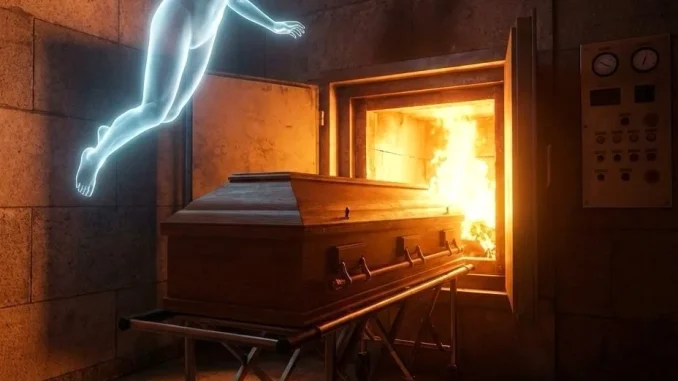
The practices surrounding the handling of a deceased person’s remains have long been subjects of thoughtful consideration within Christian communities. Among these practices, burial and cremation stand out as the most common methods, each carrying distinct traditions, theological reflections, and cultural meanings. While the Bible offers narratives that often depict burial, it does not explicitly mandate one method over the other, allowing for a diversity of respectful approaches grounded in faith and reverence.
Historical Context of Burial and Cremation in Christianity
Historically, burial has been the predominant practice among Christians, largely because of its strong presence in biblical accounts. For example, the burial of Jesus Christ is a foundational event commemorated in Christian teachings, symbolizing both respect for the body and the anticipation of resurrection. Early Christians often chose burial to express hope in eternal life and to honor the body as a temple of the Holy Spirit.
However, over the centuries, circumstances such as war, persecution, and geographic challenges meant that many believers could not be buried in traditional graves. Despite these situations, the Christian hope in resurrection remained intact, demonstrating that physical circumstances did not limit spiritual beliefs.
Theological Considerations
Theologically, the focus within Christianity is less on the physical method of body disposition and more on the spiritual truths connected to death and afterlife. Scripture emphasizes dignity, remembrance, and trust in God’s promise to raise the dead. This promise underpins the hope that transcends physical forms and earthly practices.
Many theologians argue that the body is an important part of the human person, deserving of respect in death as in life. At the same time, the body’s final state, whether buried or cremated, does not restrict God’s power or the soul’s eternal destiny. The soul’s rest and resurrection hope are central themes that provide comfort and meaning beyond the physical aspects.
Modern Perspectives and Practices
In contemporary Christian contexts, cremation has become increasingly accepted. This shift reflects changes in cultural attitudes, practical considerations, and theological openness. When cremation is chosen thoughtfully—with reverence, prayer, and a desire to honor both God and the deceased—it is often viewed as compatible with Christian faith.
Many Christian denominations now provide guidelines for cremation that encourage respectful handling of ashes, memorial services, and reflection on the spiritual significance of death and resurrection. These practices help maintain a sense of dignity and remembrance, aligning with the core values of Christian belief.
Personal Reflection and Decision-Making
Choosing between burial and cremation is often a deeply personal decision for individuals and families. This choice can reflect personal values, cultural background, environmental concerns, and spiritual beliefs. For many, it offers an opportunity to express their trust in God’s promises and their understanding of life, death, and hope.
Engaging in open conversations with faith leaders, family members, and community can provide support and clarity during this decision-making process. It helps ensure that the chosen practice honors the deceased and aligns with the beliefs and values held by those making the arrangements.
The Role of Memory and Commemoration
Regardless of the method chosen, the importance of memory and commemoration remains central in Christian practice. Memorial services, prayers, and rituals serve to honor the life of the deceased and affirm the community’s shared hope in resurrection.
These acts foster connection among the living and provide comfort by affirming the belief that death is not the end. They underscore the ongoing relationship between the living and those who have passed on, rooted in faith and love.
Environmental and Practical Considerations
In recent times, environmental factors have also influenced decisions about burial and cremation. Cremation generally requires less land use, which can be a consideration in urban areas or places with limited cemetery space. Conversely, some opt for natural burial methods that minimize environmental impact.
Practical aspects such as cost, availability of burial plots, and cultural customs also play important roles. Understanding these factors alongside spiritual beliefs can help individuals make informed and meaningful choices.
Conclusion
The choice between burial and cremation within Christian traditions is multifaceted, involving scriptural interpretation, theological reflection, historical practices, and personal values. Neither method diminishes the profound hope in resurrection that is central to Christian faith.
Ultimately, these practices serve as expressions of dignity, remembrance, and trust in God’s promises. Through respectful and thoughtful decisions, individuals and communities can honor both the physical remains and the enduring spiritual hope that defines Christian understanding of life and death.
Cultural Variations in Christian Burial and Cremation Practices
Across the global Christian community, cultural traditions deeply influence how burial and cremation are approached and understood. In some regions, centuries-old customs continue to shape practices, blending local heritage with Christian theology. For example, in Eastern Orthodox Christianity, burial remains the preferred method, reflecting a strong emphasis on the resurrection of the body and the sanctity of the physical remains. In contrast, many Protestant communities, especially in Western countries, have embraced cremation more broadly as both a practical and theologically acceptable option.
Understanding these cultural nuances enriches the broader Christian conversation by highlighting how faith interacts with local customs, societal norms, and historical developments. This diversity also illustrates the adaptability of Christian belief to various contexts while maintaining core theological convictions.
The Importance of Ritual and Liturgy in Funeral Practices
Rituals and liturgical elements are central to Christian funerals, serving both to honor the deceased and to provide spiritual support for the bereaved. Whether the body is buried or cremated, rites such as the funeral Mass, prayers for the dead, and the committal service play vital roles in expressing communal faith and hope.
These ceremonies often include readings from Scripture, hymns, and prayers that focus on themes of resurrection, eternal life, and God’s mercy. The rituals provide a framework for mourning that acknowledges loss while affirming the promise of new life beyond death. When cremation is part of the process, liturgical guidelines often ensure that the handling of ashes is conducted with reverence and in accordance with Church teachings.
Pastoral Care and Support Around Death
Christian pastoral care extends beyond doctrinal positions on burial or cremation; it encompasses emotional and spiritual support for individuals and families facing death. Clergy and pastoral counselors help guide decisions, provide comfort, and facilitate meaningful farewell rituals that align with faith and personal values.
This holistic approach recognizes that the bereavement process is complex and deeply personal. By addressing the spiritual, psychological, and communal aspects of death, pastoral care fosters healing and hope. It also encourages open dialogue about death, helping communities confront mortality with faith and grace.
Interfaith Perspectives and Ecumenical Dialogue
In an increasingly interconnected world, many Christians find themselves engaging with diverse religious traditions that have different views on death rites. Interfaith dialogue encourages mutual respect and understanding regarding burial and cremation practices, emphasizing shared human concerns about dignity, remembrance, and the afterlife.
Ecumenical conversations within Christianity itself have also promoted greater acceptance of varied practices. Many denominations now collaborate to create guidelines that honor both tradition and contemporary realities, reflecting a spirit of unity amid diversity.
Legal and Ethical Considerations
Legal frameworks and ethical considerations often influence how burial and cremation are conducted. Regulations regarding the disposal of remains, cemetery management, and environmental protection vary widely by country and region, affecting both individual choices and institutional policies.
Ethically, Christians are encouraged to consider the implications of their decisions, including respect for the deceased, the impact on the living, and stewardship of creation. These considerations invite thoughtful reflection on how best to honor both spiritual convictions and societal responsibilities.
The Role of Education and Resources
Providing education about burial and cremation options helps individuals and families make informed decisions that align with their faith and values. Churches, seminaries, and Christian organizations increasingly offer resources that explain theological perspectives, practical considerations, and spiritual reflections related to end-of-life choices.
Such education can dispel misconceptions, reduce anxiety, and empower believers to approach these decisions thoughtfully. It also fosters transparency and confidence within Christian communities about the evolving practices surrounding death and remembrance.
Legacy and Memorialization in Christian Life
Beyond immediate funeral practices, Christians often consider how their choices about burial or cremation contribute to their lasting legacy. Memorialization through gravesites, columbaria, or other forms of remembrance plays a role in communal memory and spiritual continuity.
These memorials serve as tangible reminders of faith, hope, and love, offering places for reflection, prayer, and connection with past generations. Whether through traditional headstones, plaques, or digital memorials, the ways in which Christians commemorate the dead continue to evolve while maintaining a focus on eternal life.
Environmental Stewardship and Christian Ethics
Growing awareness of environmental issues has led many Christians to explore how their end-of-life choices align with stewardship principles. Natural or green burials, which minimize environmental impact, and the consideration of cremation’s ecological footprint are increasingly part of these conversations.
Christian ethics encourages care for creation as a divine gift, prompting believers to weigh the environmental consequences of burial and cremation practices alongside theological and personal factors. This integration of faith and ecology reflects a holistic approach to honoring God through life and death.
Future Trends and Continuing Conversations
As societies and technologies evolve, so too will Christian practices related to burial and cremation. Innovations such as biodegradable urns, memorial reefs, and digital remembrance platforms are expanding the ways people honor the deceased while engaging with faith traditions.
Ongoing theological reflection, pastoral guidance, and community dialogue will be essential in navigating these developments. By balancing respect for tradition with openness to new expressions, the Christian community can continue to provide meaningful, faith-centered approaches to death and remembrance.
Reader Takeaways
Understanding burial and cremation within Christian traditions involves appreciating a rich tapestry of history, theology, culture, and personal conviction. Each practice, when embraced with reverence and faith, serves as a profound expression of Christian hope and dignity.
Readers are encouraged to engage thoughtfully with their own beliefs, seek guidance from trusted faith leaders, and consider the broader implications of their choices. In doing so, they contribute to a legacy of faith that honors both the body and the soul, grounded in the enduring promise of resurrection.
The Influence of Technological Advances on Christian Burial and Cremation Practices
Technological advances have begun to influence how Christian communities approach burial and cremation, introducing new methods and options that complement traditional practices. Innovations such as biodegradable urns, which allow ashes to contribute to the growth of plants or trees, offer environmentally conscious alternatives that resonate with Christian values of stewardship and respect for creation. Additionally, the use of digital memorials and online remembrance platforms has expanded the ways communities can honor the deceased, providing virtual spaces for prayer, reflection, and shared memories across distances.
These technologies do not replace the core spiritual elements of Christian funerary rites but rather provide additional means for meaningful commemoration. They can help families and congregations maintain connections and uphold traditions in a changing cultural landscape. As these developments continue, ongoing theological reflection will be important to ensure that new practices remain aligned with Christian teachings on death, resurrection, and eternal life.
The Role of Education in Shaping Contemporary Christian Views on Death
Education plays a crucial role in shaping contemporary Christian views on burial, cremation, and death more broadly. Seminaries, churches, and Christian organizations increasingly incorporate teachings on end-of-life issues into their curricula and community programs. This education often addresses theological foundations, practical considerations, and pastoral care, equipping clergy and laypersons alike to navigate these sensitive topics with compassion and clarity.
By fostering informed discussions, education helps dispel myths and misunderstandings that may cause fear or confusion about death and afterlife practices. It also encourages believers to consider how their decisions about burial or cremation reflect their faith commitments and personal values. Educational efforts contribute to a culture of openness and support, enabling individuals and families to approach these choices with confidence and reverence.
The Importance of Community Support in Grieving and Memorialization
Christian understanding of death emphasizes not only individual hope but also communal support and solidarity. The grieving process is often facilitated within the context of the community, where shared rituals, prayers, and fellowship provide comfort and strength. Whether through traditional funeral gatherings or newer forms of remembrance, community involvement affirms that those who mourn are not alone.
This communal aspect underscores the social and spiritual dimensions of death, reminding believers that honoring the deceased is also an expression of mutual care and faith. It fosters resilience and healing by situating personal loss within the broader narrative of Christian hope and the promise of resurrection.
Navigating Diverse Beliefs Within Christian Communities
Christian communities are diverse, encompassing a range of beliefs and practices concerning death and body disposition. This diversity can sometimes lead to differing opinions on burial versus cremation, reflecting theological nuances, cultural backgrounds, and denominational teachings. Navigating these differences with respect and understanding is essential for maintaining unity and mutual support.
Open dialogue within congregations and among faith leaders can help bridge gaps, promote inclusivity, and honor individual convictions while upholding shared values. Recognizing this diversity as a strength rather than a source of division enriches the collective Christian witness regarding life, death, and hope.
Encouraging Personal Reflection and Spiritual Preparation
Ultimately, the choice between burial and cremation invites personal reflection and spiritual preparation. Christians are encouraged to contemplate their beliefs about the body, death, and resurrection, and to communicate their wishes clearly to loved ones and faith communities. This preparation can provide peace of mind and ensure that end-of-life arrangements reflect one’s faith journey and values.
Spiritual practices such as prayer, meditation, and participation in communal worship can support this reflection, helping individuals face mortality with grace and trust. By engaging thoughtfully with these questions, believers affirm their hope in God’s promises and contribute to a meaningful legacy for future generations.
Reader Takeaways
The evolving landscape of burial and cremation practices within Christianity highlights a dynamic interplay between tradition, theology, culture, and innovation. Readers are encouraged to approach these topics with openness, seeking knowledge and spiritual guidance while honoring personal and communal convictions.
By fostering informed and compassionate conversations, individuals and faith communities can navigate end-of-life decisions that respect both the dignity of the human body and the enduring hope of resurrection. This balanced perspective supports a holistic understanding of death that is both faithful to Christian teachings and responsive to contemporary realities.