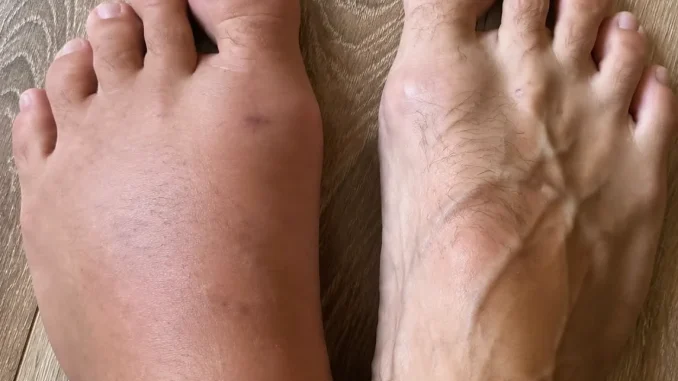
Swollen feet, medically referred to as peripheral edema, are a common condition that affects many individuals at some point in their lives. While often a temporary inconvenience, swelling in the feet and lower legs can sometimes indicate underlying health issues that require attention. This article delves into the various causes of swollen feet, practical approaches to managing this condition at home, and critical warning signs that should prompt a visit to a healthcare professional.
Causes of Swollen Feet
Swelling in the feet occurs when excess fluid accumulates in the tissues, resulting in puffiness and a feeling of heaviness. Several factors can contribute to this fluid retention. One of the simplest causes is prolonged standing or sitting, which reduces blood circulation and allows fluid to pool in the lower extremities. Hot weather can also expand blood vessels, making swelling more noticeable.
Dietary habits play a significant role as well. Consuming foods high in sodium can lead to water retention, exacerbating swelling. Pregnancy is another common cause due to increased pressure on veins and hormonal changes. Beyond these benign causes, swelling may also signal more serious conditions such as venous insufficiency, where veins have difficulty returning blood to the heart; deep vein thrombosis (DVT), which is a blood clot in a deep vein; heart failure, kidney disease, or liver problems. Understanding the root cause is essential for appropriate management.
Recognizing Symptoms and When to Be Concerned
Not all swelling requires urgent care, but certain symptoms should alert individuals to seek medical advice promptly. Swelling that is sudden, severe, or confined to one leg may be a sign of blood clots, which are potentially life-threatening if untreated. Accompanying symptoms such as redness, warmth, pain, shortness of breath, or chest discomfort also warrant immediate evaluation.
Chronic swelling accompanied by other signs like fatigue, unexplained weight gain, or changes in urine output could suggest heart, kidney, or liver conditions. In these cases, a healthcare provider can perform diagnostic tests and recommend appropriate interventions.
Home Strategies for Managing Swollen Feet
Many cases of mild to moderate swelling can be managed effectively at home through lifestyle adjustments. Elevating the legs above heart level several times a day helps reduce fluid accumulation by aiding venous return. Staying well-hydrated encourages kidney function and minimizes fluid retention.
Wearing compression stockings can provide gentle pressure that supports circulation and prevents swelling. It is important to choose the right fit and compression level, often guided by a healthcare professional. Incorporating potassium-rich foods such as bananas, spinach, and sweet potatoes may help balance sodium levels and reduce fluid retention.
Regular physical activity, including walking and leg stretches, improves blood flow and prevents stiffness. Wearing comfortable, supportive footwear also contributes to better circulation and reduces discomfort associated with swelling.
When Medical Evaluation Is Necessary
Persistent swelling that does not improve with home care should be evaluated by a healthcare provider. Diagnostic tools such as ultrasound imaging, blood tests, and physical examinations can help identify underlying causes. Treatment will depend on the diagnosis and may include medications, lifestyle changes, or more specialized interventions.
For individuals with risk factors such as a history of blood clots, heart disease, kidney issues, or liver conditions, monitoring swelling closely and maintaining regular medical check-ups is advisable. Early detection and management of underlying health problems can prevent complications and improve quality of life.
Preventive Measures and Long-Term Care
Prevention of swollen feet involves adopting habits that promote healthy circulation and fluid balance. Maintaining a balanced diet low in excessive salt, engaging in regular exercise, avoiding prolonged immobility, and managing chronic medical conditions effectively are key strategies.
For those who spend long hours on their feet or sitting, incorporating breaks to move and stretch can significantly reduce the risk of swelling. Wearing appropriate footwear and compression garments during high-risk periods, such as pregnancy or travel, can also be beneficial.
Understanding the Body’s Signals
Swelling in the feet is more than a simple discomfort; it can be a valuable indicator of overall health. Paying attention to changes in swelling patterns, accompanying symptoms, and response to home care can provide important clues about when to seek professional help.
By combining awareness, preventive measures, and timely medical evaluation, individuals can effectively manage swollen feet and maintain their well-being. If you experience persistent or concerning swelling, consulting a healthcare provider is the best step toward ensuring appropriate care and peace of mind.
Understanding the Role of Lifestyle Factors in Preventing Swollen Feet
Beyond immediate remedies, long-term lifestyle choices significantly influence the frequency and severity of swollen feet. Maintaining a healthy weight reduces pressure on veins in the legs, which can improve circulation and decrease fluid buildup. Obesity is a recognized risk factor for venous insufficiency and other circulatory problems that contribute to swelling.
Smoking cessation is another critical factor. Nicotine and other substances in cigarettes can damage blood vessel walls and impair circulation, exacerbating swelling and increasing the risk of blood clots. Quitting smoking not only benefits vascular health but also supports overall well-being.
Stress management and adequate sleep also play supportive roles. Chronic stress may affect hormonal balance and inflammation, potentially influencing fluid retention. Prioritizing restful sleep supports the body’s repair mechanisms and circulatory health.
Understanding Medication Effects on Swelling
Certain medications can contribute to peripheral edema as a side effect. Common culprits include calcium channel blockers used for hypertension, corticosteroids, nonsteroidal anti-inflammatory drugs (NSAIDs), and some antidepressants. These drugs may cause fluid retention by affecting kidney function or altering blood vessel permeability.
If swelling develops after starting new medication, it is important to discuss this with a healthcare provider rather than stopping the medication abruptly. Adjusting the dosage or switching to an alternative medication under medical supervision may alleviate swelling.
The Importance of Accurate Diagnosis
Proper diagnosis is essential to distinguish between benign causes of swollen feet and those requiring urgent intervention. Healthcare providers may perform a physical examination, assessing for signs such as pitting edema (when pressing on the swollen area leaves an indentation), skin changes, and temperature differences.
Diagnostic tests may include blood tests to evaluate kidney and liver function, heart function tests such as echocardiograms, and imaging studies like Doppler ultrasound to assess blood flow and detect clots. In some cases, more specialized investigations may be necessary.
This comprehensive approach ensures that underlying conditions are identified and appropriately managed, reducing the risk of complications.
Swollen Feet in Special Populations
Pregnant Women
Swelling during pregnancy is common due to hormonal changes and increased pressure on veins from the growing uterus. Although usually benign, pregnant women should monitor swelling carefully, especially if it is sudden or accompanied by headaches or visual disturbances, which may indicate conditions like preeclampsia.
Elderly Individuals
Aging can affect the efficiency of the circulatory system and kidney function, increasing susceptibility to swelling. Additionally, older adults may have multiple health conditions or medications contributing to edema. Regular health monitoring and tailored interventions are important in this group.
Athletes
Intense physical activity can sometimes lead to transient swelling due to muscle strain or increased blood flow. Proper hydration, rest, and gradual progression in training intensity help mitigate this.
When to Use Compression Therapy
Compression stockings are a widely recommended non-invasive therapy for managing swollen feet and legs. They work by applying graduated pressure, highest at the ankle and decreasing up the leg, to promote venous return and prevent fluid accumulation.
Choosing the correct type and compression level is crucial. Medical-grade stockings come in various pressures, typically measured in millimeters of mercury (mmHg). A healthcare professional can assess the severity of swelling and recommend appropriate compression garments.
It is important to wear compression stockings during the day and remove them at night, unless otherwise advised. Proper fitting ensures comfort and effectiveness, as ill-fitting stockings can cause discomfort or worsen circulation.
Role of Physical Therapy and Exercise
Physical therapists can design individualized exercise programs to enhance circulation and reduce swelling. Exercises that engage the calf muscles, such as ankle pumps, heel raises, and walking, act as a natural pump to push blood back toward the heart.
In some cases, manual lymphatic drainage massage may be recommended to stimulate lymph flow and reduce fluid retention. This specialized therapy requires training and should be performed by qualified practitioners.
Incorporating gentle stretching and strengthening exercises also supports joint mobility and overall leg function.
Nutrition and Hydration Considerations
Balanced nutrition plays a supportive role in managing and preventing swollen feet. While reducing excessive sodium intake is important to minimize fluid retention, it is equally crucial to maintain adequate hydration. Drinking sufficient water helps kidneys flush out excess sodium and waste products.
Including foods rich in antioxidants and anti-inflammatory properties, such as fruits, vegetables, nuts, and whole grains, may support vascular health. Potassium-rich foods help counterbalance sodium’s effects and promote fluid balance.
Consulting with a registered dietitian can provide personalized guidance tailored to individual health needs and conditions.
Psychosocial Impact and Coping Strategies
Chronic swelling can affect quality of life by causing discomfort, limiting mobility, and sometimes leading to self-consciousness about appearance. Recognizing the psychosocial aspects is important for comprehensive care.
Support groups, counseling, or educational resources may help individuals cope with the emotional aspects of living with chronic edema. Engaging in social activities and maintaining an active lifestyle within tolerated limits contribute positively to mental health.
Future Directions and Research
Ongoing research continues to explore improved diagnostic tools, treatment modalities, and preventive strategies for peripheral edema. Advances in wearable technology and telemedicine offer potential for remote monitoring and timely interventions.
Emerging therapies targeting the lymphatic system and novel pharmacological agents aim to enhance fluid regulation and vascular health. Staying informed about new developments through reliable medical sources can empower individuals and healthcare providers alike.
Takeaway for Readers
Swollen feet are a common symptom with diverse causes ranging from benign lifestyle factors to serious medical conditions. Understanding the underlying mechanisms and recognizing warning signs enable timely and effective management.
Adopting healthy lifestyle habits, seeking professional evaluation when needed, and following recommended treatments can improve outcomes and quality of life. If swelling is persistent, worsening, or accompanied by concerning symptoms, prompt medical consultation is essential.
Environmental and Occupational Factors Affecting Swelling
Certain environmental and occupational conditions can contribute to the development or worsening of swollen feet. Jobs that require prolonged standing, such as retail work, teaching, or factory work, increase the risk of fluid pooling in the lower limbs. Similarly, exposure to high temperatures without adequate cooling or hydration can exacerbate swelling. Understanding these factors allows individuals and employers to implement preventive measures, such as providing opportunities for breaks, encouraging leg elevation, and ensuring access to hydration.
Travel and Swollen Feet
Long-duration travel, especially by air or car, is a recognized risk factor for swelling due to prolonged immobility and pressure changes. Travelers are advised to move regularly, perform simple leg exercises, and wear compression stockings when appropriate. Staying hydrated and avoiding excessive alcohol or caffeine intake during travel can also help prevent fluid retention. Awareness of these guidelines is particularly important for individuals with pre-existing circulatory issues or a history of blood clots.
Understanding Lymphedema
While swelling in the feet is often related to fluid accumulation in the veins, it can also be caused by lymphatic system dysfunction, a condition known as lymphedema. This occurs when lymph fluid is unable to drain properly, leading to chronic swelling. Lymphedema may result from infections, surgery, radiation therapy, or congenital abnormalities. Managing lymphedema typically involves specialized therapies such as compression bandaging, manual lymphatic drainage, and skin care to prevent infections. Early diagnosis and intervention are key to controlling symptoms and improving quality of life.
The Role of Footwear in Managing Swelling
Choosing appropriate footwear can significantly influence comfort and swelling. Shoes that provide adequate support, have a wide toe box, and avoid excessive tightness help promote circulation and reduce pressure on swollen areas. Avoiding high heels or shoes that constrict the ankle can prevent worsening of edema. For those with persistent swelling, consulting a podiatrist for custom orthotics or specialized footwear may be beneficial.
Community and Healthcare Resources
Access to healthcare and community resources can impact the management of swollen feet, especially for individuals with chronic conditions. Many clinics offer vascular assessments, physical therapy, nutritional counseling, and patient education programs. Support from family, caregivers, and social services also plays a vital role in adherence to treatment plans and lifestyle modifications. Awareness of available resources enhances patient outcomes and supports long-term management.
Cultural and Societal Perspectives
Perceptions and approaches to swelling and its treatment can vary widely across cultures and societies. Some traditional remedies or practices may be used alongside or instead of conventional medical care. It is important for healthcare providers to approach treatment with cultural sensitivity, encouraging open communication and integrating patient preferences when possible. Educating patients about evidence-based practices while respecting cultural backgrounds fosters trust and better health outcomes.
Summary and Practical Tips
- Monitor swelling patterns and note any changes or new symptoms.
- Incorporate regular movement and leg elevation into daily routines.
- Maintain a balanced diet low in excessive salt and rich in potassium.
- Wear comfortable, supportive footwear and consider compression stockings if recommended.
- Stay hydrated and avoid long periods of immobility, particularly during travel or work.
- Seek timely medical evaluation for persistent, painful, or asymmetrical swelling.
- Utilize available healthcare and community resources for comprehensive care.
By understanding the multifaceted factors influencing swollen feet and adopting a proactive approach, individuals can better manage symptoms and support overall vascular health.