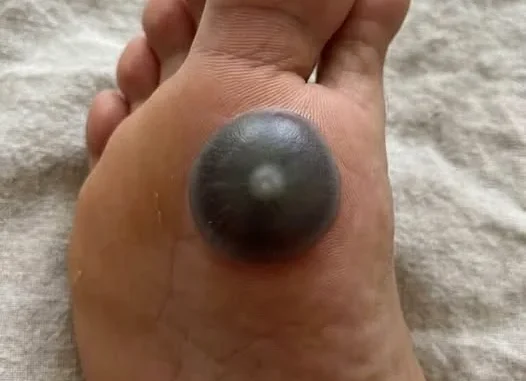
Blisters on the feet are a common concern among children, especially those who are active or have experienced some form of pressure or minor injury. While most blisters are harmless and heal on their own, large or painful blisters warrant careful attention to prevent complications. This article explores the types of blisters, their causes, symptoms to watch for, and recommended steps for management and when to seek professional medical care.
Types and Causes of Blisters in Children
Blisters are fluid-filled sacs that form on the skin, usually as a protective response to friction, pressure, burns, or trauma. In children, common causes include ill-fitting shoes, prolonged walking or running, and accidental knocks or bumps. Some blisters contain clear fluid, while others may be filled with blood, resulting in what is known as a blood blister.
Blood blisters arise when small blood vessels beneath the skin rupture without breaking the surface, causing blood to pool within the blister. These can appear dark red or purplish and may be more painful than typical blisters. Besides mechanical causes, blisters can sometimes be a sign of infection or an allergic reaction, though these are less common.
Recognizing Symptoms and Assessing Severity
When a child develops a blister on the foot, it is important to observe its characteristics carefully. Key factors to consider include size, color, texture, temperature, and the child’s overall comfort.
- Size and Color: Large blisters, especially those that are dark or blood-filled, require more attention than small, clear ones.
- Texture and Temperature: A soft, fluid-filled blister is less concerning than a blister that feels firm, warm, or hot to the touch.
- Pain and Tenderness: Mild discomfort is typical, but severe pain or sensitivity to light touch may indicate complications.
- Additional Signs: Rapid swelling, redness extending beyond the blister, streaking on the skin, fever, or refusal to walk suggest possible infection or other serious issues.
Safe Care Practices for Blisters
It is generally advisable not to intentionally pop or cut blisters at home. Doing so can introduce bacteria, increase the risk of infection, and worsen pain. Instead, protecting the blister with a clean, loose dressing and avoiding pressure on the affected area helps promote healing.
If the blister is large and causing discomfort, medical professionals can safely drain it using sterile techniques to relieve pressure and pain. They can also evaluate for signs of infection and recommend appropriate treatment if needed.
When to Seek Medical Attention
Immediate medical evaluation is recommended if:
- The blister is hard, hot, or rapidly increasing in size.
- The child develops fever or other signs of systemic illness.
- There is spreading redness, streaking, or swelling around the blister.
- The child refuses to bear weight or walk due to pain.
In cases where the blister is soft, not spreading, and the child is otherwise well, contacting a pediatrician or urgent care provider for same-day advice and treatment options is beneficial. Early professional care can help prevent complications and support faster recovery.
Preventing Blisters in Children
Prevention strategies focus on reducing friction and pressure on the feet. These include:
- Choosing properly fitting shoes with adequate support.
- Using moisture-wicking socks to keep feet dry.
- Applying protective padding or blister prevention tapes on vulnerable areas.
- Encouraging regular foot checks after physical activity.
Understanding the Causes of Blistering Conditions
While most foot blisters result from mechanical causes, it is important to be aware that certain health conditions can predispose children to blister formation. These include skin disorders, infections, or allergic reactions. If blisters recur frequently or present alongside other symptoms, a healthcare provider should evaluate the child to rule out underlying issues.
Supporting Healing and Comfort
In addition to protecting the blister, maintaining good foot hygiene and monitoring for changes are essential. Avoiding tight footwear and allowing the area to breathe can facilitate healing. Over-the-counter pain relievers may be used to manage discomfort, but always consult a healthcare professional before administering medication to children.
Conclusion
Large blisters on children’s feet can range from simple injuries to signs of infection or other health concerns. Careful observation and cautious management are key to ensuring safe healing. Parents and caregivers should avoid self-treating by popping blisters and instead seek medical guidance when symptoms suggest complications. By understanding the causes, recognizing warning signs, and practicing preventive measures, families can help protect children’s foot health and comfort effectively.
Long-Term Care and Monitoring of Foot Blisters in Children
After initial treatment and management of a large blister, ongoing care is important to prevent recurrence and ensure complete healing. Parents and caregivers should monitor the affected area for any signs of infection or delayed healing, such as persistent redness, swelling, or discharge. It is also helpful to keep a record of any new blisters or skin changes, especially if the child is active in sports or other physical activities.
For children who have experienced severe or recurrent blisters, follow-up visits with a healthcare provider may be recommended to assess for any underlying issues that could affect skin integrity. This is particularly relevant for children with certain chronic conditions or those who participate frequently in activities that put repetitive stress on their feet.
The Role of Footwear in Blister Prevention and Foot Health
Proper footwear is a cornerstone of blister prevention and overall foot health in children. Shoes that fit well should have enough room to wiggle toes but also provide firm support to prevent excessive foot movement inside the shoe. This reduces friction, which is the primary cause of most blisters.
When selecting shoes for children, consider the following factors:
- Material: Breathable materials such as mesh or leather help reduce moisture buildup.
- Sole: A cushioned sole can absorb shock and reduce pressure points.
- Fastening: Adjustable straps or laces ensure a secure fit.
It is worthwhile to check shoes regularly for wear and tear, as worn-out shoes may lose their protective qualities and contribute to blister formation.
The Importance of Educating Children About Foot Care
Teaching children about foot care from an early age empowers them to recognize discomfort and take preventive steps. Simple lessons can include encouraging them to speak up if shoes feel tight or if they experience pain during activities. Teaching them to inspect their feet regularly and to keep feet clean and dry supports good hygiene and early identification of problems.
Parents can also educate children on the importance of wearing appropriate socks, preferably made from materials that wick moisture away from the skin and reduce friction, such as cotton blends or specialized athletic socks.
Understanding When Blisters May Indicate More Serious Conditions
While most blisters are minor and related to mechanical causes, some may signal more serious health issues. For instance, certain viral or bacterial infections, autoimmune conditions, or genetic skin disorders can cause blistering. When blisters are recurrent, widespread, or accompanied by other systemic symptoms such as fever, fatigue, or weight loss, it is important to seek comprehensive medical evaluation.
Primary care providers or dermatologists can perform assessments including history taking, physical examination, and potentially laboratory or skin biopsy tests to determine if an underlying condition exists.
The Psychological Impact of Foot Injuries on Children
Foot injuries, including painful blisters, can affect a child’s willingness to participate in physical activities, potentially impacting their social interactions and physical development. Pain and mobility limitations may cause frustration or anxiety.
Parents and caregivers should be attentive to these emotional aspects and encourage children to express their feelings. Providing reassurance and involving children in their care plans can help alleviate stress. When necessary, consulting with pediatric specialists such as physical therapists or child psychologists can support holistic recovery.
Innovations and Advances in Blister Treatment
Medical science continues to develop new materials and methods for managing blisters and skin injuries. Advances in wound care include specialized dressings that promote moist healing environments, antimicrobial fabrics, and silicone-based pads designed to reduce friction.
For children with frequent blistering, healthcare providers may recommend protective gear or custom orthotics to redistribute pressure on the feet. Awareness of these options can help parents and clinicians tailor care to the child’s specific needs.
Media Literacy and Information Verification for Parents
With abundant health information available online and through social media, parents may encounter conflicting advice about blister care. It is important to seek information from reliable sources such as pediatric healthcare providers, official health organizations, and accredited medical websites.
Parents should be cautious about home remedies that lack scientific backing or could potentially cause harm. Consulting a healthcare professional before trying new treatments ensures safety and efficacy.
Career Insights: Professionals Involved in Pediatric Foot Care
Several healthcare professionals play vital roles in managing foot health in children. Pediatricians are often the first point of contact for evaluating foot injuries and blisters. Podiatrists specialize in foot and ankle care and can provide advanced treatment and preventive strategies.
Dermatologists may be consulted for skin-related conditions causing blisters, while physical therapists can assist with rehabilitation and mobility support. Understanding the roles of these professionals helps families access appropriate care promptly.
Legacy and Community Support for Families
Communities and healthcare systems can support families by providing education on foot health, access to affordable footwear, and resources for managing common pediatric injuries. Schools and sports programs that promote safe practices and proper equipment use contribute to reducing foot injuries among children.
Parents can also benefit from support groups or forums where they share experiences and advice, fostering a community of knowledge and encouragement.
Key Takeaways for Parents and Caregivers
- Avoid popping or cutting blisters at home to reduce infection risk.
- Monitor blisters for signs of infection or worsening symptoms.
- Choose well-fitting, breathable shoes and moisture-wicking socks.
- Teach children good foot hygiene and self-awareness about discomfort.
- Seek professional medical evaluation for large, painful, or persistent blisters.
- Be aware of the potential psychological impact of foot injuries on children.
- Use trusted sources for health information and consult healthcare providers before trying new treatments.
By incorporating these practices and knowledge, parents and caregivers can effectively manage and prevent foot blisters in children, supporting their health and active lifestyles.
Understanding the Role of Nutrition in Skin Health
Nutrition plays a supportive role in maintaining healthy skin and aiding the healing process of blisters and other skin injuries. A balanced diet rich in vitamins and minerals such as vitamin C, zinc, and protein contributes to skin repair and immune function. Ensuring children receive adequate hydration also helps maintain skin elasticity and resilience. While nutrition alone cannot prevent blisters caused by mechanical forces, it can support overall skin integrity and recovery.
The Impact of Environmental Factors on Blister Formation
Environmental conditions can influence the likelihood of blister development. Hot and humid weather can increase sweating, leading to increased moisture on the feet and greater friction inside shoes. Conversely, cold and dry conditions may dry out the skin, making it more susceptible to cracking and injury. Parents should consider these factors when selecting footwear and socks, and encourage children to keep their feet clean and dry to minimize blister risk.
Community and School-Based Initiatives to Promote Foot Health
Schools and community programs have an important role in educating children and families about foot care and injury prevention. Incorporating foot health education into physical education curricula or health classes can raise awareness among children about proper footwear, hygiene, and recognizing early signs of foot problems. Additionally, providing access to affordable, well-fitting shoes through community initiatives can help reduce the incidence of foot injuries in underserved populations.
Navigating Health Information: Evaluating Sources and Advice
With the vast amount of health information available online, parents may encounter various recommendations regarding blister care, some of which may be misleading or unverified. It is essential to critically evaluate the credibility of sources by considering whether the information comes from recognized medical organizations, accredited professionals, or peer-reviewed research. When in doubt, consulting a healthcare provider ensures that advice is tailored to the child’s specific needs and circumstances.
The Interdisciplinary Approach to Pediatric Foot Care
Effective management of foot injuries in children often involves collaboration among multiple healthcare professionals. Pediatricians provide initial assessment and coordination of care. Podiatrists offer specialized expertise in diagnosing and treating foot and ankle conditions. Dermatologists address skin-related issues that may contribute to blistering, while physical therapists support rehabilitation when mobility is affected. This team approach ensures comprehensive care that addresses all aspects of the child’s health and well-being.
Long-Term Monitoring and Support for Children with Recurrent Blisters
For children who experience recurrent or chronic blistering, ongoing monitoring is crucial to identify any underlying causes and prevent complications. Regular follow-up visits with healthcare providers allow for assessment of skin condition, footwear fit, and activity levels. Parents can maintain a symptom diary to track blister occurrences and potential triggers. In some cases, referrals to specialists or use of custom orthotics may be necessary to reduce pressure points and protect vulnerable areas.
Encouraging Active Participation in Foot Care
Empowering children to take an active role in their foot care helps build lifelong healthy habits. This includes teaching them to recognize discomfort early, to communicate any pain or unusual symptoms, and to perform daily foot inspections. Involving children in choosing appropriate footwear and socks fosters awareness of factors that contribute to foot comfort and injury prevention.
Conclusion
Managing and preventing large blisters on children’s feet requires a multifaceted approach that includes proper footwear, hygiene, nutrition, education, and access to professional care. By understanding the various factors that influence blister formation and healing, families can better support their children’s foot health and overall well-being. Collaboration with healthcare providers and community resources further enhances the ability to address foot injuries effectively and promote active, comfortable lifestyles for children.