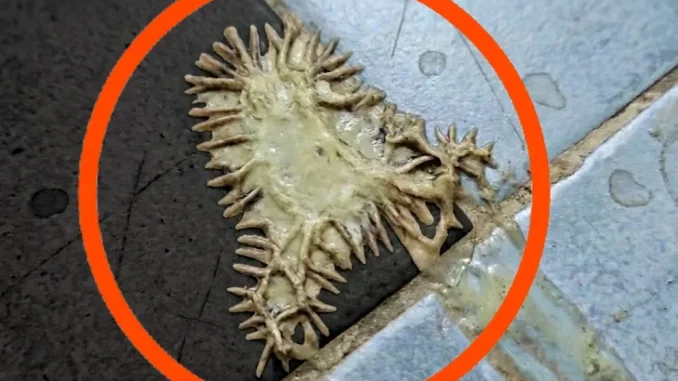
Bathrooms are one of the most frequently used and moisture-rich environments in a home, making them a common spot for various types of mold, mildew, and other growths. Encountering unidentifiable substances on bathroom surfaces can be unsettling, especially when their appearance is unfamiliar or strange. This article explores the common phenomenon of unexpected growths in bathroom spaces, focusing on slime molds, their characteristics, and practical advice for homeowners.
Understanding Bathroom Environments and Moisture
Bathrooms typically have high humidity levels due to regular use of showers, baths, and sinks. This moisture combined with limited ventilation creates an ideal environment for various microorganisms and fungi to thrive. Without adequate airflow and cleaning, damp surfaces can develop patches of mold, mildew, or other biological growths. These growths can vary in appearance from dark spots to unusual textures or colors, sometimes sparking curiosity or concern.
What Are Slime Molds?
Slime molds are a group of organisms that are neither true fungi nor plants but belong to a unique classification of amoeba-like organisms. They are commonly found in forest floors, decaying logs, and other moist environments, but can occasionally appear indoors in damp areas like bathrooms. Slime molds usually manifest as gelatinous or slimy patches that might be yellow, white, or other colors, often catching people off guard due to their unusual texture and form.
Identification and Characteristics
Unlike harmful molds that can damage surfaces or affect health, slime molds are generally harmless to humans. They feed on bacteria and organic matter but do not produce toxins or cause infections. Their appearance can be transient, as they move and change form during their life cycle. Identifying slime molds involves noting their slimy texture, irregular shapes, and location in moist, organic-rich areas.
Common Reactions and Concerns
Discovering an unknown growth in a personal space can provoke a range of reactions from fear to fascination. It is natural to worry about potential health risks or damage to one’s home. Concerns often lead to questions about whether professional cleaning or pest control services are necessary. Understanding the nature of the growth can help alleviate anxiety and guide appropriate responses.
Safe Cleaning and Prevention
If slime molds or other unusual growths are found in the bathroom, cleaning the affected area with mild detergent and water is typically sufficient. Ensuring the space is well-ventilated by opening windows or using exhaust fans reduces moisture buildup and discourages future growth. Regular cleaning routines and moisture control are key strategies for maintaining a healthy bathroom environment.
When to Seek Professional Help
While slime molds themselves are not harmful, the presence of persistent mold or other substances could indicate underlying moisture problems that require expert assessment. If growths reappear frequently or cover large areas, consulting a mold remediation specialist or indoor environmental professional can be beneficial. They can identify the source of moisture, assess potential health risks, and recommend effective solutions.
Understanding the Science Behind Household Microorganisms
Learning about the diversity of microorganisms that inhabit our living spaces can foster a better appreciation for the unseen ecosystems around us. Many of these organisms play roles in natural processes like decomposition and nutrient cycling. Recognizing that not all growths are dangerous helps in developing a balanced perspective and informed decision-making about home care.
Practical Tips for Homeowners
To minimize unwanted growths in bathrooms, consider the following practical tips:
- Use exhaust fans or open windows during and after showers to reduce humidity.
- Wipe down wet surfaces regularly to prevent moisture accumulation.
- Fix any leaks or plumbing issues promptly.
- Use mold-resistant materials and paints in bathroom renovations.
- Maintain a regular cleaning schedule with appropriate products.
By implementing these measures, homeowners can reduce the likelihood of encountering unexpected substances and maintain a cleaner, healthier bathroom environment.
Conclusion
Finding an unfamiliar substance in your bathroom can be disconcerting, but understanding what it might be—such as a slime mold—and how to handle it can ease concerns. Most of these growths are harmless and manageable with simple cleaning and moisture control. Staying informed about the conditions that promote such occurrences empowers homeowners to maintain their living spaces effectively and comfortably.
Historical Context and Cultural Perceptions of Molds and Similar Organisms
The presence of molds, fungi, and other similar organisms in human environments has been noted throughout history, often accompanied by a mix of superstition, scientific curiosity, and practical concern. In many cultures, visible growths on surfaces were sometimes interpreted as omens or signs, while in others they were valued for their role in traditional medicines or natural processes. Understanding this historical and cultural context can help modern homeowners appreciate that encountering such organisms is a longstanding human experience, and that contemporary science offers clearer explanations and solutions than folklore.
The Role of Environmental Conditions in Growth Patterns
The specific conditions within a bathroom that encourage the growth of slime molds and other organisms include not only moisture and poor ventilation but also temperature, light exposure, and the presence of organic material. Bathrooms with warm, shaded areas and accumulated soap scum or skin cells provide nutrients that can support these organisms. Recognizing these factors can assist homeowners in identifying potential hotspots and adjusting environmental controls accordingly, such as improving lighting or cleaning practices.
Differentiating Between Slime Molds and Other Bathroom Growths
It is important to distinguish slime molds from other common bathroom growths such as black mold (Stachybotrys chartarum), mildew, and bacterial biofilms, as each has different implications for health and maintenance. Black mold, for example, can produce mycotoxins and requires more rigorous remediation, whereas slime molds are generally benign. Visual cues, texture, and growth patterns can aid in preliminary identification, but when uncertainty exists, consulting with a professional can prevent misdiagnosis and inappropriate responses.
Health Implications and Scientific Understanding
Although slime molds are not harmful to humans, some molds and bacteria found in bathrooms can exacerbate allergies, asthma, or other respiratory conditions. Scientific studies on indoor microbial communities emphasize the diversity of organisms present and the importance of maintaining balanced indoor environments. This understanding supports a measured approach to cleaning and remediation, focusing on prevention and environmental management rather than alarm.
The Importance of Media Literacy in Home Maintenance Information
In the age of the internet and social media, information about unusual household findings can spread rapidly, often accompanied by sensationalized or inaccurate claims. Developing media literacy skills enables homeowners to critically evaluate sources, distinguish between anecdotal reports and scientific evidence, and make informed decisions about their living environments. Trusted sources include government health agencies, academic research, and certified environmental professionals.
Career Insights: Roles of Environmental Scientists and Mold Specialists
Professionals such as environmental scientists, indoor air quality specialists, and certified mold remediation experts play crucial roles in assessing and managing indoor microbial issues. Their work involves identifying species, assessing risks, and recommending interventions tailored to specific situations. Understanding the expertise and methods used by these professionals can help homeowners appreciate when and how to seek assistance.
Legacy and Future Directions in Indoor Environmental Health
Research into indoor environmental health continues to evolve, with increasing emphasis on the microbiome of homes and its impact on human well-being. Innovations in detection technologies, building materials, and ventilation systems aim to create healthier living spaces. Staying informed about these developments empowers homeowners to adopt best practices that align with current scientific understanding.
Reader Takeaways and Empowerment
Encountering unexpected growths in the bathroom can be unsettling, but knowledge is a powerful tool for managing these situations calmly and effectively. Recognizing the nature of slime molds and other organisms, implementing practical environmental controls, and seeking professional advice when needed constitute a balanced approach. By fostering awareness and proactive maintenance, homeowners can ensure their bathrooms remain safe, hygienic, and comfortable spaces.
Advancements in Mold Detection and Monitoring Technologies
Recent years have seen significant progress in technologies used to detect and monitor mold and other microbial growths within indoor environments. Devices such as portable mold detectors and air quality monitors can help homeowners identify the presence of mold spores and moisture levels before visible growth occurs. These tools use various sensors, including humidity, temperature, and particulate counters, to provide real-time data that can inform maintenance decisions. While these technologies are not a substitute for professional assessment, they offer accessible means for early detection and proactive management.
The Psychological Impact of Discovering Unfamiliar Growths
Encountering unexpected biological growths in personal living spaces can trigger a range of emotional responses, from curiosity to anxiety. Understanding that these reactions are common and often rooted in concerns about health and cleanliness can help individuals approach the situation with a calmer mindset. It is beneficial to seek accurate information and adopt practical steps rather than succumbing to fear or misinformation. Engaging in community forums or consulting trusted sources may also provide reassurance and a supportive perspective.
Environmental Sustainability and Indoor Microbial Ecology
The microorganisms found in homes, including molds and slime molds, contribute to the indoor microbial ecology, which interacts with human occupants and the surrounding environment. Sustainable building practices and materials that promote balanced ecosystems indoors are gaining attention in the field of environmental health. For example, the use of natural ventilation, moisture-resistant yet breathable building materials, and non-toxic cleaning agents can support healthier microbial communities. Recognizing the role of these organisms in ecological processes encourages a holistic approach to indoor environmental management.
Common Myths About Bathroom Mold and Growths
There are numerous myths surrounding mold and other growths in bathrooms, such as the belief that all molds are toxic or that white growths are harmless by default. In reality, the toxicity and health risks depend on the specific species involved and the individual’s sensitivity. Additionally, some growths that appear benign may still indicate moisture problems that could lead to structural damage over time. Dispelling myths through education helps homeowners make informed decisions and avoid unnecessary alarm or neglect.
The Role of Building Design in Preventing Moisture-Related Growths
Effective building design plays a crucial role in minimizing conditions that foster microbial growth. Features such as adequate insulation, vapor barriers, and properly installed ventilation systems can significantly reduce humidity levels in bathrooms. Architects and builders are increasingly incorporating these elements to enhance indoor air quality and durability. Homeowners undertaking renovations or new construction projects are encouraged to consult with professionals knowledgeable about moisture control and building science to optimize long-term outcomes.
Community and Public Health Perspectives
Public health agencies recognize that indoor mold and microbial growth can impact community well-being, especially in multi-unit housing or public facilities. Guidelines and regulations exist to manage indoor air quality and address mold issues promptly. Awareness campaigns and educational resources are available to inform the public about prevention, identification, and remediation. Participation in community health initiatives can help individuals contribute to broader efforts in maintaining safe and healthy indoor environments.
Economic Considerations in Mold Management
Managing mold and related growths in the home involves costs related to cleaning, repairs, and sometimes professional services. Investing in preventive measures such as improved ventilation, moisture control, and regular maintenance can reduce long-term expenses by avoiding extensive damage or health-related issues. Homeowners should weigh the costs and benefits of various interventions and consider insurance coverage or assistance programs that may be available for mold remediation.
Understanding Indoor Microbial Diversity and Its Implications
Indoor environments host a diverse array of microorganisms beyond visible mold and slime molds, including bacteria, viruses, and other fungi. Research into the indoor microbiome reveals complex interactions that can influence human health both positively and negatively. Some microbial communities may help inhibit the growth of harmful species, while others could exacerbate allergies or respiratory conditions. This emerging field underscores the importance of balanced environmental management rather than indiscriminate eradication.
Educational Resources and Continuing Learning Opportunities
For those interested in deepening their understanding of indoor environmental health, numerous educational resources are accessible. Online courses, webinars, and publications from reputable institutions provide up-to-date information on mold biology, detection techniques, and remediation strategies. Engaging with professional organizations or local environmental agencies can also offer opportunities for learning and community involvement.
Summary and Encouragement for Proactive Home Care
In conclusion, while unexpected growths such as slime molds in bathrooms can initially cause concern, they represent a natural aspect of indoor ecosystems that can be effectively managed. Emphasizing prevention through environmental control, staying informed via credible sources, and seeking professional guidance when necessary form the foundation of responsible home maintenance. Empowered with knowledge and practical strategies, homeowners can create living spaces that are healthy, comfortable, and resilient.