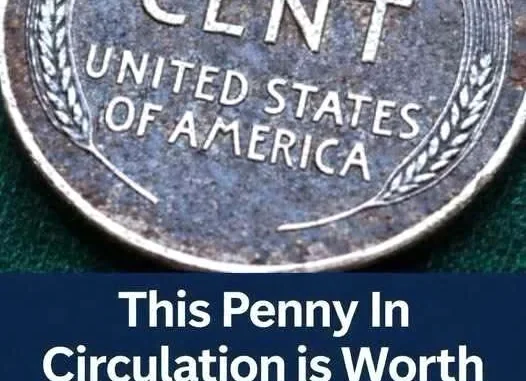
Introduction: The Penny’s Place in Everyday Life and History
Pennies are among the most common coins in circulation, often overlooked in daily transactions or stashed away in jars and drawers. Despite their small monetary value, these copper-plated coins hold a rich historical significance and can sometimes turn out to be valuable collectibles. For coin enthusiasts and history buffs, pennies offer a tangible connection to past eras, reflecting changes in society, technology, and economics.
Understanding Pennies Beyond Face Value
Coins, including pennies, serve more than just monetary functions. They act as artifacts that capture snapshots of cultural and governmental shifts. The designs, metal compositions, and mint marks tell stories about the times and places where they were produced. Collectors appreciate these details because they provide insight into historical events and manufacturing practices.
The Evolution of the American Penny
Since its introduction in the late 18th century, the American penny has undergone numerous changes. Its design has been updated multiple times to honor figures like Abraham Lincoln and to reflect artistic trends. Additionally, the materials used in pennies have evolved, especially during periods when metal shortages or economic factors necessitated alternatives.
For example, during World War II, the traditional copper composition was altered to conserve resources for the war effort. These wartime pennies, often made from steel coated with zinc, stand out from typical copper pennies and have become a point of interest for collectors. Such variations illustrate how broader historical events can influence even the smallest objects in circulation.
Mint Marks and Their Significance
Mint marks are small letters stamped on coins indicating the facility where they were produced, such as Philadelphia (no mark or "P"), Denver ("D"), or San Francisco ("S"). These marks help collectors trace a coin’s origin and can affect its rarity. Some mints produced fewer coins in certain years, making those coins more scarce and potentially more valuable.
Detecting Rare Pennies: Factors That Influence Value
Several key elements contribute to a penny’s collectible value:
Rarity: Coins that were minted in limited quantities or have survived in small numbers are generally more prized.
Condition: The state of preservation is critical. Coins free from heavy wear, scratches, or discoloration are more desirable.
Historical Context: Coins linked to significant historical moments or featuring unique design elements attract collector interest.
Minting Errors: Occasionally, coins are struck with errors such as doubled dies, off-center strikes, or missing elements. These anomalies can increase a coin’s value due to their uniqueness.
The Importance of Condition and Grading
While age can suggest a coin might be valuable, the condition often plays a more significant role. Coins that have been well cared for, retaining their original luster and details, command higher interest. Professional grading organizations assess coins using standardized criteria, assigning grades that help buyers and sellers understand a coin’s quality. This grading system adds transparency and helps maintain market consistency.
The Hobby of Coin Collecting: More Than Monetary Gain
Coin collecting is a diverse hobby that appeals to a wide range of people. Some collectors focus on assembling complete series based on dates, mint marks, or designs, while others specialize in error coins or those from specific historical periods. The hobby encourages skills such as research, attention to detail, and patience.
Many find joy in uncovering stories connected to their coins, deepening their appreciation for history and culture. Unlike many collectibles, coins are often accessible to beginners since pennies and other common coins can be found in everyday life.
Tips for Exploring Your Spare Change
If you wish to explore the potential value of pennies you come across, start by examining the date and mint mark. Use reputable coin guides or online resources to compare your findings. Pay attention to the coin’s condition and look for any irregularities that might indicate errors.
Remember that while rare coins can be valuable, most pennies are worth only their face value. Still, the process of sorting through coins can be educational and enjoyable, turning a simple task into a small adventure.
Common Misconceptions About Penny Values
In the age of the internet, stories about extraordinarily valuable coins often circulate widely. These accounts can create unrealistic expectations. Not every old or unusual-looking penny is worth a fortune. Factors such as authenticity, market demand, and condition heavily influence a coin’s worth.
Consulting experts or professional grading services can provide clarity and help avoid misunderstandings. Relying on verified sources and documented sales is essential for accurate valuation.
Proper Care and Preservation of Collectible Coins
If you find a coin that appears valuable, handling it carefully is important to preserve its condition. Hold coins by their edges to avoid oils and dirt from fingers impacting the surfaces. Avoid cleaning coins yourself, as improper cleaning can damage them and reduce their value.
Storing coins in designated holders or albums, away from moisture and extreme temperatures, helps maintain their appearance over time. Taking these precautions ensures that coins remain in the best condition possible for future enjoyment or sale.
The Broader Significance of Pennies
Though often dismissed as insignificant, pennies are miniature historical documents. They reflect the evolution of manufacturing technology, economic conditions, and national identity. By studying pennies, collectors and historians gain insights into the past that might otherwise be overlooked.
Whether you are a seasoned collector or a casual observer, pennies offer a unique opportunity to connect with history in a personal and tangible way. They remind us that even the smallest objects can carry meaningful stories.
Conclusion: Appreciating the Stories in Spare Change
Next time you find yourself sorting through coins, consider the hidden narratives each penny might hold. While most may simply represent everyday transactions, some could be rare artifacts with intriguing histories.
Collecting and learning about pennies is a rewarding pursuit that combines curiosity, education, and the thrill of discovery. Beyond potential financial value, the greatest reward often lies in uncovering the rich tapestry of history embedded in these small but significant coins.
Noteworthy Rare Pennies and Their Stories
Over the years, several specific pennies have gained notoriety among collectors due to their rarity, unique features, or historical significance. Understanding these examples can provide context for why some pennies capture collector interest far beyond their face value.
One prominent example is the 1943 steel penny. During World War II, copper was needed for ammunition and other military uses, leading the U.S. Mint to produce pennies from zinc-coated steel instead of the traditional copper. These steel pennies are distinguishable by their silver-gray color and magnetic properties. While many were produced, surviving specimens in excellent condition are relatively scarce, making them prized by collectors.
Another famous rare penny is the 1909-S VDB Lincoln cent. This coin marked the first year the Lincoln portrait appeared on the penny, and the initials of the coin’s designer, Victor David Brenner (VDB), are prominently displayed on the reverse side. Due to controversies over the prominent initials, the Mint quickly removed them early in the production run, resulting in limited numbers of the 1909-S VDB pennies. Their rarity and historical importance have made them some of the most sought-after pennies.
Error coins also attract attention. For instance, doubled die pennies, which exhibit a noticeable doubling of design elements such as dates or letters, are popular among collectors. These errors occur during the die-making process and are relatively rare. The 1955 doubled die Lincoln cent is particularly well-known and commands high prices when found in good condition.
Economic and Cultural Reflections in Penny Design
Penny designs not only commemorate individuals but often reflect broader cultural attitudes and economic contexts. For example, the 1959 Lincoln cent introduced a new reverse design featuring the Lincoln Memorial, replacing the earlier wheat ears. This change marked the centennial of Abraham Lincoln’s birth and symbolized a shift toward modernity and national unity during the mid-20th century.
Similarly, the choice of materials used for pennies over time reveals economic pressures and priorities. During the early 1980s, rising copper prices led the Mint to alter the penny’s composition from predominantly copper to a copper-plated zinc core. This change reduced production costs and reflects how market forces can influence even everyday items.
The Legacy of Penny Production Techniques
The production of pennies involves precise and evolving techniques that contribute to their collectible nature. Coin striking requires carefully prepared dies to imprint designs onto metal blanks. Over time, improvements in minting technology have enhanced the consistency and detail of coins.
However, the manual and mechanical processes involved can sometimes lead to variations and errors, which collectors find fascinating. For example, die cracks, off-center strikes, and planchet flaws occur due to imperfections or mishaps during production. These anomalies provide insight into the manufacturing process and add layers of interest for numismatists.
Understanding the Role of the U.S. Mint
The United States Mint is responsible for producing coins for circulation and collectors. It operates multiple facilities, including those in Philadelphia, Denver, San Francisco, and West Point. Each mint has its own identifying mark, and variations in production volumes and techniques at these locations can influence a coin’s rarity.
The Mint also issues special commemorative coins and sets designed for collectors, further enriching the numismatic landscape. These programs highlight important historical anniversaries, cultural milestones, and notable figures, contributing to public awareness and appreciation of coinage.
Global Perspectives on Small-Denomination Coins
While this article focuses on American pennies, many countries produce small-denomination coins with similarly rich histories and collectible potential. For instance, the British penny, Canadian cent, and Australian one-cent coin each have unique stories tied to their nations’ histories.
In some countries, changing economic conditions and inflation have led to the discontinuation of low-value coins, making remaining specimens more collectible. Additionally, some nations have experimented with different materials or designs, reflecting cultural identity and technological advances.
These international perspectives highlight the universal role of small coins as cultural artifacts and economic tools.
The Environmental and Economic Debate Surrounding Pennies
In recent years, discussions have emerged regarding the continued production and use of pennies. Critics point to the cost of manufacturing pennies exceeding their face value and question their practical utility in modern commerce. Some argue that eliminating the penny could streamline transactions and reduce costs.
Conversely, supporters emphasize the penny’s historical significance and sentimental value. They also note that rounding systems can accommodate transactions without pennies without significant disruption.
These debates illustrate how coins continue to evolve not only as collectibles but as components of economic policy and public sentiment.
Educational Value and Community Engagement
Coin collecting can serve as an educational tool, fostering interest in history, economics, and art. Schools, museums, and community organizations sometimes use coin collections and exhibits to engage audiences and illustrate broader themes.
Collecting also encourages skills such as critical observation, research, and record-keeping. For younger collectors, it can be a gateway to lifelong learning and appreciation for cultural heritage.
Moreover, coin clubs and online forums provide avenues for sharing knowledge, trading items, and building social connections among enthusiasts worldwide.
Practical Advice for Aspiring Collectors
For those interested in starting or expanding a penny collection, several practical tips can enhance the experience:
- Start small by collecting pennies from specific years or mints.
- Use magnification tools to examine details and identify potential errors or unique features.
- Invest in reference books or trusted online databases for accurate information.
- Join local or online coin clubs to learn from experienced collectors.
- Store coins properly using acid-free holders or albums to protect them.
- Consider professional grading for coins believed to have significant value.
- Approach collecting with patience and curiosity rather than solely financial expectations.
By following these guidelines, collectors can enjoy a fulfilling and educational hobby.
The Lasting Appeal of Pennies in a Changing World
As digital payments and electronic transactions become increasingly common, the physical presence of coins may diminish over time. Nevertheless, pennies and other coins maintain enduring appeal due to their tangible connection to history and culture.
They serve as reminders of the craftsmanship, economic changes, and societal values of their times. For collectors, each penny is more than metal and design; it is a story waiting to be discovered and preserved.
In this way, pennies continue to hold relevance, inviting new generations to explore the past through the small but significant artifacts in their hands.