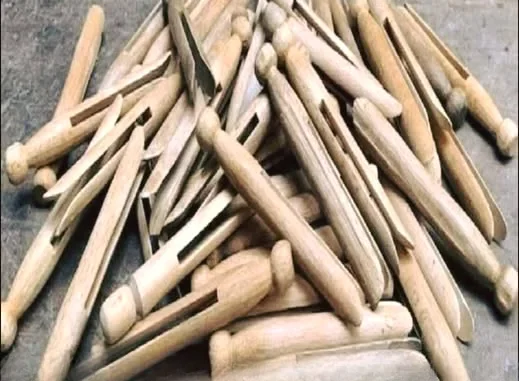
Introduction to a Household Essential
The wooden clothespin is a commonplace item found in many homes, yet its significance extends far beyond its modest appearance. This simple device has been a staple in laundry routines for centuries, aiding in the drying of clothes before the advent of modern appliances. Its evolution and continued use highlight how small inventions can influence daily life in meaningful ways.
Historical Context of Laundry Practices
Before modern washing machines and dryers, laundry was a labor-intensive process. Clothes were washed by hand using water, soap, and manual scrubbing. Once cleaned, drying clothes relied heavily on natural elements—sunlight and wind—making outdoor clotheslines essential. However, securing wet garments on these lines presented challenges, especially in windy or unpredictable weather.
Early Solutions and Challenges
Prior to the invention of the wooden clothespin, people employed various makeshift methods to keep laundry from falling. These included using twigs, carved wooden pieces, bone fragments, or other available materials. While these improvised solutions sometimes worked, they lacked consistency and strength, often resulting in clothes slipping off the line and becoming soiled again.
The 19th Century Innovation: Spring-Loaded Clothespins
The 1800s marked a period of rapid industrial growth and innovation. Among the many improvements to household tools was the development of the spring-loaded wooden clothespin. This design featured two wooden arms connected by a metal spring, creating a firm grip on fabric. This mechanism significantly improved the ability to hold garments securely even in breezy conditions.
Impact on Daily Life and Household Efficiency
The spring-loaded clothespin simplified the drying process, reducing the need to constantly monitor clotheslines or rehang fallen laundry. It became an indispensable tool in households, contributing to more efficient laundry days. The design improvements over time also helped distribute pressure evenly on fabrics, minimizing wear and tear.
Mass Production and Accessibility
With the rise of industrial manufacturing, clothespins became standardized products. Factories produced them in large quantities using durable woods like maple and birch. This mass production lowered costs and made clothespins accessible to a wide range of households, further embedding them into daily life.
Cultural and Social Significance
In many communities, clotheslines and clothespins were more than functional—they were part of the social fabric. Neighbors could see each other’s laundry, creating a shared visual connection. The act of hanging clothes symbolized routine, care, and self-reliance. Over time, wooden clothespins also found new uses in crafts, education, and organizational tasks, demonstrating their versatility beyond laundry.
Transition to Plastic and Continued Preference for Wood
The 20th century introduced plastic clothespins, which offered lightweight and cost-effective alternatives. Despite this, wooden clothespins maintained popularity among users valuing durability, aesthetic appeal, and environmental considerations. Wood’s biodegradability and renewable nature appeal to those seeking sustainable household options.
Modern Environmental and Nostalgic Value
In recent decades, a growing awareness of environmental impact has revived interest in wooden clothespins. Consumers aiming to reduce plastic waste often choose wooden variants for their eco-friendly properties. Additionally, wooden clothespins evoke nostalgia for simpler times and traditional household practices, connecting present generations with the past.
Design Durability and Timelessness
Despite technological advancements, the basic design of the wooden clothespin has remained largely unchanged. This consistency speaks to the effectiveness of the original concept. Its enduring presence in homes worldwide underscores how some inventions, though simple, continue to fulfill essential needs.
Broader Reflections on Everyday Innovations
The story of the wooden clothespin exemplifies how everyday objects can have lasting cultural and practical significance. It reminds us that innovation does not always require complexity; sometimes, straightforward solutions profoundly enhance daily life. The clothespin’s legacy is a testament to human creativity and the ongoing quest to improve routine tasks.
Conclusion
From its humble beginnings as a handmade tool to its status as a mass-produced household staple, the wooden clothespin has played a meaningful role in domestic life. Its resilience as a design and its continued relevance today highlight the importance of simple, effective inventions. Whether securing laundry or inspiring creative projects, the wooden clothespin remains a quiet yet enduring symbol of practicality and tradition.
Evolution in Materials and Manufacturing Techniques
While the wooden clothespin’s fundamental design has remained consistent, the materials and production methods have evolved alongside broader industrial advancements. Early clothespins were handcrafted, requiring skilled labor to shape and finish the wooden components. As demand increased, manufacturers adopted mechanized processes, including precision cutting and automated assembly lines. These improvements enhanced uniformity and efficiency, reducing production costs.
The selection of wood species also played a role in clothespin quality. Hardwoods like maple and birch were favored due to their strength, durability, and resistance to weathering. Some manufacturers experimented with treated woods or coatings to extend the lifespan of their products. However, they generally avoided heavy varnishes that could damage fabric or reduce grip.
In addition to wood, metal components such as springs underwent refinement. Early springs were simple wire coils, but over time, manufacturers sourced higher-grade steel to improve tension consistency and corrosion resistance. These incremental improvements contributed to the clothespin’s reliability and longevity.
Global Spread and Regional Variations
The wooden clothespin’s journey from a localized invention to a globally recognized household tool reflects patterns of trade, cultural exchange, and adaptation. As industrialization spread across Europe, North America, and beyond, clothespins became common in diverse regions, each adapting the design to local needs and resources.
In some cultures, clothespins incorporated decorative elements or specialized shapes suited to particular fabric types or drying environments. For example, in areas with strong coastal winds, manufacturers emphasized stronger springs and wider gripping surfaces. In contrast, regions with limited wood supplies might have used alternative materials or smaller-sized pins.
This adaptability underscores the clothespin’s role as a practical solution responsive to environmental and cultural contexts. It also highlights how simple tools can reflect broader patterns of human ingenuity and resourcefulness.
Role in Domestic Labor and Gender Dynamics
The wooden clothespin also holds significance in the history of domestic labor, particularly relating to gender roles. Laundry work has traditionally been considered a predominantly female responsibility in many societies. The clothespin, as an essential laundry aid, became intertwined with women’s daily routines and domestic management.
By easing the physical demands of hanging clothes, the clothespin contributed to incremental improvements in household efficiency. While it did not eliminate the labor-intensive nature of laundry, it reduced frustration and time spent managing drying clothes. This small innovation, therefore, can be viewed as part of the broader narrative of tools designed to support domestic work.
Understanding this context allows for a more nuanced appreciation of how seemingly minor inventions intersect with social structures and cultural expectations.
Creative and Educational Uses Beyond Laundry
Beyond its primary function, the wooden clothespin has found diverse applications in creative and educational settings. Teachers and parents often use clothespins in classroom activities to teach counting, sorting, and fine motor skills. Their manageable size and safe design make them ideal for hands-on learning.
Artists and craft enthusiasts have embraced clothespins as versatile materials for projects ranging from homemade ornaments to miniature sculptures. Their simple, modular shape allows for easy decoration, painting, and assembly into complex designs. This versatility has made clothespins popular components in DIY communities and craft markets.
Small businesses and event planners also utilize clothespins for practical purposes such as displaying photos, securing bags, or organizing materials. Their affordability and functionality contribute to their continued relevance in various contexts.
Environmental Considerations and Sustainability
In an era of increasing environmental awareness, the wooden clothespin’s ecological footprint has gained attention. Wood, as a natural and renewable resource, offers advantages over synthetic materials like plastic, which contribute to pollution and landfill waste.
When sourced responsibly from sustainably managed forests, wooden clothespins represent a more environmentally friendly choice. They are biodegradable and can often be repaired or repurposed, extending their useful life. Moreover, they avoid the microplastic pollution associated with synthetic alternatives.
Consumers interested in sustainable living often seek out wooden clothespins as part of broader efforts to reduce single-use plastics and minimize household waste. This trend aligns with growing movements advocating for eco-conscious purchasing and lifestyle choices.
Preservation and Collecting
For some, wooden clothespins have become collectible items, valued for their historical significance and craftsmanship. Vintage clothespins, particularly those produced by notable manufacturers or featuring unique designs, attract interest from collectors and historians.
Museums and cultural institutions sometimes include clothespins in exhibits exploring domestic life, industrialization, or material culture. These objects serve as tangible connections to past everyday experiences, illuminating how simple tools shaped routines and social interactions.
Collecting and preserving wooden clothespins also contribute to conversations about the importance of ordinary objects in understanding history and cultural heritage.
Lessons for Modern Innovation
The enduring relevance of the wooden clothespin offers insights for contemporary inventors and designers. Its success demonstrates that innovation need not be complex or high-tech to be impactful. Instead, addressing specific user needs with thoughtful, practical design can create products that stand the test of time.
Moreover, the clothespin exemplifies how iterative improvements—such as adding a spring or refining materials—can enhance functionality without sacrificing simplicity. This approach encourages sustainable design principles that prioritize usability, durability, and environmental responsibility.
For those engaged in product development, the clothespin’s history serves as a reminder to value user experience and adaptability alongside technological advancement.
Conclusion: The Wooden Clothespin as a Cultural Artifact
Ultimately, the wooden clothespin is more than a utilitarian object; it is a cultural artifact reflecting human adaptation, industrial progress, and social change. Its journey from handmade tool to mass-produced necessity and craft material illustrates how everyday items carry layers of meaning and significance.
As households continue to evolve with technological advancements, the wooden clothespin remains a quiet emblem of practicality, sustainability, and tradition. Its story encourages us to appreciate the impact of small inventions and consider how simple solutions can shape our lives across generations.
Technological Challenges and Innovations in Clothespin Design
While the wooden clothespin has remained relatively unchanged in its basic form, there have been ongoing challenges and minor innovations aimed at improving its performance. One issue frequently addressed by manufacturers is the balance between grip strength and fabric preservation. Too much pressure can damage delicate fabrics, while too little causes clothes to slip off. To tackle this, some designs introduced subtle variations in the shape and thickness of the wooden jaws, as well as modifications to spring tension.
Another concern has been durability under outdoor conditions. Exposure to moisture, sunlight, and temperature fluctuations can cause wood to warp or degrade over time. To mitigate these effects, some producers experimented with natural oils or light coatings that protect the wood without compromising grip or environmental benefits. These enhancements underscore the ongoing attention to functional refinement even in a seemingly simple tool.
Economic Impact and Industry Evolution
The production and sale of wooden clothespins played a modest but consistent role in local economies, particularly in regions with access to suitable timber resources. Small factories and workshops offered employment opportunities, often supporting rural and semi-industrial communities. Over time, as mass production techniques improved, larger manufacturers absorbed many smaller operations, reflecting broader trends of industrial consolidation.
With the rise of plastic alternatives in the mid-20th century, many traditional wood-based clothespin factories faced decline. However, niche markets emphasizing quality, sustainability, and artisanal craftsmanship have allowed some producers to continue operations. This economic shift highlights the complex relationship between technological change, consumer preferences, and industrial adaptation.
The Wooden Clothespin in Popular Culture
Though a humble household item, the wooden clothespin has occasionally appeared in popular culture and media as a symbol or motif. It has been used in visual arts and photography to evoke themes of domesticity, simplicity, and nostalgia. In literature and film, clothespins sometimes serve as metaphors for connection, holding things together, or the intersection of the mundane and meaningful.
Additionally, the clothespin has inspired creative projects and competitions, such as clothespin sculpture contests or craft fairs. These cultural expressions reinforce the item’s place beyond utility, celebrating its role in human creativity and everyday aesthetics.
Future Perspectives: Sustainability and Design Trends
Looking ahead, the wooden clothespin’s relevance may continue to evolve in response to environmental priorities and lifestyle changes. As interest in zero-waste and low-impact living grows, wooden clothespins could see renewed demand as practical, biodegradable alternatives to plastic.
Designers and manufacturers might explore innovative uses of sustainable materials or integrate ergonomic improvements to enhance user comfort and efficiency. Moreover, educational initiatives could promote the clothespin’s role as a tool for teaching principles of physics, engineering, and environmental stewardship.
In the context of smart homes and automated laundry systems, the clothespin may seem quaint, yet its simplicity remains an advantage. It requires no power source, has minimal environmental footprint, and offers immediate tactile feedback—qualities that can complement high-tech solutions rather than compete with them.
Reader Takeaways: Appreciating Everyday Innovations
The wooden clothespin exemplifies how small, thoughtfully designed tools can have significant and enduring impacts on daily life. Its story encourages readers to recognize the importance of incremental improvements and the value of simplicity in innovation.
Understanding the clothespin’s historical, cultural, and environmental dimensions fosters a deeper appreciation for the objects we often overlook. By considering such everyday items in a broader context, individuals can develop greater media literacy and critical thinking about product choices and their implications.
Ultimately, the wooden clothespin reminds us that innovation is not solely about complexity or novelty but about addressing real needs with effective, sustainable solutions. This perspective can inspire both consumers and creators to prioritize functionality, durability, and environmental responsibility in the products they use and develop.