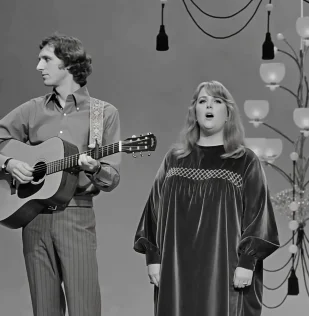
Few songs from the 1960s have maintained their emotional resonance and cultural significance quite like “California Dreamin’.” First released in the mid-1960s, this track by The Mamas & The Papas has become emblematic of a particular kind of wistfulness and optimism. Its blend of harmonious vocals, evocative lyrics, and memorable instrumentation has allowed it to transcend its era and captivate new audiences across generations.
Origins Rooted in Personal Experience
The inspiration behind “California Dreamin’” was born from a deeply relatable human feeling: homesickness. During the early 1960s, songwriters John Phillips and Michelle Phillips experienced the contrast between the chilly winters of New York City and the warm, sunlit environment of California, where Michelle grew up. This contrast sparked a creative process that resulted in lyrics expressing a desire to escape cold and find solace in a more inviting place. This intimate experience was skillfully translated into a song that many listeners find universally meaningful.
Formation and Role of The Mamas & The Papas
John and Michelle Phillips, initially part of the folk scene, joined forces with Denny Doherty and Cass Elliot to form The Mamas & The Papas. This group quickly carved out a distinctive sound characterized by their rich vocal harmonies and a fusion of folk, pop, and rock influences. Their style contributed to the evolving music landscape of the 1960s, setting them apart with a fresh approach to vocal arrangements and songwriting.
From Early Versions to Defining Recording
Before The Mamas & The Papas recorded their iconic version, “California Dreamin’” was initially recorded by another artist, Barry McGuire, with members of the group providing backing vocals. However, the group recognized the song’s potential to reach new heights with their own interpretation. Their studio version emphasized layered harmonies and emotional depth, particularly through Denny Doherty’s lead vocals. This rendition transformed the song into a memorable and powerful piece that captured listeners’ attention.
Musical Composition and Unique Elements
The song’s arrangement plays a significant role in its enduring appeal. It begins with a distinctive guitar intro that sets a contemplative tone. Throughout the track, the instrumentation complements the vocals without overpowering them. A standout feature is the flute solo, performed by jazz musician Bud Shank, which adds a unique texture and an ethereal quality to the recording. This combination of elements creates an atmosphere that feels both melancholic and hopeful, enhancing the song’s emotional impact.
Chart Success and Growing Popularity
Though not an immediate nationwide hit, “California Dreamin’” steadily gained traction through radio airplay. Its popularity grew as more stations began featuring the track, leading to its rise on the Billboard charts by early 1966. This success solidified The Mamas & The Papas’ place as influential figures in the 1960s music scene and brought wider recognition to their innovative sound.
Connection With Listeners Across Time
The song’s enduring appeal can be attributed to its exploration of universal themes such as longing, hope, and the desire for change. While rooted in a specific personal experience, the emotions conveyed resonate with anyone who has wished to be elsewhere or sought brighter circumstances during challenging times. This blend of personal narrative and universal feeling allows the song to maintain relevance and emotional power decades after its release.
Cultural Impact and Continued Relevance
“California Dreamin’” has become an integral part of popular culture, frequently featured in movies, television shows, advertisements, and various music compilations. Its adaptability has encouraged numerous artists to create their own covers, showcasing the song’s versatility across genres. Each new interpretation introduces the song to fresh audiences, ensuring its legacy endures.
Influence of The Mamas & The Papas Beyond One Song
Beyond this iconic track, The Mamas & The Papas contributed significantly to the 1960s music landscape. Their ability to blend folk traditions with accessible pop melodies influenced many artists and helped shape the sound of the decade. Their vocal harmonies and songwriting techniques have left a lasting imprint on the music industry.
Conclusion: More Than Just a Classic Hit
Today, “California Dreamin’” stands as more than just a popular song from the 1960s; it is a symbol of music’s power to express complex emotions and connect people through shared experiences. Its themes of yearning and optimism continue to inspire listeners, making it a timeless anthem for those who dream of new possibilities and brighter horizons. Over fifty years after its creation, the song remains a poignant reminder of how personal feelings can be transformed into universal art.
The Songwriting Process and Collaborative Dynamics
The creation of “California Dreamin’” was not just a spontaneous burst of creativity but rather the result of a collaborative and iterative songwriting process. John Phillips has recounted how the initial idea took shape during a cold winter day in New York, with Michelle Phillips’s longing for California serving as the emotional catalyst. The development of the melody and lyrics involved careful crafting to balance personal expression with broader appeal. Understanding the group’s dynamics helps to appreciate how their individual talents and relationships contributed to the song’s depth. Each member brought unique vocal qualities and interpretative skills that enriched the arrangement and performance.
The Role of Production and Studio Innovation
The production of “California Dreamin’” also played a crucial role in its distinctive sound. The recording sessions reflected a period when studio experimentation was becoming increasingly important in popular music. The use of multi-track recording techniques allowed The Mamas & The Papas to layer their harmonies with precision, creating the lush vocal textures that became their hallmark. Additionally, the inclusion of Bud Shank’s flute solo was an innovative choice that added an unexpected instrumental color, demonstrating the group’s willingness to blend jazz elements into a folk-pop framework. This approach exemplified the era’s growing emphasis on studio as an instrument, influencing how future artists approached recording.
The Broader Context of 1960s Music and Culture
“California Dreamin’” emerged during a transformative period in American society and music. The 1960s were marked by significant social change, including the civil rights movement, shifts in youth culture, and evolving attitudes toward authority and tradition. Music became a powerful medium for expressing both personal and collective aspirations. Within this context, the song’s themes of escape and yearning resonated with a generation seeking freedom and new opportunities. Its fusion of folk and pop elements mirrored the blending of cultural influences occurring at the time, making it both a product and a reflection of its historical moment.
Cover Versions and Interpretations Across Genres
Over the decades, “California Dreamin’” has inspired a wide range of cover versions by artists spanning diverse genres. From rock and country to jazz and electronic reinterpretations, the song’s adaptability has been a testament to its strong melodic and lyrical foundation. Each cover brings a new perspective, whether emphasizing the melancholic undertones or highlighting the hopeful aspirations embedded in the lyrics. These reinterpretations have helped keep the song relevant, allowing it to reach audiences with varied musical tastes and cultural backgrounds.
Impact on Film, Television, and Advertising
The song’s emotional resonance has made it a popular choice for inclusion in various media formats. Its presence in film and television has often been used to evoke nostalgia, underscore themes of longing, or set a particular mood associated with the 1960s or the idea of California as a symbol of opportunity and reinvention. Furthermore, “California Dreamin’” has appeared in advertising campaigns, where its recognizable melody and evocative message help create an emotional connection with consumers. This widespread media usage has contributed significantly to the song’s ongoing cultural presence and recognition.
The Mamas & The Papas’ Legacy in Vocal Harmony Groups
The success of The Mamas & The Papas helped pave the way for future vocal harmony groups. Their seamless blend of voices, attention to arrangement detail, and ability to convey emotional nuance influenced many subsequent acts. The group’s approach demonstrated how harmonies could be central to a song’s identity rather than mere accompaniment. This legacy can be seen in the work of later bands that prioritize vocal interplay and melodic richness, underscoring the group’s lasting impact on popular music aesthetics.
The Role of Gender and Group Dynamics
Examining The Mamas & The Papas also reveals interesting aspects of gender roles and interpersonal dynamics within a 1960s band. The presence of strong female voices like Michelle Phillips and Cass Elliot challenged some contemporary expectations about women’s roles in popular music groups. Their vocal prominence and artistic contributions helped broaden perceptions of female musicianship during a time of social change. Understanding these dynamics adds depth to the appreciation of the group’s music and the cultural shifts they were part of.
Lessons from “California Dreamin’” for Contemporary Songwriters
For modern songwriters, “California Dreamin’” offers valuable lessons in crafting songs that balance personal authenticity with universal themes. The song’s success demonstrates the power of drawing on genuine emotions and experiences while shaping them into a form that resonates broadly. Additionally, its layered harmonies and thoughtful arrangement show how musical complexity can enhance emotional expression without alienating listeners. These elements continue to serve as inspiration for artists aiming to create enduring and meaningful music.
Preservation and Recognition of the Song’s Historical Importance
As a cultural artifact, “California Dreamin’” has been preserved through various means, including archival recordings, reissues, and scholarly analysis. Institutions dedicated to music history often highlight the song as a significant example of 1960s popular music. Its inclusion in lists of essential tracks and its study in academic settings underscore its importance beyond commercial success. This recognition helps ensure that the song’s contributions to music and culture are remembered and appreciated by future generations.
Conclusion: The Enduring Power of a Dream
Ultimately, “California Dreamin’” endures because it captures something fundamentally human: the desire for better days and the hope that lies in dreams. Its journey from a moment of personal homesickness to a global anthem exemplifies music’s capacity to transform individual feelings into shared cultural experiences. The song’s continued relevance and influence affirm its place not only in the history of the 1960s but also in the broader narrative of popular music as a reflection of human aspirations and emotions.
The Evolution of Folk Rock and Its Place in Music History
“California Dreamin’” is often credited as a pioneering track within the folk rock genre, a style that emerged prominently in the mid-1960s. Folk rock represented a fusion of traditional folk music’s lyrical storytelling and acoustic sensibilities with the energy and instrumentation of rock and pop. The Mamas & The Papas were among the key figures who helped popularize this hybrid sound, which influenced the direction of popular music by bridging generational and stylistic divides. Their work contributed to a broader acceptance of folk-inspired music in mainstream culture, paving the way for artists who would further explore social commentary and personal introspection within accessible musical frameworks.
The Socioeconomic Context Behind the Song’s Themes
The mid-1960s were a period of considerable social and economic change in the United States, with many young people seeking new opportunities and lifestyles outside traditional expectations. The migration towards California symbolized a desire for freedom, reinvention, and optimism—elements that “California Dreamin’” captures poignantly. This migration was part of a larger movement that included not only geographical relocation but also shifts in cultural attitudes, including the rise of counterculture and new ideas about identity and community. Understanding this context helps explain why the song’s themes resonated so strongly with listeners at the time and continue to have relevance today.
The Song’s Influence on Visual Arts and Fashion
Beyond music, “California Dreamin’” and The Mamas & The Papas had an impact on the visual and fashion culture of the 1960s. The group’s style, which blended bohemian elements with polished pop aesthetics, reflected the broader cultural trends of the time and influenced youth fashion. Album covers, promotional photos, and live performances contributed to a visual identity that complemented the music’s themes of longing and optimism. The song’s connection to the idea of California as a land of opportunity also influenced visual arts, inspiring imagery centered on sunlit landscapes, freedom, and the open road.
The Role of Radio and Music Television in Sustaining Popularity
The sustained popularity of “California Dreamin’” owes much to the role of radio and, later, music television. In the 1960s, radio was a primary medium for music discovery, and the song’s airplay helped build its audience across different regions. Decades later, the advent of music television channels and platforms introduced the song to new listeners through curated programming and nostalgic retrospectives. These media channels have played a crucial role in preserving and promoting classic tracks, ensuring that songs like “California Dreamin’” remain accessible and relevant in changing technological landscapes.
Reflections on the Songwriters’ Legacy
John and Michelle Phillips, as songwriters, crafted a piece that balances poetic lyricism with emotional clarity. Their partnership, both personal and professional, was central to the song’s creation and its authentic expression of longing. The success of “California Dreamin’” established them as influential figures in songwriting, inspiring subsequent generations to explore personal themes within popular music. Their work exemplifies how collaboration and shared experience can enhance creative output, leaving a legacy that extends beyond a single hit.
Educational Uses and Music Appreciation
“California Dreamin’” is frequently used in educational settings to illustrate songwriting techniques, vocal harmony, and the cultural history of the 1960s. Music educators highlight the song’s structure, lyrical content, and arrangement as exemplary elements for study. Additionally, it serves as a gateway for discussions about the social and cultural movements of its era. Analyzing the song provides learners with insights into how music can reflect and influence societal attitudes, making it a valuable resource in both music and social studies curricula.
Continued Relevance in Contemporary Music Culture
The song’s themes and musical qualities continue to inspire contemporary artists and audiences. Its adaptability has allowed it to be featured in modern productions, sampled in new compositions, and performed in various musical styles. This ongoing engagement demonstrates the song’s capacity to transcend its original context, connecting with listeners who may face similar feelings of longing or hope in different times and places. As such, “California Dreamin’” remains a vibrant part of the cultural conversation around music, identity, and emotional expression.