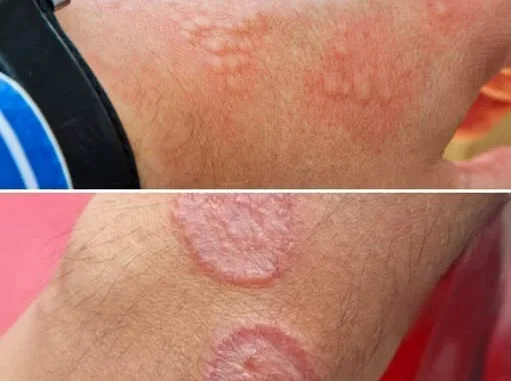
The skin serves as the body’s largest organ and acts as a crucial interface between our internal systems and the external environment. It not only protects against infections and helps regulate temperature but also often signals underlying health issues through visible changes. Recognizing when skin alterations are harmless and when they may indicate more serious health concerns is essential for timely and appropriate responses.
Understanding the Nature of Skin Reactions
Skin reactions can arise from a variety of triggers, including environmental factors, allergens, infections, and physical stimuli. The immune system plays a central role in these responses, sometimes reacting to substances such as certain foods, medications, insect bites, or exposure to heat and cold. When the immune system identifies a potential threat, it may release chemicals like histamine, which can cause redness, swelling, itching, or the appearance of raised bumps on the skin.
Common Allergic Skin Responses: Hives
One of the most frequently observed allergic skin reactions is urticaria, commonly known as hives. These present as itchy, raised welts that can be red or skin-colored and often change location over short periods. While hives can be uncomfortable, they are often temporary and resolve without causing serious harm. Triggers for hives vary widely and can include foods, medications, insect stings, infections, latex, physical pressure, or temperature changes. In some cases, no clear cause is identified, which is referred to as idiopathic urticaria.
When to Seek Medical Attention for Skin Symptoms
Although many skin reactions are mild and self-limiting, certain symptoms warrant prompt medical evaluation. If skin changes occur alongside signs such as difficulty breathing, swelling of the face or throat, hoarseness, dizziness, or rapid heartbeat, this may indicate a severe allergic reaction. Such reactions, known as anaphylaxis, involve multiple body systems and can escalate rapidly, requiring emergency treatment.
Recognizing Anaphylaxis and Its Triggers
Anaphylaxis is characterized by sudden swelling of airways, difficulty breathing, low blood pressure, widespread hives, and gastrointestinal symptoms. Common triggers include foods like peanuts, tree nuts, shellfish, milk, and eggs; medications; insect stings; and latex. Because the severity of allergic reactions can vary between exposures, individuals with known allergies should maintain vigilance and have a clear emergency action plan.
Emergency Preparedness and Treatment
For those at risk of severe allergic reactions, carrying prescribed emergency medication such as epinephrine auto-injectors is vital. Proper training on when and how to use these devices, along with understanding when to seek emergency medical care, is essential for safety. After administering epinephrine, immediate medical evaluation remains necessary, as symptoms can reoccur.
Beyond Allergies: Other Skin Concerns Requiring Evaluation
Not all concerning skin changes relate to allergies. Persistent or painful rashes, blistering, rapidly spreading redness, unexplained bruising, signs of infection, or new moles that change in appearance should be assessed by healthcare professionals. Dermatologists and primary care providers can perform necessary examinations and recommend further testing or treatment.
Holistic Approach to Skin Health
Maintaining healthy skin involves daily care and awareness. Hydration, sun protection, moisturizing, avoiding known irritants, and protective clothing are foundational habits. For individuals with chronic skin conditions, adhering to medical advice helps support the skin’s barrier function.
The Importance of Professional Diagnosis
Given the wide range of skin conditions with overlapping appearances, self-diagnosis can be unreliable. Persistent or worsening symptoms should prompt consultation with qualified healthcare providers to ensure accurate diagnosis and appropriate management.
Supporting Families and Communities
For individuals with severe allergies, educating family members, caregivers, teachers, and colleagues about the allergy, emergency contacts, and medication locations increases safety and preparedness. Shared knowledge helps reduce response times during emergencies and builds confidence.
Conclusion
Skin changes can provide valuable insights into overall health. While many rashes and allergic skin reactions are benign and resolve with minimal intervention, recognizing warning signs that suggest more serious conditions is critical. Awareness, preparedness, and timely medical evaluation enable individuals to manage skin symptoms effectively and maintain well-being.
Common Skin Conditions That Mimic Allergic Reactions
Several non-allergic skin conditions can present with symptoms similar to allergic reactions, such as redness, itching, and rash. Differentiating these conditions from allergic responses is important for appropriate treatment. Examples include eczema (atopic dermatitis), psoriasis, contact dermatitis, and fungal infections. Each condition has distinct characteristics and may require specialized care. For instance, eczema often appears as dry, scaly patches primarily on flexural areas, while psoriasis tends to present with well-demarcated, thick, silvery plaques. Contact dermatitis results from direct skin exposure to irritants or allergens and can cause localized redness and blistering. Fungal infections may cause ring-shaped rashes with central clearing. Consulting a healthcare provider ensures accurate diagnosis and management.
The Role of Patch Testing and Allergy Evaluation
When skin reactions are recurrent or persistent, allergy testing can help identify specific triggers. Patch testing is commonly used to diagnose delayed-type hypersensitivity reactions, such as allergic contact dermatitis. During this procedure, small amounts of potential allergens are applied to the skin under adhesive patches. The skin is then evaluated after 48 to 72 hours for any reactions. Identifying the causative allergens enables patients to avoid exposure and prevent future outbreaks. In other cases, blood tests or skin prick tests may be used to detect immediate allergic responses. A thorough allergy evaluation by an allergist or dermatologist is valuable for individuals with unexplained or severe skin symptoms.
Managing Chronic Skin Conditions to Prevent Complications
Chronic skin conditions often require ongoing management to reduce flare-ups and maintain skin integrity. For example, individuals with eczema benefit from regular moisturizing, avoiding irritants, and using prescribed topical medications. Those with psoriasis may require systemic treatments or phototherapy to control inflammation. Proper management not only improves quality of life but also decreases the risk of secondary infections or skin barrier breakdown. Patients should maintain regular follow-ups with their healthcare providers to adjust treatment plans as needed.
Understanding the Psychological Impact of Skin Disorders
Visible skin changes can affect emotional well-being and social interactions. Conditions like persistent rashes or severe allergic reactions may lead to anxiety, stress, or lowered self-esteem. Recognizing the psychological impact is important for holistic care. Healthcare providers may recommend support groups, counseling, or stress-reduction techniques as part of comprehensive treatment. Encouraging open communication about concerns helps patients cope better and adhere to management strategies.
Seasonal and Environmental Factors Influencing Skin Health
Environmental conditions such as humidity, temperature, and exposure to sunlight can influence skin reactions. Dry, cold weather often exacerbates skin dryness and itching, while hot, humid climates may increase sweating and susceptibility to irritant or fungal rashes. Seasonal allergies can also provoke skin symptoms. Understanding these factors helps individuals take preventive measures, such as adjusting skincare routines or avoiding known environmental triggers during certain times of the year.
The Importance of Nutrition and Hydration for Skin Integrity
Adequate nutrition supports skin health by providing essential vitamins and minerals necessary for repair and maintenance. Nutrients like vitamins A, C, D, and E, zinc, and omega-3 fatty acids contribute to skin barrier function and immune response. Staying well-hydrated helps maintain skin moisture and elasticity. While diet alone cannot cure skin conditions, balanced nutrition forms part of a supportive care approach.
Recognizing Signs of Skin Infection
Skin affected by rashes or allergic reactions can sometimes become secondarily infected. Signs of infection include increased redness, warmth, swelling, pain, pus or discharge, and sometimes fever. Prompt medical evaluation and treatment with appropriate antibiotics or antifungal agents are important to prevent complications. Individuals with chronic skin conditions should be especially vigilant for infection signs.
When to Consult a Specialist
While primary care providers can manage many skin complaints, referral to specialists such as dermatologists or allergists may be necessary for complex or refractory cases. Dermatologists specialize in diagnosing and treating a wide range of skin disorders and can perform specialized tests or procedures. Allergists focus on immune-related conditions and can guide allergy testing and immunotherapy. Accessing specialist care enhances diagnostic accuracy and treatment outcomes.
Using Medications Safely for Skin Conditions
Topical and systemic medications are frequently used to manage skin symptoms. These include corticosteroids, antihistamines, immunomodulators, and antibiotics. Proper use according to healthcare provider instructions is critical to maximize benefits and reduce side effects. Overuse or misuse of topical steroids, for example, can lead to skin thinning or other adverse effects. Patients should discuss any concerns or questions about medications with their providers and avoid self-medicating based solely on internet information.
Educating Patients on Skin Care Best Practices
Patient education empowers individuals to care for their skin effectively and recognize warning signs. Key messages include gentle cleansing with mild soaps, avoiding hot water which can dry skin, applying moisturizers regularly, protecting skin from excessive sun exposure, and avoiding scratching or rubbing affected areas. Education also covers the importance of adherence to prescribed treatments and follow-up appointments.
The Role of Technology and Telemedicine in Skin Health
Advances in technology have expanded access to dermatologic care through telemedicine platforms. Virtual consultations allow patients to share images and discuss symptoms remotely, facilitating timely advice and management. While telemedicine can improve access, especially in underserved areas, in-person examination remains important for complex or uncertain diagnoses. Patients should use telemedicine services as a complement to, not a replacement for, comprehensive clinical evaluation when needed.
Addressing Misinformation About Skin Conditions
The internet hosts a vast array of skin health information, which can sometimes be inaccurate or misleading. Misinformation may lead to delayed diagnosis, inappropriate treatments, or increased anxiety. Patients are encouraged to seek information from reputable sources such as established medical organizations and to consult healthcare professionals for personalized advice. Critical evaluation of online content and discussion with providers help ensure safe and effective care.
Lifestyle Modifications to Support Skin and Immune Health
Beyond direct skin care, adopting a healthy lifestyle supports overall immune function and may reduce the frequency or severity of allergic reactions. This includes regular physical activity, adequate sleep, stress management, and avoiding smoking or excessive alcohol consumption. Such measures contribute to general well-being and may positively influence skin condition.
Preparing for Emergencies Involving Skin Reactions
Individuals with known severe allergies should develop and regularly update emergency action plans detailing steps to take during a reaction. This includes recognizing early symptoms, administering emergency medication, and contacting emergency services. Carrying identification cards or medical alert bracelets can assist responders. Regular review and practice of the plan with family and caregivers enhance preparedness.
The Importance of Follow-Up Care
After an acute skin reaction or diagnosis of a chronic skin condition, follow-up appointments are vital to assess treatment effectiveness and adjust management. Ongoing monitoring helps detect new symptoms, prevent complications, and supports patient education. Establishing a trusting relationship with healthcare providers encourages open communication and better health outcomes.
Encouraging Research and Awareness
Continued research into skin diseases, allergy mechanisms, and treatment options contributes to improved care. Public awareness campaigns can educate communities about recognizing warning signs and the importance of timely medical evaluation. Supporting such initiatives benefits individuals and society by reducing the burden of skin-related health issues.
Skin Care Considerations in Special Populations
Certain groups of people may experience skin reactions differently or face unique challenges in skin health management. For example, infants and young children have more delicate skin that can be prone to irritation and eczema. Older adults may experience thinning skin and reduced healing capacity, increasing the risk of infections or complications from rashes. Individuals with chronic illnesses, such as diabetes or immune deficiencies, might also have altered skin responses or slower recovery. Tailoring skin care advice and monitoring according to age and health status helps optimize outcomes and prevent complications.
The Impact of Occupational and Lifestyle Factors on Skin Health
Work environments and lifestyle choices can influence skin health significantly. Exposure to chemicals, frequent handwashing, prolonged wearing of protective gear, or repetitive friction can lead to irritant or allergic contact dermatitis. Outdoor workers may have increased sun exposure, raising the risk of sunburn and skin cancer. Understanding occupational risks allows for implementation of protective measures such as barrier creams, appropriate clothing, and regular skin assessments. Lifestyle factors, including frequent use of cosmetics or personal care products, may also contribute to skin sensitivity or reactions. Awareness and adjustment of these factors support healthier skin.
The Role of Immune System Modulation in Skin Conditions
Some skin conditions involve immune system dysregulation, which can manifest as chronic inflammation or hypersensitivity reactions. Advances in medical research have led to targeted therapies that modulate immune responses, such as biologic medications used in psoriasis or eczema treatment. These therapies aim to reduce symptoms and improve quality of life by addressing underlying immune pathways. While not suitable for everyone, they represent an important option for patients with moderate to severe skin disease. Discussing treatment options with healthcare providers ensures individualized care plans.
Understanding the Significance of Skin Barrier Function
The skin barrier acts as a protective shield, preventing moisture loss and blocking entry of harmful substances. Disruption of this barrier can lead to increased susceptibility to irritants, allergens, and infections. Maintaining barrier integrity through regular moisturizing, avoiding harsh soaps, and minimizing exposure to irritants is a cornerstone of skin care. In some skin conditions, such as eczema, barrier repair is a key therapeutic goal. Educating patients about the importance of the skin barrier helps promote adherence to protective routines.
Promoting Skin Health Through Community and Public Health Initiatives
Public health programs that focus on skin cancer prevention, allergy awareness, and hygiene education contribute to broader skin health improvement. Community outreach can provide resources for early detection of skin changes and encourage timely medical consultation. Schools and workplaces can implement policies to reduce exposure to known allergens or irritants and provide support for individuals managing chronic skin conditions. Collaborative efforts between healthcare providers, educators, and policymakers enhance population-level skin health outcomes.
Reader Takeaways
Being attentive to skin changes and understanding the context in which they occur empowers individuals to make informed decisions about their health. Recognizing that skin symptoms can range from minor irritations to signals of systemic illness underscores the importance of professional evaluation when needed. Maintaining healthy skin involves a combination of preventive care, appropriate treatment, and lifestyle considerations. Staying informed through reputable sources and maintaining open communication with healthcare professionals supports long-term skin and overall well-being.