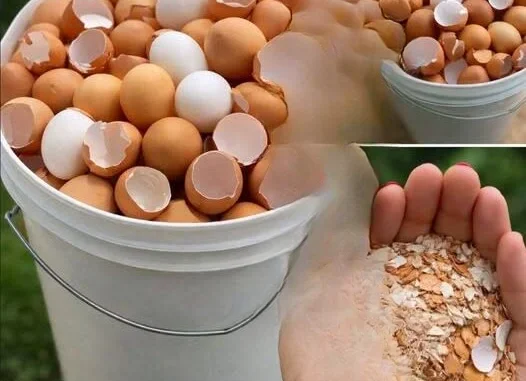
Eggshells are a frequent byproduct of everyday cooking that often end up in the trash without a second thought. However, these shells, primarily made of calcium carbonate, can be repurposed in various practical and environmentally friendly ways. By exploring methods to reuse eggshells, households can reduce waste, enrich gardens, and even engage in fun educational activities. This article explores a range of safe, effective, and easy-to-implement ideas to give eggshells a useful second life.
Understanding Eggshell Composition and Benefits
Eggshells consist mainly of calcium carbonate, a compound valuable for both plant nutrition and various household uses. Calcium is an essential nutrient for plants, contributing to cell wall strength and overall growth. While eggshells are not a quick-release fertilizer, their calcium content can benefit certain soil types and plants when used appropriately. Additionally, the physical structure of eggshells makes them useful for crafting and other creative applications.
Preparing Eggshells for Reuse
Before reusing eggshells, it’s important to clean them properly. Rinse off any egg residue to avoid attracting pests or creating unpleasant odors. After rinsing, allow the shells to dry completely. Dry shells are easier to crush and store, and drying reduces the risk of mold development. Crushing or grinding eggshells into smaller pieces or powder increases their surface area, which can speed up decomposition if used in compost or soil.
Enhancing Garden Soil with Crushed Eggshells
Gardeners often seek natural ways to improve soil quality. Adding crushed eggshells to garden soil can supply calcium gradually, particularly benefiting plants prone to calcium deficiencies, such as tomatoes, peppers, and eggplants. Because eggshells break down slowly, grinding them into a fine powder can help release nutrients more readily. It’s advisable to test soil nutrient levels before adding eggshells to avoid over-application. Combining eggshells with other organic matter is also beneficial for maintaining balanced soil health.
Composting Eggshells for Nutrient-Rich Soil Amendment
Eggshells are a valuable addition to compost piles. Their mineral content contributes to the nutrient profile of finished compost, which can improve soil structure and fertility. For faster composting, crush eggshells into small pieces. Mixing eggshells with a variety of other compostable materials, such as vegetable scraps, leaves, and coffee grounds, ensures a balanced decomposition process. It’s important to note that eggshells alone won’t create high-quality compost; diversity in compost ingredients is key.
Using Eggshells as Seed Starting Containers
An innovative way to reuse eggshells is by turning them into biodegradable seed starters. By carefully cracking an egg near the top and emptying its contents, you can create a small shell suitable for planting seeds. After rinsing and drying, poke a small drainage hole in the bottom, fill with seed-starting mix, and sow seeds. When seedlings are ready to transplant, the entire shell can be planted in the garden, where it will decompose and provide nutrients. This method is eco-friendly and reduces the need for plastic pots.
Educational and Creative Uses of Eggshells
Eggshells offer excellent opportunities for educational projects and crafts. One popular experiment involves placing a raw egg in vinegar to observe the reaction between the acid and calcium carbonate, demonstrating basic chemical principles. In arts and crafts, crushed eggshell pieces can be used to create mosaics or textured artwork. These projects encourage creativity and can be a fun activity for children, helping them learn about recycling and natural materials. When using eggshell fragments for crafts, take care to avoid sharp edges and supervise young children.
Eggshells in Vermicomposting Systems
For those practicing worm composting (vermicomposting), finely crushed eggshells can serve as grit for worms, aiding their digestion. However, it’s important to add eggshells in moderation to avoid an excessive buildup of slow-decomposing material. Properly balanced vermicomposting systems benefit from varied organic input, and eggshells can be part of that mix when prepared correctly.
Household Cleaning Considerations
Although eggshells have a naturally abrasive texture, their use in cleaning is generally limited and should be approached with caution. Using crushed shells as a scrubber may damage delicate surfaces such as nonstick cookware, glass, or plastic. It’s safer to rely on traditional cleaning methods like warm water, soap, and nonabrasive sponges for most kitchen cleaning tasks. If considering eggshells for scrubbing, test on a small, inconspicuous area first.
Avoiding Unproven Uses of Eggshells
Some popular home remedies suggest using eggshell powder in homemade toothpaste or beauty treatments. However, there is limited scientific support for these practices, and they may carry risks such as enamel abrasion or skin irritation. Commercial products are formulated to ensure safety and efficacy, making them a more reliable choice for dental and skincare needs. Similarly, methods like using eggshells to sharpen blender blades are not recommended due to potential appliance damage and questionable effectiveness.
Eggshells and Pest Control: Myths and Realities
A common garden tip is to scatter crushed eggshells around plants to deter slugs and snails. However, this method does not consistently work, especially when shells become wet or displaced. More effective slug control involves habitat management, physical barriers, and appropriate pest management techniques tailored to local conditions.
The Environmental Impact of Reusing Eggshells
Reducing kitchen waste by reusing eggshells aligns with broader efforts to minimize landfill contributions and promote sustainability. Small changes in household habits, such as composting or creative reuse, collectively contribute to environmental conservation. Using eggshells wisely can also encourage mindfulness about resource use and waste generation.
Final Thoughts: Practicality and Safety First
While eggshells offer various reuse possibilities, it’s important to prioritize methods that are both practical and safe. Composting, gardening applications, and educational projects stand out as particularly beneficial ways to extend the life of eggshells. Avoiding unverified or potentially harmful uses helps ensure that efforts to repurpose eggshells are both effective and responsible.
By reconsidering eggshells as a resource rather than waste, households can contribute positively to environmental sustainability, support plant health, and enjoy creative and educational activities. Incorporating these practices into daily routines is a simple yet meaningful step toward more conscious living.
Eggshells as a Source of Calcium Supplementation for Plants
Beyond their use as a soil amendment, eggshells can serve as a natural calcium supplement for specific plants that require higher levels of this nutrient. Calcium plays a crucial role in cell wall development and membrane function, which affects fruit quality and disease resistance. For example, calcium deficiencies in tomatoes and peppers can lead to blossom end rot, a common physiological disorder. Incorporating finely ground eggshell powder into the planting hole or mixing it into potting soil can provide a slow-release calcium source. However, gardeners should monitor soil pH and nutrient balance, as excessive calcium can interfere with the uptake of other essential minerals like magnesium and potassium.
Using Eggshells to Encourage Beneficial Soil Microorganisms
The addition of eggshells to soil or compost can indirectly promote the activity of beneficial microorganisms. Calcium carbonate can help moderate soil acidity, creating a more favorable environment for microbes involved in nutrient cycling. Healthy microbial populations contribute to improved soil structure, increased nutrient availability, and suppression of harmful pathogens. While eggshells do not directly inoculate soil with microbes, their gradual breakdown supports the broader ecosystem that sustains plant health. This highlights the role of eggshells as part of integrated soil management rather than a standalone amendment.
Eggshells in Natural Pest Deterrence Beyond Slugs and Snails
Although eggshells are not a consistently effective barrier against slugs and snails, their role in pest management extends to other garden scenarios. Some gardeners report that crushed eggshells can deter certain crawling insects like cutworms or beetles by creating a rough surface that is uncomfortable to traverse. Additionally, the calcium content may contribute to plant vigor, indirectly enhancing resistance to pests. However, scientific evidence in this area is limited, and eggshells should be considered a supplementary tactic rather than a primary pest control method. Integrating eggshells with other cultural and biological practices is advisable for comprehensive pest management.
Incorporating Eggshells into Indoor Plants and Houseplant Care
Eggshells can also be used in the care of indoor plants. Adding crushed eggshells to potting mixes or sprinkling them on the soil surface can provide a gradual calcium source that supports healthy growth. This practice is especially relevant for houseplants that may be grown in nutrient-poor or sterile soils. Additionally, eggshells can improve drainage and aeration when mixed into heavy or compacted soils. For indoor gardeners, this offers a sustainable way to recycle kitchen waste while enhancing plant health. It’s important to ensure eggshells are finely ground to prevent mold growth in the typically moist indoor environment.
Eggshells as a Component in Homemade Natural Fertilizers
Some gardeners incorporate eggshells into DIY fertilizer blends by combining them with other organic materials such as banana peels, coffee grounds, and seaweed. The resulting mixture can be processed into a nutrient-rich soil amendment or liquid fertilizer. The calcium carbonate in eggshells complements other macro- and micronutrients, providing a balanced feeding option. When preparing homemade fertilizers, it is essential to research appropriate ratios and application methods to prevent nutrient imbalances or plant stress. Using eggshells as part of a diverse nutrient mix exemplifies sustainable gardening by minimizing reliance on synthetic fertilizers.
Eggshells in Art and Decoration: Beyond Craft Projects
Beyond basic crafts, eggshells have been used historically and culturally in various art forms. For example, in some traditions, eggshells are intricately painted or carved to create decorative objects such as ornaments, jewelry, or ceremonial items. The delicate texture and natural patterns of eggshells inspire artists to explore innovative techniques that combine natural materials with modern design. While these applications are more specialized, they demonstrate the versatility of eggshells as a medium. For those interested in sustainable art, reusing eggshells offers an environmentally conscious alternative to synthetic materials.
Eggshells in Educational Settings: Teaching Sustainability and Chemistry
Educators can utilize eggshells as a practical tool to teach concepts in sustainability, chemistry, and biology. The vinegar and eggshell reaction experiment, for example, vividly illustrates acid-base interactions and chemical change. Additionally, lessons on resource conservation can incorporate eggshell reuse strategies to promote environmental awareness among students. Hands-on activities involving eggshells—such as creating seed starters or composting—engage learners in active problem-solving and ecological thinking. These experiences foster a mindset of reuse and responsible consumption that extends beyond the classroom.
Safety Considerations When Handling and Storing Eggshells
Proper handling of eggshells is important to minimize health risks associated with raw eggs, such as salmonella contamination. Thoroughly rinsing shells and allowing them to dry reduces the likelihood of bacterial growth. When storing eggshells for future use, keep them in a clean, dry container to prevent mold and odors. Avoid using eggshells that are cracked or heavily soiled. For applications involving direct contact with food or oral hygiene, consult health guidelines and consider sterilization methods such as baking shells at low temperatures.
Community and Environmental Benefits of Eggshell Recycling
On a broader scale, encouraging eggshell recycling can contribute to community sustainability initiatives. Composting programs that accept eggshells help divert organic waste from landfills, reducing methane emissions associated with anaerobic decomposition. Community gardens and schools can benefit from shared eggshell resources for soil improvement and educational projects. Public awareness campaigns that highlight the value of kitchen waste reuse, including eggshells, support behavioral change toward more sustainable consumption patterns. Collectively, these efforts contribute to circular economy principles and resource conservation.
Integrating Eggshell Reuse into Daily Routines
Incorporating eggshell reuse into daily household routines requires planning and habit formation. Keeping a small container near the kitchen sink for collecting cleaned eggshells facilitates regular accumulation. Drying and crushing eggshells can be scheduled weekly or as needed. Pairing eggshell reuse with gardening or composting activities creates a meaningful feedback loop that reinforces sustainable practices. Sharing knowledge about eggshell reuse with family members or neighbors can also foster community engagement. By making eggshell reuse a simple and accessible habit, households can make a tangible impact on waste reduction and resource optimization.
Eggshells as a Natural Calcium Source for Livestock and Pets
In addition to their benefits in gardening and composting, eggshells can also serve as a natural calcium supplement for certain livestock and pets. Poultry, for example, require adequate calcium intake to support eggshell formation and bone health. Finely ground eggshell powder can be added in moderation to poultry feed as a sustainable calcium source. Similarly, some reptile and bird owners use eggshell powder to supplement the diets of their pets, ensuring proper bone development. However, it is essential to consult with a veterinarian or an animal nutrition expert before introducing eggshell supplements to any animal’s diet to avoid imbalances or potential health issues.
Eggshells in Soil pH Management
Beyond providing calcium, eggshells can influence soil pH, acting as a mild liming agent due to their calcium carbonate content. This property makes them useful for neutralizing acidic soils, thereby improving nutrient availability for plants sensitive to pH levels. When used in gardening, eggshells can be part of a broader soil amendment strategy to maintain optimal growing conditions. Gardeners should conduct soil tests to determine pH levels before adding eggshells or other amendments, as improper pH adjustments can adversely affect plant health.
Storage and Preservation Tips for Eggshells
To maximize the usefulness of eggshells, proper storage is important. After cleaning and drying, eggshells should be stored in an airtight container in a cool, dry place to prevent moisture accumulation and mold growth. For long-term storage, baking eggshells at low temperatures (around 200°F or 93°C) for 10 to 15 minutes can sterilize them and further reduce microbial risks. Powdered eggshells can be stored in sealed jars to maintain freshness and ease of use. By incorporating these practices, households can maintain a ready supply of eggshell material for various applications.
Considerations for Allergies and Sensitivities
While eggshells are generally safe for use in gardening and crafts, individuals with egg allergies should exercise caution when handling raw eggshells due to potential allergenic proteins remaining on the inner membrane. Wearing gloves during handling and thoroughly washing hands afterward can help minimize exposure. In environments where allergic individuals are present, ensuring that eggshell projects or composting activities are managed safely is important to prevent inadvertent allergic reactions.
Community Engagement and Education on Waste Reduction
Promoting eggshell reuse can be part of larger community education initiatives focused on reducing food waste and encouraging sustainable living. Workshops, school programs, and local gardening groups can include sessions on creative and practical eggshell reuse methods. Sharing knowledge and resources empowers individuals to adopt environmentally responsible habits and fosters a culture of conservation. Community composting centers might also provide guidelines and collection points specifically for eggshell recycling, enhancing participation and impact.
The Role of Media Literacy in Evaluating Eggshell Reuse Claims
Many eggshell reuse tips circulate widely online and in social media, ranging from gardening hacks to health remedies. Developing media literacy skills is crucial for evaluating these claims critically. Users should seek information from credible sources, such as agricultural extension services, scientific publications, or trusted health organizations, before adopting new practices. Understanding the difference between anecdotal evidence and scientifically supported information helps prevent the spread of misinformation and promotes safe, effective use of eggshells.
In summary, eggshells offer diverse opportunities for sustainable reuse beyond basic composting and gardening. Their applications span animal nutrition, soil management, crafts, education, and community engagement. By approaching eggshell reuse with careful consideration of safety, efficacy, and context, individuals and communities can contribute meaningfully to waste reduction and environmental stewardship.