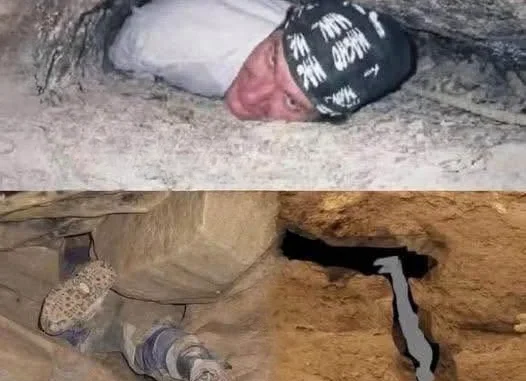
Cave exploration offers a unique window into the natural world, revealing intricate formations, hidden chambers, and ecosystems largely untouched by human activity. These subterranean environments captivate adventurers and scientists alike, providing opportunities for discovery and challenge. However, beneath the allure of these underground landscapes lies a setting that demands careful preparation, respect for natural conditions, and an understanding of potential hazards.
Understanding the Cave Environment
Caves are dynamic environments characterized by their darkness, limited space, and varying terrain. Unlike surface conditions, caves can present narrow tunnels, steep drops, slippery surfaces, and unpredictable air quality. Temperature and humidity levels often differ significantly from the surface, sometimes resulting in cold, damp conditions that can affect both physical performance and equipment reliability.
Exploring such spaces requires awareness of these factors and the ability to adapt to changing circumstances. Even experienced cavers recognize that a passageway appearing accessible from the entrance may quickly become impassable deeper inside. This variability underscores the importance of thorough research and cautious advancement during any cave expedition.
Physical and Psychological Demands of Confined Spaces
Navigating tight passages and confined spaces within caves presents unique challenges beyond physical endurance. The sensation of being enclosed, limited visibility, and restricted movement can induce stress and anxiety. In some cases, explorers may find themselves wedged or trapped in narrow sections, complicating movement and breathing.
The psychological impact of confinement should not be underestimated. Maintaining calmness and controlled breathing helps conserve energy and supports mental clarity. Panic can exacerbate physical difficulties, making it harder to assess situations accurately or follow safety protocols. Developing mental resilience is as essential as physical fitness for those undertaking cave exploration.
The Role of Specialized Rescue Teams
When incidents occur underground, standard emergency response methods often require adaptation. Cave rescues involve personnel trained in technical rope work, confined space navigation, and subterranean medical care. These teams coordinate efforts to assess the environment, stabilize the individual, and plan extraction strategies that prioritize safety.
Rescue operations typically involve collaboration among various specialists, including technical rescuers, medical professionals, and communication experts. Their combined expertise ensures that decisions consider factors such as rock stability, air quality, patient condition, and logistical constraints.
Effective Communication and Coordination
Communication is a critical component during cave rescues. Establishing contact with the individual trapped underground can provide reassurance, reduce anxiety, and allow responders to monitor health status. Updates on progress and safety instructions help maintain morale and cooperation.
Due to the environment, communication may rely on specialized devices capable of transmitting signals through rock or via rope systems. Maintaining clear and consistent communication channels supports coordinated actions and helps prevent misunderstandings that could jeopardize the operation.
Equipment and Techniques in Cave Rescues
Modern cave rescue teams utilize an array of gear tailored to underground conditions. This includes helmets equipped with lights, harnesses, ropes, pulleys, padding to protect against abrasions, and medical supplies adapted for confined spaces. Air quality monitors may be deployed to detect hazardous gases or low oxygen levels.
Techniques emphasize minimizing disturbance to the cave environment while ensuring the safety of both the trapped individual and rescuers. In some scenarios, passageways may need to be carefully widened or stabilized before extraction, requiring patience and precision.
Safety Practices Before Entering Caves
Preparation is paramount for anyone planning to explore caves. Key safety measures include informing trusted contacts about plans and expected return times, never entering alone, carrying multiple light sources, wearing appropriate clothing and helmets, and carrying navigation aids.
Understanding the cave layout through maps or guides helps anticipate challenges and identify potential hazards. It is also advisable to monitor weather conditions, as rainfall can lead to flooding in some cave systems.
Respecting and Preserving Cave Ecosystems
Caves are fragile ecosystems that house unique flora and fauna. Responsible exploration involves minimizing impact by sticking to established paths, avoiding touching or damaging formations, and not disturbing wildlife. Leaving no trace helps preserve these environments for scientific study and future visitors.
Learning from Past Incidents
Each cave rescue operation provides valuable insights that contribute to improved safety protocols and training. Reviewing equipment effectiveness, communication strategies, and decision-making processes enables organizations to refine their approaches. These lessons benefit both rescue teams and the wider community of cave explorers.
Balancing Adventure with Responsibility
Exploring caves offers unparalleled experiences but also carries inherent risks. Embracing a culture of safety, preparation, and respect ensures that adventures remain rewarding and incidents are minimized. Curiosity and caution can coexist, allowing individuals to enjoy the wonders of the underground world while safeguarding themselves and others.
Conclusion
The complexities of cave exploration and rescue highlight the need for comprehensive preparation, specialized knowledge, and coordinated teamwork. Understanding the environment, respecting its challenges, and being ready to respond appropriately contribute to safer and more fulfilling experiences beneath the earth’s surface. By recognizing the delicate balance between adventure and safety, explorers can continue to engage with these remarkable natural spaces responsibly and confidently.
Training and Skills Development for Cave Exploration
Successful and safe cave exploration depends heavily on the skills and training of the individuals involved. Aspiring cavers are encouraged to seek formal training programs that cover essential topics such as navigation, rope work, emergency procedures, and environmental awareness. Many organizations offer courses ranging from beginner introductions to advanced technical rescue training.
These programs often emphasize practical experience under supervised conditions, allowing participants to develop confidence and competence in handling situations they may encounter underground. Skill development in areas like knot tying, rigging systems, and first aid tailored to cave environments enhances preparedness and reduces risks.
The Importance of Physical Fitness and Health
Physical fitness plays a crucial role in cave exploration, as the activity can be physically demanding. Stamina, strength, flexibility, and coordination contribute to safer movement through challenging terrain such as narrow passages, uneven floors, and vertical climbs.
Maintaining good health prior to and during expeditions helps prevent fatigue and reduces vulnerability to environmental stressors like cold and dampness. Explorers should also be aware of personal medical conditions that could impact their ability to safely participate in subterranean activities and plan accordingly.
Technological Advances Enhancing Safety
Recent technological innovations have improved both the safety and accessibility of cave exploration. Advances in lighting technology, such as high-intensity LED headlamps with extended battery life, provide better visibility in dark environments.
Communication tools designed for underground use, including low-frequency radios and signal repeaters, enable more reliable contact between team members and surface personnel. Additionally, portable environmental sensors can monitor air quality in real-time, alerting explorers to potential hazards like gas buildup or oxygen depletion.
These technologies, combined with traditional skills, contribute to more informed decision-making and enhanced emergency response capabilities.
Community and Networking in the Caving World
The caving community is often characterized by strong networks of support and knowledge sharing. Local clubs, national organizations, and online forums provide platforms for enthusiasts to exchange information, organize group expeditions, and promote safety awareness.
Participation in these communities fosters mentorship opportunities, access to resources, and collective learning from past experiences. Collaboration is particularly valuable in planning complex trips and coordinating rescue efforts when needed.
Environmental Stewardship and Ethical Considerations
Ethical caving goes beyond personal safety to encompass responsibility toward the environment and cultural heritage. Many caves contain archaeological artifacts, rare species, or geological features that require protection.
Explorers are encouraged to follow established ethical guidelines, including avoiding unnecessary disturbance, reporting discoveries to appropriate authorities, and participating in conservation initiatives.
Recognizing the interconnectedness of natural systems and human activity promotes sustainable exploration practices that honor the intrinsic value of cave environments.
The Role of Research in Enhancing Safety and Knowledge
Scientific research within caves contributes not only to our understanding of geology, biology, and hydrology but also informs safety practices for explorers. Studies on cave formation, airflow patterns, and microclimates help predict conditions that may affect expedition planning.
Moreover, research into human factors such as stress responses and decision-making in confined spaces aids in developing better training and rescue protocols.
Engagement between scientists and cavers creates opportunities for mutual benefit, advancing both knowledge and safe exploration.
Preparing for Emergencies: Personal and Group Strategies
While specialized rescue teams provide critical support in emergencies, individual and group preparedness can significantly influence outcomes. Carrying emergency kits containing first aid supplies, signaling devices, and extra food and water is essential.
Establishing clear communication plans and protocols before entering caves ensures that team members understand roles and responses in case of incidents. Regularly reviewing these plans and conducting practice drills enhances readiness.
Being mentally prepared for unexpected challenges, such as equipment failure or sudden changes in conditions, further strengthens the ability to respond effectively.
Career Paths in Cave Rescue and Exploration
For those passionate about caves and rescue, several career and volunteer opportunities exist. Positions range from professional rescue technicians and emergency medical providers with cave rescue specialization to scientific researchers and conservationists.
Many organizations welcome volunteers who undergo rigorous training to assist in rescue operations and public education. These roles require dedication, physical fitness, and a commitment to ongoing learning.
Pursuing such careers contributes to community safety and the advancement of responsible exploration practices.
Media Literacy and Responsible Reporting on Cave Incidents
Public interest in cave rescues often leads to media coverage that can shape perceptions about the risks and realities of caving. It is important for consumers of such information to approach reports critically, recognizing the potential for sensationalism or incomplete details.
Accurate, respectful reporting supports informed public understanding and avoids unnecessary fear or misinformation. When incidents occur, emphasis on the expertise and efforts of rescue teams, as well as lessons learned, provides constructive context.
Encouraging media literacy among the public and caving communities promotes balanced narratives that honor both the challenges and rewards of subterranean exploration.
Legacy and Inspiration from Cave Exploration
Stories of successful cave rescues and discoveries inspire ongoing interest and appreciation for the underground world. They highlight human resilience, innovation, and the spirit of cooperation.
These narratives also serve as educational tools, reminding current and future explorers of the importance of safety, preparation, and respect.
By celebrating achievements while acknowledging risks, the caving community continues to build a legacy that encourages responsible adventure and stewardship of these remarkable natural spaces.
Key Takeaways for Safe and Enjoyable Cave Exploration
- Prioritize comprehensive training and skill development tailored to cave environments.
- Maintain physical fitness and attend to personal health needs.
- Utilize modern technology wisely alongside traditional techniques.
- Engage with the caving community for support and shared knowledge.
- Commit to environmental ethics and conservation.
- Stay informed through research and continuous learning.
- Prepare thoroughly for emergencies with clear plans and necessary equipment.
- Approach media coverage with critical awareness.
- Recognize the value of teamwork and specialized rescue professionals.
By embracing these principles, individuals can enhance their safety and enjoyment while contributing positively to the broader legacy of cave exploration.
Understanding Legal and Regulatory Frameworks in Cave Exploration
Cave exploration is often subject to various legal and regulatory frameworks that differ by region and country. These rules are designed to protect both explorers and the fragile cave ecosystems. Permissions or permits may be required to enter certain caves, especially those located within protected areas or containing sensitive archaeological or biological features. Familiarizing oneself with local regulations before planning an expedition is essential to ensure compliance and avoid legal complications. Adhering to these frameworks not only supports conservation efforts but also helps maintain public access to these natural resources.
The Importance of Cultural Sensitivity
Many caves hold cultural or spiritual significance for indigenous or local communities. Recognizing and respecting these cultural values is a critical aspect of responsible exploration. Engaging with local communities, seeking their guidance, and honoring any restrictions they may place on cave access help foster mutual respect and collaboration. This approach contributes to preserving cultural heritage and promotes ethical exploration practices that acknowledge the broader human context of these natural sites.
Psychological Support and Aftercare Following Cave Incidents
Experiencing a cave rescue or a close call underground can have lasting psychological effects on individuals involved. Anxiety, post-traumatic stress, or fear of re-entering caves are not uncommon. Providing appropriate psychological support and counseling after such incidents is an important aspect of comprehensive care. Rescue organizations and caving groups often encourage debriefing sessions and peer support to help individuals process their experiences. Addressing mental health alongside physical recovery ensures better long-term wellbeing for those affected.
The Role of Citizen Science in Cave Research and Conservation
Amateur cavers and enthusiasts contribute significantly to cave research and conservation through citizen science initiatives. By documenting cave conditions, reporting new discoveries, or monitoring wildlife populations, community members support scientific efforts and resource management. These contributions can enhance data collection in remote or difficult-to-access areas, providing valuable insights for researchers. Encouraging responsible participation in citizen science strengthens the partnership between the public and scientific communities.
Global Perspectives and International Cooperation
Cave exploration and rescue are global endeavors that benefit from international cooperation. Sharing knowledge, training methods, and technological advancements across borders improves safety standards and rescue capabilities worldwide. International organizations and networks facilitate collaboration, organize joint training exercises, and disseminate best practices. This global perspective enriches the caving community and enhances preparedness for complex rescue operations in diverse environments.
Encouraging Lifelong Learning and Adaptability
The field of cave exploration and rescue is continually evolving, influenced by new research, technology, and environmental changes. Cultivating a mindset of lifelong learning helps explorers and rescuers stay current with emerging knowledge and techniques. Adaptability in the face of novel challenges, such as climate-induced alterations in cave conditions, ensures that safety practices remain effective. Continuous education, participation in workshops, and engagement with professional organizations foster resilience and innovation within the community.
Summary
Incorporating awareness of legal frameworks, cultural sensitivities, psychological aftercare, and global cooperation enriches the practice of cave exploration and rescue. Supporting citizen science and committing to lifelong learning further strengthen the community’s capacity to explore responsibly and respond effectively to emergencies. These additional considerations complement the technical and physical aspects of caving, contributing to a holistic approach that respects people, places, and the enduring spirit of discovery.