Understanding the Needs of Your Peace Lily
Peace lilies (Spathiphyllum spp.) are popular houseplants valued for their elegant foliage and distinctive white flowers. However, many plant enthusiasts find that their peace lilies thrive with healthy green leaves but rarely bloom. This common situation often stems from environmental factors and care practices that do not fully meet the plant’s needs. By understanding the specific requirements of peace lilies, you can create the ideal conditions to encourage blooming and enjoy the full beauty these plants can offer.
The Role of Light in Peace Lily Blooming
Light is a crucial element in the growth and flowering of peace lilies. These plants naturally grow in shaded tropical environments, so they prefer bright but indirect light when kept indoors. Insufficient light generally results in plants focusing energy on leaf production rather than flower development. Conversely, direct sunlight can cause leaf scorch and damage, which also prevents blooming.
To optimize light conditions, place your peace lily near a north or east-facing window where it receives ample indirect sunlight throughout the day. Avoid placing it in dark corners or under artificial light exclusively, as this can limit flowering. If natural light is limited, consider supplementing with fluorescent or LED grow lights designed for houseplants, ensuring the plant receives approximately 12 to 14 hours of light daily.
Watering Practices That Support Flowering
Water management plays a significant role in the health and blooming of peace lilies. These plants prefer consistently moist soil but do not tolerate waterlogged conditions. Overwatering can lead to root rot, while underwatering stresses the plant and reduces energy available for flower production.
A good approach is to water when the top inch of soil feels dry to the touch. Use room temperature water and ensure the pot has proper drainage to avoid standing water. During the growing season, which typically spans spring through early fall, maintaining moist soil helps the plant allocate resources towards flower development.
Soil and Pot Considerations
The type of soil and pot size also influence the peace lily’s ability to bloom. These plants thrive in well-draining, aerated soil mixes rich in organic matter. A balanced potting mix formulated for houseplants or a blend containing peat moss, perlite, and compost is ideal.
Interestingly, peace lilies often bloom more readily when slightly root-bound, meaning the roots fill the pot but are not overly crowded. Repotting should be done every 1 to 2 years, preferably in the spring, to refresh the soil and provide room for growth without causing excessive root space that can reduce flowering incentives.
Fertilization for Healthy Blooms
Nutrient availability is essential for peace lilies to produce blooms. While these plants are not heavy feeders, providing balanced fertilizer during the active growing season supports flower formation.
Use a gentle, balanced liquid fertilizer diluted to half the recommended strength every 4 to 6 weeks from spring through early fall. Avoid over-fertilizing, as excess nutrients can harm the plant and encourage leaf growth at the expense of flowers.
Maintaining Ideal Environmental Conditions
Beyond light, water, and soil, environmental factors such as temperature and humidity affect peace lily health and blooming potential. These plants prefer temperatures between 65 to 80 degrees Fahrenheit (18 to 27 degrees Celsius) and humidity levels above 40 percent.
Avoid placing peace lilies near cold drafts, heaters, or air conditioning vents, which can cause stress and inhibit flowering. Increasing humidity through misting, pebble trays, or humidifiers can create a more favorable environment, especially in dry indoor climates.
Leaf Care and Plant Health
Regularly cleaning the leaves helps maintain the plant’s ability to photosynthesize efficiently. Dust and debris can block light absorption and reduce overall vitality.
Wipe leaves gently with a damp cloth every few weeks to remove dust buildup. This simple care routine encourages healthy foliage and indirectly supports blooming by enhancing the plant’s energy production.
Recognizing Signs of a Blooming Peace Lily
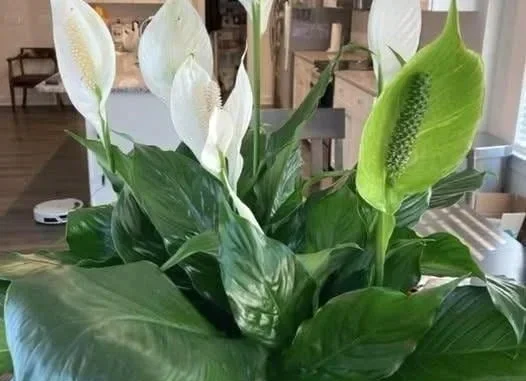
When a peace lily begins to produce its characteristic white spathes, it signals that the plant is thriving under the care it receives. Blooming is a sign of balance among light, water, nutrients, and environmental conditions.
Patience is important, as peace lilies may take several months or longer to bloom after adjusting care practices. Consistency and attentiveness to the plant’s needs will increase the likelihood of enjoying its elegant flowers.
Summary and Practical Tips
To encourage your peace lily to bloom, focus on providing bright, indirect light; maintain evenly moist but well-draining soil; use balanced fertilizer moderately during the growing season; ensure appropriate pot size and soil quality; and maintain stable temperature and humidity levels. Regular leaf cleaning and avoiding stressful conditions further support plant health.
By understanding and responding to these needs, you create an environment in which your peace lily can flourish and reward you with its graceful blooms. The appearance of flowers is not accidental but reflects the plant’s adaptation to favorable care and conditions.
Whether you are a seasoned plant caregiver or new to indoor gardening, these insights can help you nurture a peace lily that not only survives but truly thrives and beautifies your home.
Common Challenges in Peace Lily Care and How to Overcome Them
Even with attentive care, peace lilies can encounter challenges that affect their ability to bloom. Understanding common issues can help you troubleshoot problems before they become serious.
Yellowing Leaves
Yellow leaves may indicate overwatering, poor drainage, or nutrient imbalances. To address this, ensure your pot has adequate drainage holes and avoid letting the plant sit in standing water. Adjust your watering schedule so the soil surface dries slightly between waterings. Additionally, consider whether the fertilizer you use is balanced and appropriate for houseplants.
Brown Leaf Tips
Brown tips often signal low humidity, inconsistent watering, or salt buildup from fertilizer. Increasing humidity around the plant through regular misting or a humidity tray can help. Also, flush the soil occasionally with fresh water to leach out excess salts.
Lack of Blooms Despite Good Care
If your peace lily still refuses to bloom after adjusting light, water, and fertilizer, consider the plant’s age and growth cycle. Younger plants may need more time to mature before flowering. Additionally, stress from environmental changes or repotting can delay blooming. Patience and consistency are key.
Pests and Diseases
Peace lilies are generally resilient but can be susceptible to pests such as spider mites, aphids, and mealybugs. These pests can weaken the plant and reduce its flowering potential. Inspect your plant regularly and treat infestations with insecticidal soap or neem oil as needed. Fungal diseases, often caused by overwatering, can also affect plant health. Maintaining proper watering and air circulation helps prevent fungal problems.
Propagation Techniques for Expanding Your Collection
Dividing Mature Plants
One way to propagate peace lilies is by dividing mature plants during repotting. Carefully remove the plant from its pot and gently separate the root ball into smaller sections, each with healthy roots and leaves. Repot these divisions into individual containers with fresh soil. This method is effective and maintains the genetic characteristics of the parent plant.
Propagation from Leaf Cuttings
Though less common and more challenging, some growers attempt propagation through leaf cuttings. Success rates vary, and it requires patience and optimal conditions, including high humidity and warmth.
Seasonal Care Adjustments
Winter Care
During the colder months, peace lilies enter a semi-dormant phase. Light levels decrease, and the plant’s growth slows. Reduce watering frequency to prevent root rot but avoid allowing the soil to dry out completely. Fertilization should be minimized or stopped during winter as the plant’s nutrient needs decline.
Summer Care
In warmer months, peace lilies may require more frequent watering and benefit from occasional fertilization. Monitor for signs of heat stress, such as drooping leaves, and provide indirect shade if necessary.
The Cultural and Symbolic Significance of Peace Lilies
Beyond their horticultural appeal, peace lilies hold cultural and symbolic meanings in various traditions. They are often associated with peace, purity, and healing, making them popular gifts for expressing sympathy or support during difficult times. Understanding these symbolic dimensions can deepen appreciation for the plant and its role in human environments.
Environmental Impact and Sustainability Considerations
When selecting and caring for peace lilies, consider sourcing plants from reputable growers who use sustainable practices. Avoid overuse of chemical fertilizers and pesticides to minimize environmental impact. Additionally, repurposing or recycling pots and soil can contribute to eco-friendly plant care.
Advanced Tips for Experienced Growers
Optimizing Bloom Cycles
Experienced growers sometimes manipulate light exposure and temperature to induce blooming at desired times. For example, slightly reducing light intensity and increasing humidity can encourage flower formation. However, these techniques require careful monitoring to avoid stressing the plant.
Using Growth Regulators
Some horticulturists experiment with plant growth regulators to promote flowering, but this practice is generally reserved for commercial growers due to the need for precise application and understanding of chemical effects.
Reader Takeaways
Successfully encouraging your peace lily to bloom involves a combination of proper light, watering, soil, fertilization, and environmental care. Being attentive to subtle signs of plant stress or imbalance allows timely adjustments that support flowering. Patience and consistency remain essential, as peace lilies respond gradually to improved conditions. By expanding your knowledge of common challenges, propagation methods, seasonal care, and cultural contexts, you can deepen your engagement with this elegant and meaningful houseplant.
Integrating Peace Lilies into Indoor Air Quality Improvement
Peace lilies are not only valued for their striking appearance but also for their ability to improve indoor air quality. Studies, including those conducted by NASA, have shown that peace lilies can help remove common indoor pollutants such as benzene, formaldehyde, and trichloroethylene. These volatile organic compounds (VOCs) are often found in household products and building materials and can negatively impact human health over time.
By incorporating peace lilies into your living or working space, you contribute to a healthier indoor environment. To maximize their air-purifying effects, maintain healthy plants by following proper care guidelines, including optimal watering, lighting, and humidity. Remember that while peace lilies can assist in improving air quality, they should complement, not replace, adequate ventilation and other air purification methods.
Safety Considerations for Households with Pets and Children
While peace lilies bring beauty and health benefits to indoor spaces, it is important to be aware of their toxicity. Peace lilies contain calcium oxalate crystals, which can cause irritation and discomfort if ingested by pets or children. Symptoms may include oral irritation, drooling, difficulty swallowing, or vomiting.
To ensure safety, place peace lilies out of reach of curious pets and young children. If ingestion occurs, seek veterinary or medical advice promptly. For households with high risk, consider alternative non-toxic plants that offer similar aesthetic or air-purifying benefits.
Choosing the Right Peace Lily Varieties for Your Space
Peace lilies come in various species and cultivars, differing in size, leaf shape, and bloom characteristics. Some common varieties include Spathiphyllum wallisii, known for its compact size, and larger cultivars like Spathiphyllum ‘Mauna Loa’ or ‘Sensation’ that can grow several feet tall.
Selecting a variety suited to your available space and lighting conditions can enhance your success in cultivation and blooming. Smaller varieties are ideal for desks or shelves with limited light, while larger plants may require more space and consistent indirect light. Additionally, different cultivars may vary in bloom frequency and size, allowing customization based on aesthetic preferences.
Historical Background and Origin of the Peace Lily
The peace lily is native to tropical regions of Central and South America, where it grows naturally in shaded forest understories. Its adaptation to low-light conditions makes it well-suited for indoor cultivation. The genus Spathiphyllum was first described in the 19th century, and the common name ‘peace lily’ likely derives from the white spathe that resembles a calla lily and symbolizes peace and tranquility.
Understanding the plant’s natural habitat provides insight into its care needs, emphasizing indirect light, consistent moisture, and warm temperatures. This ecological background enhances appreciation for the plant’s resilience and beauty in indoor environments.
Common Myths and Misconceptions About Peace Lilies
Several misconceptions surround peace lilies, which can influence care practices and expectations. One common myth is that peace lilies require minimal care to bloom, leading to disappointment when flowers do not appear. In reality, blooming demands balanced care and environmental conditions.
Another misconception is that peace lilies can thrive in complete darkness. While tolerant of low light, they still need some indirect sunlight or supplemental grow lighting to bloom and maintain health. Additionally, some believe that overwatering is beneficial, whereas it often leads to root rot and leaf yellowing.
Being aware of these myths helps plant owners provide appropriate care and fosters realistic expectations for plant performance.
The Role of Peace Lilies in Feng Shui and Interior Design
In various interior design philosophies, including Feng Shui, peace lilies are valued for their ability to bring harmony and positive energy to a space. Their elegant white flowers and lush green leaves symbolize purity and renewal. Placing peace lilies in certain areas of a home or office is believed to promote calmness and balance.
From a design perspective, peace lilies offer versatility. Their classic form complements different décor styles, from modern minimalist to traditional. They can serve as focal points or subtle accents. Understanding their symbolic and aesthetic roles can guide placement choices that enhance both ambiance and well-being.
Sustainable Practices for Peace Lily Care
Adopting sustainable gardening practices when caring for peace lilies contributes to environmental stewardship. Using organic, slow-release fertilizers reduces chemical runoff and promotes soil health. Collecting rainwater or using filtered water conserves resources and avoids excess minerals that may accumulate in soil.
Repurposing containers, using biodegradable pots, and recycling old soil by composting or amending it for reuse supports eco-friendly cultivation. Minimizing pesticide use by encouraging natural pest predators or using plant-safe treatments aligns with sustainable care principles. These practices not only benefit the environment but often lead to healthier plants.
Engaging with the Peace Lily Community
Joining plant enthusiast groups, forums, or local gardening clubs can enhance your experience with peace lilies. Sharing successes, challenges, and tips fosters learning and motivation. Many communities offer advice tailored to regional conditions, which can be invaluable for troubleshooting.
Additionally, participating in plant swaps or propagation exchanges allows you to diversify your collection and connect with fellow indoor gardeners. This social aspect enriches the hobby and promotes sustainable plant sharing.
Long-Term Care and Legacy of Your Peace Lily
Peace lilies can live for many years with proper care, becoming a lasting presence in your home. Monitoring their growth, repotting when necessary, and adapting care as the plant matures ensures longevity.
Some owners choose to pass down well-cared-for plants to family or friends, creating a legacy of shared botanical enjoyment. Documenting care routines and propagation history adds personal value and supports successful transitions.
By viewing your peace lily as a living companion, you cultivate a rewarding relationship that extends beyond aesthetics.
Reader Takeaways
Expanding your understanding of peace lilies beyond basic care enhances your ability to nurture these plants successfully. Recognizing their environmental benefits, cultural significance, and safety considerations provides a holistic perspective. Embracing sustainable practices and community engagement enriches your experience and promotes responsible plant stewardship.
Ultimately, patience, attentiveness, and informed care foster blooming and vitality, allowing your peace lily to flourish as a symbol of peace and beauty in your indoor environment.