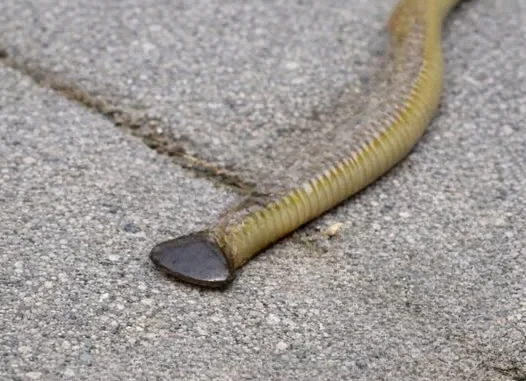
Introduction to the Hammerhead Worm
Encountering unexpected wildlife in a garden can spark curiosity and sometimes concern. Among such unusual creatures is the hammerhead worm, a terrestrial flatworm notable for its distinctive head shape resembling a tiny hammer or shovel. Although its appearance might startle those unfamiliar with it, this organism offers a compelling glimpse into the diversity of soil-dwelling life and its interactions within ecosystems.
Anatomy and Identification
Hammerhead worms belong to a group of land flatworms characterized by their elongated, flat bodies and a uniquely shaped head. Unlike typical earthworms, which have cylindrical, segmented bodies, hammerhead worms are flattened and soft-bodied, allowing them to glide smoothly over surfaces. Their heads are broad and flattened, which is the feature that inspired their common name. Depending on the species, their coloration varies from muted tans and grays to darker browns and olive hues, sometimes featuring longitudinal stripes.
The flat, ribbon-like body and cilia-driven movement distinguish hammerhead worms from other common garden invertebrates. Some species can grow quite long, occasionally exceeding a foot in length, which can make their presence more noticeable.
Natural Habitat and Behavior
These flatworms thrive in moist, shaded environments where humidity is consistently high, making gardens, compost heaps, mulch beds, and areas under leaf litter ideal habitats. They are more commonly seen following rain or during wet conditions when the soil surface is damp. During dry spells, hammerhead worms tend to retreat beneath debris, stones, or logs to maintain moisture levels necessary for survival.
Their movement is smooth and gliding, facilitated by the secretion of mucus and the action of tiny hair-like structures called cilia. This mode of locomotion allows them to navigate over and under soil surfaces efficiently.
Geographical Spread and Introduction
Originally native to parts of Southeast Asia and tropical regions, hammerhead worms have expanded their range globally. Their spread is largely attributed to the movement of soil, potted plants, mulch, and other landscaping materials through trade and horticultural activities. Because they are small and capable of surviving in moist conditions, they often go undetected during transport, allowing them to establish populations in new environments.
Their ability to adapt to various garden habitats has facilitated their successful colonization beyond their native range. This expansion has prompted interest from environmental scientists and gardeners alike, as it raises questions about their ecological effects.
Ecological Role and Feeding Habits
Hammerhead worms are predators, primarily feeding on earthworms and other small soil invertebrates. Earthworms, as many gardeners know, play a crucial role in soil health by aerating the soil, enhancing water infiltration, and contributing to nutrient cycling through the breakdown of organic matter.
By preying on earthworms, hammerhead worms can influence soil ecosystems. While a few individuals may have a negligible impact, larger populations could reduce earthworm numbers, potentially affecting soil quality over time. This dynamic underscores the importance of monitoring hammerhead worm populations where they have been introduced.
Regenerative Capabilities
One remarkable aspect of hammerhead worms is their capacity for regeneration. If a worm is fragmented, parts of it can sometimes develop into complete new individuals. This biological feature not only aids their survival but also complicates efforts to control their populations. Unlike organisms that simply heal wounds, hammerhead worms can reproduce asexually through fragmentation, making mechanical control methods less effective.
Safety and Handling
Concerns regarding human and pet safety often arise when encountering unfamiliar creatures. Hammerhead worms are not aggressive and do not bite or sting. However, they secrete mucus that facilitates their movement and maintains moisture. This mucus can occasionally cause mild skin irritation in sensitive individuals. Therefore, it is advisable to avoid direct handling and to use gloves or tools when removal is necessary.
Pets are unlikely to be harmed by incidental contact, but it is generally recommended to prevent animals from ingesting unfamiliar wildlife to avoid potential health issues.
Recommendations for Gardeners
If a hammerhead worm is found in a garden, the best approach is cautious observation and responsible management. Avoid direct contact and use gloves if removal is needed. Washing hands and disinfecting any tools afterward is a good practice to prevent accidental spread or irritation.
Gardeners should also be aware that disturbing the worm by cutting or breaking it may inadvertently promote reproduction due to its regenerative abilities. Therefore, careful handling and consultation with local environmental or agricultural authorities can help determine appropriate management strategies.
Understanding Their Impact on Soil Health
The presence of hammerhead worms in gardens highlights the complex relationships within soil ecosystems. Earthworms, microorganisms, insects, and other invertebrates contribute to soil fertility and structure. Introducing a new predator like the hammerhead worm can alter these balances, sometimes subtly and other times more noticeably.
Awareness of such interactions enables gardeners and environmental managers to make informed decisions regarding soil health maintenance and biodiversity conservation. It also emphasizes the role of global trade in dispersing species beyond their native habitats.
Scientific Interest and Ongoing Research
Beyond their ecological implications, hammerhead worms have attracted scientific interest due to their regenerative capabilities. Studying these organisms contributes to broader understanding in fields such as developmental biology and regenerative medicine. Their resilience and adaptability serve as models for research into tissue regeneration and cellular development.
Conclusion: Appreciating a Unique Garden Resident
The hammerhead worm stands out as an unusual and intriguing member of garden fauna. Its distinctive morphology, ecological role, and biological traits make it a subject worthy of attention rather than fear. While its impact on earthworm populations warrants monitoring, it also offers an opportunity to appreciate the complexity and interconnectedness of soil ecosystems.
For gardeners and nature enthusiasts, encountering a hammerhead worm can be a reminder of the diversity beneath the surface and the ongoing changes shaped by human activities and natural processes alike. Responsible observation and management, combined with continued research, will help balance appreciation with ecological stewardship.
Methods for Monitoring and Controlling Hammerhead Worm Populations
Managing hammerhead worm populations requires a combination of monitoring, prevention, and cautious control techniques. Gardeners and land managers can take proactive steps to reduce the likelihood of these flatworms establishing large populations in their environments.
Regular Inspection
Frequent inspection of garden beds, compost piles, and mulch is essential, especially following periods of rain when hammerhead worms are more likely to be active and visible. Early detection can help prevent significant population growth.
Sanitation and Soil Management
Maintaining clean and well-managed garden areas reduces suitable habitats for hammerhead worms. Removing excess debris, fallen leaves, and excessive mulch can decrease moisture-retentive environments where these worms thrive.
Quarantine and Care with Plant Imports
Since hammerhead worms often spread through imported soil and plants, gardeners should carefully inspect any new plants or soil before introducing them to their gardens. Quarantining new plants and thoroughly washing root balls and pots can help minimize the risk of inadvertently introducing hammerhead worms.
Manual Removal
When manual removal is necessary, wearing gloves is recommended to avoid contact with the worm’s mucus. Carefully collecting the worm and disposing of it in a sealed container can prevent further spread. It is important to avoid cutting or breaking the worm, as this may lead to regeneration and increased population.
Chemical Control Considerations
Currently, there are limited chemical options specifically labeled for hammerhead worm control. Use of pesticides or chemicals should be approached with caution to avoid harming beneficial soil organisms and the broader environment. Gardeners should consult local agricultural extension services or environmental experts before considering chemical treatments.
Role of Local Authorities and Scientific Collaboration
Environmental and agricultural agencies often monitor invasive species, including hammerhead worms. Collaboration between gardeners, scientists, and regulatory bodies can facilitate better understanding and management of these organisms. Reporting sightings to local authorities can contribute to tracking their distribution and impact.
Understanding the Broader Context of Invasive Species
Hammerhead worms are part of a larger global issue involving the introduction and spread of non-native species. Invasive species can disrupt local ecosystems, outcompete native organisms, and alter habitat structures. Their movement is frequently linked to human activities such as trade, travel, and landscaping.
Media Literacy and Responsible Reporting
Information about unusual organisms like hammerhead worms often reaches the public through various media outlets. It is important for readers to critically assess sources and seek information from reputable, science-based organizations. Sensationalized reports can lead to unnecessary fear or misunderstanding, whereas balanced reporting promotes informed awareness.
Careers and Research in Soil Ecology and Invertebrate Biology
The study of organisms like hammerhead worms intersects with fields such as soil ecology, invertebrate zoology, and environmental science. Professionals in these areas work to understand species interactions, ecosystem health, and the impacts of invasive organisms. Advances in regenerative biology inspired by flatworms also contribute to biomedical research.
Educational Opportunities
For students and enthusiasts interested in this field, opportunities exist in academic programs focusing on ecology, biology, and environmental management. Participation in citizen science projects related to invasive species monitoring can provide hands-on experience and contribute valuable data.
Legacy and Environmental Stewardship
The presence of hammerhead worms serves as a reminder of the long-term consequences of global connectivity. Responsible environmental stewardship involves recognizing how human actions influence biodiversity and ecosystem dynamics. Promoting native species conservation and preventing the spread of invasive organisms are essential components of sustainable gardening and land management.
Reader Takeaways
Encountering a hammerhead worm offers a unique chance to learn about the complexity of life beneath our feet. While their unusual appearance can be startling, these flatworms underscore the importance of soil biodiversity and the delicate balance within ecosystems.
By adopting informed, cautious approaches to garden management and staying informed about local species, gardeners can contribute to healthier environments. Continued research and collaboration among scientists, gardeners, and policymakers will help ensure that unusual visitors like the hammerhead worm are understood and managed responsibly.
Impact on Native Soil Biodiversity
While hammerhead worms primarily prey on earthworms, their presence can also indirectly affect other soil-dwelling organisms. Changes in earthworm populations may influence the abundance and diversity of microorganisms, insects, and fungi that depend on the soil structure and nutrient cycling processes facilitated by earthworms. This cascading effect highlights the complex interdependence within soil ecosystems and the potential consequences of introducing new predators.
Challenges in Eradication and Long-Term Management
The resilience and regenerative ability of hammerhead worms make eradication efforts challenging. Mechanical methods like cutting or crushing can unintentionally promote reproduction, complicating control measures. Chemical treatments are limited and may pose risks to non-target species, emphasizing the need for careful consideration before application. Long-term management strategies often focus on habitat modification to reduce favorable conditions and prevent spread rather than complete elimination.
Role of Citizen Science in Monitoring
Engaging the public through citizen science initiatives can greatly aid in tracking the distribution and impact of hammerhead worms. Gardeners and nature enthusiasts can contribute by reporting sightings to local environmental agencies or participating in organized monitoring programs. This collective effort enhances data collection, supports research, and informs management policies. Educational outreach associated with these programs helps raise awareness about invasive species and promotes responsible gardening practices.
Media Literacy and Evaluating Information on Hammerhead Worms
With the increasing availability of information online, it is important for readers to approach reports about hammerhead worms critically. Sensational headlines or unverified claims can lead to misunderstanding or unwarranted alarm. Reliable sources such as university extension services, government environmental departments, and peer-reviewed scientific literature provide accurate and balanced information. Developing media literacy skills helps individuals distinguish between factual content and exaggeration, fostering informed decision-making.
Career Paths Related to Soil Invertebrates and Invasive Species
Interest in organisms like hammerhead worms can inspire careers in ecology, environmental science, and related fields. Positions such as soil ecologist, invasive species specialist, conservation biologist, and environmental educator involve studying species interactions, ecosystem health, and management of non-native organisms. Advances in regenerative biology research stemming from flatworm studies also open opportunities in biomedical and developmental biology sectors. Academic programs and internships focusing on these areas provide foundational knowledge and practical experience.
Legacy of Global Species Movement and Environmental Responsibility
The global spread of species like hammerhead worms reflects broader patterns of human impact on biodiversity and ecosystems. Increased trade and travel facilitate the movement of organisms beyond their native ranges, sometimes with unintended ecological consequences. Recognizing this legacy underscores the importance of biosecurity measures, responsible horticultural practices, and international cooperation to minimize invasive species introduction. Environmental stewardship involves balancing human activities with conservation efforts to protect native biodiversity and ecosystem services.
Encouraging Informed Curiosity and Stewardship
Encountering a hammerhead worm can be an opportunity to engage with the natural world thoughtfully. Instead of fear or dismissal, curiosity paired with knowledge allows gardeners and community members to appreciate the complexity of soil life. Responsible stewardship includes monitoring garden ecosystems, preventing unintentional species introductions, and supporting research initiatives. By fostering an informed and proactive approach, individuals contribute to sustaining healthy, resilient environments for current and future generations.