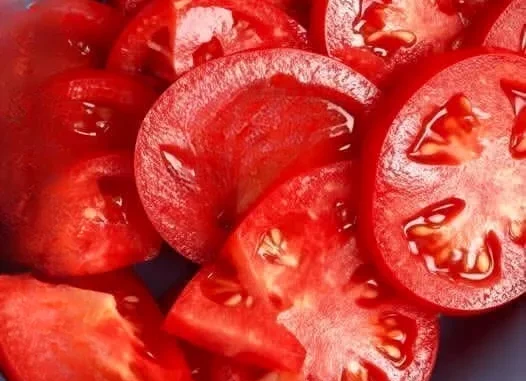
Understanding Tomatoes: A Nutrient-Rich Addition to Diverse Diets
Tomatoes are among the most widely cultivated and consumed fruits worldwide, known for their vibrant color, distinctive flavor, and adaptability in countless culinary applications. Although commonly treated as a vegetable in cooking, tomatoes are botanically classified as fruits and offer a broad spectrum of nutrients that may support health when incorporated into a varied diet.
Nutritional Profile of Tomatoes
Tomatoes are naturally low in calories and provide an array of essential nutrients, including vitamin C, potassium, folate, and vitamin K, alongside dietary fiber and a range of plant-based antioxidants. Their high water content, typically exceeding 90%, not only contributes to hydration but also enhances the sensory qualities of meals without adding significant caloric load.
One of the standout components in tomatoes is lycopene, a carotenoid pigment responsible for their characteristic red hue. Lycopene functions as an antioxidant, a group of compounds that help protect cells from oxidative stress by neutralizing free radicals. While research continues to investigate the specific health effects of lycopene, it remains widely acknowledged that consuming a variety of antioxidant-rich fruits and vegetables is beneficial for overall dietary quality.
The Impact of Preparation Methods on Nutrient Availability
The way tomatoes are prepared can influence their nutrient content and bioavailability. Fresh tomatoes typically retain higher levels of heat-sensitive nutrients such as vitamin C, which plays a role in immune function, collagen synthesis, and iron absorption. Conversely, cooking tomatoes can enhance the bioavailability of lycopene by breaking down plant cell walls and converting it into forms more easily absorbed by the body. Therefore, including both raw and cooked tomato products in the diet can maximize the intake of their diverse nutrients.
Role of Potassium and Fiber in Tomato Nutrition
Potassium is a vital mineral involved in maintaining fluid balance, muscle function, and nerve signaling. Tomatoes contribute to potassium intake, which is important given that many individuals do not meet recommended levels. Additionally, tomatoes provide dietary fiber, which supports digestive health by promoting regular bowel movements and contributing to feelings of fullness. While tomatoes are not the highest source of fiber compared to other plant foods, they can still play a meaningful part in achieving daily fiber goals when consumed regularly alongside other fiber-rich foods.
Culinary Versatility and Consumption Tips
Tomatoes are celebrated for their culinary flexibility, appearing in raw forms such as slices in sandwiches and salads, as well as cooked in sauces, soups, and stews. Cherry and grape tomatoes are popular for snacking and salads, while varieties like Roma and beefsteak are favored for cooking and slicing. Incorporating tomatoes with healthy fats like olive oil or avocado can enhance the absorption of fat-soluble nutrients such as lycopene.
When selecting tomatoes, look for firm, brightly colored fruit with a pleasant aroma. Storing tomatoes at room temperature until fully ripe helps preserve their flavor and texture; refrigeration can be used to extend shelf life once ripeness is achieved but may affect taste.
Considerations for Specific Health Needs
While tomatoes are generally safe and nutritious for most people, certain individuals may need to moderate their consumption. For example, those experiencing acid reflux or gastroesophageal reflux disease (GERD) may find that acidic foods like tomatoes exacerbate symptoms. Moreover, processed tomato products can sometimes contain added sodium or sugars, so reading nutrition labels is advisable for those monitoring these nutrients.
Home Gardening and Tomato Cultivation
Many home gardeners enjoy growing tomatoes due to the plant’s adaptability and the rewarding experience of harvesting fresh produce. Homegrown tomatoes offer freshness and the opportunity to select preferred varieties. Cultivating tomatoes can also encourage increased consumption of fruits and vegetables as part of a wholesome eating pattern.
Tomatoes Within a Balanced Nutritional Framework
Experts emphasize that no single food guarantees health; rather, overall dietary patterns and lifestyle choices contribute to wellness. A balanced diet rich in diverse fruits, vegetables, whole grains, lean proteins, and healthy fats, combined with regular physical activity and adequate rest, supports long-term health. Tomatoes fit well into such a framework, providing beneficial nutrients and culinary enjoyment without excessive calories.
Summary
Tomatoes are a widely enjoyed and nutrient-dense fruit with a range of vitamins, minerals, antioxidants, and fiber. Their versatility in the kitchen allows them to complement many dishes, whether fresh or cooked. While they offer valuable nutritional benefits, integrating tomatoes as part of a balanced and varied diet is key to supporting overall health. Individuals with specific health conditions should consider personalized advice regarding tomato consumption.
By appreciating the nutritional qualities and culinary possibilities of tomatoes, individuals can make informed choices that enhance both the flavor and nutritional value of their meals.
Exploring Tomato Varieties and Their Unique Attributes
Tomatoes come in an impressive array of varieties, each with distinct characteristics that influence flavor, texture, color, and culinary use. Understanding these differences can help consumers select the right type of tomato for their recipes and preferences.
Common tomato varieties include:
- Cherry Tomatoes: Small, round, and sweet, these are ideal for snacking, salads, and garnishes.
- Grape Tomatoes: Similar in size to cherry tomatoes but often with a slightly firmer texture and less watery flesh, making them excellent for salads and roasting.
- Roma Tomatoes: Also known as plum tomatoes, these have a denser flesh and fewer seeds, making them well-suited for sauces and pastes.
- Beefsteak Tomatoes: Large and juicy, with a meaty texture, perfect for slicing and using in sandwiches or burgers.
- Heirloom Tomatoes: A diverse group encompassing various shapes, sizes, and colors; prized for complex flavors and often grown from seeds passed down through generations.
- Yellow and Orange Tomatoes: These varieties tend to be milder and less acidic than red tomatoes, offering a different flavor profile and appealing visual contrast in dishes.
Each variety provides a slightly different nutrient composition, but all contribute beneficial vitamins, minerals, and antioxidants. Including a mix of tomato types in the diet can enhance both nutritional diversity and culinary enjoyment.
The Role of Tomatoes in Global Cuisines
Tomatoes are integral to many culinary traditions worldwide, showcasing their versatility and cultural significance. From Mediterranean dishes to Latin American salsas, Asian stir-fries, and classic American condiments, tomatoes play a central role in numerous recipes.
In Italian cuisine, tomatoes are foundational for sauces such as marinara and pizza toppings. Spanish gazpacho utilizes raw tomatoes blended with vegetables to create a refreshing cold soup. Mexican cuisine often features tomatoes in salsas and stews, providing acidity and depth of flavor.
Understanding the cultural contexts of tomato use can inspire diverse meal planning and appreciation for global food heritage.
Tomatoes and Food Sustainability
Tomatoes also have relevance in discussions about sustainable food systems. They can be grown in a variety of climates and settings, from large-scale commercial farms to small home gardens, which can reduce reliance on transported produce and associated environmental impacts.
Seasonal and local tomato consumption supports freshness and reduces carbon footprints. Moreover, initiatives encouraging urban gardening and community-supported agriculture often feature tomatoes as accessible crops.
For consumers interested in sustainability, choosing locally grown and in-season tomatoes, or growing their own, can align with environmentally conscious eating practices.
Potential Interactions and Considerations for Specific Populations
While generally safe and nutritious, tomatoes may interact with certain health conditions or medications. For example, individuals taking blood-thinning medications should be aware that tomatoes contain vitamin K, which plays a role in blood clotting. Although the amount in tomatoes is moderate, maintaining consistent vitamin K intake can be important for medication effectiveness.
People with allergies or sensitivities to nightshade family plants (Solanaceae), which include tomatoes, potatoes, eggplants, and peppers, may experience reactions ranging from mild to more severe. Symptoms can include digestive discomfort or skin irritation.
Consulting healthcare providers or registered dietitians can help determine appropriate tomato consumption based on individual health profiles.
Enhancing Nutrient Absorption Through Food Pairings
The bioavailability of certain tomato nutrients, particularly lycopene, can be enhanced by consuming tomatoes alongside dietary fats. This is because lycopene is fat-soluble, meaning it dissolves in fats rather than water.
Common pairings such as tomatoes with olive oil, avocado, nuts, or seeds not only improve nutrient absorption but also create flavorful and balanced meals. For example, a salad dressed with olive oil or a tomato-based pasta sauce with a drizzle of healthy oil can maximize the nutritional benefits.
Media Literacy and Evaluating Nutrition Information About Tomatoes
In an era of abundant nutrition information, it is important for consumers to critically evaluate claims about tomatoes and their health effects. Headlines may sometimes exaggerate the benefits of lycopene or label tomatoes as "superfoods," which can be misleading.
Reliable sources include peer-reviewed scientific studies, registered dietitians, and established health organizations. Understanding that health outcomes depend on overall diet quality and lifestyle rather than single foods can foster balanced perspectives.
Readers should be cautious of sources promoting supplements or extreme dietary recommendations based solely on tomatoes or any other individual food.
The Legacy and Economic Importance of Tomatoes
Tomatoes have a rich history dating back to their origins in western South America, with domestication and cultivation spreading globally over centuries. Today, they are one of the most economically significant fruit crops worldwide.
The tomato industry’s impact extends beyond nutrition, influencing agriculture, trade, culinary arts, and culture. Innovations in tomato breeding, preservation, and processing have expanded availability and variety.
For those interested in food science or agriculture careers, tomatoes represent a dynamic field of study encompassing genetics, horticulture, food technology, and market economics.
Reader Takeaways and Practical Tips
- Incorporate a variety of tomato types and preparations into your diet to enjoy a broad range of nutrients and flavors.
- Balance fresh and cooked tomatoes to optimize intake of heat-sensitive vitamins and bioavailable antioxidants.
- Combine tomatoes with healthy fats to enhance nutrient absorption.
- Select ripe, fragrant tomatoes and store them properly to maintain quality.
- Be mindful of individual health conditions that may influence tomato consumption and consult healthcare professionals as needed.
- Approach nutrition information critically, focusing on overall dietary patterns rather than isolated food claims.
- Consider growing tomatoes at home or sourcing locally to support sustainability and freshness.
By integrating these considerations, individuals can appreciate tomatoes not only as flavorful ingredients but also as components of a healthful and enjoyable diet.
Tomatoes and Their Role in Plant-Based Diets
As interest in plant-based eating continues to grow, tomatoes remain a key ingredient for those looking to increase their intake of fruits and vegetables. Their versatility allows them to be used in a wide range of vegetarian and vegan recipes, from hearty stews to fresh salads. Tomatoes contribute valuable nutrients that support plant-based diets, which often emphasize whole foods and nutrient density. Including tomatoes alongside legumes, grains, nuts, and seeds helps create balanced meals rich in protein, fiber, vitamins, and minerals.
Tomatoes in Food Preservation and Processing
Tomatoes are commonly preserved through methods such as canning, drying, freezing, and making sauces or pastes. These preservation techniques extend the shelf life of tomatoes and provide convenient ways to enjoy their flavor year-round. While some nutrients like vitamin C may decrease during processing, others such as lycopene become more concentrated and bioavailable. Consumers choosing processed tomato products should be aware of added ingredients like salt, sugar, or preservatives by reading labels carefully. Opting for products with minimal additives supports healthier eating patterns.
The Importance of Seasonality and Freshness
Seasonal tomatoes generally offer superior taste and nutritional value compared to out-of-season varieties that may travel long distances or be grown under artificial conditions. Eating tomatoes when they are in season encourages consumption of fresher produce with better flavor profiles and potentially higher nutrient content. Local farmers’ markets and community-supported agriculture programs often provide access to seasonal tomatoes, fostering connections between consumers and food producers while supporting local economies.
Tomatoes and Agricultural Innovations
Advancements in agricultural practices and tomato breeding have led to the development of varieties with improved disease resistance, yield, flavor, and nutritional qualities. Research continues to explore ways to enhance lycopene content and other beneficial compounds through selective breeding and cultivation techniques. Sustainable farming practices, including integrated pest management and water conservation, contribute to reducing the environmental impact of tomato production. These innovations play a role in meeting global food demands while promoting responsible resource use.
Educational and Career Opportunities Related to Tomatoes
The complexity and significance of tomatoes extend into multiple academic and professional fields. Students and professionals interested in horticulture, plant sciences, nutrition, food technology, and agricultural economics may find tomatoes a valuable subject of study. Careers in food product development, dietetics, sustainable agriculture, and culinary arts often involve knowledge about tomatoes and their uses. Engaging with research, extension services, and community education around tomato cultivation and consumption can provide rewarding pathways.
Media Literacy and Critical Thinking About Tomato-Related Information
Given the popularity of tomatoes and their frequent appearance in health news and marketing, it is important to approach related information critically. Consumers should be cautious of exaggerated claims regarding the health benefits of tomatoes or lycopene supplements that lack solid scientific backing. Reliable information typically comes from peer-reviewed studies, government health agencies, and registered dietitians. Understanding that health outcomes are influenced by overall lifestyle and diet, rather than any single food, helps maintain realistic expectations and supports informed decision-making.
Incorporating Tomatoes Into Sustainable and Enjoyable Eating Habits
Ultimately, tomatoes can contribute to enjoyable, nutritious, and sustainable eating habits when selected thoughtfully and prepared in diverse ways. Whether grown at home, sourced locally, or purchased commercially, tomatoes provide a flavorful and nutrient-rich option that fits well within varied dietary preferences and cultural traditions. By appreciating their multifaceted role—from nutrition and gastronomy to agriculture and economics—individuals can make tomato choices that align with their health goals, environmental values, and culinary interests.