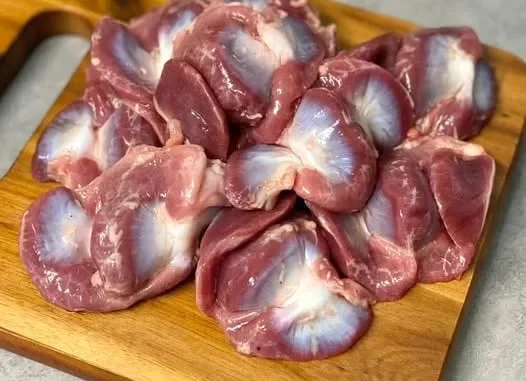
Chicken gizzards, often overlooked in many kitchens, are a unique and nutritious part of the bird that offers numerous dietary benefits. Despite their unassuming appearance, these muscular organs provide a concentrated source of essential nutrients that can support overall health. This article explores the nutritional profile of chicken gizzards, their culinary versatility, and practical tips for incorporating them into everyday meals.
Understanding Chicken Gizzards: Anatomy and Function
The gizzard is a specialized muscular stomach found in birds, including chickens. It plays a key role in the digestive process by grinding food, often with the help of ingested small stones or grit. This function requires strong, lean muscle tissue, which is reflected in the gizzard’s firm texture and high protein content. Unlike other cuts of meat that may contain more fat or connective tissue, gizzards are predominantly composed of lean muscle, making them a dense source of quality protein.
Nutritional Profile: What Makes Gizzards a Valuable Food Choice
Chicken gizzards are rich in several vital nutrients. They provide a substantial amount of high-quality protein, which is essential for muscle maintenance, tissue repair, and overall bodily functions. Additionally, they contain important minerals such as iron and zinc. Iron is crucial for oxygen transport in the blood, while zinc supports immune function and enzyme activity.
One of the standout nutrients in gizzards is vitamin B12, a water-soluble vitamin necessary for nerve health, DNA synthesis, and energy production. Because B12 is primarily found in animal products, gizzards serve as an excellent source for individuals seeking to meet their daily requirements affordably. The presence of other B vitamins also contributes to metabolic health and helps the body efficiently utilize energy from food.
Economic and Dietary Considerations
From a cost perspective, chicken gizzards are generally more affordable than many conventional meat cuts. This makes them an attractive option for individuals or families looking to maximize nutrition while managing food budgets. Incorporating gizzards into meals can diversify protein sources and provide nutrient density without increasing expenses significantly.
For those who prioritize nutrient-rich foods but aim to avoid pricier cuts like steaks or chicken breasts, gizzards offer a compelling alternative. Their nutrient composition supports various bodily functions, including immune defense, red blood cell production, and muscle repair, making them a valuable addition to balanced diets.
Preparing Chicken Gizzards: Techniques and Flavor Profiles
Despite initial impressions of their appearance, chicken gizzards are relatively straightforward to prepare. Their firm texture benefits from cooking methods that tenderize the meat, such as slow simmering or pressure cooking. These approaches help break down the muscle fibers, resulting in a more palatable and enjoyable texture.
Once tenderized, gizzards can be incorporated into a wide array of dishes. They work well in stir-fries, where quick cooking with vegetables and light sauces preserves their flavor and texture. Stews and soups also benefit from the richness gizzards add, enhancing both taste and nutritional content. Additionally, sliced cooked gizzards can be tossed into salads to provide a protein boost and textural contrast.
Seasoning choices can greatly influence the final dish. Simple additions such as garlic, onions, fresh herbs, and mild spices complement the natural taste of gizzards without overpowering it. This flexibility allows home cooks to adapt recipes to various cuisines and personal preferences.
Health Considerations and Dietary Balance
While chicken gizzards offer many health benefits, it is important to consume them as part of a balanced diet. Like other organ meats, moderation is advisable to avoid excessive intake of certain nutrients such as cholesterol. Incorporating a variety of protein sources, including plant-based options, can help maintain nutritional balance.
Individuals with specific dietary restrictions or health conditions should consult healthcare professionals when making significant changes to their diet. Nonetheless, for many people, gizzards represent a wholesome and nutrient-dense food choice that supports diverse nutritional needs.
Cultural Context and Culinary Traditions
Chicken gizzards have been enjoyed in numerous cultures worldwide, often appearing in traditional recipes and street foods. Their affordability and rich flavor have made them a staple in many regions, where they are prepared in distinctive ways that reflect local culinary heritage.
For example, in some Asian cuisines, gizzards are marinated and grilled or stir-fried with aromatic spices. In parts of Africa and Latin America, they are slow-cooked in stews or braised with vegetables. Exploring these cultural preparations can inspire new ways to enjoy gizzards and appreciate their versatility.
Practical Tips for Buying and Storing
When purchasing chicken gizzards, it is advisable to select fresh or properly refrigerated products from reputable sources. Fresh gizzards should have a firm texture and a clean smell without any off odors. If buying frozen, ensure they are well-packaged to prevent freezer burn.
Proper storage is essential to maintain quality and safety. Refrigerate gizzards promptly and use them within a couple of days or freeze for longer storage. When thawing frozen gizzards, do so in the refrigerator rather than at room temperature to minimize bacterial growth.
Incorporating Chicken Gizzards into Modern Meal Planning
For those interested in sustainable eating and reducing food waste, utilizing all edible parts of animals, including gizzards, aligns with these principles. They provide a way to enjoy nutrient-rich food without relying solely on popular cuts that may have higher environmental footprints.
Meal planning that includes chicken gizzards can add variety and depth to weekly menus. By experimenting with different cooking methods and flavor profiles, home cooks can create satisfying dishes that appeal to diverse tastes and dietary preferences.
Conclusion: Embracing a Nutrient-Packed, Cost-Effective Protein
Chicken gizzards offer a combination of nutritional value, affordability, and culinary flexibility that makes them an excellent choice for many diets. Their rich supply of protein, vitamins, and minerals supports essential bodily functions while their texture and flavor lend themselves to numerous cooking styles.
By incorporating gizzards into meals thoughtfully and with appropriate preparation, individuals and families can enjoy a healthful and economical protein source. This approach not only diversifies diets but also honors culinary traditions that have long recognized the value of this often underappreciated organ meat.
Sustainability and Environmental Impact of Consuming Chicken Gizzards
In recent years, there has been increased public interest in sustainable food choices and reducing the environmental impact of dietary habits. Consuming less popular parts of animals, such as chicken gizzards, contributes to a more sustainable approach to meat consumption. By utilizing the whole animal, food waste is minimized, and the resources invested in raising livestock are used more efficiently.
Compared to some cuts of meat that require larger inputs of feed, water, and land, organ meats like gizzards often represent a more resource-conscious option. While the environmental footprint of chicken production varies depending on farming practices and location, choosing to incorporate gizzards into your diet can be part of a strategy to reduce waste and support more responsible consumption patterns.
However, sustainability also involves considering the source of the poultry. Opting for products from farms that adhere to ethical and environmentally friendly practices, such as pasture-raised or certified organic poultry, can further enhance the positive impact of including gizzards in your meals.
Nutritional Comparisons with Other Organ Meats and Protein Sources
Chicken gizzards are one among many organ meats consumed worldwide, each offering unique nutritional benefits. Comparing gizzards to other organ meats such as liver, heart, or kidneys can provide perspective on their place in a balanced diet.
For example, chicken liver is exceptionally rich in vitamin A and iron but typically has a stronger flavor that some may find less palatable. The gizzard, by contrast, provides a milder taste with a firmer texture and still delivers substantial protein and B vitamins. Heart meat, another muscle organ, shares similarities with gizzards in being lean and protein-dense but differs in flavor profile and nutrient composition.
Beyond organ meats, gizzards compare favorably to more conventional muscle meats like chicken breast or beef in terms of micronutrient density. While breast meat is lower in fat and calories, it generally contains less iron and B12 than gizzards. This makes gizzards a beneficial complement to meals aiming for comprehensive nutrient intake.
Understanding these differences can help individuals tailor their protein consumption according to dietary goals, taste preferences, and nutritional needs.
Food Safety and Handling Best Practices
Ensuring food safety when handling and preparing chicken gizzards is essential to prevent foodborne illness. Like other poultry products, gizzards can harbor bacteria such as Salmonella or Campylobacter if not properly handled.
Key food safety tips include thorough washing of hands and surfaces after contact with raw gizzards, avoiding cross-contamination with other foods, and cooking gizzards to an internal temperature of at least 165°F (74°C) to kill harmful pathogens. Using a food thermometer can help verify proper cooking.
When purchasing gizzards, consumers should inspect packaging for damage or leaks and check expiration dates. If the gizzards have an unusual odor or slimy texture, it is best to discard them.
Proper refrigeration or freezing immediately after purchase, and thawing frozen gizzards in the refrigerator or under cold running water, further reduces the risk of bacterial growth.
These practices contribute to safe enjoyment of gizzards as a nutritious food option.
Incorporating Chicken Gizzards into Various Dietary Patterns
Chicken gizzards can be adapted to fit a range of dietary approaches, including traditional omnivorous diets, high-protein regimens, and certain culturally specific eating patterns.
For individuals following low-carbohydrate or ketogenic diets, gizzards provide a rich source of protein and micronutrients without added carbohydrates. Their nutrient density supports metabolic health and energy levels, making them a valuable inclusion.
In diets that emphasize whole foods and nutrient-dense options, such as the Mediterranean or Paleo diets, gizzards can be cooked with fresh herbs, vegetables, and healthy fats to create balanced meals.
Vegetarians and vegans do not consume organ meats, but awareness of the nutrient profile of gizzards can inform supplementation or food choices aimed at obtaining similar nutrients, particularly vitamin B12 and iron.
Those with specific health conditions, such as gout or cholesterol concerns, may need to moderate intake of organ meats, including gizzards, as part of their dietary management. Consulting healthcare providers or dietitians can help customize inclusion.
Innovative Culinary Uses and Recipe Ideas
Beyond traditional preparations, chicken gizzards lend themselves to creative cooking techniques that enhance their appeal and variety.
For example, marinating gizzards in acidic ingredients like lemon juice or vinegar can tenderize the meat and add brightness to the flavor. After marination, grilling or sautéing creates a crispy exterior with a tender interior.
Gizzards can also be ground or chopped finely to incorporate into fillings for dumplings, meatballs, or patties, blending their nutrition with other ingredients.
Incorporating gizzards into hearty grain bowls or mixed with legumes increases the overall protein and micronutrient content of meals.
For quick snacks, fried gizzards seasoned with spices such as paprika, cumin, or chili powder offer flavorful options reminiscent of popular street foods.
Experimenting with international recipes, such as Nigerian pepper soup with gizzards or Korean stir-fried gizzards, can introduce new tastes and textures.
Such culinary exploration encourages appreciation for gizzards and expands dietary diversity.
Reader Takeaways and Practical Advice
Including chicken gizzards in your diet can be a cost-effective way to enhance nutrient intake and diversify protein sources. Their rich supply of protein, iron, zinc, and B vitamins supports essential bodily functions, while their firm texture and mild flavor offer culinary versatility.
To maximize benefits, purchase fresh or properly frozen gizzards from trusted sources, practice safe food handling, and employ cooking methods that tenderize the meat.
Incorporate gizzards gradually into your meal planning, experimenting with seasoning and preparation styles that suit your taste and dietary preferences.
Consider the broader context of sustainability and nutrition by valuing all edible parts of the animal and reducing food waste.
By approaching chicken gizzards with openness and culinary creativity, you can enjoy a nutritious, affordable, and environmentally mindful protein option.
Continued exploration and adaptation of gizzards within diverse diets can contribute to long-term health and sustainable eating habits.
Storage and Reheating Tips for Optimal Quality
Proper storage and reheating of chicken gizzards are crucial to maintaining their texture, flavor, and safety. After cooking, allow gizzards to cool quickly and store them in airtight containers in the refrigerator. They can typically be kept refrigerated for up to three to four days. For longer preservation, freezing cooked gizzards is an effective option; when freezing, use freezer-safe containers or bags and remove excess air to prevent freezer burn.
When reheating, gently warm the gizzards using methods that avoid drying them out—such as steaming, microwaving with moisture, or reheating in a covered skillet with a small amount of liquid. Avoid prolonged reheating or high heat, as this can toughen the meat and diminish palatability.
Pairing Chicken Gizzards with Complementary Ingredients
To create balanced and flavorful meals, pairing chicken gizzards with complementary ingredients can enhance both taste and nutritional value. Because gizzards are rich in protein and minerals but relatively low in carbohydrates, serving them alongside whole grains like brown rice, quinoa, or barley provides energy-sustaining carbohydrates and fiber.
Vegetables, especially those high in vitamin C such as bell peppers, broccoli, or tomatoes, can aid iron absorption from gizzards and add freshness to dishes. Including healthy fats, such as olive oil or avocado, supports the absorption of fat-soluble vitamins and adds richness.
By thoughtfully combining ingredients, meals featuring gizzards can be both nutritionally complete and satisfying.
The Role of Chicken Gizzards in Culinary Education and Skill Development
For culinary students and home cooks alike, preparing chicken gizzards offers an opportunity to develop important cooking skills. Because gizzards require appropriate cleaning, tenderizing, and cooking techniques to achieve optimal texture, they can help build knowledge of offal preparation and ingredient handling.
Learning to work with less common cuts encourages creativity and resourcefulness in the kitchen, fostering an appreciation for whole-animal cooking practices. This experience can expand culinary repertoire and increase confidence in preparing diverse proteins.
Moreover, understanding the cultural significance and traditional uses of gizzards can deepen one’s culinary perspective and respect for global food heritage.
Considerations for Ethical Consumption
Ethical considerations in food choices are increasingly important to many consumers. When selecting chicken gizzards, individuals may choose to prioritize products sourced from suppliers that uphold animal welfare standards. This includes farms that provide humane living conditions, adequate space, and proper nutrition for poultry.
Supporting such sources can contribute to improved industry practices and align with personal values regarding animal treatment. Additionally, ethically sourced gizzards may come from birds raised without routine antibiotics or hormones, which some consumers prefer.
Being informed about food origins empowers consumers to make choices that reflect their ethical priorities while enjoying nutritious foods like gizzards.
Future Trends and Research Opportunities
As interest in sustainable eating and nutrient-dense foods grows, chicken gizzards may receive increased attention in both culinary and nutritional research. Future studies could explore optimized cooking methods to preserve nutrient content and improve texture, as well as investigate the bioavailability of minerals and vitamins from gizzards.
Additionally, innovations in food processing may lead to new products incorporating gizzards, such as ready-to-eat meals or protein supplements. Understanding consumer perceptions and developing appealing recipes will be key to expanding acceptance.
Continued research into the environmental impact of utilizing organ meats can further support sustainable food systems.
Reader Reflections and Encouragement
Incorporating chicken gizzards into your diet is not only a practical choice but also an invitation to explore culinary diversity and sustainability. By embracing lesser-used parts of animals, home cooks contribute to reducing waste and honoring traditional foodways.
Experimentation with recipes and preparations can turn gizzards into a favorite ingredient, broadening meal options and nutritional intake.
Approach this ingredient with curiosity and openness, and consider sharing your experiences and recipes with others to promote appreciation for this versatile and nutritious food.