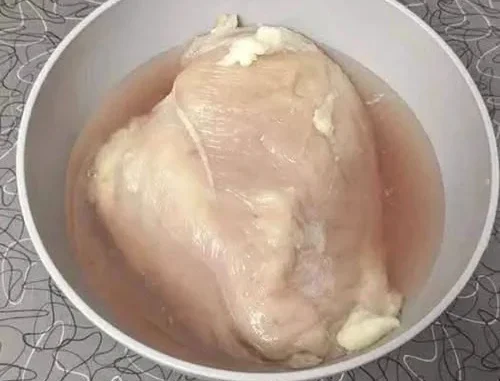
Leftover chicken is a common staple in many households, offering convenience and a quick solution for meals after busy days. However, ensuring that these leftovers remain safe to eat requires attention to food safety principles. Proper handling, storage, and reheating are critical to prevent potential foodborne illnesses and to maintain the quality of the chicken for future meals.
Understanding the Need for Careful Handling of Cooked Chicken
Chicken is a widely enjoyed protein source due to its versatility and nutritional benefits. Yet, poultry can be a medium for bacteria if not handled correctly, especially after cooking. While cooking typically eliminates harmful pathogens present in raw chicken, the risk resumes if the chicken is improperly stored or left out at unsafe temperatures.
Bacteria grow most rapidly within a temperature range often called the “danger zone,” which spans from about 40°F to 140°F (4°C to 60°C). In this range, bacteria can multiply quickly, increasing the risk of foodborne illness. Therefore, it’s important to limit the amount of time cooked chicken spends at room temperature.
The Importance of Prompt Refrigeration
Food safety guidelines recommend refrigerating cooked chicken within two hours of cooking. This window shortens to one hour if the ambient temperature exceeds 90°F (32°C), such as during outdoor events or warm weather conditions. Prompt refrigeration slows bacterial growth and preserves the chicken’s safety and freshness.
It is also advisable to store cooked chicken in airtight containers to minimize exposure to air and contaminants. Labeling containers with the date of storage can help keep track of how long leftovers have been kept.
How Long Can Cooked Chicken Be Stored?
When properly refrigerated at or below 40°F (4°C), cooked chicken is generally safe to consume for up to three to four days. Beyond this timeframe, the risk of spoilage and bacterial growth increases. If there is uncertainty about how long the chicken has been stored or if it exhibits any changes in texture, color, or smell, it is safer to discard it.
If you do not plan to eat the leftovers within this period, freezing is an effective way to extend their shelf life. Properly wrapped and stored in freezer-safe containers or bags, cooked chicken can maintain quality for several months. To prevent freezer burn, it’s recommended to remove as much air as possible before sealing and to freeze in portion sizes suitable for future meals.
Limitations of Sensory Checks
Many people rely on smell or appearance to decide whether leftover chicken is still safe. While noticeable spoilage signs like off odors, slime, or discoloration are clear indicators to discard food, the absence of these signs does not guarantee safety. Some bacteria that cause foodborne illness do not alter the sensory qualities of chicken, so relying solely on smell or sight can be misleading.
Reheating Leftovers Safely
Reheating chicken thoroughly is essential to reduce bacterial risk. The entire portion should reach an internal temperature that is hot enough to kill most pathogens—usually above 165°F (74°C). Using a food thermometer is the most reliable method to confirm this.
When reheating, it’s important to avoid cold spots by stirring the food and covering it to retain moisture and heat evenly. However, reheating does not eliminate toxins produced by certain bacteria if the chicken was improperly stored beforehand. Therefore, reheating should complement, not replace, correct storage practices.
Proper Cooling Techniques
Cool cooked chicken quickly to minimize time spent in the danger zone. Large portions should be divided into smaller, shallow containers to speed up cooling in the refrigerator. Leaving hot food out to cool completely before refrigeration can increase bacterial growth, so prompt transfer to the fridge is recommended.
Common Errors to Avoid
Several habits can inadvertently increase the risk of foodborne illness from leftovers. Leaving cooked chicken out overnight or for extended periods, repeatedly reheating the same portion multiple times, and overcrowding the refrigerator—thereby impairing air circulation—are common mistakes to watch out for.
Planning and Organization Tips to Reduce Waste
Thoughtful meal planning helps balance food safety with minimizing waste. Preparing appropriate portion sizes, promptly storing leftovers, freezing surplus meals, and clearly labeling containers contribute to safer and more efficient use of cooked chicken.
Groups at Higher Risk and Extra Precautions
While foodborne illnesses can affect anyone, older adults, young children, pregnant individuals, and people with weakened immune systems are more vulnerable to severe complications. For these groups, adhering strictly to food safety guidelines is especially important. When in doubt, opting for freshly prepared meals instead of questionable leftovers is a safer choice.
Maintaining Refrigerator Hygiene and Temperature
Regular maintenance of your refrigerator supports safe food storage. Keep the appliance at or below 40°F (4°C), organize food to prevent cross-contamination (such as placing cooked items above raw meats), clean spills promptly, and monitor expiration dates. Using a refrigerator thermometer can help ensure consistent and safe temperatures.
When to Discard Leftover Chicken
Discard cooked chicken if it has been left at room temperature beyond recommended times, if the storage duration is unknown, if any signs of spoilage appear, or if the refrigerator has experienced power outages affecting temperature control. Although wasting food is undesirable, prioritizing health and safety is paramount.
Building Consistent Food Safety Habits
Developing a routine around safe food handling can greatly reduce risks. Washing hands before food preparation, refrigerating leftovers promptly, using clean storage containers, reheating food thoroughly, and labeling stored items are simple yet effective practices.
Conclusion
Leftover chicken offers a convenient and tasty option for meals when handled with care. Awareness of proper storage times, temperature control, and reheating methods is vital to reduce the risk of foodborne illness. By integrating these food safety principles into daily routines, individuals and families can enjoy their meals confidently while minimizing waste and maintaining kitchen hygiene.
Understanding Cross-Contamination and Its Role in Food Safety
Cross-contamination is a critical concept in food safety that often goes overlooked when handling leftovers. It occurs when harmful bacteria or allergens are transferred from one food item to another, often through direct contact or via utensils, cutting boards, or hands. When dealing with cooked chicken, preventing cross-contamination is essential to avoid introducing new pathogens that could lead to illness.
To minimize the risk, always use separate cutting boards and knives for raw and cooked foods. Wash hands thoroughly before and after handling chicken, and clean all surfaces and utensils with hot, soapy water after use. Even though the chicken is cooked, improper handling can reintroduce harmful bacteria from raw foods or contaminated surfaces.
The Role of Food Safety Education and Awareness
The general public’s understanding of food safety has improved over time due to increased education efforts by health authorities and organizations. However, gaps remain, particularly regarding leftovers, which are sometimes perceived as inherently safe if they look and smell fine.
Continued education on proper food handling, storage, and reheating is vital, especially in home kitchens where most foodborne illnesses originate. Public health campaigns often emphasize simple, actionable guidelines such as the two-hour rule and the importance of refrigeration, which can significantly reduce risk.
Incorporating food safety education into school curricula and community programs can empower individuals with lifelong habits that promote health and reduce food waste.
Food Safety Challenges in Different Cultural and Culinary Contexts
Leftover chicken practices can vary widely depending on cultural norms and culinary traditions. Some cuisines emphasize dishes that use cooled or refrigerated chicken as an ingredient in salads, soups, or casseroles, while others may repurpose leftovers differently.
Understanding these diverse practices is important because food safety recommendations must be adaptable and culturally sensitive. For example, certain traditional dishes involving slow cooking or fermentation may require specific knowledge to ensure safety.
Food safety professionals and educators often work to provide tailored advice that respects cultural preferences while maintaining safety standards, recognizing that a one-size-fits-all approach may not be effective worldwide.
The Environmental Impact of Proper Leftover Management
Reducing food waste is a significant environmental concern. Leftover chicken, when handled correctly, can contribute to waste reduction by extending the usability of prepared meals.
Conversely, discarding leftovers prematurely due to uncertainty about safety or improper storage contributes to unnecessary waste and resource depletion. Proper storage techniques, portion planning, and freezing can help households minimize food waste, which benefits both the environment and household budgets.
Incorporating food safety into sustainability efforts highlights the interconnectedness of health, economy, and environmental stewardship.
Technological Advances Supporting Leftover Food Safety
Advancements in technology have introduced new tools to assist consumers in managing leftover safety. Smart refrigerators with temperature monitoring and alerts help maintain optimal storage conditions.
Additionally, innovations such as food storage containers with built-in sensors that indicate spoilage or freshness are emerging. Mobile apps that provide reminders for when leftovers should be consumed or discarded can also support safer practices.
While these technologies are not yet universally accessible, they represent promising avenues to reduce foodborne illness risks and food waste in the future.
The Importance of Safe Food Handling in Commercial Settings
While this article focuses on home food safety, it is important to note that leftover chicken safety is equally critical in commercial food service environments.
Restaurants, catering services, and institutional kitchens follow stringent regulations and guidelines to ensure leftovers are stored and handled safely to protect public health.
Understanding these protocols can inform consumers about the importance of food safety standards and encourage similar diligence at home. It also underscores the role of regulatory agencies in monitoring and enforcing proper practices in food establishments.
Summary of Key Takeaways for Safe Leftover Chicken Consumption
- Always refrigerate cooked chicken within two hours, or within one hour during hot conditions.
- Store leftovers in clean, airtight containers and label them with the date.
- Consume refrigerated chicken within three to four days or freeze for longer storage.
- Use a food thermometer to reheat leftovers to an internal temperature of 165°F (74°C).
- Avoid relying solely on smell or appearance to judge safety.
- Prevent cross-contamination by using separate utensils and cleaning surfaces.
- Plan portions and meals to minimize waste while maintaining safety.
- Be especially cautious with vulnerable populations.
By integrating these practices into everyday routines, individuals can enjoy the convenience of leftover chicken while safeguarding their health.
Encouraging a Mindful Approach to Leftovers
Ultimately, managing leftover chicken safely is part of a broader mindset that values both health and resourcefulness. Treating leftovers with the same care as freshly prepared food reflects respect for the effort and resources involved in meal preparation.
This mindful approach supports better health outcomes, reduces environmental impact, and contributes to a more sustainable food system. As awareness and technology evolve, so too will the tools and knowledge available to help consumers make informed, safe choices regarding their food.
Understanding Foodborne Pathogens Commonly Associated with Chicken
Several types of bacteria are commonly linked to foodborne illnesses from chicken products. Salmonella and Campylobacter are among the most prevalent pathogens found in poultry. These bacteria can cause symptoms ranging from mild gastrointestinal discomfort to more severe illness, particularly in vulnerable populations. Proper cooking kills these bacteria, but improper storage or handling after cooking can allow them to multiply or their toxins to persist. Awareness of these microorganisms helps emphasize the importance of adhering to safe food handling practices.
The Role of Kitchen Hygiene in Preventing Foodborne Illness
Maintaining good kitchen hygiene is an essential complement to proper storage and reheating of leftover chicken. Regular handwashing, especially after handling raw poultry, is critical to prevent cross-contamination. Surfaces such as countertops, cutting boards, and utensils must be cleaned and sanitized frequently. Using separate equipment for raw and cooked foods reduces the risk of transferring harmful bacteria. These hygiene practices, combined with temperature control, form a comprehensive barrier against foodborne pathogens.
How Cultural Food Practices Influence Leftover Chicken Safety
Cultural traditions shape how leftover chicken is stored, prepared, and consumed. In some cuisines, cooked chicken is incorporated into cold salads or dishes served at room temperature, which requires particular attention to timing and refrigeration. Other cultures may have customary methods of reheating or seasoning leftovers that affect safety and quality. Understanding and respecting these cultural contexts can enhance the relevance and effectiveness of food safety guidance. Tailoring advice to fit diverse culinary customs supports better compliance and outcomes.
The Psychological Factors Behind Leftover Food Decisions
Deciding whether to consume or discard leftovers involves more than just knowledge—it can also be influenced by habits, perceptions, and emotional factors. People may underestimate risks due to familiarity with their own cooking, or they might be reluctant to waste food due to economic or environmental concerns. Education that addresses these psychological aspects can be more effective by acknowledging the challenges individuals face, encouraging cautious but practical decision-making.
Future Trends in Food Safety and Leftover Management
Emerging research and technology continue to shape how leftover food safety is approached. Developments in rapid bacterial detection methods, packaging innovations, and consumer education tools are likely to improve monitoring and reduce waste. As awareness of food safety risks grows, so does the potential for integrating smart solutions into everyday kitchen routines. Continued collaboration between scientists, technology developers, and public health officials will play a key role in advancing these trends.
Key Takeaway for Readers
Safe consumption of leftover chicken hinges on a holistic understanding encompassing microbiology, hygiene, cultural practices, and behavioral factors. By integrating thorough cooking, prompt and proper storage, hygienic handling, and mindful reheating, individuals can significantly reduce their risk of foodborne illness. Respecting cultural food habits and being aware of one’s own attitudes toward leftovers can further support safe and enjoyable meals. Staying informed about evolving food safety innovations also empowers consumers to make better choices. Ultimately, a balanced approach that values safety, quality, and sustainability benefits both personal health and the broader community.