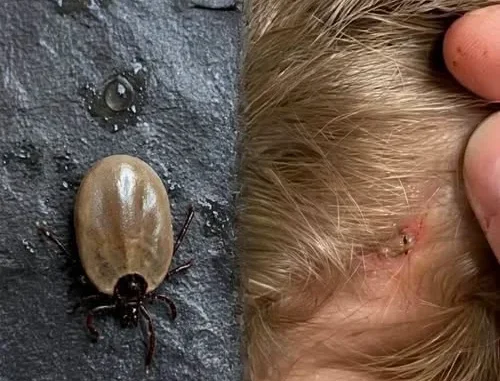
Introduction to Ticks and Outdoor Safety
Engaging in outdoor activities such as hiking, gardening, camping, or simply walking your pet provides numerous health and recreational benefits. However, these activities can also increase the likelihood of encountering ticks—small arachnids known to feed on the blood of humans and animals. Understanding tick behavior, effective prevention methods, safe removal techniques, and recognizing symptoms that may require medical attention is essential for enjoying the outdoors safely.
Understanding Ticks and Their Habitats
Ticks belong to the arachnid family, which means they are related to spiders rather than insects. These tiny creatures thrive in environments such as tall grasses, shrubs, wooded areas, leaf litter, and brushy regions commonly found along hiking trails. Ticks employ a strategy called “questing,” where they climb onto vegetation and wait for a host to pass by, attaching themselves to skin or fur to feed.
The bite of a tick often goes unnoticed due to the anesthetic properties of their saliva, which helps them feed undetected. Because of this, it is possible for ticks to remain attached for several hours or even days before being discovered.
Importance of Early Tick Detection
Detecting ticks early after outdoor exposure is crucial. Many tick-borne pathogens require a certain amount of time to transfer from the tick into the host’s bloodstream. Prompt identification and removal of ticks can significantly reduce the risk of infection. Routine self-examinations after outdoor activities are one of the most effective preventive measures.
Common Areas for Tick Attachment
Ticks tend to attach themselves to warm, concealed areas of the body where the skin is thin. Typical attachment sites include behind the knees, under the arms, around the waist, in the groin, behind the ears, along the hairline, on the scalp, and around the ankles. Because ticks are small and can be difficult to spot, a thorough inspection is necessary, particularly in children and pets, who may have more difficulty noticing ticks on their bodies.
Conducting Thorough Tick Checks
Performing a full-body tick check takes only a few minutes and is recommended after spending time outdoors. Use a well-lit area and mirrors to examine hard-to-see spots such as the back and scalp. Showering soon after outdoor activities can aid in washing away unattached ticks and provides an opportunity for a detailed inspection. Checking clothing before entering the home can also help identify ticks that may be present.
Safe Tick Removal Techniques
When a tick is found attached to the skin, it is important to remove it carefully to minimize the risk of infection. The recommended method involves using fine-tipped tweezers to grasp the tick as close to the skin’s surface as possible. Pull steadily upward with even pressure without twisting or crushing the tick. After removal, clean the bite area and your hands thoroughly with soap and water or an antiseptic solution. Avoid unproven removal methods such as applying heat, petroleum jelly, or nail polish, as these can cause the tick to regurgitate infectious material or delay removal.
Typical Reactions Following a Tick Bite
Most tick bites result in minor local effects such as mild redness, itching, slight swelling, or tenderness at the site. These symptoms often resolve within a few days without further intervention. Nevertheless, continued observation of the bite area and overall health is advisable over the following weeks.
Recognizing When to Seek Medical Advice
While many tick bites do not lead to illness, certain signs may indicate the onset of a tick-borne infection and warrant professional evaluation. These include fever, chills, severe headache, muscle or joint pain, fatigue, an expanding rash, and swollen lymph nodes. The presence of these symptoms following a tick bite or outdoor exposure should prompt consultation with a healthcare provider for appropriate assessment and management.
Overview of Tick-Borne Diseases
Ticks can transmit a variety of pathogens, including bacteria, viruses, and parasites. The risk of infection depends on factors such as the species of tick, geographic location, duration of attachment, and local disease prevalence. Not all ticks carry disease, and not all bites result in infection. Medical professionals consider these variables when deciding on testing or treatment options.
Effective Strategies for Preventing Tick Bites
Prevention is the most effective way to reduce the risk of tick-borne illnesses. Protective clothing such as long sleeves and pants, preferably light-colored to spot ticks more easily, provides a physical barrier. Tucking pant legs into socks can add extra protection when walking through vegetation. The use of tick repellents approved for skin, clothing, or gear, following label instructions, enhances defense against ticks.
Staying on designated trails and avoiding contact with tall grass and brush further decreases the likelihood of encountering ticks. These simple measures can substantially reduce exposure during outdoor activities.
Special Considerations for Children and Pets
Children’s outdoor play often involves close contact with the ground and vegetation, increasing tick exposure risk. Dressing children in protective clothing, performing thorough tick checks after outdoor time, and educating them not to handle ticks are valuable preventive steps. Similarly, pets can carry ticks into the home. Regular inspection of pets, especially around the ears, neck, between toes, and under collars, is important. Veterinarians can recommend appropriate tick control products tailored to the animal’s lifestyle and health.
Managing Your Outdoor Environment to Reduce Tick Presence
Homeowners can take measures to create less hospitable environments for ticks. Keeping grass mowed, removing leaf litter and brush, and establishing clear boundaries between wooded areas and lawns help reduce tick populations. Discouraging wildlife that may carry ticks can also contribute to lowering the risk around residential properties.
Balancing Awareness with Practicality
While it is important to be informed about ticks and the diseases they may carry, it is equally important to avoid unnecessary worry. Most tick bites do not lead to serious health issues. Prompt removal, regular monitoring, and seeking medical advice when appropriate provide effective management. This balanced approach allows individuals and families to enjoy the outdoors with confidence.
Emergency Situations and When to Act Quickly
In rare cases, severe reactions to tick bites or tick-borne illnesses may occur. Symptoms such as difficulty breathing, severe allergic reactions, high fever with worsening condition, confusion, or persistent vomiting require immediate medical attention. Rapid response to these signs is critical for effective treatment.
Conclusion: Enjoying Nature Safely with Tick Awareness
Ticks are a natural component of many outdoor environments. Through informed preventive practices such as wearing suitable clothing, using repellents, conducting thorough tick checks, and removing ticks correctly, individuals can significantly reduce their risk of tick-borne diseases. Remaining vigilant for symptoms after a bite and consulting healthcare professionals when necessary supports overall health. By combining knowledge and precaution, outdoor activities can continue to be a source of enjoyment and well-being.
Understanding Regional Variations in Tick Species and Risks
Ticks are not uniform across all regions; different species inhabit various parts of the world and carry distinct risks. For example, the black-legged tick (Ixodes scapularis), commonly known as the deer tick, is prevalent in the northeastern and upper midwestern United States and is the primary vector for Lyme disease in those areas. Conversely, the lone star tick (Amblyomma americanum), found mainly in the southeastern and south-central U.S., is associated with different pathogens and allergic reactions.
Being aware of the types of ticks common in your geographic area can help tailor prevention strategies and heighten vigilance for specific symptoms. Public health departments and university extension services often provide up-to-date information about local tick species and their associated diseases, which can be valuable resources.
The Role of Climate and Seasonal Patterns in Tick Activity
Tick activity varies with climate and seasonal changes. In temperate regions, ticks are most active during the warmer months, typically from spring through early fall. However, in milder climates, ticks may be active year-round. Understanding these patterns can guide the timing of preventive measures.
Climate change has also influenced tick distribution and activity periods, potentially expanding tick habitats into new areas. This highlights the importance of staying informed about local tick activity trends through reliable sources.
The Importance of Medical History and Personal Risk Factors
Individual risk for tick-borne diseases can be influenced by personal health factors and medical history. People with compromised immune systems, those who spend significant time outdoors in endemic areas, or those with previous tick-borne illnesses may require closer monitoring.
Discussing your outdoor activities and any tick exposure with a healthcare provider can help determine if additional preventive measures or early testing is warranted. Personalized advice can enhance safety and peace of mind.
Navigating Diagnostic Testing for Tick-Borne Illnesses
Diagnosing tick-borne diseases can be complex due to the similarity of symptoms with other conditions and the variable accuracy of tests depending on timing. Blood tests for Lyme disease, for example, may not be reliable in the very early stages of infection.
Healthcare professionals typically consider clinical signs, exposure history, and laboratory results collectively when diagnosing. If symptoms develop after a tick bite, prompt medical evaluation is important to guide testing and treatment decisions effectively.
Treatment Approaches and the Importance of Early Intervention
Many tick-borne illnesses respond well to timely treatment, usually involving antibiotics for bacterial infections. Early intervention can prevent complications and promote full recovery.
Self-medicating or delaying professional care is discouraged, as appropriate therapy depends on the specific disease and individual circumstances. Always follow healthcare provider guidance for medication use and follow-up.
Psychological Impact of Tick Encounters and Coping Strategies
For some individuals, finding a tick or experiencing a tick bite can cause anxiety or stress, especially given the potential for serious illness. Recognizing this emotional response is important.
Educating oneself about tick behavior, prevention, and the relatively low likelihood of severe outcomes can help alleviate fears. Support from healthcare providers and trusted sources can assist in managing concerns and maintaining a balanced perspective.
Community and Public Health Efforts to Reduce Tick-Borne Diseases
Local and national public health agencies engage in efforts to monitor tick populations, educate the public, and develop strategies to reduce tick-borne diseases. These may include community awareness campaigns, habitat management programs, and research initiatives.
Participation in community programs, staying informed through official channels, and sharing accurate information with others contribute to broader prevention efforts.
Integrating Tick Awareness Into Outdoor Recreation Planning
Planning outdoor activities with tick prevention in mind can enhance safety without detracting from enjoyment. Selecting trails and parks known for lower tick density, scheduling activities during lower-risk times, and preparing with appropriate clothing and repellents are practical steps.
Incorporating tick checks into routine post-activity habits for all participants, including children and pets, ensures comprehensive protection.
Media Literacy: Evaluating Information About Ticks and Tick-Borne Diseases
With abundant information available online and through media outlets, it is vital to critically assess sources regarding ticks and related health risks. Sensationalized or inaccurate reports can cause unnecessary alarm.
Relying on reputable organizations such as the Centers for Disease Control and Prevention (CDC), World Health Organization (WHO), and local health departments is recommended. Cross-referencing information and consulting healthcare professionals help maintain an informed and balanced viewpoint.
Career and Research Perspectives in Tick-Borne Disease Prevention
Professionals in entomology, epidemiology, public health, and veterinary medicine play key roles in understanding ticks and mitigating risks. Ongoing research focuses on tick biology, pathogen transmission, vaccine development, and novel prevention techniques.
For individuals interested in contributing to this field, educational pathways include degrees in biology, public health, or veterinary sciences, with opportunities to engage in research and community health initiatives.
Legacy and Future Directions in Tick-Borne Disease Management
Over the past decades, advances in awareness, diagnostics, and treatment have improved outcomes for those affected by tick-borne diseases. Continued efforts aim to develop better vaccines, enhance tick control methods, and understand ecological factors influencing tick populations.
Public engagement and scientific innovation will remain central to reducing the burden of these diseases and supporting safe outdoor experiences.
Key Takeaways for Readers
Staying informed about ticks, practicing consistent prevention, conducting thorough tick checks, and seeking timely medical advice are foundational to managing risks associated with tick bites. Awareness of regional tick species, seasonal activity, and personal risk factors further supports effective protection.
Balancing vigilance with practical measures and maintaining a calm, informed approach allows individuals and families to enjoy nature confidently and safely.