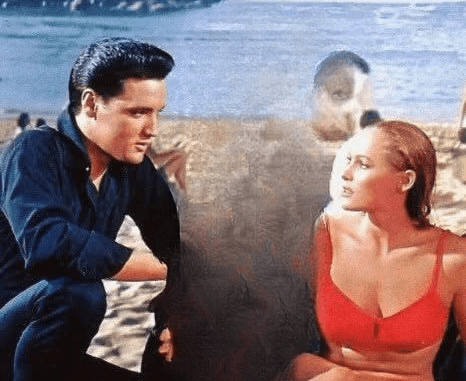
Elvis Presley and Ursula Andress are two iconic figures who left their mark on 1960s cinema, each representing distinct facets of popular culture. Their collaboration during the production of Fun in Acapulco offers an intriguing glimpse into Hollywood’s workings during a transformative era, marked by star power, media speculation, and the evolving nature of celebrity.
Elvis Presley: Cultural Icon and Film Star
By the early 1960s, Elvis Presley had become a global sensation. Known primarily as the “King of Rock ’n’ Roll,” his influence extended beyond music into film and popular culture more broadly. Presley’s transition into movies was part of a broader strategy to capitalize on his widespread appeal, with a series of musical films that combined his singing talents with lighthearted storytelling. Fun in Acapulco, released in 1963, was among these efforts, blending musical numbers with a tropical setting designed to captivate audiences seeking escapism.
Ursula Andress: From European Starlet to Hollywood Recognition
Ursula Andress had risen to international prominence following her breakout role in the 1962 James Bond film Dr. No. Her portrayal of Honey Ryder became iconic, establishing her as a glamorous and captivating presence on screen. This role helped Andress transition from European cinema to Hollywood, where she was often cast in parts emphasizing elegance and allure. Her involvement in Fun in Acapulco paired her with Presley, creating a dynamic that attracted considerable public and media interest.
On-Screen Collaboration in Fun in Acapulco
In the film, Presley played Mike Windgren, a performer seeking a fresh start in Mexico, while Andress portrayed Marguerita Dauphin, a sophisticated resort figure. Their characters shared moments of flirtation and charm, contributing to the movie’s romantic and musical appeal. The chemistry between the two actors was noted as natural and engaging, enhancing the film’s entertainment value.
Despite the film’s Mexican setting, much of the production took place in Hollywood due to logistical and political considerations. This approach was common at the time, with studios often recreating exotic locales on sound stages and backlots. The result was a stylized version of Acapulco, designed to evoke a sense of tropical allure while accommodating production constraints.
Media Speculation and Off-Screen Dynamics
The combination of Presley and Andress naturally sparked rumors and speculation about their off-screen relationship. Both stars were at significant points in their careers and attracted considerable public attention. However, accounts from those involved in the production suggest that professional boundaries were maintained.
John Derek, an established actor and director who was in a relationship with Andress during this period, was present during filming. His involvement reportedly introduced a dynamic that influenced interactions on set, serving as a reminder of existing personal commitments. Additionally, Presley was known for adhering to certain personal principles regarding relationships, which likely played a role in how he navigated social interactions during the shoot.
The nature of celebrity culture in the 1960s also contributed to the cautious management of personal narratives. Studios and publicists often sought to preserve the public images of stars by controlling information and minimizing potentially controversial stories. This context helps explain why no confirmed off-screen romance between Presley and Andress emerged despite public curiosity.
The Film’s Place in a Changing Entertainment Landscape
Fun in Acapulco represents a period when musical films were a popular genre, but also a time of transition in the entertainment industry. Shortly after this era, new musical influences and cultural shifts began to reshape popular music and film. The rise of bands like The Beatles and changing audience tastes signaled a new chapter in entertainment history.
Presley’s film career would continue, but musical films of this style gradually declined in prominence. Meanwhile, Andress continued to build her career with diverse roles, maintaining her status as a celebrated actress.
Legacy and Reflection
The story of Elvis Presley and Ursula Andress’s collaboration during Fun in Acapulco is notable not for scandal or dramatic personal developments, but for the professional and social dynamics it reflects. Their on-screen partnership delivered entertainment that resonated with audiences, while their off-screen interactions exemplify the complexities of celebrity life.
This episode underscores how public fascination with stars often intersects with the realities of personal boundaries and industry practices. It also highlights the ways in which media narratives can shape perceptions, sometimes emphasizing possibilities over confirmed events.
For contemporary audiences and enthusiasts of film history, the Presley-Andress connection offers insight into the nature of fame, the mechanics of studio productions, and the cultural context of the early 1960s. Their experience serves as a reminder of the layered stories behind classic films and the individuals who brought them to life.
In summary, the pairing of Elvis Presley and Ursula Andress in Fun in Acapulco remains a noteworthy chapter in entertainment history. It is characterized by professionalism, media intrigue, and the subtle tensions inherent in the world of celebrity, rather than by any definitive personal relationship. As such, it continues to invite interest and reflection on the complexities of Hollywood’s golden era.
The Role of Studio Systems and Contractual Obligations
During the early 1960s, Hollywood operated under a studio system that significantly influenced the careers and public personas of actors like Elvis Presley and Ursula Andress. Studios often exerted considerable control over the projects their contracted stars participated in, as well as over how these stars were presented in the media. For Elvis, this meant that his film roles were carefully selected to align with his wholesome image, designed to appeal to a broad audience and avoid controversy. Similarly, Ursula Andress’s roles were crafted to highlight her glamor while respecting the era’s censorship standards and audience expectations.
This system also meant that actors had limited autonomy in their personal and professional choices during productions. Any romantic speculation was often discouraged or outright managed by studio publicists to maintain the carefully curated images. Understanding this context helps explain why any off-screen relationship between Presley and Andress remained private and why public narratives focused more on their on-screen chemistry rather than personal entanglements.
Navigating Fame and Privacy in the 1960s
The 1960s marked a period when the lines between an actor’s public and private lives began to blur more than ever before, largely due to increasing media attention and the rise of fan culture. For stars like Elvis Presley, who was not only a musician but also a film star, maintaining privacy was a complex challenge. The intense spotlight could amplify rumors and create pressure to conform to public expectations.
Ursula Andress, transitioning from European cinema to Hollywood, also faced the challenges of navigating fame in a new cultural environment. The presence of her partner, John Derek, during the filming of Fun in Acapulco, and the professional boundaries upheld by all parties, illustrate the delicate balance actors sought to maintain between their personal relationships and public personas.
This dynamic is a reminder that celebrity life often involves managing perceptions as much as it does managing personal experiences. For fans and media alike, the allure of potential romances frequently overshadowed the reality of professional conduct and personal restraint.
The Influence of Cultural and Political Contexts on Filming
The production of Fun in Acapulco was shaped not only by Hollywood practices but also by broader cultural and political factors. Though set in Acapulco, Mexico, the film’s shooting largely took place in Hollywood due to geopolitical considerations and production logistics. At the time, political sensitivities and concerns about safety or diplomatic relations sometimes limited where American films could be shot on location.
These constraints affected the authenticity of the setting but also demonstrated the film industry’s adaptability in creating convincing backdrops through set design and cinematography. The resulting stylized portrayal of Acapulco contributed to the film’s escapist appeal, aligning with audience desires for exotic and entertaining experiences during a time of social change.
Moreover, this context highlights how external factors can influence creative decisions in filmmaking, shaping not only the final product but also the working environment for actors and crew members.
The Evolution of Musical Films and Changing Audience Tastes
Fun in Acapulco arrived during a transitional moment in film and music history. Musical films had enjoyed popularity, particularly those featuring charismatic performers like Elvis Presley. However, by the mid-1960s, audience preferences began shifting toward new musical styles and storytelling forms, influenced by emerging artists and cultural movements.
The rise of bands such as The Beatles and the British Invasion brought fresh sounds and attitudes that redefined popular music and youth culture. This shift also impacted film, where musicals took on different forms or were supplanted by other genres reflecting contemporary themes.
Elvis’s film career continued during this period, but the formula that made his early musical films successful gradually lost its widespread appeal. Ursula Andress adapted by exploring diverse roles beyond musical cinema, demonstrating the need for actors to evolve alongside changing industry trends.
Reflecting on Celebrity Chemistry and Audience Engagement
The on-screen pairing of Elvis Presley and Ursula Andress in Fun in Acapulco exemplifies how chemistry between performers can enhance a film’s appeal. Their interactions contributed to the narrative’s romantic undertones and audience engagement, even as the off-screen story remained restrained.
This phenomenon is common in entertainment, where the perceived connection between actors can captivate viewers and generate lasting interest. However, it also underscores the importance of distinguishing between scripted performances and real-life relationships, recognizing that public fascination often blurs these lines.
For media consumers, this serves as a reminder to approach celebrity narratives with critical awareness, appreciating performances while understanding the boundaries of personal privacy.
The Enduring Fascination with Hollywood “What Ifs”
Stories like the one involving Elvis Presley and Ursula Andress continue to intrigue because they represent moments of possibility rather than definitive outcomes. The absence of scandal or confirmed romance leaves space for imagination and speculation, fueling ongoing interest among fans and historians.
Such “what if” scenarios are a staple of Hollywood lore, reflecting broader human curiosity about alternative narratives and the complexities of personal and professional lives behind the glamour.
In this way, the Presley-Andress story contributes to the rich tapestry of entertainment history, offering insights not only into the individuals involved but also into the cultural and industry frameworks that shape celebrity experiences.
Lessons for Contemporary Audiences and Media Literacy
Examining the dynamics surrounding Fun in Acapulco and the interaction of its stars provides valuable lessons for today’s audiences. It highlights the need for media literacy, encouraging consumers to question rumors, recognize the influence of publicity practices, and respect boundaries between public personas and private lives.
Furthermore, understanding the historical context of film production and celebrity culture can deepen appreciation for classic cinema and the figures who defined it. It invites reflection on how fame is constructed and maintained, and how it continues to evolve in the modern media landscape.
Ultimately, the story of Elvis Presley and Ursula Andress serves as a case study in the complexities of stardom, reminding us that sometimes the most compelling narratives are those defined by subtlety, professionalism, and the choices not to act on fleeting opportunities.
The Role of Media Narratives in Shaping Celebrity Perceptions
Media coverage during the 1960s played a crucial role in shaping public perceptions of celebrities like Elvis Presley and Ursula Andress. Entertainment journalism often thrived on speculation and sensationalism, particularly when high-profile stars worked closely together. While this created interest and buzz around films like Fun in Acapulco, it also led to narratives that sometimes overshadowed the realities of the individuals involved. Understanding this dynamic helps contextualize why rumors about a romantic relationship between Presley and Andress persisted despite a lack of confirmed evidence. It also serves as a reminder of the media’s influence in constructing celebrity images that may differ from private experiences.
Impact on Career Trajectories and Future Collaborations
Though Elvis Presley and Ursula Andress did not develop a personal relationship beyond their professional collaboration, their work on Fun in Acapulco contributed to their respective career paths. For Presley, the film represented one of his last major musical movie successes before the entertainment landscape shifted. He continued to make films and music, but the evolving tastes of audiences required adaptation. Ursula Andress, meanwhile, leveraged her Hollywood exposure to explore varied roles that showcased her range as an actress beyond the glamorous image established by earlier parts. The project did not lead to further collaborations between Presley and Andress, highlighting how single film projects often serve as unique intersections in artists’ careers rather than ongoing partnerships.
The Importance of Respecting Personal Boundaries in Celebrity Contexts
The story of Elvis Presley and Ursula Andress underscores the importance of respecting personal boundaries, both historically and today. Despite public interest in their potential off-screen relationship, those involved maintained professionalism and discretion. This highlights that celebrities, like anyone else, navigate complex personal and social dynamics that may not always align with public expectations or fantasies. Recognizing and respecting these boundaries is essential for a balanced understanding of celebrity culture and for fostering a media environment that values privacy and ethical storytelling.
Cultural Impact of Fun in Acapulco Beyond Its Star Cast
While the focus often rests on the stars themselves, Fun in Acapulco also holds significance as a cultural artifact reflecting early 1960s cinematic trends. The film’s musical style, setting, and narrative themes contribute to the depiction of leisure and romance during that era. Moreover, its portrayal of Mexico, albeit stylized, introduced international audiences to aspects of Mexican culture and scenery, influencing perceptions and tourism interest. The film’s soundtrack, featuring songs performed by Presley, further embedded it in popular culture. Thus, beyond the interactions of its lead actors, Fun in Acapulco played a role in shaping entertainment and cultural dialogues of its time.
Continuing Interest and Research in Hollywood History
The ongoing fascination with stories like that of Elvis Presley and Ursula Andress illustrates a broader interest in Hollywood history and the complexities behind classic films. Researchers, historians, and fans often revisit such narratives to gain deeper insights into the social, cultural, and industrial contexts that shaped the film industry. This continued engagement helps preserve the legacy of iconic figures and encourages nuanced discussions about fame, media, and artistry. It also offers valuable lessons for contemporary media consumers about the interplay between myth and reality in celebrity culture.