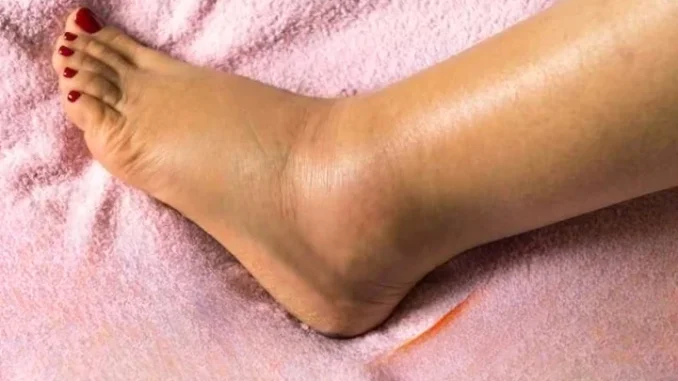
Leg swelling, medically known as peripheral edema, is a common condition that affects many people at various stages of life. It typically manifests as an accumulation of fluid in the lower extremities, causing visible puffiness or a sensation of heaviness. While occasional swelling may occur after prolonged standing or sitting, persistent or severe swelling can indicate underlying health issues that warrant attention.
Understanding the mechanisms behind leg swelling is essential for effective management and timely intervention. This article provides an in-depth overview of why swelling occurs, the physiological changes involved, contributing factors, and strategies for prevention and care.
Causes of Leg Swelling
Leg swelling results from the accumulation of excess fluid in the tissues of the feet, ankles, and lower legs. This fluid build-up can arise from a variety of causes ranging from benign lifestyle factors to more serious medical conditions.
One common cause is venous insufficiency, a condition where the veins have difficulty returning blood from the legs to the heart. Veins contain valves that prevent backflow, but when these valves weaken or become damaged, blood can pool in the lower limbs. This pooling increases pressure within the veins, leading to fluid leakage into surrounding tissues.
Inactivity or prolonged immobility also contributes to swelling. The calf muscles play a crucial role in pumping blood back to the heart; without regular movement, this natural pump is less effective, causing fluid to settle in the legs.
Other medical conditions that may lead to leg swelling include heart failure, kidney disease, liver disorders, infections, or blood clots. Each of these conditions affects the body’s fluid regulation or circulation in different ways.
Physiological Changes and Aging
As people age, several changes in the cardiovascular and musculoskeletal systems can influence fluid balance and circulation. Blood vessels may lose elasticity, and muscle mass typically decreases, reducing the efficiency of the muscle pump that assists venous return.
Moreover, older adults may have a more sedentary lifestyle due to mobility limitations or chronic health issues, further increasing the risk of swelling. However, it is important to recognize that while mild swelling can be more common with age, persistent or worsening edema is not a normal part of aging and should be evaluated by a healthcare professional.
The Role of Circulation and Movement
Healthy circulation depends on several factors, including the integrity of vein valves and the activity of leg muscles. Movement stimulates the calf muscles, which function as a pump to push blood upward against gravity. When movement is limited, as during long flights, extended car rides, or prolonged desk work, circulation slows, and fluid may accumulate.
Regular physical activity is key to maintaining good circulation. Even small changes like standing up periodically, walking short distances, or performing calf raises can help reduce swelling. Compression stockings are sometimes recommended to support vein function and prevent fluid buildup.
Fluid Retention and Dietary Influences
Fluid retention can also be influenced by dietary factors, particularly sodium intake. Sodium helps maintain fluid balance in the body, but excessive consumption, common in processed and fast foods, can cause the body to retain water, exacerbating swelling.
Maintaining a balanced diet with moderate sodium levels, adequate hydration, and proper nutrition supports the body’s fluid regulation mechanisms. Reducing processed food intake and increasing consumption of fresh fruits, vegetables, and whole grains can be beneficial.
Medications and Other Contributing Factors
Certain medications may have side effects that include fluid retention and swelling. These can include drugs used for blood pressure control, hormonal treatments, anti-inflammatory medications, and others. It is important to review medications with a healthcare provider if swelling develops or worsens after starting a new treatment.
Other factors such as pregnancy, injury, or infections can also cause swelling localized to one or both legs. Identifying the specific cause is crucial for appropriate management.
When to Seek Medical Attention
While mild leg swelling can often be managed with lifestyle adjustments, some signs warrant prompt medical evaluation. Sudden or severe swelling in one leg, especially if accompanied by pain, redness, warmth, or tenderness, could indicate a blood clot or infection.
Additionally, swelling coupled with symptoms like shortness of breath, chest pain, or rapid heartbeat may signal heart or lung issues requiring emergency care. Persistent or worsening swelling without an obvious cause should also be assessed by a healthcare professional to rule out underlying conditions.
Management and Prevention Strategies
For those experiencing mild to moderate swelling, several practical steps can help alleviate symptoms and improve circulation:
- Elevate legs above heart level when resting to encourage fluid drainage.
- Engage in regular physical activity tailored to individual ability.
- Take frequent breaks to move during long periods of sitting or standing.
- Maintain a healthy weight to reduce pressure on veins.
- Wear comfortable, well-fitting shoes and consider compression stockings if recommended.
- Monitor and manage sodium intake to minimize fluid retention.
- Stay adequately hydrated to support kidney function.
Consulting with healthcare providers can help tailor these strategies and determine if further diagnostic testing or treatments are necessary.
Understanding the Significance of Swelling
Swelling in the legs is a symptom that can provide insight into circulatory health and overall well-being. It is not merely a cosmetic concern but a signal from the body that warrants attention. Recognizing when swelling is a benign, temporary issue versus a potential indicator of a more serious condition is important for timely care.
Educational efforts to raise awareness about the causes and management of leg swelling can empower individuals to take proactive steps in maintaining vascular health. This includes understanding the importance of movement, the impact of diet, and the need for medical evaluation when symptoms persist or worsen.
Conclusion
Leg swelling is a multifaceted condition influenced by lifestyle, physiological changes, and underlying health issues. While it is common and often manageable with simple measures, persistent or severe swelling should not be overlooked.
By adopting healthy habits, staying active, and seeking professional advice when necessary, individuals can better manage leg swelling and support their circulatory system. Awareness and prompt attention to symptoms can contribute to improved quality of life and overall health.
Ultimately, paying attention to the signals our bodies provide is a vital part of maintaining wellness, and understanding leg swelling is an important aspect of this process.
Long-Term Health Implications of Persistent Leg Swelling
Chronic leg swelling, if left unaddressed, can lead to several complications that may impact overall health and quality of life. Prolonged fluid accumulation can stretch the skin and tissues, causing discomfort and increasing the risk of skin breakdown or infections such as cellulitis. Additionally, persistent edema can impair wound healing, particularly in individuals with underlying conditions like diabetes or vascular disease.
In some cases, untreated venous insufficiency may progress to more severe forms, including venous ulcers or skin changes like hyperpigmentation and thickening. These complications highlight the importance of early recognition and management to prevent progression and preserve limb function.
The psychological impact of chronic swelling should also not be overlooked. Visible changes in leg appearance, discomfort, and mobility limitations can affect mental health, contributing to feelings of self-consciousness, anxiety, or depression. Supportive care and counseling may be beneficial alongside medical treatment.
Diagnostic Approaches for Leg Swelling
Accurate diagnosis is essential to determine the underlying cause of leg swelling and guide appropriate treatment. Healthcare providers typically begin with a thorough medical history and physical examination to assess the pattern, duration, and associated symptoms of swelling.
Additional diagnostic tests may include:
- Ultrasound imaging: to evaluate venous blood flow and detect blood clots or venous insufficiency.
- Blood tests: to assess kidney, liver, and heart function, as well as identify markers of inflammation or infection.
- Electrocardiogram (ECG) or echocardiogram: to evaluate cardiac function if heart failure is suspected.
- Lymphoscintigraphy: in cases where lymphatic system dysfunction is considered.
These assessments help differentiate between causes such as venous insufficiency, lymphedema, heart or kidney disease, and guide targeted management.
Role of Compression Therapy
Compression therapy is a cornerstone in managing many types of leg swelling, particularly those related to venous insufficiency or lymphedema. Compression garments, such as stockings or bandages, apply graduated pressure that supports vein function and encourages fluid movement away from the lower limbs.
Proper fitting and appropriate compression levels are important to maximize effectiveness and comfort. Healthcare professionals can provide guidance on selecting suitable products and instruct on correct usage.
Compression therapy is often used in conjunction with other treatments like exercise, elevation, and medication. While generally safe, individuals with certain conditions such as peripheral arterial disease should consult a healthcare provider before using compression garments.
Lifestyle Modifications Beyond Physical Activity
In addition to regular movement, various lifestyle factors can influence leg swelling and overall vascular health. Smoking cessation is particularly important, as smoking contributes to vascular damage and impaired circulation.
Maintaining a balanced diet rich in antioxidants, vitamins, and minerals supports vascular integrity and reduces inflammation. Weight management through dietary choices and physical activity reduces mechanical stress on the veins and improves cardiovascular health.
Stress management and adequate sleep also play indirect roles by supporting hormonal balance and reducing systemic inflammation that can affect fluid regulation.
Understanding Lymphedema as a Specific Cause
Lymphedema is a form of swelling caused by impaired lymphatic drainage, leading to fluid accumulation in tissues. It may result from congenital abnormalities, infections, surgery, radiation therapy, or trauma affecting the lymphatic system.
Unlike typical edema, lymphedema often presents with a firm, non-pitting swelling and may involve the feet and toes. It can be chronic and progressive if untreated.
Management includes specialized physical therapy techniques such as manual lymphatic drainage, compression bandaging, skin care, and exercise to promote lymph flow. Early diagnosis and intervention are crucial to prevent complications.
The Impact of Environmental and Occupational Factors
Certain environmental conditions and occupational activities can influence the risk and severity of leg swelling. Hot weather causes blood vessels to dilate, which can increase fluid leakage and swelling.
Jobs that require prolonged standing, such as retail, healthcare, or factory work, place continuous pressure on leg veins, increasing the likelihood of swelling and venous problems.
Employers and workers can implement preventive strategies, including scheduled breaks for movement, supportive footwear, and workplace ergonomics to reduce leg strain.
Emerging Research and Future Directions
Ongoing research continues to explore novel approaches to understanding and managing leg swelling. Investigations into the molecular mechanisms of venous valve dysfunction, inflammation, and lymphatic system biology may lead to improved therapies.
Technological advancements such as wearable devices to monitor leg volume or circulation could enable earlier detection and personalized management.
Patient education and self-management tools are also areas of focus, aiming to empower individuals to recognize symptoms early and adopt effective lifestyle measures.
Global Health Perspective
Leg swelling, while common worldwide, may present differently depending on regional factors such as prevalence of infectious diseases, healthcare access, and socioeconomic conditions.
In some areas, infections like filariasis cause lymphedema, requiring public health interventions alongside individual care.
Raising awareness and improving access to diagnostic and treatment resources remain priorities in addressing leg swelling and its complications globally.
Key Takeaways for Readers
- Leg swelling is a symptom with diverse causes, ranging from benign to serious.
- Persistent or worsening swelling warrants medical evaluation to identify underlying issues.
- Lifestyle factors, including movement, diet, and smoking, significantly influence swelling and vascular health.
- Early intervention and appropriate management can prevent complications and improve quality of life.
- Collaboration with healthcare providers ensures tailored care and supports long-term wellness.
By staying informed and attentive to bodily signals, individuals can take proactive steps in managing leg swelling and maintaining overall health.
Psychosocial Aspects and Supportive Care
Living with chronic leg swelling can present challenges beyond the physical symptoms. The visible changes and discomfort may affect social interactions and self-esteem, potentially leading to feelings of isolation or anxiety. Recognizing these psychosocial impacts is important for comprehensive care. Support groups, counseling, and patient education programs can provide emotional support and practical advice, helping individuals cope with the condition and maintain a positive quality of life.
The Importance of Regular Monitoring
For individuals prone to leg swelling, especially those with underlying health conditions, regular monitoring is a key component of management. Keeping track of changes in swelling, skin condition, and associated symptoms enables early detection of complications or worsening status. This can involve self-assessment techniques at home, such as measuring leg circumference or noting daily changes in comfort and mobility. Healthcare providers may also schedule periodic evaluations to adjust treatment plans as necessary.
Role of Physical Therapy and Rehabilitation
Physical therapy can play a valuable role in managing leg swelling, particularly when mobility is affected. Therapists can design personalized exercise programs that improve circulation, strengthen muscles, and enhance joint flexibility. In cases of lymphedema, specialized techniques like manual lymphatic drainage are used to stimulate lymph flow. Rehabilitation efforts aim to restore function, reduce discomfort, and prevent secondary complications.
Understanding the Differences Between Edema and Inflammation
While leg swelling is often due to fluid accumulation, it is important to distinguish between edema and swelling caused by inflammation. Inflammatory swelling usually accompanies redness, warmth, and pain, often indicating infection or injury. Proper diagnosis is essential to differentiate these causes, as treatments vary significantly. Edema management focuses on fluid balance and circulation, whereas inflammatory swelling may require anti-inflammatory medications or antibiotics.
Impact of Comorbidities on Leg Swelling
Comorbid conditions such as diabetes, obesity, and peripheral artery disease can influence the development and severity of leg swelling. These health issues may impair circulation, increase the risk of infections, or affect skin integrity, complicating the management of edema. Addressing these underlying conditions through comprehensive medical care supports better outcomes and reduces the likelihood of complications associated with leg swelling.
Educational Resources and Community Outreach
Increasing public awareness about leg swelling and its implications is a valuable preventive measure. Educational materials provided by healthcare organizations, community health programs, and online platforms can inform individuals about risk factors, self-care strategies, and when to seek medical advice. Community outreach initiatives focused on high-risk populations may improve early identification and intervention, ultimately reducing the burden of chronic leg swelling.
Summary
Chronic leg swelling is a multifaceted condition with physical, emotional, and social dimensions. Holistic management approaches that include psychosocial support, regular monitoring, physical therapy, and education can enhance patient well-being. Understanding the distinctions between types of swelling and the influence of comorbidities allows for more effective and personalized care. Empowering individuals with knowledge and resources fosters proactive health management and contributes to improved quality of life.