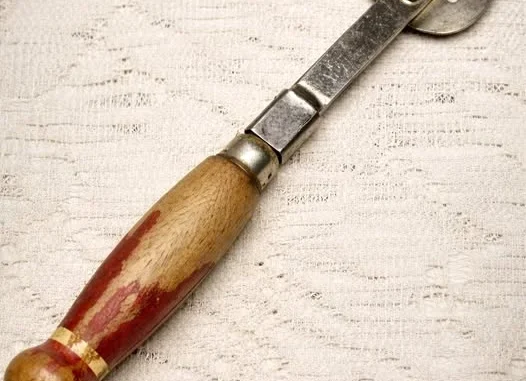
Understanding the tools we use in the kitchen offers a window into how domestic life has evolved over the decades. Many of the utensils and gadgets found in our grandparents’ kitchens were designed in an era where durability and function often took precedence over user safety and comfort. Among these, the old puncture-style can opener stands out as a vivid example of how kitchen technology has progressed from requiring physical toughness and caution to emphasizing ease and safety.
In the mid-20th century and earlier, can openers were typically simple metal devices that operated by piercing the can’s lid with a sharp point and then manually cutting around the edge. Unlike the smooth rotary can openers common today, these tools demanded considerable strength and dexterity. Users had to stab the opener’s pointed tip into the can and then leverage it around the lid, a process that required balance and care to avoid injury. This design reflected a time when kitchen work was often physically demanding and accidents, such as minor cuts and punctures, were an accepted hazard.
The physicality of these tools also reveals something deeper about domestic labor in the past. Kitchens were places where toughness was necessary, not just in the ingredients and cooking methods but in the tools themselves. The absence of ergonomic handles or safety guards meant that users relied heavily on their own skill and caution. This created an environment where small injuries were common and often viewed as a normal part of food preparation. The presence of these “dangerous” tools in everyday kitchens serves as a reminder of the resilience and resourcefulness of earlier generations.
The shift towards safer kitchen implements began as awareness of workplace and domestic safety increased alongside advances in manufacturing. Modern can openers now feature rotating cutting wheels, ergonomic grips, and protective mechanisms designed to minimize the risk of injury. These improvements reflect broader trends in design thinking, which prioritize user well-being and accessibility. Today, even novice cooks can open cans with minimal effort and risk, a stark contrast to the trial-and-error approach required with older models.
Beyond can openers, the evolution of kitchen tools includes many other examples of safety-driven innovation. Mandolines, once notorious for causing accidental cuts due to their revealed blades, now often come with finger guards and non-slip bases. Knives are sold with protective sheaths or storage blocks designed to prevent accidents. The introduction of electric appliances has also reduced the need for manual force, further decreasing the likelihood of injury during food preparation.
Reflecting on these changes helps us appreciate not only the technological progress but also how attitudes towards domestic work have shifted. Where once danger was an accepted part of household tasks, now safety measures are integral to product design and consumer expectations. This evolution highlights a broader cultural recognition of the value of protecting people in all environments, including the home.
For those interested in kitchen history or modern design, understanding the transformation of tools provides valuable context. It reminds us that the conveniences we enjoy today are built on the experiences of past users who navigated more hazardous conditions. Recognizing this lineage can inspire greater mindfulness about the tools we choose and how we use them, encouraging both respect for tradition and appreciation for innovation.
In practical terms, consumers can benefit from knowing the history behind everyday kitchen gadgets. Selecting tools with ergonomic and safety features can enhance cooking enjoyment and reduce the risk of injury. Additionally, maintaining older tools with care or repurposing them thoughtfully can honor their historical significance while adapting to contemporary standards.
In summary, the journey from tough, puncture-style can openers to modern, user-friendly devices illustrates a significant evolution in kitchen technology and safety. This progression mirrors broader societal shifts towards valuing health and comfort in everyday activities. By exploring the past and present of kitchen tools, we gain insight into how design and culture intersect to shape our domestic experiences.
The Role of Material Science in Kitchen Tool Development
Advances in material science have played a crucial role in the evolution of kitchen tools from the heavy, utilitarian designs of the past to the lighter, safer products we use today. Early kitchen utensils were often made from cast iron, steel, or other metals that, while durable, were prone to rust and required regular maintenance to remain safe and functional. The introduction of stainless steel and food-grade plastics transformed the landscape by offering corrosion resistance, lighter weight, and easier cleaning, all of which contribute to safer and more user-friendly kitchen environments.
For example, stainless steel’s resistance to rust not only prolongs the life of a tool but also reduces health risks associated with metal contamination. Meanwhile, plastics and silicone components have allowed for ergonomic designs that improve grip and reduce fatigue. These materials also facilitate the integration of safety features such as non-slip handles and protective guards. Understanding the material composition of kitchen tools helps consumers make informed choices about durability, safety, and maintenance.
Ergonomics and Accessibility in Modern Kitchen Design
Modern kitchen tool development increasingly incorporates ergonomic principles aimed at reducing strain and preventing injury during use. Ergonomics focuses on designing products that fit the user’s body and movement patterns, promoting comfort and efficiency. This is especially important in kitchen environments where repetitive motions and forceful tasks are common.
Tools with contoured handles, cushioned grips, and balanced weight distribution help reduce the risk of conditions such as carpal tunnel syndrome or repetitive strain injuries. Additionally, manufacturers are paying closer attention to accessibility, creating utensils that accommodate users with limited hand strength, arthritis, or other physical challenges. Features like easy-open lids, lever-action can openers, and adaptive cutting boards exemplify how inclusive design benefits a wider range of users, making cooking a more enjoyable and safer experience for everyone.
The Cultural Significance of Kitchen Tools
Beyond their practical use, kitchen tools carry cultural and emotional significance. Many utensils become heirlooms, passed down through generations, carrying stories, traditions, and memories. The old puncture-style can opener mentioned earlier is more than just a tool; it symbolizes a connection to past domestic practices and the resilience of those who used it.
This cultural dimension offers insight into how kitchen tools reflect broader societal values and changes. For example, the shift from rugged, manually intensive tools to safer, more user-friendly designs parallels changes in gender roles, labor expectations, and technological progress. Kitchens have transformed from spaces primarily associated with domestic labor to hubs of creativity, social interaction, and innovation, and the tools have evolved accordingly.
Safety Education and Consumer Awareness
Alongside improvements in product design, education about kitchen safety has become an important component of reducing accidents. Public health campaigns, cooking classes, and instructional materials increasingly emphasize proper tool use, maintenance, and storage to prevent injuries.
Consumers benefit from understanding how to select appropriate tools for their needs and how to use them safely. Recognizing the signs of wear, such as dull blades or loose handles, and knowing when to repair or replace utensils can prevent accidents. Furthermore, safe storage solutions—like knife blocks, blade guards, and dedicated compartments—help minimize risks, especially in homes with children.
The Legacy of Vintage Kitchen Tools in Contemporary Design
Interestingly, some vintage kitchen tools are being rediscovered and appreciated for their craftsmanship and unique design qualities. Collectors and design enthusiasts value these items not only for nostalgia but also for their aesthetic and mechanical simplicity.
Contemporary designers sometimes draw inspiration from these older tools, blending traditional forms with modern materials and safety features. This fusion creates products that honor the past while meeting today’s standards. For example, some modern can openers incorporate the robust feel of vintage models but include ergonomic handles and safer cutting mechanisms.
This legacy encourages a broader conversation about sustainability and the lifecycle of kitchen tools. Instead of disposable culture, there is a growing interest in durable, repairable utensils that can be passed down or repurposed, aligning with environmental consciousness.
Impact of Technology and Automation on Kitchen Safety
The incorporation of technology and automation into kitchen tools has further enhanced safety and convenience. Electric can openers, food processors, and smart appliances reduce manual effort, lowering the risk of repetitive strain or accidental cuts.
Smart kitchen gadgets equipped with sensors and automated controls can prevent misuse or alert users to potential hazards. For example, some modern induction cooktops automatically shut off when no pan is detected, reducing fire risk. Similarly, smart ovens can monitor cooking times and temperatures, minimizing the chance of burns or fires.
While technology offers many benefits, it also requires users to adapt and stay informed about proper operation and maintenance. Balancing traditional skills with modern tools ensures a safe and efficient kitchen environment.
Reader Takeaways: Choosing and Caring for Kitchen Tools
When selecting kitchen tools, it is important to consider not only aesthetics and price but also ergonomics, safety features, and material quality. Investing in well-designed utensils can enhance cooking enjoyment and reduce the likelihood of injury.
Regular maintenance is equally critical. Keeping blades sharp, cleaning tools thoroughly, and inspecting for damage prolongs their life and keeps them safe to use. For older tools, repurposing or restoring them can preserve their historical value while adapting to contemporary safety standards.
Finally, cultivating an awareness of the history and evolution of kitchen tools enriches our appreciation for the daily tasks of cooking. It reminds us that the conveniences we enjoy today are the result of continuous innovation driven by a desire to make kitchens safer, more accessible, and more enjoyable spaces for all.
Environmental Considerations in Kitchen Tool Production and Disposal
As consumers become more environmentally conscious, the production and disposal of kitchen tools have come under increased scrutiny. Historically, kitchen utensils were built to last, often made from metals and hardwoods that could endure years of use and repair. However, the rise of inexpensive, mass-produced plastic tools has introduced challenges related to waste and sustainability. Many plastic utensils are not designed for longevity and can contribute to landfill buildup when discarded.
In response, manufacturers and consumers alike are exploring more sustainable options. This includes choosing tools made from recycled or biodegradable materials, supporting brands that prioritize environmentally friendly manufacturing processes, and repairing rather than replacing utensils when possible. Additionally, communities and organizations have developed recycling programs specifically for kitchen tools, helping to reduce environmental impact. Understanding the ecological footprint of kitchen tools encourages more responsible purchasing and disposal habits, aligning kitchen practices with broader sustainability goals.
The Influence of Globalization on Kitchen Tool Diversity
Globalization has significantly expanded the variety of kitchen tools available to consumers, reflecting diverse culinary traditions and practices from around the world. Whereas mid-20th century kitchen gadgets were often regionally specific, today’s markets offer utensils inspired by international cuisines, such as Japanese mandolines, Mexican molcajetes, or French ratatouille pans. This diversity enriches home cooking by enabling access to specialized tools that facilitate authentic preparation methods.
The spread of these tools also fosters cross-cultural exchange and appreciation, encouraging users to explore new recipes and techniques. However, it also presents challenges in understanding proper use and care, especially for less familiar devices. Educational resources and demonstrations help bridge these gaps, ensuring that the introduction of new tools enhances rather than complicates the cooking experience. Recognizing the global influences on kitchen tool design underscores how culinary traditions evolve and intersect in modern kitchens.
The Role of Kitchen Tools in Professional Culinary Environments
While this article focuses primarily on domestic kitchen tools, it is important to note that professional kitchens have their own distinct tool requirements and safety standards. Commercial kitchen tools are often designed for high-volume use, durability, and efficiency, sometimes prioritizing performance over comfort. Nonetheless, safety remains paramount, with many professional tools featuring specialized guards, non-slip handles, and materials suited for rigorous sanitation.
Professional chefs and kitchen staff undergo training to use these tools effectively and safely, highlighting the importance of skill alongside design. The professional context also drives innovation, as manufacturers develop new tools to meet the demanding needs of commercial kitchens, which can later influence consumer products. Understanding this dynamic relationship between professional and home kitchen tools offers insight into how safety and usability evolve in response to different user contexts.
The Psychological Impact of Kitchen Tools on Cooking Experience
The design and functionality of kitchen tools can influence not only physical safety but also the psychological experience of cooking. Well-designed, easy-to-use tools can reduce frustration, increase confidence, and foster enjoyment in meal preparation. Conversely, awkward or unsafe tools may discourage cooking or contribute to stress.
This psychological dimension is especially relevant for individuals learning to cook, those with disabilities, or older adults who may face physical limitations. Tools that accommodate diverse needs can empower users, making cooking more accessible and pleasurable. Recognizing the emotional and cognitive aspects of kitchen tool design encourages developers to create products that support a positive and inclusive culinary environment.
Future Trends in Kitchen Tool Development
Looking ahead, kitchen tool innovation is likely to continue focusing on safety, accessibility, and integration with technology. Emerging trends include smart utensils that provide feedback on usage, materials with antimicrobial properties to enhance hygiene, and modular designs that adapt to various tasks.
Sustainability will also remain a priority, with ongoing efforts to develop biodegradable materials and designs that facilitate repair and recycling. Additionally, as cooking habits evolve with societal changes, tools may incorporate features tailored to new dietary preferences, cooking styles, and lifestyle needs.
Staying informed about these developments can help consumers make choices that align with their values and optimize their cooking experience.
Encouraging Safe Practices Through Community and Education
Beyond product design, fostering a culture of safety in the kitchen involves community engagement and education. Cooking classes, online tutorials, and safety workshops can equip individuals with knowledge about proper tool use, injury prevention, and emergency response.
Community programs that involve diverse participants—including children, seniors, and people with disabilities—promote inclusive safety awareness. Social media platforms and cooking forums also serve as valuable spaces for sharing tips, experiences, and innovations related to kitchen safety.
By integrating education with thoughtful tool selection, households can create safer, more enjoyable cooking environments that honor both tradition and innovation.
In conclusion, the evolution of kitchen tools is a multifaceted journey encompassing material science, design, culture, technology, and education. Appreciating this complexity enriches our understanding of domestic life and empowers us to make informed decisions that enhance safety, sustainability, and satisfaction in the kitchen.