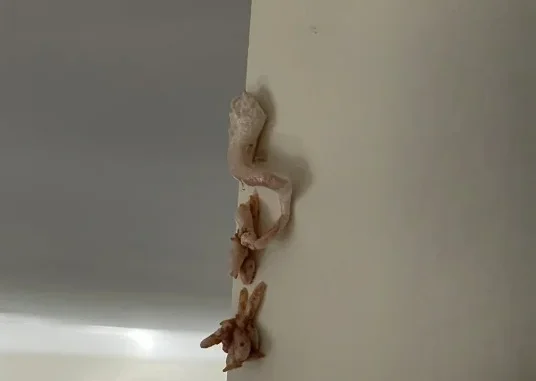
Unusual discolorations or growths on kitchen walls can be puzzling and concerning for homeowners. Among these, a pink or foam-like substance may raise questions about its origin, potential health risks, and necessary actions. Understanding the possible causes and appropriate responses can help maintain a safe and comfortable home environment.
Understanding the Environment of Kitchen Walls
Kitchens are high-activity areas where moisture levels often fluctuate due to cooking, washing, and cleaning activities. These moisture variations, combined with warmth and organic residues, create conditions where various substances can develop on surfaces. The corners, behind appliances, and areas near sinks or windows are particularly susceptible to moisture accumulation because of limited airflow or minor leaks.
Common Causes of Pink or Foam-Like Substances
Microbial Growth
Certain fungi and bacteria thrive in moist environments and can produce pigments ranging from pink to reddish hues. Unlike the more commonly recognized black or green molds, some microorganisms may appear as slimy or foamy patches. While mold is often the first concern, not every colored patch is mold, so proper identification is important.Food Residue and Stains
Kitchens experience frequent splashes and spills from sauces, juices, and other food items. Over time, dried food residues can change color and texture, sometimes appearing pinkish, especially if mixed with moisture or dust. These residues may form clusters or irregular patches that mimic biological growth.Cleaning Product Residues
Certain cleaning agents may leave behind colored residues when not fully rinsed or when reacting with wall materials. These deposits can sometimes look foamy or chalky and might be mistaken for microbial growth.Building Material Degradation
Moisture exposure can damage paint, plaster, or adhesives on walls, causing discoloration and texture changes. Peeling or bubbling paint may appear pinkish depending on the underlying layers or lighting conditions.External Organic Matter
Occasionally, plant fragments, fibers, or other outdoor materials can be transferred indoors on clothing or items, adhering temporarily to walls and creating unusual appearances.
The Role of Moisture in Wall Discoloration
Moisture is a key factor influencing the appearance and growth of substances on interior walls. Sources include leaks from plumbing fixtures, condensation on cold surfaces, and high indoor humidity from cooking or drying clothes. When warm, humid air contacts a cooler surface, water droplets form, promoting conditions favorable for microbial growth and material deterioration.
Identifying Moisture Problems
Signs of moisture issues include peeling paint, dampness to the touch, musty odors, and visible stains. Areas near sinks, pipes, windows, and behind appliances should be regularly inspected. Promptly addressing leaks or improving ventilation can prevent the recurrence of discoloration or growth.
Safety Considerations When Encountering Unknown Substances
Avoid direct contact or disturbing unknown wall substances, especially if they are mold-like, as this can release spores or irritants into the air. Keep children and pets away from affected areas. Using protective gloves and masks is advisable if cleaning is undertaken.
Documenting the Issue
Photographing the substance without disturbing it can provide useful information for future reference or professional assessment. Note the location, size, texture, and any changes over time.
When to Seek Professional Help
If the substance covers a large area, reappears after cleaning, or is associated with persistent moisture problems, consulting a qualified mold assessor, building inspector, or remediation specialist is recommended. Professionals can perform tests to accurately identify the substance and suggest appropriate remediation measures.
Cleaning and Remediation Strategies
For small, non-porous areas, cleaning with appropriate household products following safety guidelines may be sufficient. Porous materials affected extensively might need replacement. It is crucial to address the root cause of moisture to prevent recurrence.
Prevention Tips for Homeowners
- Ensure adequate kitchen ventilation using exhaust fans or open windows during and after cooking.
- Regularly inspect plumbing fixtures and repair leaks promptly.
- Avoid placing furniture or appliances directly against exterior walls to allow air circulation.
- Clean spills and residues immediately to prevent staining and microbial growth.
- Monitor indoor humidity levels and consider using dehumidifiers if necessary.
Understanding Color and Texture Limitations
While the color of a substance can offer clues, it is not a definitive method for identification. Pink hues can result from different sources, and foam-like textures may be biological or residue-based. Environmental factors and surface materials influence appearance.
Maintaining Wall Integrity
Signs of wall damage, such as softness, crumbling, or persistent odors, may indicate underlying moisture or structural issues requiring repair. Addressing these promptly can prevent further damage and maintain indoor air quality.
Conclusion
Encountering a pink or foam-like patch on a kitchen wall warrants a careful, informed approach. Observing the environment, understanding possible causes, and taking appropriate action—ranging from improved ventilation to professional evaluation—can help maintain a healthy living space. Homeowners who stay vigilant and proactive contribute to long-term home maintenance and comfort.
Understanding the Scientific Perspective on Pink Microbial Growth
Scientific research has identified certain microbial species that contribute to pink discolorations in indoor environments. For example, species of the genus Serratia, a type of bacteria, are known for producing a distinctive pink pigment called prodigiosin. These bacteria can colonize damp surfaces, including bathroom tiles, kitchen sinks, and walls with moisture accumulation. Unlike mold, which is fungal, Serratia bacteria are prokaryotic organisms and tend to form slimy or wet biofilms rather than fuzzy growths. Awareness of these microorganisms helps clarify why pink substances are sometimes observed in areas prone to moisture and organic material.
The Importance of Professional Testing and Identification
While visual inspection offers initial clues, definitive identification of pink stains or growths often requires laboratory analysis. Professionals may collect samples using swabs or tape lifts and send them to environmental laboratories for microscopy and culture tests. These analyses can distinguish between fungi, bacteria, and non-living deposits. Such precision is especially valuable in complex cases, for example, when occupants experience unexplained health symptoms or when remediation costs are significant. Accurate identification ensures that interventions are targeted and effective, avoiding unnecessary treatments or overlooking potential hazards.
Health Considerations and Indoor Air Quality
Exposure to mold and bacteria in indoor environments can affect air quality and health, particularly for sensitive individuals such as those with asthma, allergies, or compromised immune systems. While not all pink substances are harmful, some microbial growths release spores or volatile organic compounds that may irritate respiratory systems. Maintaining good ventilation, controlling humidity, and addressing moisture sources are fundamental strategies to minimize these risks. In cases of extensive contamination, professional remediation can help restore air quality and reduce exposure.
The Role of Building Design and Materials
Modern building materials and designs influence how moisture behaves indoors and can affect the likelihood of discoloration or microbial growth. For instance, the use of vapor barriers, insulation types, and paint formulations can either inhibit or facilitate moisture retention. Some paints contain antimicrobial agents that resist mold growth, while others may be more susceptible to staining or degradation. Homeowners and builders should consider these factors when selecting materials, especially in moisture-prone areas like kitchens and bathrooms. Retrofitting older homes with improved ventilation or moisture barriers can also reduce problems.
Environmental and Seasonal Factors
Environmental conditions and seasonal changes impact indoor moisture levels and microbial growth patterns. In humid climates or during rainy seasons, indoor humidity often rises, increasing condensation risks. Conversely, dry seasons may reduce visible growth but can also cause materials to crack, allowing moisture infiltration later. Understanding these dynamics helps homeowners anticipate potential issues and adjust ventilation or heating strategies accordingly. For example, using exhaust fans more frequently during humid months or monitoring indoor humidity with a hygrometer can be proactive measures.
Cleaning Techniques and Safe Practices
When cleaning small, non-hazardous pink stains, using mild detergent solutions and soft cloths is generally effective. Avoid harsh scrubbing that can damage surfaces or release particles into the air. For suspected microbial growth, wearing gloves and a mask provides added protection. It is important to ventilate the area during and after cleaning. Some recommend using diluted vinegar or commercially available mold cleaners, but these should be selected based on surface compatibility and safety instructions. Never mix cleaning agents, as chemical reactions can produce harmful fumes.
Long-Term Maintenance and Monitoring
Regular home maintenance routines contribute significantly to preventing recurring discoloration issues. Scheduled inspections of plumbing, roofing, and ventilation systems can detect leaks or blockages early. Keeping records of repairs and observations can assist professionals in diagnosing persistent problems. Installing dehumidifiers or improving air circulation with fans can help maintain optimal indoor humidity levels. Periodically cleaning kitchen walls and backsplashes reduces buildup of residues that may support microbial growth. These practices collectively support the longevity and appearance of interior surfaces.
Educational Resources and Professional Support
Homeowners seeking to understand and manage unusual wall substances can benefit from reputable resources provided by health departments, environmental agencies, and building authorities. These organizations often publish guidelines on mold prevention, indoor air quality, and safe remediation practices. Engaging with certified professionals such as mold inspectors, industrial hygienists, or building contractors ensures that assessments and interventions adhere to current standards. Professional advice is especially valuable when health concerns arise or when structural damage is suspected.
Balancing Vigilance and Practicality
Encountering an unfamiliar pink substance on a kitchen wall can be concerning, but it is important to balance vigilance with practical response. Not all discolorations indicate serious problems; some may be benign residues or transient stains. Observing changes over time, maintaining cleanliness, and addressing moisture promptly are effective first steps. Avoiding unnecessary alarm and seeking expert input when warranted helps homeowners manage their living spaces confidently and safely.
Summary of Key Takeaways
- Pink or foam-like substances on kitchen walls have multiple possible origins, including microbial growth, food residues, and material degradation.
- Moisture control is central to preventing discolorations and microbial colonization.
- Visual identification alone is insufficient; professional testing may be necessary for accurate diagnosis.
- Health-sensitive individuals should exercise caution and consider professional remediation when mold is suspected.
- Regular maintenance, proper ventilation, and timely repairs reduce the risk of recurrence.
- Safe cleaning methods and protective measures minimize exposure during removal.
- Educational resources and professional consultations support informed decision-making.
By approaching unusual wall substances with knowledge, care, and appropriate action, homeowners contribute to healthier indoor environments and preserve the integrity of their living spaces.
Understanding the Impact of Household Habits on Wall Conditions
Household habits play a significant role in the development and persistence of unusual substances on kitchen walls. Routine activities such as frequent cooking, boiling water, and washing dishes increase indoor humidity levels. Inadequate ventilation during these activities can exacerbate moisture buildup, creating an environment conducive to microbial growth or material degradation. Additionally, the choice and frequency of cleaning products used may influence residue buildup. Overuse or improper use of certain cleaners can leave behind residues that attract dust or promote staining. Homeowners can mitigate these effects by adopting habits such as using extractor fans during cooking, wiping down kitchen surfaces regularly, and ensuring that cleaning products are fully rinsed off.
The Importance of Regular Home Inspections
Regularly inspecting your home’s walls and hidden areas can help detect early signs of moisture problems or unusual growths before they become extensive. Scheduled inspections behind appliances, under sinks, and around plumbing fixtures allow homeowners to identify leaks, condensation, or early-stage microbial colonization. Using a flashlight to examine dark corners and feeling for dampness can provide valuable insights. Early detection enables timely intervention, which often requires less intensive remediation and helps maintain the structural integrity and aesthetics of the home.
Considerations for Renters and Property Managers
For renters who discover pink or foam-like substances on kitchen walls, documenting the issue promptly and notifying the landlord or property manager is essential. Providing clear descriptions and photographs can facilitate timely inspections and repairs. Property managers should prioritize investigating reported moisture or discoloration issues to prevent escalation. In some cases, professional assessments may be necessary to determine the cause and appropriate remediation steps. Effective communication between tenants and property managers contributes to safer living conditions and compliance with housing standards.
The Role of Indoor Plants and Organic Materials
Indoor plants and organic materials stored near kitchen walls can sometimes contribute to the appearance of unusual patches. Soil, moisture from watering, or decomposing plant matter may increase local humidity and provide nutrients for microbial growth. Plant debris such as leaves or petals occasionally adhere to walls, especially in areas with limited airflow. While indoor plants offer benefits like improved air quality and aesthetics, it is advisable to place them thoughtfully and maintain cleanliness around their vicinity to minimize potential wall discoloration or growth.
Emerging Technologies for Mold and Moisture Detection
Advancements in technology are providing homeowners and professionals with new tools for detecting moisture and microbial growth. Infrared cameras can reveal temperature differences indicative of moisture behind walls without invasive procedures. Moisture meters allow for precise measurement of dampness levels in building materials. Some companies offer portable air quality monitors that detect mold spores or volatile organic compounds associated with microbial activity. Utilizing these technologies can enhance the accuracy of assessments, guide remediation efforts, and ultimately protect indoor environments.
Educating Household Members on Prevention and Response
Ensuring that all household members understand the importance of moisture control and the risks associated with unidentified substances is vital. Education can include recognizing early signs of moisture problems, proper use of ventilation systems, and safe cleaning practices. Encouraging reporting of unusual wall conditions or odors helps maintain awareness and prompt action. This collective approach enhances the overall effectiveness of prevention strategies and fosters a safer home environment.
Balancing Aesthetic Concerns with Health and Safety
While unusual discolorations on kitchen walls may be aesthetically displeasing, prioritizing health and safety is essential. Quick cosmetic fixes like painting over stains without addressing underlying moisture issues can lead to recurring problems and potential health risks. Homeowners should consider long-term solutions that include moisture control, material repair, and, when necessary, professional remediation. Consulting with experts can help balance the desire for a clean appearance with maintaining a healthy indoor environment.
The Broader Context of Indoor Environmental Quality
Unusual wall substances are one aspect of indoor environmental quality (IEQ), which encompasses factors like air quality, temperature, humidity, lighting, and noise. Maintaining good IEQ contributes to occupant comfort, health, and productivity. Addressing moisture and microbial growth issues is integral to this broader framework. Homeowners and building professionals should adopt a holistic approach that considers all IEQ factors when evaluating and improving living spaces.
Encouraging Responsible Information Sharing
With the abundance of information available online, homeowners may encounter varying advice regarding unusual wall substances. It is important to rely on reputable sources such as government health agencies, professional associations, and certified experts. Sharing verified information and avoiding speculation helps prevent unnecessary alarm and promotes informed decision-making. When in doubt, seeking professional assessments remains the safest course of action.
Future Considerations for Building Design and Maintenance
As awareness of indoor moisture and microbial issues grows, future building designs may increasingly incorporate features that minimize risks. These could include improved ventilation systems, moisture-resistant materials, and integrated sensors for real-time monitoring. For existing homes, retrofitting with moisture barriers, upgraded insulation, and enhanced airflow can reduce the likelihood of discoloration and growth. Staying informed about emerging best practices and technologies enables homeowners to make proactive choices that enhance their living environments over time.