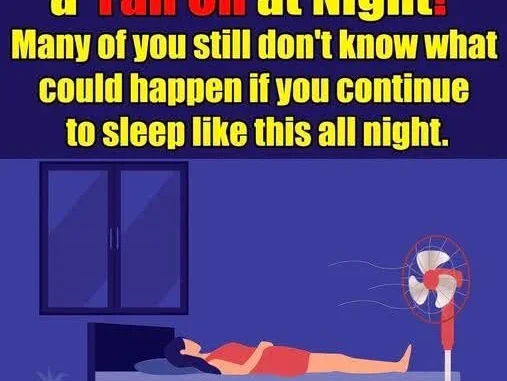
The use of fans during sleep is a common practice to create a comfortable environment, especially during warm nights. The gentle airflow produced by fans can help lower the temperature and promote relaxation, contributing to a more restful night. However, while fans provide a cooling effect, they can also influence various aspects of health and comfort that are worth understanding.
One of the primary effects of a fan’s airflow is the reduction of humidity around the face and upper body. This cooling breeze can cause moisture to evaporate from the skin and mucous membranes in the mouth, nose, and eyes. As a result, some individuals may wake up with sensations such as a dry or scratchy throat, irritated nasal passages, or a gritty feeling in the eyes. These symptoms are linked to the drying effect of air movement, which can disrupt the natural moisture balance necessary for comfort and respiratory health.
In addition to moisture loss, the continuous circulation of air can sometimes lead to muscle stiffness or discomfort upon waking. During sleep, the body naturally relaxes, but cooler temperatures or drafts directed at the body may cause subtle muscle contractions. This tension can result in feelings of soreness or stiffness in the morning, even when sleep positions have not changed significantly. Awareness of room temperature and fan placement can help mitigate this effect.
Another consideration when using fans is the potential for increased exposure to airborne particles. Fans can stir up dust, allergens such as dust mites, and other microscopic debris present on bedding, furniture, or surfaces in the room. For individuals sensitive to allergens, this can lead to symptoms like nasal congestion, coughing, or sneezing. These reactions might sometimes be mistaken for seasonal allergies but could be related to the indoor environment and fan use.
Maintaining cleanliness in the sleeping area is an important step to reduce the presence of allergens. Regular washing of bedding, vacuuming carpets, and dusting surfaces can minimize the accumulation of dust mites and other irritants. Additionally, cleaning fan blades periodically can prevent the redistribution of allergens and dust into the air. Taking these measures supports a healthier indoor atmosphere and can improve overall comfort during fan use.
Adjusting fan settings and positioning can also help balance comfort with health considerations. Placing the fan at a distance rather than directly facing the body reduces the intensity of airflow and may lessen drying effects. Lowering the fan speed can provide sufficient cooling without causing excessive moisture loss or muscle tension. Experimenting with these adjustments can help find a comfortable and health-conscious setup.
For those particularly sensitive to dry air or allergens, alternative cooling methods might be worth exploring. Using air conditioning units with humidity control, employing humidifiers in dry environments, or opting for fans equipped with air filters can offer cooling benefits while minimizing adverse effects.
In summary, fans can be a valuable tool for creating a pleasant sleeping environment, but mindful use is important to avoid potential discomfort or respiratory irritation. By understanding how fans interact with the body and the indoor environment, and by implementing practical cleaning and placement strategies, it is possible to enjoy the benefits of a nighttime breeze without compromising health and comfort.
Practical Tips for Using Fans at Night:
- Keep fan blades clean to reduce dust circulation.
- Wash bedding regularly to minimize allergens.
- Position the fan away from direct contact with the face.
- Use lower fan speeds to reduce moisture loss.
- Consider room humidity levels and use a humidifier if needed.
- Explore air purifiers or filters if allergies are a concern.
Overall, a balanced approach to fan use can enhance sleep quality while supporting respiratory health and physical comfort.
Understanding the Role of Air Circulation in Sleep Quality
Air circulation, including the use of fans, plays a significant role in creating a sleep environment conducive to rest and recovery. Proper airflow helps regulate temperature, dissipate body heat, and reduce the sensation of stuffiness in a room. When airflow is balanced and gentle, it can contribute to falling asleep more quickly and maintaining uninterrupted sleep cycles. However, excessive or poorly directed airflow may disrupt sleep by causing discomfort or triggering symptoms like dryness and congestion, as previously discussed.
Research into sleep environments highlights the importance of temperature control, often recommending a slightly cooler room temperature for optimal sleep. Fans can assist in achieving this by promoting air movement and evaporative cooling, which enhances comfort. Nevertheless, individual preferences and sensitivities vary widely; some people may benefit from the steady background noise of a fan, which can act as a white noise source to mask disruptive sounds, while others may find the airflow itself distracting.
The Psychological Effects of Fan Noise
Beyond physical comfort, the auditory aspect of fan use is notable. The consistent hum of a fan may provide psychological benefits by creating a soothing sound environment. This steady noise can help drown out sudden or jarring sounds that might otherwise interrupt sleep, thereby improving sleep quality for some individuals. This phenomenon is related to the concept of white noise—sound containing all frequencies at equal intensity—which is often used therapeutically to aid sleep.
However, sensitivity to noise varies, and for some, the fan’s sound may be irritating or contribute to difficulty falling asleep. Factors such as fan design, speed settings, and placement influence the noise level. Users seeking the benefits of fan noise without the drawbacks might consider models specifically designed to operate quietly or devices dedicated to producing white noise.
Fan Use in Different Climates and Environments
The impact of fan use on health and comfort can differ significantly depending on the climate and indoor environment. In humid climates, fans help enhance evaporation and reduce the perception of heat but may not lower the actual temperature. In such cases, combining fans with dehumidifiers or air conditioning can improve overall comfort and reduce moisture-related problems such as mold growth.
Conversely, in dry climates or during winter months when indoor heating reduces humidity, fan use can exacerbate dryness, leading to increased irritation of mucous membranes. In these environments, supplemental humidification might be essential to maintain a comfortable balance.
Understanding these environmental factors can guide appropriate fan use and complementary measures to optimize the sleep setting according to local conditions and seasonal changes.
Technological Advances in Fan Design
Modern fan designs incorporate features aimed at enhancing comfort while addressing common concerns related to airflow and air quality. Innovations include bladeless fans that provide smooth, consistent airflow without the buffeting effect of traditional blades, which can reduce the sensation of dryness and muscle tension.
Some fans integrate air purification technologies, such as HEPA filters or ionizers, to reduce airborne allergens and pollutants circulated during operation. These features may benefit individuals with allergies or respiratory sensitivities, although users should verify the effectiveness and safety of specific technologies.
Adjustable oscillation, variable speed settings, and programmable timers allow for greater control over airflow patterns and duration of use, enabling customization to individual preferences and needs.
Environmental and Energy Considerations
Using fans as a cooling strategy can be more energy-efficient compared to air conditioning systems, potentially reducing electricity consumption and environmental impact. However, the effectiveness of fans depends on ambient temperature and humidity; in very hot conditions, fans alone may not provide sufficient cooling.
Energy-conscious users might consider fans with energy-saving features, such as energy-efficient motors, or combine fan use with other passive cooling techniques like window shading and cross-ventilation.
When selecting and operating fans, balancing comfort, health, and environmental considerations supports sustainable living practices.
Cultural and Historical Perspectives on Fan Use
Fans have been used globally for centuries as tools for cooling and comfort. The evolution of fan technology—from simple hand-held fans to electric oscillating models—reflects broader changes in society, technology, and lifestyle.
Historically, manual fans served not only practical purposes but also cultural and ceremonial roles in various regions. The advent of electric fans in the late 19th and early 20th centuries revolutionized personal and indoor cooling, influencing architecture, urban planning, and daily life.
Understanding this heritage provides context for current fan use and appreciation of ongoing technological developments aimed at enhancing human comfort.
Reader Takeaways and Best Practices
To maximize the benefits of fan use during sleep while minimizing potential drawbacks, consider the following approaches:
- Monitor and adjust room humidity to prevent excessive dryness; consider using a hygrometer to track moisture levels.
- Prioritize regular cleaning routines for fan components and bedroom furnishings to reduce allergen buildup.
- Experiment with fan placement and speed to find a balance between effective cooling and comfort.
- Combine fan use with other strategies such as breathable bedding materials and appropriate sleepwear to enhance thermoregulation.
- Remain attentive to personal reactions, adjusting fan use if symptoms like irritation or discomfort develop.
- Explore alternative cooling and air quality solutions if fan use proves problematic.
By approaching fan use with awareness and adaptability, individuals can create restful and health-supportive sleep environments tailored to their unique needs.
Fan Use and Respiratory Health Considerations
While fans can enhance comfort by cooling the air, individuals with pre-existing respiratory conditions such as asthma or chronic bronchitis should approach fan use with caution. The circulation of dust and other airborne particles may exacerbate symptoms by increasing exposure to potential irritants. It is advisable for individuals with respiratory sensitivities to monitor their symptoms closely when using fans and to maintain rigorous cleaning routines to minimize allergen accumulation. Consulting healthcare professionals can provide personalized guidance on managing indoor air quality and fan use.
Impact of Fan Use on Skin Health
The drying effect of fan airflow not only affects mucous membranes but can also influence skin hydration. Prolonged exposure to moving air may lead to increased transepidermal water loss, potentially resulting in dry or flaky skin, especially for those with sensitive or already dry skin types. To counteract this, maintaining adequate hydration and using moisturizers can help preserve skin barrier function. Adjusting fan speed and distance to reduce direct airflow on the face and body may also mitigate skin dryness.
Fan Use and Energy Efficiency in Residential Settings
In residential environments, fans offer an energy-efficient alternative or complement to air conditioning systems. By circulating air, fans can make occupants feel cooler through the wind chill effect, allowing for higher thermostat settings and reduced electricity use. Strategic use of fans in conjunction with passive cooling methods, such as closing blinds during daytime and enabling cross-ventilation at night, can further optimize energy savings. Selecting fans with energy-efficient certifications and features contributes to reduced environmental impact and lower utility costs.
Considerations for Fan Use in Shared and Public Sleeping Spaces
In settings where multiple individuals share sleeping quarters, such as dormitories or hostels, fan use requires additional consideration. Noise levels, airflow direction, and potential allergen circulation can affect multiple occupants differently. Open communication and coordination among roommates regarding fan placement and operation can help balance individual comfort needs while minimizing disturbances. In such environments, portable air purifiers or quieter fan models may provide enhanced comfort without compromising others’ sleep quality.
Technological Integration and Smart Fan Features
Recent advancements in home technology have introduced smart fans that can be controlled remotely via smartphone applications or integrated with home automation systems. These devices often include programmable settings, sleep timers, and adaptive speed controls based on room temperature or humidity sensors. Such features enable users to customize airflow patterns throughout the night, promoting comfort while conserving energy. Additionally, some smart fans offer air quality monitoring, alerting users to increased particulate levels and prompting cleaning or ventilation adjustments.
Psychological and Behavioral Aspects of Fan Use
Beyond the physical effects, the habitual use of fans during sleep may develop into a psychological comfort ritual. The consistent background noise and airflow can create a sense of security and relaxation for some individuals, contributing positively to sleep hygiene. Conversely, sudden changes in fan availability or malfunction may cause discomfort or sleep disturbances due to the disruption of established routines. Recognizing the role of such behavioral factors can guide individuals in developing effective sleep environments that support mental well-being.
Fan Use and Noise Pollution Considerations
While many appreciate the white noise generated by fans, it is important to be mindful of noise pollution, especially in densely populated living spaces. Excessive or poorly maintained fan noise can contribute to increased ambient sound levels, potentially affecting neighbors or other household members. Selecting fans designed for quiet operation and performing regular maintenance to reduce mechanical noise can alleviate such concerns. In multi-unit residences, adherence to community noise guidelines ensures respectful coexistence.
Global Perspectives on Fan Use and Cooling Practices
Cooling strategies vary widely across cultures and regions based on climate, architectural design, and available technology. In some tropical areas, ceiling fans remain integral to daily life, while in other regions, evaporative coolers or air conditioning dominate. Understanding these diverse approaches provides broader context for the role of fans in human comfort. Additionally, traditional knowledge and natural ventilation techniques continue to influence modern cooling solutions, highlighting the interplay between technology and environment.
Future Directions in Fan Technology and Research
Ongoing research seeks to improve fan designs to maximize comfort while minimizing adverse effects such as dryness and allergen circulation. Innovations include materials that reduce dust adherence on blades, enhanced airflow patterns that mimic natural breezes, and integration with environmental sensors for adaptive operation. Further studies on the long-term health impacts of fan use, particularly in vulnerable populations, can inform guidelines and product development. Collaboration between engineers, health experts, and consumers will continue to drive advancements in this everyday technology.
Summary and Recommendations for Optimal Fan Use
To optimize the benefits of fan use while mitigating potential drawbacks, individuals should consider personal health status, environmental conditions, and technology options. Key recommendations include maintaining cleanliness, monitoring indoor humidity, selecting appropriate fan types and settings, and being attentive to physical responses. Combining fan use with other cooling and air quality strategies supports a holistic approach to creating restful and healthful sleep environments. Awareness and adaptability remain essential to leveraging the advantages of fans effectively and safely.