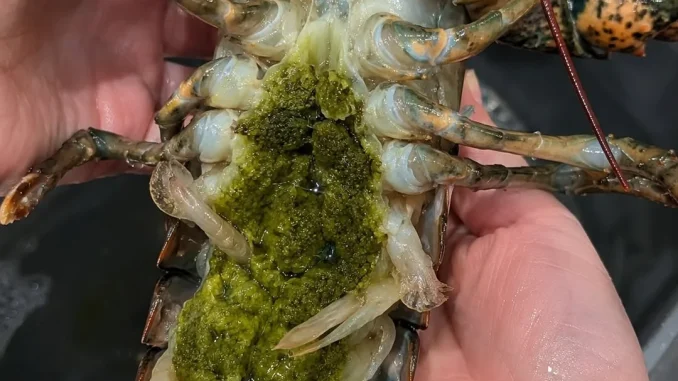
Lobster is a celebrated delicacy around the world, prized for its sweet and tender meat. However, among the various components that make up this crustacean, there is one part that often sparks curiosity and debate: the tomalley. This distinctive green substance found inside the lobster’s body cavity is more than just an unusual sight—it plays a vital biological role and offers a unique culinary experience for those who choose to try it.
Understanding Tomalley: What Is It?
Tomalley is the lobster’s hepatopancreas, an organ that combines the functions of the liver and pancreas. It is responsible for filtering impurities, aiding digestion, and processing nutrients within the lobster’s body. This organ accumulates various substances from the lobster’s environment, which contributes to its complex flavor profile but also raises questions about safety.
The tomalley’s green coloration is due to pigments that result from the lobster’s diet and metabolic processes. Its texture is soft and creamy, and its flavor is often described as rich, briny, and somewhat oceanic. These properties make it a sought-after ingredient in certain culinary traditions.
Culinary Uses and Preparation
In many seafood-loving communities, tomalley is considered a delicacy and is used in diverse ways. Some diners enjoy it spread on warm bread or crackers, appreciating its buttery consistency and intense taste. Others incorporate it into sauces or soups to add depth and enhance the overall seafood flavor.
Chefs sometimes blend tomalley into bisques or use it as a base for seafood sauces, balancing its robust taste with herbs, citrus, or cream. Because of its concentrated flavor, a little goes a long way, and it can elevate dishes without overpowering them.
Safety Considerations
While tomalley can be an enjoyable addition to meals, it is important to approach it with caution. As the lobster’s filtering organ, tomalley can accumulate environmental contaminants such as heavy metals, toxins, and pollutants present in the water where the lobster lived. Additionally, algal toxins that cause red tides or harmful algal blooms can concentrate in the tomalley, posing potential health risks.
Health authorities often advise limiting consumption of tomalley, especially for vulnerable groups such as pregnant women, young children, and individuals with compromised immune systems. If lobsters are sourced from clean, regulated waters, the risk is generally lower, but awareness and moderation remain key.
Cultural Perspectives and Preferences
Attitudes toward tomalley vary widely. In some culinary cultures, it is prized and eagerly sought after, often considered a hallmark of a well-prepared lobster. In others, diners may avoid it due to its appearance, texture, or concerns about safety.
This diversity in preference highlights an important aspect of eating seafood: personal choice and informed decision-making. Understanding what tomalley is and how it fits into the larger context of lobster anatomy allows consumers to make choices aligned with their tastes and comfort levels.
Environmental Impact and Sustainability
The presence of contaminants in tomalley also reflects broader environmental issues affecting marine life. Pollutants such as mercury and persistent organic compounds enter oceans through industrial runoff and pollution, impacting not only lobsters but many species.
Efforts to monitor and improve water quality are essential to ensure seafood safety. Sustainable fishing practices and environmental protections contribute to healthier marine ecosystems, which in turn reduce the accumulation of harmful substances in seafood organs like tomalley.
How to Enjoy Lobster Tomalley Responsibly
For those interested in trying tomalley, a few practical guidelines can enhance both safety and enjoyment:
- Source lobsters from reputable suppliers who adhere to safety standards and monitor environmental conditions.
- Consume tomalley in moderation rather than large quantities to minimize potential exposure to contaminants.
- Avoid eating tomalley during known algal bloom events or in regions with advisories against shellfish consumption.
- If unsure about the safety or desirability of tomalley, it is perfectly acceptable to remove and discard it.
By following these steps, diners can appreciate the flavor and uniqueness of tomalley while prioritizing their health.
The Role of Education and Awareness
Understanding the biology and culinary role of tomalley can enhance appreciation for lobster as a whole. Educational resources and clear labeling can help consumers make informed decisions and foster a respectful relationship with seafood.
Restaurants and seafood markets can contribute by providing information about where lobsters are sourced and guidance on which parts are safe to eat. This transparency supports consumer confidence and encourages responsible consumption.
Conclusion: Balancing Flavor and Safety
Lobster tomalley offers a glimpse into the complex interplay between marine biology, culinary tradition, and environmental health. Its distinctive flavor and texture can enrich dishes and delight adventurous eaters. However, its role as a filtering organ means that careful consideration of safety and sourcing is essential.
Consumers who choose to enjoy tomalley benefit from understanding its nature and risks, enabling them to savor this unique seafood component thoughtfully. Ultimately, the true luxury in eating lobster lies in being informed and making choices that align with personal preferences and well-being.
Historical and Scientific Context of Tomalley Consumption
The consumption of tomalley is not a recent culinary experiment but has historical roots in various coastal cultures where lobsters have been a dietary staple. Early maritime communities often utilized all edible parts of the lobster, including the tomalley, to maximize nutritional intake. This practice reflects a broader tradition of utilizing organ meats—sometimes called offal—which can be rich sources of vitamins and minerals. From a scientific perspective, the hepatopancreas’s role in detoxification and digestion in lobsters parallels similar organs in other marine animals, offering interesting insight into marine biology and how organisms process environmental substances.
Understanding these biological functions helps consumers appreciate why tomalley’s flavor is so distinct and why it accumulates certain compounds. This knowledge bridges culinary interest with marine science, enriching the dining experience.
Nutritional Profile of Lobster Tomalley
While tomalley is often consumed for its unique taste, it also provides nutritional benefits. As an organ meat, tomalley contains various nutrients including vitamins A, D, E, and K, as well as essential fatty acids and minerals such as zinc and selenium. These nutrients play important roles in immune function, skin health, and antioxidant activity.
However, it is important to balance these nutritional benefits with safety considerations, as the same organ can concentrate contaminants. This dual nature underscores the importance of moderation and informed sourcing when incorporating tomalley into one’s diet.
Comparisons with Similar Organ Meats in Seafood
Tomalley is not unique to lobsters; similar organs exist in other crustaceans and shellfish. For example, crabs have a hepatopancreas often referred to as crab fat or mustard, which shares similar culinary uses and safety considerations. In scallops, the digestive gland serves a comparable function.
Exploring these parallels can help seafood enthusiasts understand broader patterns in seafood preparation and consumption. It also highlights the diversity of flavors and textures available in different marine species, encouraging culinary experimentation while maintaining safety awareness.
The Role of Regulatory Agencies and Food Safety Guidelines
Various governmental and international agencies monitor seafood safety to protect public health. These organizations establish guidelines regarding the consumption of lobster tomalley and other organ meats, particularly in regions prone to red tides or industrial pollution.
Consumers can benefit from staying informed about local advisories and regulations, which often include recommendations on when and where it is safe to consume tomalley. These safeguards reflect ongoing scientific research and environmental monitoring efforts aimed at minimizing health risks.
Impact of Climate Change and Environmental Factors on Tomalley Safety
Emerging environmental challenges such as climate change influence marine ecosystems and can affect the safety of seafood, including tomalley. Changes in water temperature and chemistry may alter the frequency and distribution of harmful algal blooms, potentially increasing toxin levels in marine animals.
Understanding this context helps consumers and industry stakeholders anticipate potential risks and supports advocacy for sustainable environmental policies. It also emphasizes the interconnectedness of human health, food security, and ocean health.
Practical Tips for Cooking and Serving Tomalley
When preparing lobster tomalley, gentle cooking methods are often preferred to preserve its delicate texture and flavor. Light steaming or incorporating it at the end of cooking sauces can prevent overcooking. Because tomalley has a concentrated flavor, chefs recommend using it sparingly to complement rather than dominate dishes.
Serving tomalley alongside neutral-tasting accompaniments such as crusty bread or mild vegetables can balance its richness. For those new to tomalley, tasting a small amount first is advisable to gauge personal preference.
Ethical and Cultural Considerations in Tomalley Consumption
The choice to eat tomalley may also involve ethical and cultural dimensions. Some individuals avoid consuming internal organs for personal, religious, or cultural reasons. Respecting diverse culinary traditions and individual choices is important in fostering inclusive dining environments.
In some cultures, sharing knowledge about tomalley’s preparation and significance can promote cultural exchange and appreciation. Conversely, understanding why certain groups avoid it can enhance mutual respect and awareness.
Future Research and Consumer Education
Ongoing scientific research continues to explore the composition of tomalley, its potential health benefits, and risks associated with environmental contaminants. Advances in marine biology and food science may lead to improved guidelines and safer consumption practices.
Consumer education initiatives, including transparent labeling and public information campaigns, play a crucial role in helping people make informed choices. As seafood consumption evolves with changing environmental conditions and culinary trends, fostering literacy around products like tomalley remains essential.
Reader Takeaways
Understanding lobster tomalley involves appreciating its biological function, distinctive culinary qualities, and the safety considerations it entails. Informed consumers can enjoy tomalley responsibly by sourcing lobsters sustainably, observing local advisories, and consuming it in moderation.
By integrating knowledge of marine biology, nutrition, environmental science, and cultural perspectives, individuals can make thoughtful decisions that enhance their seafood experience while supporting health and sustainability. Whether you choose to savor tomalley or pass on it, the key is awareness and respect for both the ocean’s complexity and personal taste preferences.
Economic Importance of Lobster Fisheries and Tomalley
Lobster fisheries represent a significant economic sector in various coastal regions around the world. The demand for lobster meat drives local economies, supports fisheries, and creates jobs in harvesting, processing, and distribution. Tomalley, while a smaller portion of the lobster, can contribute to the value of the catch when appreciated by consumers and chefs. Understanding the market dynamics of lobster and its byproducts, including tomalley, helps stakeholders make informed decisions about harvesting practices and product marketing.
Fisheries management agencies often consider the entire lobster catch, promoting sustainable quotas and protecting lobster populations to ensure long-term viability. By maintaining healthy lobster stocks and minimizing environmental impacts, fisheries can continue to provide quality products, including tomalley, for culinary use.
Scientific Studies on Tomalley Composition
Research into the chemical composition of tomalley provides valuable insights into its nutritional content and the presence of environmental contaminants. Studies analyze levels of heavy metals, organic pollutants, and natural toxins to assess potential health risks. This scientific data informs regulatory guidelines and consumer advisories.
Moreover, ongoing investigations explore the biochemical properties of tomalley, including antioxidant capacity and nutrient profiles. Such research may reveal novel health-related benefits or identify markers for environmental monitoring. These scientific advances contribute to a more nuanced understanding of tomalley and its role in both the ecosystem and human diets.
Global Variations in Tomalley Consumption
The acceptance and culinary use of tomalley vary widely across different countries and cultures. In some regions, it is a cherished delicacy, often featured in traditional recipes and festive meals. In others, it is less commonly consumed or even discarded due to cultural preferences or safety concerns.
For example, in parts of Europe and North America, tomalley is often enjoyed by those familiar with lobster cuisine, while in some Asian countries, similar organ meats from crustaceans are integrated into local dishes. Understanding these global variations highlights the diversity of food cultures and the importance of respecting regional tastes and practices.
This cultural context also influences seafood marketing and education. Tailoring information about tomalley to different audiences can enhance appreciation and safe consumption practices worldwide.
Technological Advances in Seafood Safety Monitoring
Technology plays a growing role in ensuring the safety of seafood products, including lobster tomalley. Advances in testing methods, such as rapid toxin detection kits and improved heavy metal analysis, enable more frequent and accurate monitoring of seafood safety.
These developments support regulatory agencies and suppliers in identifying contaminated batches quickly, reducing health risks to consumers. Additionally, traceability technologies like blockchain and digital tagging help track lobsters from catch to consumer, providing transparency about origin and handling conditions.
Such technological innovations contribute to consumer confidence and promote responsible seafood consumption, benefiting both public health and the seafood industry.
Environmental Stewardship and Consumer Responsibility
Consumers play an important role in supporting sustainable seafood practices by choosing products that are sourced responsibly. Selecting lobsters from fisheries that adhere to environmental regulations and sustainability certifications helps protect marine ecosystems.
By being informed about tomalley and its potential risks, consumers can make mindful choices that align with their health priorities and ethical considerations. Supporting efforts to reduce pollution and protect ocean health also indirectly benefits seafood safety.
In this way, responsible consumption of lobster and tomalley contributes to a broader commitment to environmental stewardship and sustainable food systems.
Reader Summary
Lobster tomalley offers a unique culinary experience intertwined with scientific, environmental, and cultural dimensions. Its economic significance, scientific study, and global culinary variations enrich its story beyond the plate.
Technological advancements and sustainability efforts further shape how tomalley is managed and enjoyed today. Ultimately, consumers empowered with knowledge can navigate the complexities of tomalley consumption thoughtfully, balancing flavor, safety, and ecological responsibility.