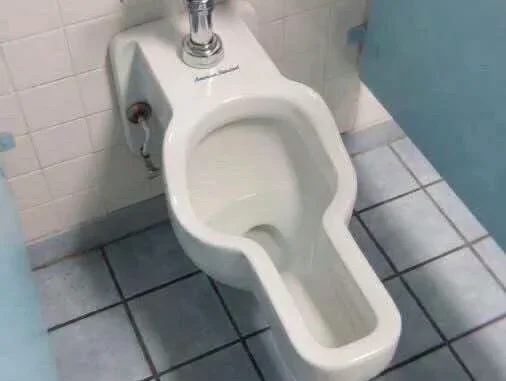
Public restrooms are essential facilities found in almost every public building, yet their design and functionality have posed persistent challenges for architects, planners, and facility managers. These challenges include managing user flow, ensuring sanitation, conserving resources, and accommodating diverse needs. Recently, the concept of women’s urinals has emerged as a novel approach to improving restroom efficiency and user experience, sparking broader discussions about how public restrooms can evolve.
Understanding the Complexities of Public Restroom Use
Public restrooms serve a wide range of users under varying conditions, from busy airports and museums to sports arenas and transit hubs. Despite advances in building design and technology, one recurring issue is the often significant disparity in wait times between men’s and women’s restrooms. This problem stems from multiple factors, including differences in facility layout, user behavior, and the types of fixtures available.
Women frequently require stalls for privacy, and additional time may be needed for users with children, disabilities, or specific clothing considerations. Traditional restroom designs typically allocate more urinals for men, which allow for quicker use, while women rely mostly on stalls. This discrepancy often results in longer queues and inefficiencies that designers have been striving to address.
The Emergence of Women’s Urinals as a Design Solution
Women’s urinals are specialized fixtures designed to enable urination in a standing or semi-standing position, aiming to complement traditional toilets rather than replace them. These fixtures have been introduced in select high-traffic venues such as science museums, transportation centers, and stadiums, where even minor improvements in restroom throughput can enhance overall visitor satisfaction.
Modern women’s urinals focus on ergonomics, privacy, hygiene, and water efficiency. Their designs minimize physical contact points and splashing, contributing to better sanitation and easier maintenance. Additionally, many models incorporate low-water or waterless technologies, aligning with growing environmental priorities.
Balancing Innovation with User Comfort and Privacy
One of the key considerations in introducing women’s urinals is ensuring that users feel comfortable and secure. Unlike men’s urinals, which are often open and arranged side-by-side, women’s urinals generally include privacy screens or partitions to support discretion. The fixtures are shaped to accommodate natural body positioning and reduce discomfort.
Acceptance of new restroom fixtures requires time and thoughtful communication. Public familiarity with innovations like automatic faucets or touchless dispensers grew gradually, suggesting that similar patience and education could foster wider adoption of women’s urinals.
Water Conservation and Environmental Impact
Water usage in public restrooms represents a significant operational cost and environmental concern. Traditional toilets consume several liters per flush, while urinals, especially modern designs, can operate with minimal or no water flush. Implementing water-efficient fixtures like women’s urinals could contribute to substantial savings across large facilities with heavy foot traffic.
Beyond water savings, ease of cleaning and material durability also play roles in sustainability. Fixtures designed for efficient maintenance reduce the need for harsh chemicals and frequent replacements, further supporting environmental goals.
The Role of High-Traffic Venues in Testing New Designs
Facilities with large visitor volumes often pioneer restroom innovations. Science centers, airports, and convention halls provide valuable testing grounds where the performance of new fixtures, such as women’s urinals, can be evaluated under real-world conditions. Data collected from these sites informs design improvements and helps assess the potential for broader implementation.
Cultural and Social Influences on Restroom Innovation
Public restroom design is influenced not only by technical considerations but also by cultural norms and social expectations. Acceptance of women’s urinals varies across regions, reflecting differing attitudes toward privacy, hygiene, and public infrastructure. Designers and planners take these factors into account to ensure that new fixtures meet local preferences and needs.
Offering Choice and Flexibility in Restroom Facilities
Modern restroom design increasingly emphasizes providing users with options rather than enforcing uniform solutions. Women’s urinals are typically introduced as supplementary fixtures, allowing individuals to select the option that best suits their comfort and requirements. This approach enhances accessibility and can reduce congestion without eliminating traditional stalls.
Future Directions in Public Restroom Design
As urban populations grow and environmental concerns intensify, public restrooms will continue to evolve. Innovations such as advanced water management systems, touchless technology, improved accessibility features, and flexible layouts are expected to become more widespread. Women’s urinals represent one facet of this broader movement toward more efficient, hygienic, and user-centered restroom environments.
Ultimately, the development and adoption of new restroom fixtures reflect ongoing efforts to better accommodate diverse user needs while balancing operational efficiency and sustainability. By exploring innovative solutions like women’s urinals, designers and facility managers contribute to creating public spaces that function more effectively and inclusively for all visitors.
Conclusion
Public restrooms are fundamental components of shared spaces, yet they have long presented design challenges related to efficiency, hygiene, and user satisfaction. The introduction of women’s urinals offers a promising avenue for tackling some of these issues by providing additional fixture options that can reduce wait times, conserve water, and enhance cleanliness.
While adoption remains gradual and contingent on cultural acceptance, the conversation sparked by these innovations encourages reexamination of traditional assumptions about restroom design. In doing so, it highlights the value of incremental improvements and user-focused engineering in shaping public infrastructure that better serves everyone.
Implementation Challenges and Considerations
Despite the potential benefits of women’s urinals, their implementation in public restrooms involves several practical challenges. Facility managers must consider space allocation, plumbing modifications, and regulatory compliance when integrating new fixtures. Unlike traditional toilets or men’s urinals, women’s urinals require careful positioning and privacy features to ensure user comfort and meet building codes. Retrofitting existing restrooms may be more complex and costly than including such fixtures in new construction or major renovations.
Moreover, staff training is crucial to ensure proper cleaning and maintenance procedures for these novel fixtures. Maintenance teams need to understand the specific requirements for water-saving technologies and materials used to maintain hygiene standards effectively. These operational aspects must be balanced against anticipated improvements in user flow and resource conservation.
User Education and Outreach
For women’s urinals to gain broader acceptance, education and outreach efforts are essential. Public awareness campaigns can help familiarize potential users with the design, functionality, and benefits of these fixtures. Clear signage within restrooms can explain usage instructions and highlight privacy measures, reducing uncertainty and discomfort.
In some cases, pilot programs accompanied by user feedback collection offer valuable insights. Such initiatives allow designers and facility managers to address concerns, optimize layouts, and adapt features based on real user experiences. Engaging with diverse user groups, including individuals with disabilities and caregivers, ensures that the design accommodates a wide range of needs.
Integration With Broader Accessibility Goals
Women’s urinals should be considered within the larger framework of restroom accessibility. Public facilities are increasingly expected to comply with accessibility standards that accommodate individuals with disabilities and other mobility challenges. While some women’s urinal designs support ergonomic use, not all configurations are universally accessible.
Designers must therefore ensure that accessible stalls remain available and that urinal installations do not inadvertently reduce usable space for people requiring mobility aids. Inclusive restroom planning involves a combination of fixture types and spatial arrangements that collectively provide equitable access for all visitors.
Comparisons With Other Restroom Innovations
The introduction of women’s urinals aligns with a broader trend toward innovative restroom technologies aimed at improving hygiene, efficiency, and sustainability. Examples include touchless faucets and soap dispensers, sensor-activated flush mechanisms, and antimicrobial materials.
Each innovation addresses specific challenges within the restroom environment. Women’s urinals contribute to this ecosystem by tackling user flow and water use concerns. Understanding how these various technologies complement one another can inform comprehensive restroom design strategies that maximize benefits.
Economic Implications
From an economic perspective, investing in women’s urinals may yield long-term cost savings. Reduced water consumption lowers utility expenses, while improved user flow can enhance customer satisfaction and potentially increase patronage in commercial or cultural venues.
However, initial installation costs and potential modifications must be carefully evaluated. Facility managers and planners benefit from conducting cost-benefit analyses that consider installation, maintenance, water savings, and user experience improvements. Funding opportunities related to sustainability initiatives may also support implementation.
Cultural Sensitivity and Global Perspectives
Cultural attitudes toward public restrooms and privacy vary widely around the world, influencing the reception of innovations like women’s urinals. In some societies, public acceptance of standing urination by women may be limited due to social norms or traditional gender roles.
International designers and planners must navigate these sensitivities when proposing new fixtures. Collaborating with local communities and stakeholders helps ensure that restroom designs are culturally appropriate and respectful. This approach supports successful adoption and avoids potential backlash.
The Future of Restroom Design: Integrating Technology and User-Centered Approaches
Advances in technology continue to shape the future of public restroom design. Smart sensors, real-time occupancy monitoring, and adaptive lighting are examples of innovations that enhance user experience and operational efficiency.
Women’s urinals could integrate with such technologies to provide feedback on usage patterns, water consumption, and maintenance needs. Data-driven insights enable facility managers to optimize cleaning schedules and resource allocation, further improving sustainability and user satisfaction.
Additionally, participatory design processes involving end-users are gaining prominence. Engaging diverse groups in the planning and testing phases leads to more inclusive and user-friendly restroom environments. This collaborative approach can accelerate acceptance of new fixtures like women’s urinals.
Takeaways for Designers, Facility Managers, and Users
Designers and facility managers considering women’s urinals should prioritize a holistic approach that balances innovation with practicality. Key considerations include ensuring privacy, accessibility, maintenance ease, and cultural sensitivity.
Users benefit from having diverse fixture options that accommodate individual preferences and needs. Open communication and education can foster comfort and acceptance, making restrooms more welcoming spaces.
Concluding Remarks
Women’s urinals represent a meaningful step in the ongoing evolution of public restroom design. While not a universal solution, they exemplify how thoughtful innovation can address longstanding challenges related to efficiency, hygiene, and sustainability.
As public spaces continue to adapt to growing and diverse populations, embracing a range of design strategies—including new fixture types—will be essential. The conversation initiated by women’s urinals encourages stakeholders to rethink conventional assumptions and pursue incremental improvements that enhance the everyday experiences of all restroom users.
The Importance of Inclusive Design in Public Restrooms
Inclusive design in public restrooms goes beyond accommodating gender differences; it encompasses a wide range of user needs including those of people with disabilities, elderly individuals, parents with young children, and others requiring additional assistance. Women’s urinals, as part of this inclusive approach, aim to provide more options without compromising accessibility or privacy. Designers must consider features such as grab bars, adjustable heights, and spacious layouts to ensure that all fixtures, including women’s urinals, are usable by a diverse population. This holistic perspective helps create restrooms that are welcoming and functional for everyone.
Environmental Certification and Restroom Innovations
Many public buildings pursue environmental certifications such as LEED (Leadership in Energy and Environmental Design) or WELL Building Standard to demonstrate their commitment to sustainability and occupant health. Incorporating water-saving fixtures like women’s urinals can contribute points toward these certifications by reducing water consumption and promoting efficient facility management. Additionally, materials used in these fixtures often align with sustainable sourcing and durability criteria. Facility managers aiming to meet environmental goals may find that adopting innovative restroom solutions supports broader organizational commitments to sustainability and public health.
Design Collaboration and Stakeholder Engagement
Successful implementation of women’s urinals and other restroom innovations often results from collaborative efforts among architects, engineers, facility managers, public health experts, and community members. Engaging stakeholders early in the design process allows for the identification of potential concerns, cultural considerations, and user preferences. This participatory approach can lead to more thoughtful layouts, improved signage, and better maintenance planning. Consultation with advocacy groups, particularly those representing individuals with disabilities or parents, ensures that restroom designs serve the needs of all users effectively.
Learning From Pilot Programs and Case Studies
Several pilot installations of women’s urinals have provided valuable insights into their practicality and acceptance. Case studies from science museums, transit centers, and university campuses highlight both successes and challenges encountered during implementation. For example, user feedback often emphasizes the importance of clear instructions and privacy enhancements. Maintenance teams report benefits from simplified cleaning processes associated with these fixtures. Sharing such experiences across the design and facilities management communities helps refine best practices and informs future projects.
Addressing Psychological and Social Comfort
Beyond physical design, psychological factors influence how users perceive and accept women’s urinals. Comfort with standing urination varies widely based on personal habits, cultural background, and social norms. Designers and facility managers can support positive experiences by providing options that respect different comfort levels and by avoiding any implication that certain users must adopt unfamiliar methods. Educational materials that emphasize choice, hygiene benefits, and environmental impact may help reduce apprehension and build confidence.
Balancing Innovation With Tradition
While innovative fixtures like women’s urinals represent progress in restroom design, they coexist alongside traditional toilets and stalls. This balance respects user preferences and transitional periods during which public familiarity grows. Facilities that introduce these fixtures typically maintain a mix of options to avoid alienating any group. Over time, data on usage patterns and user satisfaction can guide adjustments in fixture ratios and layouts to optimize efficiency without compromising comfort.
The Role of Technology in Enhancing Restroom Experience
Emerging technologies offer opportunities to complement physical fixture innovations. For instance, digital signage can display real-time restroom occupancy, helping users make informed choices and reducing congestion. Sensor-based systems can monitor fixture usage and maintenance needs, enabling timely cleaning and repairs that uphold hygiene standards. Integration of women’s urinals into such smart restroom ecosystems may amplify their benefits by ensuring optimal functionality and user convenience.
Preparing for Future Urban Growth and Demographic Changes
As urban populations expand and demographic profiles shift, public restrooms must adapt to accommodate increased demand and evolving user expectations. Innovations like women’s urinals contribute to scalable solutions that address capacity challenges while promoting sustainability. Anticipating factors such as increased diversity in gender identities and mobility requirements will require ongoing research and flexible design strategies. Incorporating modular or reconfigurable restroom elements may allow facilities to respond dynamically to future needs.
Educational Opportunities for Facility Staff
Training custodial and maintenance staff is critical to the successful operation of restrooms featuring women’s urinals. Staff should be knowledgeable about the specific cleaning protocols, water-saving mechanisms, and potential troubleshooting associated with these fixtures. Providing comprehensive education helps maintain hygiene standards and prolong fixture lifespan, ultimately supporting user satisfaction and cost-effectiveness. Additionally, staff can serve as ambassadors for new technologies, assisting users and addressing questions.
Encouraging a Culture of Continuous Improvement
The introduction of women’s urinals reflects a broader ethos of continuous improvement in public infrastructure. Facilities that adopt such innovations demonstrate a willingness to challenge conventions and embrace evidence-based enhancements. This mindset encourages ongoing evaluation, user feedback collection, and adaptation to emerging trends and technologies. By fostering a culture that values innovation balanced with practicality, public restroom design can evolve to meet the complex demands of modern society while respecting diverse user needs.