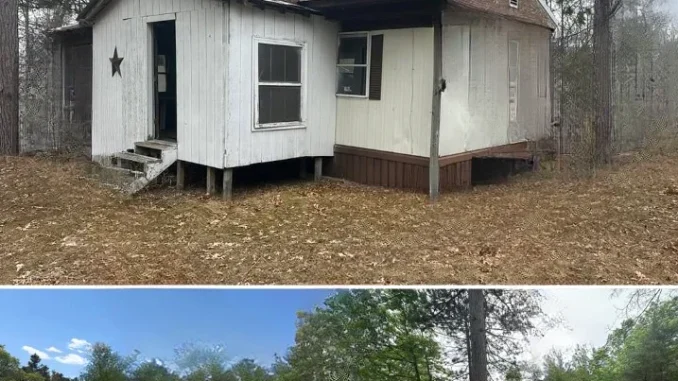
Northern Michigan is known for its expansive natural beauty and outdoor recreational opportunities, attracting those looking for peaceful retreats surrounded by forests, rivers, and abundant wildlife. A 20-acre property in this region presents a unique chance to own a sizable tract of land with existing improvements, combining privacy, convenience, and access to outdoor activities.
This property consists of two adjoining parcels, each approximately 10 acres, offered together to provide a substantial 20-acre expanse. The land includes a mix of mature trees and open spaces, creating diverse habitats for local wildlife and a serene environment for nature lovers. Such a setting supports various outdoor pursuits, from hiking and wildlife viewing to hunting and photography.
One of the notable features of this property is a raised deer blind already installed on site. This structure offers a vantage point for observing wildlife or engaging in hunting activities, taking advantage of the area’s natural fauna. The existing wildlife presence enhances the appeal for those interested in experiencing Northern Michigan’s natural ecosystems firsthand.
A network of established trails weaves throughout the property, facilitating easy exploration on foot, ATV, or other recreational vehicles. These trails enable owners to navigate the terrain efficiently, reach different parts of the acreage, and appreciate the landscape without the need for additional development. This infrastructure adds recreational value and convenience, making it easier to enjoy the land’s features year-round.
At the heart of the property stands a two-bedroom mobile home, providing immediate shelter and basic living amenities. While modest, this dwelling serves well as a seasonal retreat or base camp for outdoor adventures, offering electricity, a septic system, and a private well. Prospective buyers should verify the condition and functionality of these utilities, as the well is currently inactive, and routine inspections of septic and electrical systems are advisable.
The property’s location enhances its recreational potential. It lies near public access points to the AuSable River’s Holy Waters section, a celebrated destination for fishing, paddling, and enjoying scenic waterways. The AuSable River is renowned for its clear waters and natural beauty, making it a popular spot for anglers and nature enthusiasts alike.
Beyond water-based activities, the surrounding region offers extensive opportunities for hiking, camping, birdwatching, and seasonal outdoor sports. The combination of forested areas, river corridors, and public lands creates a rich playground for those seeking an active lifestyle or tranquil nature experiences.
Privacy is a significant benefit of owning a 20-acre parcel in this setting. The land’s size and wooded character provide a buffer from neighboring properties and urban noise, fostering a quiet atmosphere where owners can relax and disconnect. This seclusion also supports wildlife habitats and enhances the feeling of immersion in nature.
For individuals or families looking to invest in recreational land, properties with existing infrastructure and trail systems are particularly valuable. The presence of a mobile home and utility connections reduces the initial setup efforts and costs typically associated with undeveloped land. The established trails allow immediate enjoyment of the property, facilitating activities such as hiking, ATV riding, or simply exploring the terrain.
This property’s balance of natural features, practical amenities, and proximity to recreational hotspots makes it a versatile option. It can serve as a weekend escape, a seasonal hunting camp, or a quiet place to observe wildlife and enjoy the outdoors. The combination of privacy, accessibility, and natural beauty reflects the appeal that Northern Michigan holds for outdoor enthusiasts.
Prospective buyers should conduct thorough due diligence, including verifying property boundaries, inspecting existing structures and systems, and assessing access routes. Understanding the condition of the well, septic system, and electrical connections will help ensure the property meets individual needs and expectations.
In summary, this 20-acre Northern Michigan property offers a blend of wooded landscapes, wildlife amenities, established trails, and a functional mobile home. Its location near the AuSable River and other outdoor attractions enhances its recreational value. Whether for hunting, fishing, hiking, or simply enjoying a quiet retreat in nature, this land represents an appealing opportunity for those seeking to connect with the outdoors in a private and accessible setting.
Land Management and Conservation Opportunities
Owning a sizable 20-acre property in Northern Michigan also presents opportunities for land management and conservation efforts. Property owners can engage in sustainable practices that support local ecosystems and enhance the land’s health and value over time. For instance, selective tree thinning can promote forest regeneration, improve habitat quality, and reduce wildfire risk. Maintaining native plant species and controlling invasive plants helps preserve biodiversity and supports wildlife populations.
Additionally, landowners interested in conservation may explore programs offered by state or federal agencies that provide guidance, incentives, or financial assistance for land stewardship. Participating in such initiatives can help protect natural resources while potentially lowering property taxes or securing conservation easements. These steps not only benefit the environment but can also enhance the property’s appeal and long-term sustainability.
Seasonal Activities and Wildlife Watching
The property’s location and natural features make it well-suited for seasonal outdoor activities that change throughout the year. In the spring and summer months, owners can enjoy birdwatching as migratory species return to the region, while wildflowers and other native plants bloom across the land. The mature trees provide shelter and food sources for a variety of animals, offering opportunities for photography and nature observation.
During the fall, the property takes on a different character with vibrant foliage colors and increased wildlife activity as animals prepare for winter. This season is particularly popular for hunting, with species such as deer being abundant in the region. The existing raised deer blind and trail system facilitate ethical and safe hunting practices.
Winter brings its own recreational possibilities, including snowshoeing, cross-country skiing, and snowmobiling on the established trails. The quiet, snow-covered landscape offers a peaceful retreat and a chance to experience the area’s natural beauty in a different way. These year-round activities underscore the property’s versatility and appeal to those who enjoy engaging with nature in every season.
Accessibility and Nearby Amenities
While the property offers privacy and seclusion, it also benefits from proximity to essential services and local amenities. Nearby towns in Northern Michigan provide access to grocery stores, medical facilities, dining options, and other conveniences needed for both seasonal and permanent residents. This balance allows owners to enjoy a rural lifestyle without sacrificing access to necessary resources.
Moreover, the region features cultural attractions, local events, and community activities that can enrich the experience of living or vacationing in Northern Michigan. From farmers’ markets and festivals to historical sites and artisan shops, the area’s small towns offer opportunities to connect with the local culture and community.
Potential for Customization and Expansion
The existing mobile home on the property offers a practical starting point, but buyers interested in customization or expansion have various options. Depending on local zoning and permitting regulations, owners might consider upgrading the current structure, adding additional cabins or outbuildings, or developing recreational facilities such as fire pits, picnic areas, or storage sheds.
Before undertaking any construction or significant alterations, it is advisable to consult with local planning authorities to understand requirements and restrictions. Proper planning can ensure any improvements align with the property’s character and preserve its natural appeal while enhancing comfort and functionality.
Investment Perspective
From an investment standpoint, purchasing recreational land with existing infrastructure in Northern Michigan can be a strategic choice. Properties like this one often retain long-term value due to the region’s popularity for outdoor activities and the limited availability of undeveloped acreage with utilities and access.
While the property may primarily serve personal enjoyment, owners can also consider potential future uses such as vacation rentals, hunting leases, or resale with added value from improvements made over time. However, investors should approach such opportunities with realistic expectations and thorough market research to understand trends and demand in the local real estate market.
Environmental Considerations
Prospective buyers should be aware of environmental factors that may affect land use and enjoyment. Northern Michigan’s climate includes cold winters with snow accumulation and variable precipitation throughout the year. Understanding seasonal weather patterns is important for planning access, maintenance, and recreational activities.
Additionally, properties near water bodies like the AuSable River may be subject to specific regulations aimed at protecting water quality and habitats. Compliance with environmental laws, such as setbacks from waterways and restrictions on certain land uses, is critical for responsible ownership.
Conducting environmental assessments or consulting with experts can provide valuable insights into the property’s conditions and any considerations that might influence future plans.
Conclusion
This 20-acre Northern Michigan property offers a unique blend of natural beauty, practical features, and recreational potential. With its established trail system, raised deer blind, mobile home, and proximity to the AuSable River, it caters to a variety of outdoor interests and lifestyles. Whether used for hunting, fishing, hiking, or simply as a private retreat, the land provides a versatile and accessible option for those seeking to immerse themselves in the region’s scenic landscapes.
Careful due diligence, thoughtful land management, and awareness of local regulations will help ensure that owners maximize the enjoyment and value of this property. For anyone drawn to the tranquility and opportunities of Northern Michigan’s countryside, this offering represents a compelling chance to own a significant piece of nature.
Community and Regional Economic Impact
The acquisition and use of rural properties like this 20-acre Northern Michigan parcel can have broader implications for local communities and economies. Recreational landowners often contribute to the vitality of nearby towns by patronizing local businesses such as grocery stores, hardware suppliers, outdoor outfitters, and dining establishments. Seasonal residents and visitors also support service industries including maintenance, landscaping, and property management.
Moreover, properties used for hunting, fishing, and other outdoor activities help sustain traditions and cultural practices that are significant to the region. The presence of responsible landowners who maintain and steward their property can positively influence conservation efforts and land use policies within the community. Understanding these dynamics can help prospective buyers appreciate how their ownership fits into the larger regional context.
Navigating Local Regulations and Permitting
Potential buyers should become familiar with local zoning ordinances, land use regulations, and permitting processes that govern property development and recreational activities. Northern Michigan counties often have specific rules regarding building permits, septic system approvals, well drilling, and land alterations, all of which could affect future plans for the property.
Contacting local planning departments or land use authorities early in the acquisition process is advisable to clarify allowable uses and any restrictions. This proactive approach can prevent unexpected challenges and ensure that any intended improvements or activities comply with applicable regulations. Additionally, understanding property tax assessments and any special district levies will contribute to a comprehensive view of ownership responsibilities.
Safety Considerations for Rural Landowners
Owning and enjoying a rural property involves certain safety considerations unique to natural settings. Property owners should be aware of potential hazards such as wildlife encounters, uneven terrain, and weather-related risks. Preparing for emergencies by having adequate communication means, first aid supplies, and knowledge of local emergency services is important.
Maintenance of trails, structures, and utility systems also plays a role in ensuring safe use. Regular inspections and upkeep can prevent accidents and prolong the life of improvements like the mobile home and deer blind. For those new to rural land ownership, seeking advice or training on outdoor safety and property management can be beneficial.
Connectivity and Technology Access
While the appeal of this property includes its natural seclusion, access to modern technology and connectivity options may be a consideration for some buyers. Internet and cellular service availability in rural Northern Michigan varies by location and provider.
Prospective owners interested in remote work, digital communication, or entertainment should investigate local service options to determine feasibility. Satellite internet, mobile hotspots, or other technologies might be necessary to meet connectivity needs. Balancing the desire for privacy with practical communication capabilities is an important aspect of modern rural living.
Wildlife Management and Ethical Hunting Practices
For those intending to hunt on the property, understanding wildlife management principles and local hunting regulations is essential. Michigan’s Department of Natural Resources (DNR) provides guidelines on seasons, permits, and ethical hunting standards designed to sustain healthy wildlife populations.
Utilizing the existing deer blind responsibly ensures safety and minimizes disturbance to animals. Landowners may also consider habitat enhancements such as planting native food plots or maintaining cover to support game species. Active wildlife management can enhance the hunting experience while contributing to ecological balance.
Engagement with Outdoor Recreation Networks
Joining local or regional outdoor clubs and organizations can enrich the experience of owning a recreational property. These groups often provide opportunities for socializing, education, and coordinated activities like group hunts, trail maintenance, or conservation projects.
Participation in such networks can also facilitate knowledge sharing about land stewardship, legal matters, and recreational best practices. New landowners may find valuable support and camaraderie among peers who share similar interests and values related to rural living and outdoor pursuits.
Long-Term Vision and Legacy Planning
Considering a long-term vision for the property can help owners maximize both enjoyment and value. Some may view the land as a multi-generational asset to be preserved and passed down, while others might focus on incremental improvements or eventual resale.
Estate planning, including clear documentation of ownership and intentions, can prevent future disputes and ensure the property remains a cherished resource. Consulting with legal and financial professionals knowledgeable about rural land ownership can assist in developing a strategy that aligns with personal goals and family considerations.
Educational Resources and Further Research
For those new to owning recreational land or unfamiliar with Northern Michigan’s environment, a wealth of educational resources is available. State agencies, extension services, and conservation organizations offer publications, workshops, and online materials covering topics like land management, native species, water resource protection, and outdoor safety.
Engaging with these resources prior to and after purchase can empower owners to make informed decisions and foster responsible stewardship. Continuous learning enhances the ability to adapt to changing conditions and maintain the property’s health and appeal over time.
In conclusion, this 20-acre Northern Michigan property not only offers immediate recreational opportunities and natural beauty but also invites thoughtful consideration of land management, community engagement, and future planning. By approaching ownership with awareness and care, buyers can ensure a rewarding and sustainable connection to this unique rural landscape.