Introduction to Vacation Rental Privacy and Safety
Vacation rentals have become a popular choice for travelers seeking a home-like experience while away from home. These accommodations offer unique environments, often with more space and local character than traditional hotels. However, as with any lodging option, ensuring privacy and security is an important consideration for guests. While most vacation rental hosts prioritize guest safety and confidentiality, occasional incidents highlight the need for travelers to remain aware and informed.
The Appeal and Expectations of Vacation Rentals
Vacation rentals attract visitors with their promise of comfort, convenience, and privacy. Guests usually expect a peaceful stay without interruptions or concerns about surveillance in private areas. Properties are often equipped with standard safety devices such as smoke detectors and security lighting, contributing to a sense of security. High-quality listings and positive reviews typically reassure travelers that their accommodations meet these expectations.
Recognizing Potential Privacy Concerns
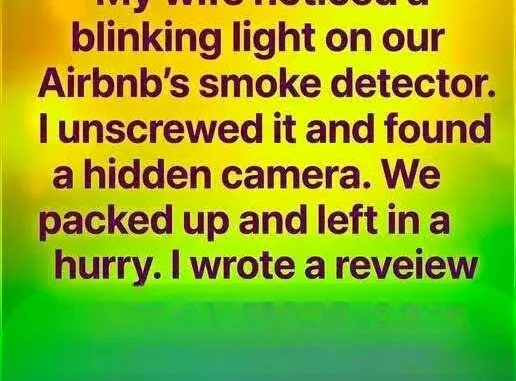
Despite the general reliability of vacation rentals, travelers sometimes encounter unexpected situations that raise questions about privacy. For example, a blinking light on a ceiling smoke detector or unusual electronic devices might prompt curiosity or concern about hidden cameras or unauthorized monitoring equipment. While many electronic safety devices feature indicator lights to confirm functionality, unfamiliar patterns or additional components can understandably cause discomfort.
Understanding the Role of Surveillance in Vacation Rentals
Security cameras are common in various lodging types, often positioned outdoors to monitor entrances, parking areas, or property perimeters. These devices are usually disclosed upfront by hosts and are intended to protect both guests and property. However, the presence of cameras inside private spaces such as bedrooms or bathrooms is generally prohibited by rental platforms and local laws. Transparency regarding the placement of any monitoring equipment is essential to maintain trust between hosts and guests.
How to Stay Vigilant and Protect Your Privacy
Travelers can take proactive steps to safeguard their privacy when staying in vacation rentals. Upon arrival, it is advisable to conduct a brief inspection of the property, paying attention to electronic devices and unusual features. Checking smoke detectors, clocks, or other gadgets for signs of modification or unexpected components can help identify potential issues early.
Reviewing listing details before booking is equally important. Many platforms require hosts to disclose security features, including cameras, which should always be outside private living areas. If any device or aspect of the rental seems unclear or suspicious, guests should feel empowered to ask the host for clarification before settling in.
Responding to Suspected Privacy Issues
If something feels off during a stay, guests are encouraged to remain calm and document their observations without tampering with devices. Taking photographs and noting details can provide valuable information if further action is necessary. Contacting the property owner or manager to express concerns is often the first step. Should doubts persist or if guests suspect violations of privacy, reporting the matter through the booking platform or consulting local authorities may be appropriate.
The Importance of Mutual Trust in Vacation Rentals
The success of short-term rental accommodations relies heavily on trust between hosts and guests. Responsible hosts maintain open communication, disclose security measures, and respect guest privacy. Guests, in turn, benefit from reading reviews, adhering to house rules, and communicating any concerns promptly. This mutual respect fosters a positive experience and contributes to the growing popularity of vacation rentals worldwide.
Balancing Awareness and Peace of Mind
While media stories about privacy infringements can be unsettling, it is important to recognize that such instances are rare compared to the millions of safe and enjoyable rental stays each year. Being informed and cautious does not require fear but rather a balanced approach combining awareness with common sense. Simple practices such as booking through reputable platforms, carefully reading listings, and trusting one’s instincts can enhance the safety and comfort of any trip.
Conclusion: Empowering Travelers Through Knowledge
Vacations are meant to provide relaxation and memorable experiences. By understanding the basics of privacy and security in vacation rentals, travelers can better protect themselves and enjoy their accommodations with confidence. Taking a few moments to familiarize oneself with the rental environment, maintaining open communication with hosts, and knowing how to respond to concerns can all contribute to a positive stay. Ultimately, informed and attentive travelers are well-equipped to make the most of their vacation rental experiences while safeguarding their privacy and peace of mind.
Technological Advances and Their Impact on Vacation Rental Privacy
As technology continues to evolve, vacation rentals increasingly incorporate smart devices to enhance guest comfort and convenience. Smart locks, voice-activated assistants, thermostats, and security cameras are becoming common features. While these technologies offer benefits such as keyless entry and energy efficiency, they also introduce new privacy considerations. Guests should be aware that many smart devices collect data and may have microphones or cameras. Understanding the capabilities and settings of these devices can help travelers feel more secure and maintain control over their environment.
It is advisable to inquire about smart technology usage in the rental property before booking. Hosts who use such devices responsibly typically disclose their presence and explain how guest data is handled. Guests can also request to disable certain features during their stay if they prefer. Being informed about the technology in place empowers guests to make choices aligned with their privacy preferences.
Legal Protections and Regulations Governing Privacy in Vacation Rentals
Privacy laws related to vacation rentals vary by country, state, and municipality. Many jurisdictions have enacted regulations requiring hosts to disclose any surveillance equipment on their properties and prohibiting recording in private spaces such as bedrooms and bathrooms. Additionally, rental platforms often have policies designed to protect guest privacy, including prohibitions on hidden cameras and requirements for transparent disclosure.
Travelers should familiarize themselves with local laws and platform policies relevant to their destination. Understanding these legal frameworks can help guests recognize when their rights may have been violated and guide them in seeking appropriate remedies. In cases of suspected illegal surveillance or privacy breaches, consulting legal experts or local authorities may provide clarity and support.
The Role of Rental Platforms in Enhancing Privacy and Safety
Major vacation rental platforms play a vital role in safeguarding guest privacy by establishing standards and enforcing rules for property listings. These platforms typically require hosts to disclose security devices and may monitor listings for compliance. They also provide mechanisms for guests to report concerns or violations, which can result in investigations, penalties, or removal of non-compliant properties.
Guests are encouraged to utilize platform resources, including customer support and review systems, to address privacy-related issues. Reading other travelers’ reviews can offer insights into the host’s transparency and the property’s adherence to privacy expectations. Platforms continue to evolve their policies in response to emerging privacy challenges, striving to balance host autonomy with guest protection.
Practical Tips for Conducting a Privacy Check Upon Arrival
Performing a discreet privacy check upon arrival can provide reassurance and help identify potential issues early. Travelers might consider the following steps:
- Visually inspect smoke detectors, clocks, and other electronic devices for unusual features such as extra lenses or wires.
- Look for small holes or lenses in objects that could conceal cameras, including alarm clocks, picture frames, or air purifiers.
- Use smartphone apps designed to detect hidden cameras by scanning for infrared lights or unusual network devices.
- Check for Wi-Fi networks with suspicious names or devices connected to the property’s network that are unfamiliar.
Being thorough yet respectful during this process helps maintain a positive relationship with the host while prioritizing personal security.
Understanding the Psychological Impact of Privacy Concerns on Travelers
Concerns about privacy violations can cause significant stress and anxiety, potentially diminishing the enjoyment of a vacation. Feeling unsafe or monitored in a personal space undermines relaxation and trust. Awareness of these psychological effects underscores the importance of addressing privacy proactively.
Travelers who encounter privacy issues or even suspect them should consider seeking support from friends, family, or professional resources. Maintaining open communication with hosts and rental platforms can also help resolve concerns swiftly. Fostering a sense of control and taking practical measures can alleviate anxiety and restore confidence.
Future Trends: Privacy Innovations in the Vacation Rental Industry
The vacation rental industry is gradually adopting innovations aimed at enhancing privacy and security. For example, some properties now feature transparent privacy policies, third-party inspections, or digital logs of security device usage. Emerging technologies such as blockchain may offer new ways to verify property compliance and build trust.
Hosts and platforms are increasingly recognizing that privacy is a key factor in guest satisfaction and loyalty. As a result, investments in privacy-enhancing technologies and clear communication are likely to become standard practice. Travelers can expect ongoing improvements that prioritize their comfort and security.
Summary and Key Takeaways for Travelers
- Stay informed about the types of technology commonly used in vacation rentals and their privacy implications.
- Research local laws and platform policies related to surveillance and privacy.
- Conduct a respectful privacy check upon arrival, utilizing available tools and observational skills.
- Document and report any concerns promptly through appropriate channels.
- Maintain open communication with hosts and platforms to resolve issues effectively.
- Balance awareness with trust, understanding that most rentals prioritize guest privacy.
By embracing these practices, travelers can confidently enjoy the benefits of vacation rentals while safeguarding their privacy and well-being.
The Role of Host Education and Training in Privacy Protection
An often overlooked aspect of ensuring privacy and security in vacation rentals is the education and training of hosts. Many hosts are individuals or small business owners who may not have formal training in hospitality or security best practices. Rental platforms and industry organizations have increasingly recognized the importance of providing resources and guidance to help hosts understand privacy laws, ethical hosting behaviors, and the proper use of technology.
By participating in training programs or accessing educational materials, hosts can better appreciate guest expectations and legal obligations. This awareness helps reduce the risk of unintentional privacy breaches and promotes a culture of transparency. Furthermore, knowledgeable hosts are more likely to provide clear communication, disclose security measures upfront, and maintain their properties in ways that foster guest confidence.
Understanding Cultural and Regional Differences in Privacy Expectations
Privacy norms and legal regulations can vary significantly across different cultures and regions. What may be considered acceptable surveillance or monitoring in one country might be viewed as intrusive or illegal in another. Travelers should be mindful of these differences when staying abroad and research destination-specific privacy expectations.
For example, some countries may have less stringent laws regarding recording devices in private spaces, or cultural attitudes toward surveillance may differ. While rental platforms often enforce standard policies globally, local enforcement and customs can influence how privacy issues are handled. Being aware of this context can help travelers navigate situations with greater understanding and prepare them to address concerns appropriately.
The Impact of Reviews and Social Media on Privacy Awareness
Online reviews and social media have become powerful tools for sharing experiences related to vacation rentals, including privacy and safety issues. Travelers often consult reviews before booking to gauge the trustworthiness of hosts and properties. In cases where privacy concerns arise, guests may use these platforms to warn others or seek advice.
While reviews can provide valuable insights, it is important for readers to critically assess the information presented. Isolated incidents may be reported with varying degrees of accuracy or context. Conversely, positive reviews that omit mention of privacy features may not provide a full picture. Media literacy skills, including evaluating the credibility of sources and recognizing potential biases, can help travelers make informed decisions.
Hosts who respond professionally and transparently to privacy-related feedback can build trust and demonstrate their commitment to guest safety. This dynamic encourages accountability and promotes higher industry standards.
The Significance of Insurance and Liability in Privacy Matters
Vacation rental hosts and guests alike should consider the role of insurance and liability coverage related to privacy and security issues. Hosts may carry insurance policies that address property damage, liability, and in some cases, privacy breaches. Guests, especially those renting for extended periods or for business purposes, might also explore travel or renters insurance policies that include personal data protection.
Understanding the extent and limitations of these policies can provide additional peace of mind. In the event of a privacy violation or security incident, insurance coverage may assist in addressing damages or legal costs. Travelers are encouraged to inquire about insurance provisions when booking and to review their own coverage before travel.
Community-Based Approaches to Enhancing Safety and Privacy
Some vacation rental communities and neighborhood associations have implemented collective measures to enhance privacy and security. These may include coordinated communication among neighbors, community watch programs, or shared guidelines for short-term rentals.
Such initiatives can help identify suspicious activity, promote responsible hosting, and provide support for guests experiencing concerns. Travelers staying in areas with active community involvement may benefit from additional layers of protection and resources.
Engaging with local tourism offices or visitor centers can also provide information about reputable accommodations and safety recommendations specific to the region.
The Evolution of Guest Rights and Advocacy
Guest rights in vacation rentals have evolved alongside the growth of the sharing economy. Advocacy groups and consumer protection organizations have emerged to represent traveler interests, pushing for clearer regulations and better enforcement.
These efforts have led to improved transparency requirements, dispute resolution mechanisms, and educational campaigns aimed at both hosts and guests. Travelers can access resources such as legal hotlines, online forums, and advocacy websites to better understand their rights and seek assistance if needed.
Staying informed about ongoing developments in guest protections contributes to a more empowered and confident travel experience.
Encouraging Responsible Technology Use by Hosts
As technology becomes more integrated into vacation rentals, promoting responsible use is essential. Hosts are encouraged to adopt privacy-by-design principles, ensuring that any devices installed prioritize guest consent and data security.
For example, limiting the functionality of smart devices that record audio or video, regularly updating software to patch vulnerabilities, and providing guests with clear instructions on device operation can mitigate risks.
Open communication between hosts and guests about technology use fosters mutual respect and reduces misunderstandings.
Summary: A Holistic Approach to Privacy and Security
Protecting privacy in vacation rentals involves multiple stakeholders, including hosts, guests, rental platforms, communities, and regulators. A holistic approach that combines education, transparency, legal frameworks, technological responsibility, and cultural awareness can create safer and more enjoyable experiences.
Travelers who actively engage with these aspects—by researching, communicating, respecting local norms, and advocating for their rights—contribute to a positive environment that benefits everyone involved. Ultimately, the goal is to preserve the unique advantages of vacation rentals while ensuring that comfort and trust remain at the forefront of every stay.