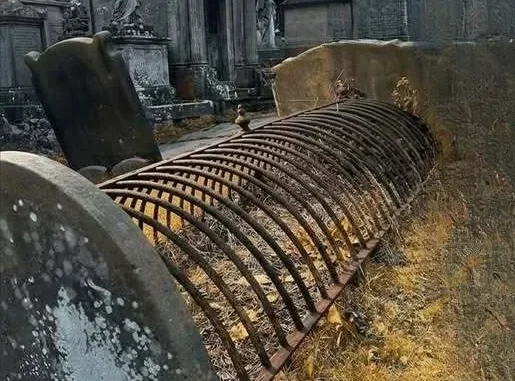
Throughout various historic cemeteries across Europe, particularly in regions of Scotland and England, visitors may encounter uncommon iron frameworks positioned over some burial plots. These heavy metallic structures, often resembling cages, stand out amidst traditional gravestones and monuments. While they may appear puzzling or even eerie at first glance, they reveal a unique historical response to a specific social and scientific challenge faced during the late 1700s and early 1800s.
Understanding the Origins of Iron Grave Protectors
During the 18th and 19th centuries, the study of human anatomy was undergoing significant growth, propelled by expanding medical schools and evolving scientific methods. Anatomy students and physicians required human bodies for dissection and learning. However, the legal supply of cadavers was extremely limited, often restricted to executed criminals or donated bodies, far fewer than the demand for medical education.
This scarcity gave rise to an illicit industry involving the exhumation of recently buried bodies, a practice commonly referred to as "body snatching." Individuals known as resurrectionists would secretly remove corpses from fresh graves to sell them to medical institutions. Such activities caused considerable distress among families and communities who wished to protect the sanctity and dignity of their loved ones’ final resting places.
The Development and Function of Iron Grave Protectors
In response to these concerns, communities devised practical solutions to deter grave robbers. One of the most effective methods was the use of robust iron structures placed directly over graves, designed to prevent unauthorized access. These devices, sometimes called "mortsafes," were constructed from thick iron bars and often weighed several hundred pounds, making it difficult for anyone to remove or tamper with them without detection.
The design of these iron protectors varied. Some were grid-like covers secured to stone slabs, while others resembled cages encompassing the entire grave site. Their primary purpose was to act as a physical barrier during the most vulnerable period following burial—generally the first several weeks to months—until the body decomposed enough to be of little use to resurrectionists.
Community Involvement in Cemetery Protection
Beyond the iron protectors themselves, communities often took additional measures to safeguard cemeteries. Volunteer watch groups would patrol graveyards during nighttime hours, and some towns employed guards to monitor burial sites. In certain locations, watch houses were built within or adjacent to cemeteries to facilitate constant surveillance. These collective efforts underscored the widespread unease about grave disturbances and reflected a communal commitment to respecting the deceased.
Relevance of Grave Protection in Historical Context
While modern readers may find the notion of grave robbing unsettling or surprising, it is important to recognize its historical context. The demand for cadavers was driven by the legitimate educational needs of advancing medical science. However, the lack of sufficient legal channels for obtaining bodies created a gap that illicit activities exploited.
This tension highlights the complex interplay between scientific progress and societal values. The iron grave protectors symbolize a practical compromise—communities protecting their dead while medical education continued under challenging circumstances.
Legal Reforms and Their Impact
The situation began to change with legislative measures aimed at regulating the supply of cadavers for medical purposes. Notably, the Anatomy Act of 1832 in the United Kingdom provided a legal framework that expanded access to unclaimed bodies for anatomical study. This law helped diminish the demand for bodies obtained through grave robbing, leading to a decline in the practice.
As legal sources became more reliable and socially accepted, the necessity for iron grave protectors diminished. Over time, many were removed or repurposed, though some have survived as historical artifacts.
Legacy and Preservation of Iron Grave Protectors
Today, surviving examples of these iron structures can be found in historic cemeteries, especially in Scotland. They serve as tangible reminders of a particular era in medical and social history. For historians, preservationists, and visitors, these artifacts offer insight into community resilience and the evolving relationship between science, law, and cultural practices surrounding death.
Reflecting on Ethical Progress in Medical Education
The history of iron grave protectors also prompts reflection on how ethical standards in medical education have developed. Modern anatomy programs now rely on voluntary body donations and stringent regulations that respect individual consent and dignity. This evolution demonstrates society’s ongoing effort to balance scientific advancement with respect for human rights.
Contemporary Takeaways
The story behind these iron grave protectors encourages awareness of how societal challenges are met with innovation and cooperation. It also highlights the importance of ethical considerations when pursuing scientific knowledge. Understanding this history enriches our appreciation of both the progress made and the values that continue to guide medical and cultural practices today.
In Conclusion
The iron frames occasionally encountered in old cemeteries are far more than relics of the past; they represent a chapter of history shaped by practical necessity, communal care, and evolving ethical standards. These structures bear witness to a time when societies grappled with protecting the dignity of the deceased amid rapid scientific growth. Observing them today invites reflection on how far medical science and societal values have come, reminding us of the deep human desire to honor and safeguard those who have passed on.
Cultural Perceptions and Public Reaction to Grave Robbing
The practice of body snatching in the eighteenth and nineteenth centuries was met with widespread public outrage and fear, reflecting the deep cultural importance placed on burial rites and the sanctity of the dead. Many people viewed the violation of graves as a profound desecration, not only of the physical remains but also of the social and spiritual bonds that connected families to their ancestors. This cultural context helps explain the urgency with which communities sought protective measures such as iron grave cages. Public sentiment often fueled calls for legal reform and greater protections, influencing both local and national policies.
The Role of Religious Institutions
Religious organizations played a significant role in burial practices during this period and were often involved in community efforts to protect cemeteries. Churches and parishes sometimes managed the rotation and use of mortsafes, ensuring that resources were shared efficiently among families who could not afford individual protections. Clergy members also provided moral support to grieving families and advocated for the respect of burial grounds. Their involvement underscored the intertwined nature of religious belief, community cohesion, and attitudes toward death and the afterlife.
Material and Craftsmanship Aspects of Iron Grave Protectors
The design and manufacture of iron grave protectors required skilled craftsmanship. Blacksmiths and metalworkers were essential in producing these heavy and durable structures, often customizing them to fit specific graves or cemetery regulations. The use of wrought iron, known for its strength and resistance to corrosion, ensured that mortsafes could withstand attempts at removal and endure through harsh weather conditions. Studying these artifacts today provides valuable insight into historical metalworking techniques and regional variations in design.
Comparative Practices in Other Countries
While the use of iron grave protectors was prominent in Britain and parts of Europe, other cultures developed different methods to guard graves. For instance, in some areas of the United States, families used large stone slabs or buried coffins deeper to deter body snatchers. In other parts of the world, less formal methods such as night vigils or community watch systems were common. These variations highlight how diverse societies responded to similar challenges based on available resources, cultural norms, and legal frameworks.
The Intersection of Science, Ethics, and Public Policy
The historical tension between scientific advancement and public sentiment surrounding grave robbing illustrates broader ethical challenges that arise when societal progress intersects with deeply held values. The introduction of laws like the Anatomy Act of 1832 marked an initial step toward balancing these interests by formalizing legal access to cadavers and reducing illicit activities. This precedent set the stage for ongoing discussions about consent, dignity, and the rights of individuals in medical research, themes that continue to resonate in contemporary bioethics.
Preservation Efforts and Educational Opportunities
Preserving surviving iron grave protectors provides educational opportunities for historians, students, and the general public. Many heritage organizations and cemetery trusts work to conserve these artifacts, often incorporating them into guided tours or interpretive programs that contextualize their historical significance. By engaging with these structures, visitors gain a tangible connection to past societal challenges and the measures communities took to address them.
Modern Parallels and Reflections
Although body snatching and the use of mortsafes belong to a specific historical context, they invite reflection on contemporary issues related to the protection of human remains and the ethical use of donated bodies. Today’s stringent regulations and transparent consent processes in medical education represent an evolution from the challenges of the past. This history encourages a nuanced understanding of how societies negotiate respect for the deceased while supporting scientific progress.
The Symbolism of Mortsafes in Collective Memory
Beyond their practical function, iron grave protectors have come to symbolize community resilience and the human desire to honor and safeguard loved ones. As objects preserved in cemeteries, they serve as silent witnesses to a time of social transformation and community action. Their presence prompts reflection on themes of mortality, remembrance, and the evolving relationship between society and science.
Encouraging Critical Engagement with Historical Artifacts
Encountering mortsafes in historic cemeteries offers an opportunity to engage critically with history. Visitors and scholars are encouraged to consider the complexities behind these objects—including the social anxieties, ethical dilemmas, and technological responses they embody. This approach fosters media literacy and historical empathy, enhancing appreciation for how past experiences shape present-day values and practices.
The Influence of Industrialization on Cemetery Practices
The rise of industrialization in the 18th and 19th centuries greatly influenced burial customs and the measures communities took to protect graves. Rapid urban growth led to overcrowded cemeteries, which increased the risk of grave disturbances and amplified public anxiety regarding the sanctity of burial sites. This urban pressure necessitated more organized and sometimes innovative approaches to cemetery management, including the use of iron grave protectors. The availability of iron as an industrial material made it feasible to create durable mortsafes on a larger scale, reflecting how technological advancements intersected with social needs.
The Psychological Impact on Bereaved Families
The threat of grave robbing had a profound psychological effect on families mourning the loss of loved ones. Fear of disturbance or desecration added a layer of distress to an already difficult time. The presence of iron grave protectors provided a tangible sense of security and reassurance that their relatives’ remains would be respected and left undisturbed. Understanding this emotional dimension helps modern readers appreciate why communities invested considerable resources and effort into such protective measures.
The Role of Local Government and Cemetery Authorities
Local authorities and cemetery management bodies played an important role in coordinating efforts to safeguard burial grounds. They often regulated the use and maintenance of iron grave protectors, ensuring that their deployment was systematic and equitable. These organizations also helped in setting policies that balanced the costs, accessibility, and practical use of mortsafes. Their involvement illustrates early examples of public administration addressing community concerns related to health, safety, and cultural preservation.
Technological Evolution and Material Choices
While wrought iron was the predominant material for grave protectors, experimentation with different metals and designs occasionally occurred. Some regions developed variations incorporating cast iron or combining ironwork with stone bases for enhanced stability. Advances in metalworking techniques during the industrial revolution allowed for improved fabrication methods, including standardized parts and locking mechanisms. These technological developments contributed to more effective and affordable protections, demonstrating the dynamic relationship between craftsmanship and practical necessity.
Mortsafes in Historical and Cultural Narratives
Mortsafes and similar grave protection devices have found their way into folklore, literature, and local histories, often symbolizing the tensions between progress and tradition. Stories surrounding body snatching and the use of iron protectors have been recounted in cultural narratives that explore themes of mortality, respect, and human ingenuity. Such representations help preserve the memory of these practices and promote understanding of the social conditions that prompted their use.
Challenges in Preserving Iron Grave Protectors
Preserving these iron artifacts presents unique challenges due to corrosion and environmental exposure. Conservation efforts require specialized knowledge of metallurgy and historical context to prevent deterioration while maintaining authenticity. Additionally, balancing public access with preservation needs is an ongoing concern for caretakers of historic cemeteries. Successful preservation not only protects the physical structures but also safeguards the stories and cultural heritage they embody.
Educational Use in Modern Contexts
Historic cemeteries featuring iron grave protectors serve as outdoor classrooms for a variety of disciplines, including history, anthropology, metallurgy, and ethics. Educational programs often use these sites to discuss the evolution of medical education, societal responses to ethical dilemmas, and the interplay between technology and culture. Engaging students and visitors in these topics fosters critical thinking and promotes respect for the complexities of past human experiences.
Broader Implications for Bioethics and Consent
The history of body snatching and grave protection informs contemporary discussions about bioethics, particularly regarding consent and the use of human remains in research. The shifts from illicit grave robbing to regulated body donation systems underscore the importance of transparency, legal frameworks, and respect for donor autonomy. This historical perspective highlights how ethical standards evolve in response to societal values and scientific needs, providing valuable lessons for current and future medical practices.
Community Memory and Commemoration
In some communities, iron grave protectors have become emblematic of local heritage and collective memory. They serve as focal points for commemorative events and storytelling that honor past generations and the struggles they faced. By integrating these artifacts into cultural heritage initiatives, communities maintain a tangible link to their history, fostering a sense of identity and continuity.
Future Research Directions
Ongoing research into iron grave protectors includes archaeological studies, archival investigations, and material analysis. Scholars aim to better understand regional variations, manufacturing origins, and social impacts associated with these structures. Interdisciplinary approaches combining history, science, and cultural studies continue to enrich knowledge and appreciation of this unique aspect of burial history. Such research contributes to broader conversations about how societies adapt to challenges at the intersection of science, culture, and ethics.