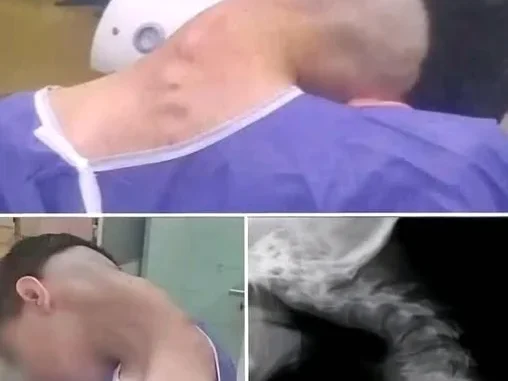
The neck is a highly mobile and complex part of the body that plays a crucial role in supporting the head and enabling a wide range of motion. Despite its flexibility, the cervical spine—the section of the spine located in the neck—is vulnerable to injury, especially from sudden or forceful movements. This article aims to provide a comprehensive overview of how abrupt neck motions can affect cervical health, signs to watch for, and practical strategies to maintain neck wellness.
Anatomy and Function of the Cervical Spine
The cervical spine consists of seven vertebrae stacked one above the other, forming the neck region of the spinal column. These vertebrae not only support the weight of the head but also protect the spinal cord and provide passage for nerves that extend to the arms and upper body. Surrounding the vertebrae are muscles, ligaments, and tendons that contribute to the neck’s stability and flexibility.
The neck’s unique combination of strength and mobility makes it essential for daily activities such as turning the head, nodding, and maintaining posture. However, this same flexibility means that the cervical spine can be susceptible to strain or injury when subjected to rapid or awkward movements.
Mechanisms Behind Neck Injuries from Sudden Movements
Injuries to the neck can occur when the cervical spine experiences forces beyond its normal range or speed of motion. Common scenarios include:
- Quick rotational movements, such as rapidly turning the head to look behind
- Sudden tilting or jerking motions
- Attempting to forcibly crack or manipulate the neck joints
- Impact-related trauma during sports or accidents
- Prolonged poor posture combined with abrupt movements
These actions can overload muscles, ligaments, or joints in the neck, leading to strains, sprains, or even disc-related issues. The delicate nerves in the cervical area may also become irritated or compressed, contributing to neurological symptoms.
Recognizing Symptoms of Neck Injury
Symptoms following sudden neck movements can vary widely depending on the extent and type of injury. Some common signs include:
- Localized neck pain or tenderness
- Muscle stiffness or spasms
- Limited ability to move the neck comfortably
- Headaches originating from the neck region
- Pain radiating into the shoulders, arms, or upper back
- Sensations of tingling, numbness, or weakness in the arms or hands
It is important to monitor symptoms carefully. While mild discomfort may resolve with rest, persistent or worsening symptoms should prompt consultation with a healthcare provider.
Prevention: Protecting Your Neck in Daily Life
Maintaining neck health involves a combination of good habits and ergonomic adjustments. Preventive measures include:
- Practicing proper posture, especially when sitting at desks or using electronic devices
- Taking frequent breaks to stretch and move during prolonged periods of screen time
- Avoiding sudden, forceful twisting or cracking of the neck
- Incorporating exercises that strengthen neck and upper back muscles
- Setting up workspaces with ergonomics in mind, such as appropriate chair height and monitor positioning
These strategies can reduce strain on the cervical spine and support overall musculoskeletal health.
When to Seek Medical Evaluation
Certain symptoms after a sudden neck movement warrant prompt medical attention. These include:
- Severe or progressively worsening neck pain
- Persistent numbness or tingling in the arms or hands
- Muscle weakness affecting grip or arm movement
- Difficulty with balance or coordination
- Changes in bladder or bowel function
Such signs may indicate more serious underlying conditions requiring diagnostic evaluation and specialized care.
The Role of Early Intervention and Self-Care
Mild neck strains often improve with conservative measures such as rest, gentle stretching, and over-the-counter pain relief. However, ignoring ongoing pain or continuing activities that aggravate symptoms can delay healing and increase the risk of chronic issues.
Listening to the body’s signals and responding appropriately by modifying activities or seeking professional advice is key to maintaining long-term cervical spine health.
Understanding the Impact of Sudden Neck Movements
Daily movements involving the neck are so routine that their potential impact tends to be overlooked. However, sudden or forceful motions can challenge the resilience of the cervical spine. Awareness of how these movements affect neck structures, recognizing early symptoms of injury, and applying preventive strategies can help individuals preserve neck function and prevent complications.
In summary, the cervical spine’s complex anatomy makes it both flexible and vulnerable. By adopting mindful movement habits and ergonomic practices, people can reduce the risk of injury related to sudden neck movements and support overall spinal health.
Long-Term Effects of Repeated Neck Strain
Repeated episodes of sudden neck movements or chronic strain can lead to persistent issues that affect quality of life. Over time, this may contribute to conditions such as cervical spondylosis, where degenerative changes affect the vertebrae and discs, potentially causing chronic pain, stiffness, and neurological symptoms. Understanding that the neck is a structure requiring ongoing care can encourage individuals to adopt preventive measures early to mitigate long-term consequences.
Ergonomics and Technology Use
With increasing reliance on electronic devices, many people spend hours daily looking at screens, which can place additional strain on the neck. The posture often involves a forward head position and rounded shoulders, increasing the load on cervical structures. Ergonomic adjustments, such as positioning screens at eye level, using supportive chairs, and taking breaks to reset posture, play an essential role in reducing neck strain. Awareness campaigns and workplace interventions can further promote healthier habits in both professional and personal settings.
The Importance of Physical Activity and Strengthening
Engaging in regular physical activity that includes exercises targeting the neck and upper back muscles can enhance muscular support for the cervical spine. Strengthening these areas improves posture, increases stability, and may reduce the risk of injury from sudden movements. Activities such as yoga, Pilates, and specific physical therapy regimens can also improve flexibility and body awareness, fostering safer movement patterns.
When Manual Manipulation Is Considered
Some individuals seek manual therapies such as chiropractic adjustments or osteopathic manipulation for neck discomfort. While these treatments may offer relief for certain conditions, it is important to approach them cautiously and consult qualified healthcare providers. Forceful or inappropriate manipulation, especially of the cervical spine, carries risks and should only be performed after thorough assessment. Patients are encouraged to discuss potential benefits and risks with their healthcare professionals.
Psychological and Lifestyle Factors Influencing Neck Health
Stress and anxiety can contribute to muscle tension in the neck and shoulders, exacerbating discomfort. Incorporating stress management techniques such as mindfulness, relaxation exercises, and adequate sleep can positively impact neck health. Additionally, lifestyle factors like smoking and poor nutrition may influence tissue healing and inflammation, highlighting the importance of a holistic approach to cervical wellness.
Understanding Neck Pain in Context
Neck pain is a common complaint globally and can stem from a variety of causes beyond sudden movements, including degenerative diseases, infections, or systemic conditions. Recognizing when neck pain is part of a broader health issue is essential for appropriate diagnosis and treatment. Healthcare providers consider a comprehensive history and physical examination to guide management strategies.
The Role of Imaging and Diagnostic Tools
In cases of persistent or severe neck symptoms, diagnostic imaging such as X-rays, MRI, or CT scans may be indicated to evaluate the structures of the cervical spine. These tools help identify fractures, disc herniations, or nerve compression. However, imaging is typically reserved for situations where clinical findings suggest more serious pathology or when symptoms do not improve with conservative care.
Community and Workplace Support
Employers and community programs can play a vital role in promoting neck health by facilitating ergonomic assessments, encouraging regular movement breaks, and providing education on safe movement practices. Such initiatives contribute to reducing the incidence of neck injuries and improving overall employee well-being.
The Value of Patient Education and Self-Management
Empowering individuals with knowledge about neck anatomy, injury mechanisms, and preventive strategies fosters proactive self-care. Educational resources, including trusted websites, brochures, and workshops, can help people recognize early warning signs and adopt healthier habits. Self-management techniques such as heat or cold application, gentle stretching, and activity modifications are often effective first-line measures.
Conclusion: A Balanced Approach to Neck Health
Maintaining cervical spine health requires a multifaceted approach that combines awareness, prevention, and appropriate intervention when needed. Sudden neck movements can pose risks, but through education, ergonomic practices, physical conditioning, and timely medical evaluation, individuals can protect their neck function and quality of life. Ongoing research and public health efforts continue to enhance understanding and management of neck-related issues, supporting healthier communities worldwide.
Navigating Neck Health in Aging Populations
As individuals age, the cervical spine undergoes natural changes that can influence susceptibility to injury from sudden movements. Degenerative processes such as disc dehydration, reduced ligament elasticity, and bone spur formation may compromise the neck’s ability to absorb mechanical stresses. Older adults may experience increased stiffness, decreased range of motion, and a higher risk of chronic pain conditions such as cervical osteoarthritis. Consequently, understanding the intersection of aging and neck health emphasizes the need for targeted preventive measures and adaptive strategies to maintain function and reduce injury risk in later life.
The Impact of Occupational Hazards on Neck Health
Certain professions expose individuals to repetitive neck movements, sustained awkward postures, or mechanical vibrations, all of which can contribute to cumulative cervical strain. Jobs involving heavy lifting, prolonged computer use, assembly line work, or driving may increase the likelihood of neck discomfort or injury. Workplace ergonomic assessments are instrumental in identifying risk factors and implementing modifications such as adjustable workstations, supportive seating, and scheduled breaks. Additionally, occupational health programs that include education on safe movement practices can play a crucial role in minimizing work-related neck injuries.
Sleep Positions and Their Effect on the Cervical Spine
Sleep posture significantly influences neck alignment and muscle relaxation. Improper pillow height or firmness can place the cervical spine in unnatural positions, potentially exacerbating pre-existing conditions or contributing to morning neck stiffness. Experts often recommend using pillows that support the natural curve of the neck, maintaining the head in a neutral position relative to the spine. Side or back sleeping positions are generally considered more favorable for neck health compared to stomach sleeping, which can strain the cervical muscles. Awareness and adjustment of sleep ergonomics can aid in preventing neck discomfort and promoting restorative rest.
The Role of Hydration and Nutrition in Cervical Spine Health
Adequate hydration supports the health of intervertebral discs, which act as shock absorbers between vertebrae. Disc tissue contains a high proportion of water, and dehydration may reduce disc height and flexibility, increasing vulnerability to injury. Balanced nutrition rich in vitamins and minerals, such as calcium and vitamin D, contributes to bone health and tissue repair. Anti-inflammatory dietary components may also assist in managing chronic neck conditions. While nutrition is one aspect of overall cervical health, it complements mechanical and lifestyle interventions to support recovery and resilience.
Understanding the Psychological Dimensions of Neck Pain
Chronic neck pain often involves psychological factors such as stress, anxiety, and depression, which can heighten pain perception and muscle tension. The biopsychosocial model recognizes that emotional well-being influences physical symptoms and recovery trajectories. Integrating psychological support, including cognitive-behavioral therapy or relaxation techniques, may enhance treatment outcomes for individuals with persistent neck discomfort. Encouraging a holistic approach that addresses both physical and mental health can optimize cervical spine care.
The Importance of Regular Medical Check-Ups for Neck Health
Routine medical evaluations provide opportunities to monitor cervical spine status, especially for individuals with risk factors such as previous injuries, chronic pain, or occupational hazards. Healthcare providers can assess posture, range of motion, and neurological function to identify early signs of problems. Early detection facilitates timely interventions, potentially preventing progression to more severe conditions. Additionally, personalized advice on ergonomics, exercise, and lifestyle adjustments can be tailored during these visits to support ongoing neck wellness.
Emerging Technologies and Research in Cervical Spine Care
Advances in medical technology continue to enhance understanding and management of neck injuries. Innovations in imaging modalities improve diagnostic accuracy, while developments in minimally invasive surgical techniques offer alternatives for select cases. Research into regenerative therapies, such as stem cell applications and biologics, holds promise for future treatment options aimed at tissue repair. Staying informed about evolving evidence-based practices empowers patients and clinicians to make informed decisions regarding cervical spine health.
Community Resources and Support Networks
Access to community-based resources can assist individuals in managing neck health proactively. Physical therapy clinics, fitness centers offering specialized classes, and support groups provide avenues for education, exercise, and social encouragement. Public health initiatives promoting musculoskeletal health contribute to broader awareness and resource availability. Engaging with these supports can enhance motivation and adherence to preventive and rehabilitative strategies.
Takeaways for Maintaining Lifelong Neck Health
- Prioritize ergonomic principles in work and leisure activities to minimize strain.
- Incorporate regular physical activity that includes neck and upper back strengthening exercises.
- Be attentive to early symptoms of neck discomfort and seek professional assessment when appropriate.
- Consider holistic factors, including psychological well-being, sleep quality, and nutrition, in neck health management.
- Utilize available community and healthcare resources to support informed self-care.
By adopting a comprehensive and proactive approach, individuals can effectively safeguard their cervical spine against the risks associated with sudden neck movements and promote enduring neck health.