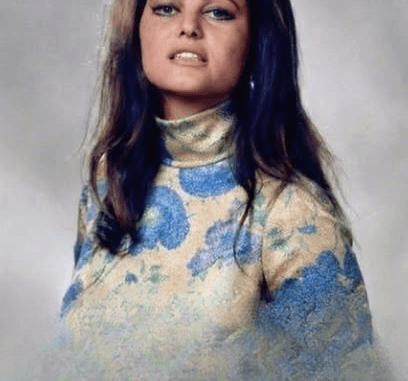
Claudia Cardinale stands as a towering figure in the history of European cinema, with a career spanning more than sixty years marked by artistic dedication and cross-cultural impact. Born in 1938 in Tunis to Italian parents, Cardinale’s early life was shaped by a blend of Mediterranean cultures, including Italian, French, and Arabic influences. This multicultural background informed her unique perspective and contributed to her versatility as an actress who would later captivate audiences across continents.
Initially, acting was not Claudia Cardinale’s intended path. Her early aspirations leaned toward education, but an unexpected opportunity in a local cultural contest in Tunisia led to her discovery and eventual move to Italy. This transition marked the beginning of a remarkable journey into international cinema. Her early experiences in the film industry were characterized by challenges typical of young actors: linguistic hurdles, public scrutiny, and the pressure of maintaining an image. Despite these obstacles, Cardinale demonstrated resilience and a commitment to developing her craft.
Cardinale’s formative years in film involved rigorous self-discipline and a willingness to engage with diverse cinematic traditions. Fluent in multiple languages, she was able to navigate Italian, French, and English-speaking film industries with ease. This multilingual ability, paired with her professionalism, enabled her to work with acclaimed directors and participate in a range of projects that broadened her artistic scope. Her career trajectory exemplifies the possibilities for actors who embrace cultural diversity and adaptability.
The 1960s marked a pivotal era for Cardinale as she emerged as a central figure in European cinema’s golden period. Collaborations with visionary directors such as Federico Fellini and Luchino Visconti resulted in performances that balanced emotional depth with nuanced subtlety. In films like Fellini’s “8½” and Visconti’s “The Leopard,” she brought an understated intensity that enriched the storytelling, proving that powerful acting often resides in restraint rather than overt dramatics.
Notably, Cardinale’s role in Sergio Leone’s “Once Upon a Time in the West” challenged conventional gender roles within the Western genre. Her portrayal of a resilient and complex woman offered a counterpoint to the male-dominated narratives typical of the time. This performance highlighted her ability to imbue characters with both strength and vulnerability, contributing to a more layered representation of women on screen.
Throughout her career, Cardinale maintained a deliberate approach to role selection, emphasizing artistic integrity over fleeting fame. She resisted being pigeonholed into stereotypical parts, seeking instead projects that afforded her characters depth and dignity. This stance allowed her to sustain a long and varied career, moving fluidly between Italian, French, and international cinema without compromising her principles.
Beyond her film work, Cardinale has been active in cultural and humanitarian endeavors. Residing primarily in France, she remained connected to her Italian roots and Tunisian birthplace, supporting initiatives related to art preservation, education, and women’s empowerment. Her engagement in these areas reflects a broader commitment to cultural enrichment and social advocacy, extending her influence beyond the screen.
In recent decades, Cardinale’s legacy has been the subject of renewed interest through film restorations, scholarly research, and retrospectives. Contemporary audiences and critics alike recognize the significance of her contributions, particularly her portrayals of women characterized by agency and complexity. Her enduring appeal underscores the lasting relevance of performances grounded in authenticity and thoughtful characterization.
As she continues to be celebrated into her eighties, Claudia Cardinale embodies a unique continuity in cinema history. Her career bridges the postwar European film renaissance, the evolution of international co-productions, and the challenges of the digital era. Rather than relying on reinvention, her sustained influence arises from a foundation of consistency, artistic discipline, and respect for the craft.
Claudia Cardinale’s story offers valuable insights into building a meaningful and enduring career in the arts. It illustrates how thoughtful choices, cultural adaptability, and a commitment to integrity can create a legacy that transcends time and trends. In an industry often marked by rapid change and fleeting popularity, her example serves as a testament to the power of depth, perseverance, and the ability to remain true to oneself.
For those interested in cinema history, cultural intersections, and the evolution of female representation on screen, Cardinale’s career provides a rich case study. Her journey highlights the importance of embracing diverse influences, overcoming challenges with professionalism, and advocating for complex, dignified portrayals in film. As the global film community continues to explore and celebrate its heritage, Claudia Cardinale’s contributions remain a vital part of that ongoing conversation.
Claudia Cardinale’s Impact on Fashion and Style
Beyond her cinematic achievements, Claudia Cardinale has long been regarded as a style icon whose influence extends into the world of fashion. Emerging during the transformative decades of the 1950s and 1960s, Cardinale embodied a blend of classic elegance and Mediterranean allure that resonated with designers and audiences alike. Her public appearances, film roles, and photo shoots often showcased a sophisticated yet approachable aesthetic, characterized by natural beauty, effortless charm, and a discerning sense of style.
Throughout her career, Cardinale collaborated with prominent fashion houses and photographers, helping to popularize trends that balanced glamour with authenticity. Her distinctive look—marked by expressive eyes, voluminous hair, and graceful poise—became emblematic of a broader cultural movement that embraced individuality over rigid fashion norms. This influence can be seen in the way contemporary fashion continues to draw inspiration from 1960s silhouettes and the understated confidence that Cardinale exemplified.
Moreover, Cardinale’s sartorial choices often complemented the characters she portrayed, reinforcing narrative themes and enhancing the emotional resonance of her performances. This synergy between fashion and film contributed to a richer cinematic experience and underscored the role of costume design as an integral aspect of storytelling. For fashion historians and enthusiasts, Cardinale’s style remains a subject of study for its timeless appeal and cultural significance.
Navigating the Challenges of a Changing Film Industry
Claudia Cardinale’s career unfolded during a period of significant transformation within the global film industry. The postwar years saw the rise of new cinematic movements, technological innovations, and shifting audience expectations. Cardinale adeptly navigated these changes, adapting to evolving production methods and storytelling approaches without sacrificing her artistic values.
The increasing prevalence of international co-productions in the 1960s and 1970s offered both opportunities and challenges. While such collaborations expanded the reach of European cinema, they also introduced complexities related to language, cultural differences, and market demands. Cardinale’s multilingual abilities and cultural sensitivity positioned her well to thrive in this environment, allowing her to work seamlessly across borders and contribute to films that appealed to diverse audiences.
However, the industry also faced pressures related to commercialization and the rise of celebrity culture, which sometimes prioritized marketability over artistic merit. Cardinale’s deliberate selection of roles and refusal to conform to reductive stereotypes demonstrate her commitment to maintaining creative control. This approach not only safeguarded her professional integrity but also set a precedent for actors seeking to balance commercial success with meaningful artistry.
Contributions to Women’s Representation in Cinema
One of the most enduring aspects of Claudia Cardinale’s legacy lies in her impact on the representation of women in film. At a time when female characters were often limited to decorative or subordinate roles, Cardinale sought parts that reflected the complexity, strength, and autonomy of real women. Her performances challenged prevailing norms and expanded the possibilities for female agency on screen.
In films like “Once Upon a Time in the West,” Cardinale portrayed women who were active participants in their own narratives rather than passive figures. This nuanced approach contributed to a gradual shift in how female characters were written and perceived, influencing subsequent generations of filmmakers and actors. Cardinale’s insistence on dignity and depth in her roles aligns with broader movements advocating for gender equity and diversity in the arts.
Her advocacy extended beyond her performances. Through public statements and involvement in cultural initiatives, she highlighted the importance of empowering women both within the film industry and in society at large. This dual commitment to artistic excellence and social consciousness enhances her stature as a role model and cultural ambassador.
Global Recognition and Honors
Over the course of her extensive career, Claudia Cardinale has received numerous awards and honors recognizing her artistic contributions and cultural influence. These accolades come from various countries and institutions, reflecting her international stature and the widespread appreciation of her work.
While specific awards are part of the public record, the broader significance lies in how these recognitions underscore the impact of her performances and her role in shaping cinematic history. Such honors also highlight the importance of cross-cultural exchange in the arts, as Cardinale’s career exemplifies the fruitful collaboration between European and global film traditions.
Educational and Cultural Engagements
In addition to her professional achievements, Cardinale has engaged in educational activities that promote film appreciation and cultural understanding. She has participated in film festivals, retrospectives, and panel discussions that explore the evolution of cinema and its societal implications. Through these forums, she shares insights drawn from her experiences, contributing to the preservation and dissemination of film heritage.
Her involvement in educational initiatives complements her humanitarian work, reflecting a holistic approach to cultural engagement. By supporting programs that encourage artistic exploration and critical thinking, Cardinale helps nurture future generations of artists and audiences. This commitment reinforces the idea that cinema is not only entertainment but also a vital medium for dialogue and reflection.
Continuing Influence in the Digital Era
As the film industry embraces digital technologies and new distribution platforms, Claudia Cardinale’s legacy remains relevant. The restoration and digitization of her films have made her work accessible to a global audience, enabling contemporary viewers to appreciate her artistry in high quality. Online streaming services and digital archives play a significant role in preserving and promoting classic cinema, ensuring that Cardinale’s performances continue to inspire.
Furthermore, discussions about diversity, representation, and artistic integrity in today’s film discourse often reference pioneers like Cardinale who paved the way for more inclusive storytelling. Her career serves as a benchmark for evaluating how actors can maintain authenticity amid changing industry dynamics.
For modern filmmakers and actors, Cardinale’s example illustrates the enduring value of thoughtful role selection, cultural adaptability, and professional discipline. Her story encourages a long-term perspective on career development, emphasizing the importance of principles over trends.
Conclusion
Claudia Cardinale’s multifaceted legacy encompasses her contributions to film, fashion, cultural advocacy, and education. Her journey from a multicultural upbringing in Tunis to international stardom reflects the richness of cross-cultural exchange and the power of resilience. Through her nuanced performances, stylish presence, and principled choices, she has left an indelible mark on European cinema and beyond.
As audiences and scholars continue to explore her work, Cardinale stands as a testament to the enduring impact that a dedicated artist can have across generations. Her career offers valuable lessons about the interplay between culture, identity, and creativity, reminding us that true influence arises from authenticity, integrity, and a sustained commitment to one’s craft.
Influence on International Film Collaborations
Claudia Cardinale’s career not only bridged several national cinemas but also helped facilitate and popularize international film collaborations during a period when such co-productions were becoming increasingly common. Her ability to work comfortably in different languages and cultural settings made her a valuable asset for productions aiming to appeal to wider audiences. This cross-border appeal contributed to a growing trend in European cinema where filmmakers and actors pooled resources and talents across countries to create films with greater artistic and commercial reach.
This phenomenon also offered actors like Cardinale opportunities to explore diverse storytelling traditions and cinematic styles. By participating in films produced in Italy, France, and beyond, she helped demonstrate the potential of cinema as a global art form, transcending linguistic and national boundaries. Her active engagement in these collaborations underscored the importance of cultural exchange and adaptability in the evolving landscape of mid-20th-century filmmaking.
Mentorship and Influence on Emerging Artists
Beyond her on-screen work, Claudia Cardinale has been recognized for her informal mentorship and influence on younger generations of actors and filmmakers. Through her presence at film festivals, workshops, and cultural events, she has shared her experiences and insights into the craft of acting and the challenges of sustaining a career in a competitive industry.
Her commitment to artistic integrity and thoughtful role selection serves as a model for emerging artists navigating the complexities of modern cinema. By advocating for authenticity and professionalism, Cardinale has contributed to a culture that values depth and discipline in performance, encouraging newcomers to approach their work with seriousness and respect.
This mentorship role also extends to her support of film preservation efforts and educational programs, where she emphasizes the importance of historical knowledge and cultural awareness as foundations for creative growth.
The Role of Personal Identity in Artistic Expression
Claudia Cardinale’s multicultural background has been a subtle yet significant factor in shaping her artistic expression. Growing up at the confluence of Italian, French, and Tunisian cultures endowed her with a nuanced understanding of identity and belonging that informed her approach to character portrayal.
Her ability to embody characters from diverse backgrounds with authenticity reflects a broader conversation about the role of personal history in creative work. In an industry often focused on typecasting and simplified identities, Cardinale’s career illustrates how embracing complexity can enrich performance and storytelling.
This perspective aligns with contemporary dialogues about representation and inclusivity in the arts, highlighting the value of diverse experiences in shaping compelling narratives.
Enduring Relevance in Contemporary Cultural Discussions
As discussions about diversity, gender equity, and cultural representation continue to evolve in the film industry, Claudia Cardinale’s body of work provides important historical context. Her portrayals of strong, multifaceted women contribute to a lineage of performances that challenge stereotypes and advocate for more authentic representation.
Moreover, her career choices and public engagements exemplify how artists can use their platform to promote social awareness and cultural dialogue. By maintaining a balance between artistic ambition and social responsibility, Cardinale offers a blueprint for how cultural figures can remain relevant and impactful across changing social landscapes.
For scholars, filmmakers, and audiences alike, her legacy invites reflection on how cinema both shapes and reflects societal values, encouraging ongoing examination of the medium’s potential as a tool for cultural understanding and progress.